

12 Proven ESL Classroom Management Techniques That Transform Student Behavior
Want to create an engaging, productive learning environment for your English language learners? These evidence-based strategies will help you establish clear expectations, prevent disruptions, and build the positive classroom culture your ESL students need to thrive.
Introduction: Why ESL Classroom Management is Different
Managing an ESL classroom comes with unique challenges that traditional classroom management techniques often don’t address. Your students may come from diverse educational backgrounds, have varying English proficiency levels, and face cultural adjustments that affect their behavior and learning.
The key difference? ESL classroom management isn’t just about controlling behavior—it’s about creating an environment where language learning can flourish despite linguistic barriers.
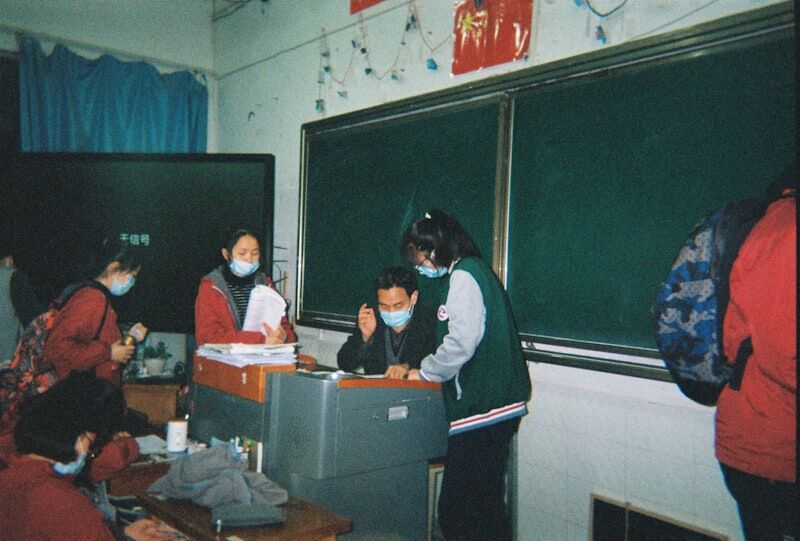
Research from the National Center for Education Statistics shows that ESL classrooms with structured, culturally responsive management systems see 40% higher engagement rates and significantly better language acquisition outcomes.
Let’s explore the proven techniques that will transform your classroom from chaotic to collaborative.
1. Build Community Before Control (The Foundation Strategy)
Before implementing any rules or consequences, invest time in building genuine classroom community. ESL students often feel isolated due to language barriers, making connection crucial for cooperation.
Implementation Steps:
- Start each semester with a “Cultural Exchange Week” where students share traditions
- Create mixed-proficiency partner assignments for peer support
- Use morning meeting circles to practice English while building relationships
- Establish classroom rituals that honor different cultures
Cultural Consideration: Many ESL students come from collectivist cultures where group harmony matters more than individual achievement. Leverage this by framing classroom expectations around community success rather than personal compliance.
2. Use Visual Communication Systems
Since many ESL students process visual information faster than verbal instructions, create comprehensive visual management systems.
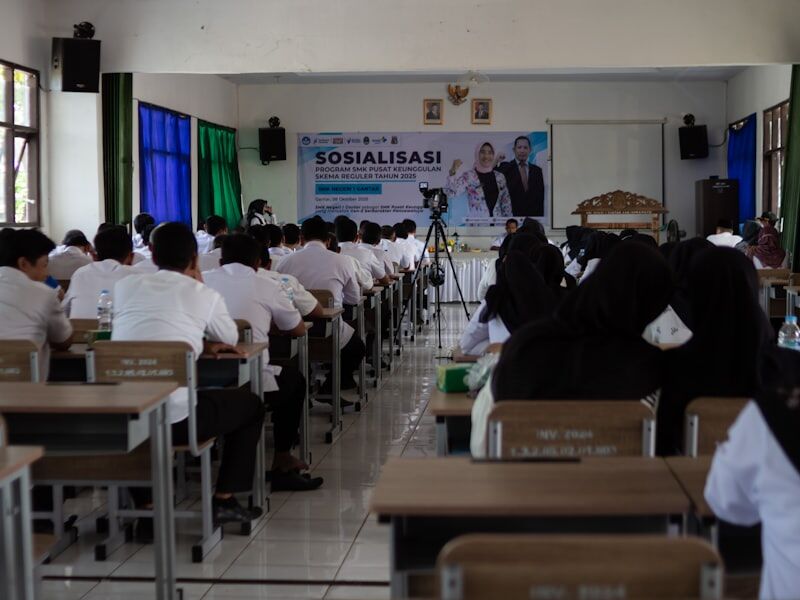
Essential Visual Tools:
- Color-coded behavior charts with pictures for each expectation
- Daily schedule with icons showing activities and transitions
- Classroom rules posters with visual examples of expected behaviors
- Emergency procedures graphics that transcend language barriers
Pro Tip: Include students in creating these visuals. When learners help design the system, they understand and follow it better.
3. Implement the “Think Time” Strategy
Unlike native speakers who might respond immediately to verbal instructions, ESL students often need processing time. The “Think Time” technique prevents behavior problems caused by confusion.
How It Works:
- Give an instruction clearly and simply
- Provide 10-15 seconds of silent processing time
- Use hand signals to indicate when response time begins
- Repeat instruction in different words if needed
This approach reduces the anxiety that leads to off-task behavior in ESL students.
4. Establish Predictable Routines with Language Practice
Transform routine classroom procedures into language learning opportunities while maintaining order.
Example Morning Routine:
- Greeting Practice (5 min): Students practice formal/informal greetings
- Weather Report (3 min): Vocabulary practice with daily weather discussion
- Objective Preview (2 min): Students repeat lesson goals in their own words
- Material Check (2 min): Named supplies practice while organizing desks
Why This Works: Predictable routines reduce anxiety while embedded language practice maximizes learning time.
5. Use the “Progressive Response” Discipline Model
Traditional consequence systems often fail with ESL students because they don’t account for language comprehension issues. The Progressive Response model addresses behavior while supporting language development.
The Four-Step Progression:
- Visual Reminder: Point to relevant classroom poster or rule
- Private Clarification: Quietly ensure student understands expectation
- Collaborative Problem-Solving: Ask student to suggest solution
- Restorative Action: Focus on repair rather than punishment
Cultural Sensitivity Note: Some cultures view direct correction as shameful. This progression allows face-saving while addressing behavior.
6. Leverage Technology for Behavior Management
Digital tools can bridge language gaps and provide consistent feedback that supports ESL students.
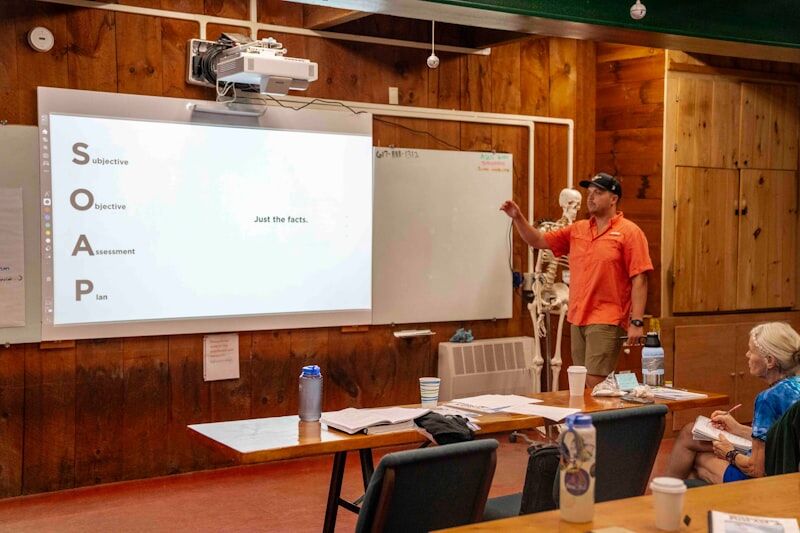
Effective Tech Solutions:
- ClassDojo: Visual behavior tracking with positive reinforcement
- Google Translate Camera: Quick communication with parents
- Flipgrid: Students record behavior reflections in their comfort language
- Behavior charts apps: Real-time feedback with multilingual options
Implementation Tip: Train student tech helpers to support classmates with these tools.
7. Create Clear Transition Protocols
ESL students struggle with unstructured transition times. Develop specific protocols that combine movement with language practice.
Sample Transition Protocol:
- Signal: Play specific music or chime
- Language Frame: “I am moving from _____ to _____”
- Movement Rule: Walk quietly while practicing target vocabulary
- Arrival Task: Immediate engagement activity at new location
Time Management: Structure reduces the chaos that leads to behavior issues during transitions.
8. Implement Peer Support Systems
Pair ESL students strategically to create natural behavior support networks.
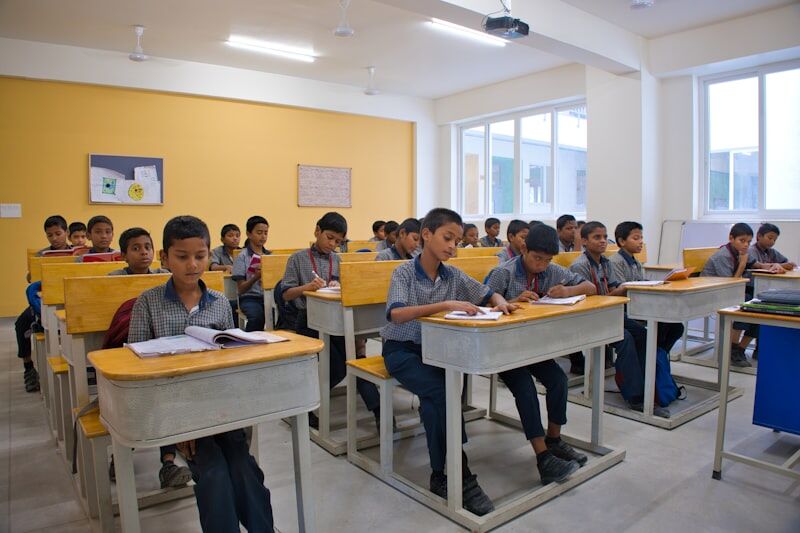
Partner Assignment Strategies:
- Language Bridge Partners: Pair students sharing native languages with varying English levels
- Cultural Mentors: Connect new arrivals with established students from similar backgrounds
- Skill Complement Partners: Match students with different academic strengths
- Behavior Buddy System: Students support each other in following classroom expectations
Key Point: This isn’t just about language help—it’s about creating accountability through positive relationships.
9. Use Proactive Communication with Families
Many ESL families want to support good behavior but face language barriers. Proactive communication prevents problems before they start.
Family Engagement Tactics:
- Multilingual behavior contracts sent home at semester start
- Weekly positive behavior reports in native languages
- Cultural liaison volunteers who can translate and explain expectations
- Home visit programs to understand student backgrounds
Cultural Bridge: Understanding family expectations helps align home and school behavior standards.
10. Develop Mixed-Level Activity Management
ESL classrooms often have extreme proficiency differences. Manage these mixed levels through structured activity design rather than separate everything.
Mixed-Level Management Techniques:
- Tiered instruction cards with visual cues for different ability levels
- Flexible grouping rotations that change based on activity needs
- Choice boards allowing students to select appropriate challenge levels
- Peer teaching protocols where advanced students mentor beginners
Behavior Benefit: When students can engage at their level, off-task behavior naturally decreases.
11. Address Cultural Behavior Differences Directly
What looks like defiance might actually be cultural difference. Address these gaps through explicit cultural bridge-building.
Common Cultural Differences to Address:
- Eye contact expectations: Some cultures view direct eye contact with authority as disrespectful
- Question-asking norms: Many cultures discourage questioning teachers
- Individual vs. group work: Preferences vary dramatically across cultures
- Time concepts: Punctuality and deadline urgency differ culturally
حل: Create classroom conversations about these differences, helping all students navigate American classroom expectations while respecting their backgrounds.
12. Build Self-Regulation Through Language Practice
Teach ESL students to manage their own behavior using English language frames.
Self-Regulation Language Frames:
- “I need help with _____”
- “I feel frustrated because _____”
- “Can I take a break to _____?”
- “I will try _____ instead”
Practice Opportunities:
- Daily reflection journals using these frames
- Problem-solving role plays with behavioral scenarios
- Peer mediation training using structured language
- Goal-setting conferences with teacher support
Advanced Strategies: When Basic Techniques Aren’t Enough
Technology Integration for Behavior Tracking
Use classroom management apps that provide multilingual feedback and parent communication. Tools like Remind, ClassDojo, or SeeSaw can bridge language gaps while maintaining consistent behavior expectations.
Crisis Prevention Planning
Develop specific protocols for ESL students experiencing cultural adjustment stress, academic overwhelm, or family pressures that manifest as behavior challenges.
Parent Partnership Programs
Create structured programs that help ESL families understand and support American classroom expectations while honoring their cultural values.
Common ESL Classroom Management Mistakes to Avoid
- ❌ Don’t assume understanding – Always check for comprehension
- ❌ Don’t ignore cultural factors – Address differences directly and respectfully
- ❌ Don’t use punishment-only approaches – Focus on teaching and restoration
- ❌ Don’t forget processing time – Build wait time into all interactions
- ❌ Don’t isolate struggling students – Use peers as support systems
Measuring Success: What to Track
Monitor these key indicators to assess your classroom management effectiveness:
- Engagement rates during different activity types
- Time-on-task measurements across proficiency levels
- Student self-reporting of comfort and understanding
- Family feedback on home-school communication
- Academic progress correlated with behavior improvements
Conclusion: Building Success Through Understanding
Effective ESL classroom management isn’t about stricter rules—it’s about creating systems that work with, rather than against, the unique needs of language learners.
When you implement these 12 proven techniques, you’ll notice:
- Reduced behavior disruptions by addressing root causes
- Increased student engagement through culturally responsive practices
- Better family communication and support
- Higher language acquisition rates in a structured environment
Remember: Every classroom management challenge is an opportunity to teach language, build community, and honor the diverse backgrounds your students bring to learning.
Start with one or two techniques that resonate most with your current challenges, then gradually build your comprehensive system. Your ESL students—and your teaching sanity—will thank you.
Free Resource: ESL Classroom Management Starter Kit
Want to implement these strategies immediately? Download our ESL Classroom Management Starter Kit including:
- Visual behavior chart templates
- Multilingual parent communication forms
- Cultural bridge-building activity guides
- Student self-regulation worksheets
Practical tools that make implementation simple and effective.
About Tahric Teaches: Helping educators create inclusive, engaging learning environments for all students. For more ESL teaching strategies and classroom management tips, explore our resource library.





 AR
AR  EN
EN  ZH
ZH  ZH_CN
ZH_CN  KO
KO  VI
VI  FR
FR  ES
ES  HI
HI  PT
PT  BN
BN  RU
RU  JA
JA  TR
TR  DE
DE  IT
IT  PL
PL  ID
ID  TH
TH  FA
FA  UK
UK  TL
TL  HE
HE  UR
UR  SW
SW  RO
RO  NL
NL  MS
MS  TA
TA  PS
PS  HU
HU  EL
EL  SV
SV  NB
NB  NN
NN  DA
DA  CS
CS  SR
SR  AM
AM