
The Sharing Economy | Advanced ESL Reading Worksheet PDF
Free, classroom-ready, one click — includes answer key on page 3.

Reading Worksheet — Advanced (F) | tahricteaches.com
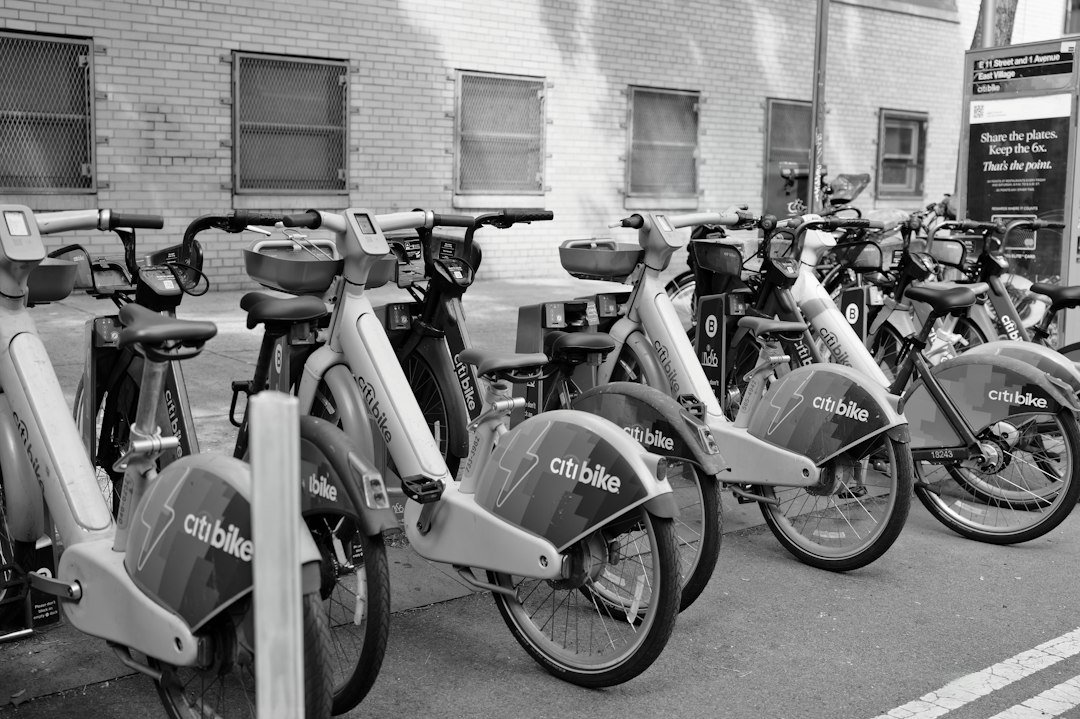
Over the past decade, a business model known as the sharing economy has transformed the way people access goods and services. Instead of buying a car, a power tool, or a spare bedroom outright, consumers can now temporarily rent these items from someone else who already owns them. This shift depends heavily on smartphone apps, which allow total strangers to connect, negotiate, and complete transactions within minutes.
Digital platforms such as Airbnb and Uber act as an intermediary, linking people who have something to offer with those who need it. These companies do not typically own the assets being shared; instead, they earn a commission for facilitating the connection. This model has managed to disrupt entire industries, forcing traditional hotels and taxi services to reconsider how they compete for customers.
Supporters argue that the sharing economy makes better use of underutilized resources. A car that sits parked for twenty-three hours a day, for example, could instead generate income for its owner while providing transportation for someone else. In theory, this efficiency helps redistribute wealth toward ordinary individuals rather than large corporations, while simultaneously reducing unnecessary consumption and environmental waste.
Critics, however, point to the darker side of this rapid proliferation of gig-based work. Many drivers and hosts lack the job security, healthcare, and benefits that traditional employees receive, leaving them in a financially precarious position. Governments have struggled to establish clear regulatory frameworks, and questions of accountability arise whenever accidents or disputes occur between anonymous users.
Looking ahead, policymakers face the challenge of balancing innovation with worker protection. Some cities have begun to incentivize companies to offer basic benefits, while others have imposed strict limits on short-term rentals. Whatever direction regulation takes, the sharing economy has already proven that ownership is no longer the only path to accessing what we need.
ক. শব্দভান্ডার
- collaborative ____
- underutilized ____
- intermediary ____
- redistribute ____
- regulatory ____
- incentivize ____
- proliferation ____
- accountability ____
- disrupt ____
- precarious ____
- a. not used to its full potential or capacity
- b. not securely held; risky or unstable
- c. rapid increase in the number or amount of something
- d. to share out resources differently than before
- e. person or platform that connects two parties in a transaction
- f. relating to official rules that control an industry
- g. to give someone a reason or motivation to act
- h. responsibility for one’s actions and their consequences
- i. involving people working together toward a shared goal
- j. to change an established industry or system in a radical way

খ. সত্য না মিথ্যা
- ____ The sharing economy allows people to rent items instead of buying them.
- ____ Airbnb and Uber usually own the assets that are shared on their platforms.
- ____ Digital platforms typically earn a commission for connecting users.
- ____ The sharing economy has had no effect on traditional hotel and taxi industries.
- ____ Supporters believe the sharing economy makes better use of underutilized resources.
- ____ A parked car generating no income is an example of an underutilized asset.
- ____ Gig workers in the sharing economy always receive full healthcare benefits.
- ____ Critics worry that gig work can leave workers in a precarious financial position.
- ____ Governments have found it easy to create clear regulations for the sharing economy.
- ____ Some cities have tried to incentivize companies to provide workers with basic benefits.
গ. শূন্যস্থান পূরণ করুন
- A ride-sharing app functions as an ___ between drivers and passengers.
- Many economists argue that shared assets were previously ___ and are now generating extra income.
- The rapid ___ of gig-based jobs has changed the modern labor market.
- Without steady contracts, some gig workers find themselves in a ___ financial situation.
- Local governments are still developing a clear ___ framework for short-term rentals.
ঘ. বোধগম্যতার প্রশ্নাবলী
- How do digital platforms like Airbnb and Uber function as intermediaries?
- According to the passage, what is one benefit supporters see in the sharing economy?
- What concern do critics raise about gig-based work in the sharing economy?
ঙ. আলোচনার প্রশ্নাবলী
- Do you think the sharing economy benefits workers more than it exploits them? Why or why not?
- How might governments better regulate gig-based platforms without discouraging innovation?
Answer Key (click to reveal)
ক. শব্দভাণ্ডার: 1-i, 2-a, 3-e, 4-d, 5-f, 6-g, 7-c, 8-h, 9-j, 10-b
খ. সত্য/মিথ্যা: 1-T, 2-F, 3-T, 4-F, 5-T, 6-T, 7-F, 8-T, 9-F, 10-T
গ. শূন্যস্থান পূরণ: 1-intermediary, 2-underutilized, 3-proliferation, 4-precarious, 5-regulatory
ঘ. বোধগম্যতা:
- They connect people who have goods or services to offer with those who need them, and take a commission for facilitating the transaction.
- It makes better use of underutilized resources, such as a car sitting idle, allowing owners to earn extra income.
- Critics note that gig workers often lack job security, healthcare, and benefits, leaving them financially precarious.
© তাহরিক টিচেস | tahricteaches.com






 BN
BN  EN
EN  ZH
ZH  ZH_CN
ZH_CN  KO
KO  VI
VI  FR
FR  AR
AR  ES
ES  HI
HI  PT
PT  RU
RU  JA
JA  TR
TR  DE
DE  IT
IT  PL
PL  ID
ID  TH
TH  FA
FA  UK
UK  TL
TL  HE
HE  UR
UR  SW
SW  RO
RO  NL
NL  MS
MS  TA
TA  PS
PS  HU
HU  EL
EL  SV
SV  NB
NB  NN
NN  DA
DA  CS
CS  SR
SR  AM
AM