
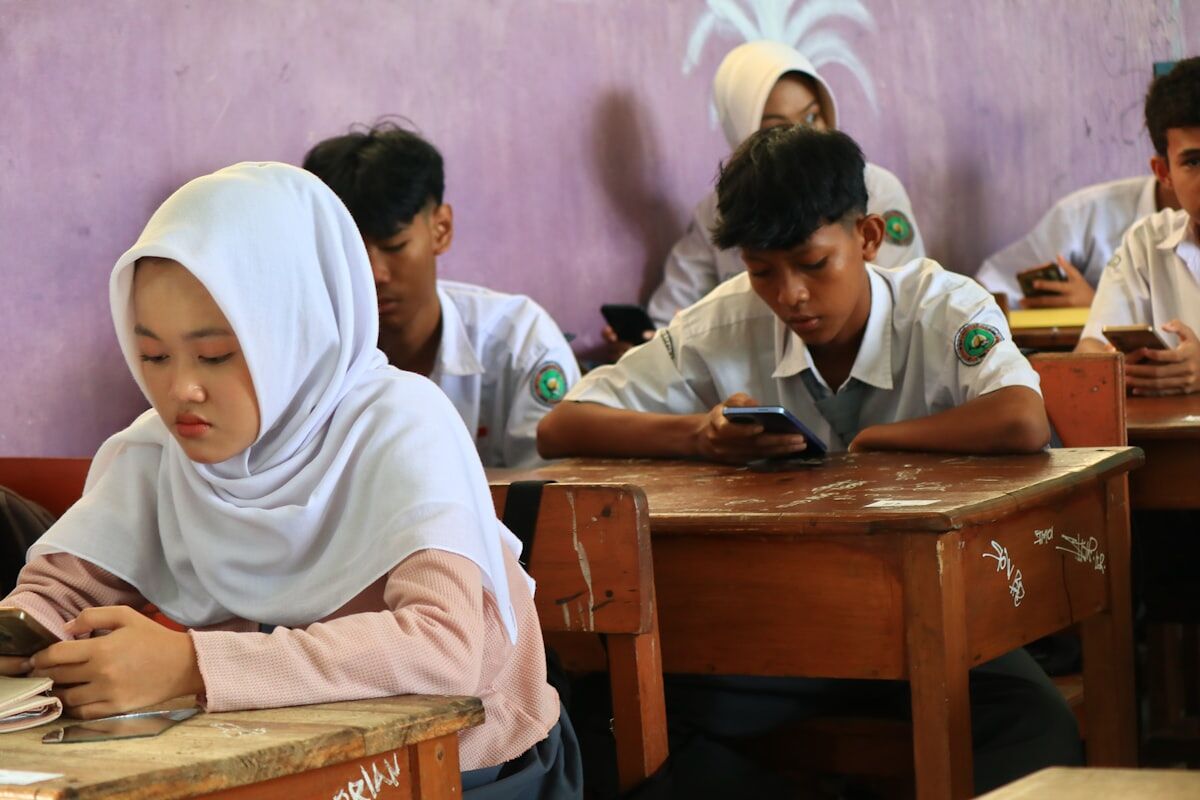
15 Powerful ESL Vocabulary Games That Transform Your Classroom
Transform your ESL classroom into an engaging vocabulary playground with these proven games that boost retention and student participation
Teaching vocabulary to ESL students doesn’t have to feel like pulling teeth. After years of watching students’ eyes glaze over during traditional vocabulary drills, smart educators are turning to ESL শব্দভান্ডারের গেম that make learning irresistible.
These interactive activities don’t just entertain—they accelerate vocabulary acquisition through strategic repetition, contextual learning, and peer collaboration. Whether you’re teaching beginners or advanced learners, these 15 games will revolutionize how your students absorb and retain new words.
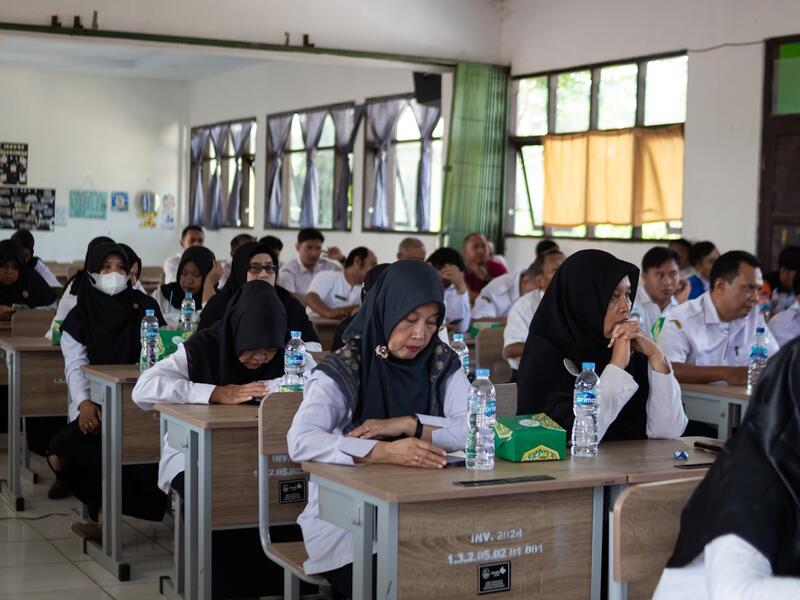
Why ESL Vocabulary Games Work Better Than Traditional Methods
Traditional vocabulary instruction relies heavily on memorization and repetition without context. ESL শব্দভান্ডারের গেম engage multiple learning pathways:
- Visual processing through images and word associations
- Kinesthetic learning via movement and hands-on activities
- Social interaction that reinforces learning through peer teaching
- Emotional engagement that creates positive memory anchors
- Competitive motivation that drives active participation
Research shows that vocabulary games increase retention rates by up to 65% compared to rote memorization methods. Students remember words learned through games significantly longer than those learned through traditional drilling.
Quick-Setup Vocabulary Games (5-10 Minutes)
1. Vocabulary Charades
এর জন্য সেরা: Action verbs, emotions, occupations
Setup time: 2 minutes
Materials: Word cards
Students act out vocabulary words while classmates guess. This kinesthetic approach works exceptionally well for visual learners and creates memorable associations between words and actions.
শিক্ষকের পরামর্শ: Create themed charades sessions focusing on specific vocabulary categories like “household activities” or “transportation methods.”
2. Word Association Lightning Round
এর জন্য সেরা: Expanding semantic networks
Setup time: 1 minute
Materials: Whiteboard, timer
Call out a vocabulary word and students quickly shout related words. This builds neural pathways between concepts and helps students understand word relationships naturally.
Variation: Use this as a warm-up before introducing new vocabulary themes.
3. Vocabulary Pictionary
এর জন্য সেরা: Concrete nouns, abstract concepts
Setup time: 3 minutes
Materials: Drawing paper, vocabulary cards
Students draw vocabulary words while teammates guess. This visual-spatial activity helps cement word meanings through artistic expression and interpretation.
পেশাদার টিপ: Encourage students to use symbols and simple drawings rather than detailed artwork to maintain game pace.

Interactive Board Games for Deeper Learning
4. Vocabulary Snakes and Ladders
এর জন্য সেরা: Review sessions, mixed ability classes
Setup time: 5 minutes
Materials: Large board, dice, question cards
Replace traditional snakes and ladders with vocabulary challenges. Landing on special squares requires defining words, using them in sentences, or providing synonyms.
Differentiation strategy: Use color-coded question cards for different ability levels within the same game.
5. Word Market Auction
এর জন্য সেরা: Advanced vocabulary, academic terms
Setup time: 10 minutes
Materials: Play money, vocabulary cards, auction hammer
Students “bid” on vocabulary words using play money. Higher bids require more sophisticated explanations or usage examples. This creates investment in learning and encourages deeper word exploration.
Assessment integration: Award bonus money for correct usage in follow-up writing assignments.
6. Vocabulary Monopoly
এর জন্য সেরা: Long-term review, thematic units
Setup time: 15 minutes
Materials: Modified board game, property cards with vocabulary
Transform classic Monopoly by replacing properties with vocabulary words. Students must define words to “purchase” them and create sentences when opponents “land” on their properties.
Adaptation: Create themed versions focusing on specific content areas like “Business English Monopoly” or “Academic Vocabulary Monopoly.”
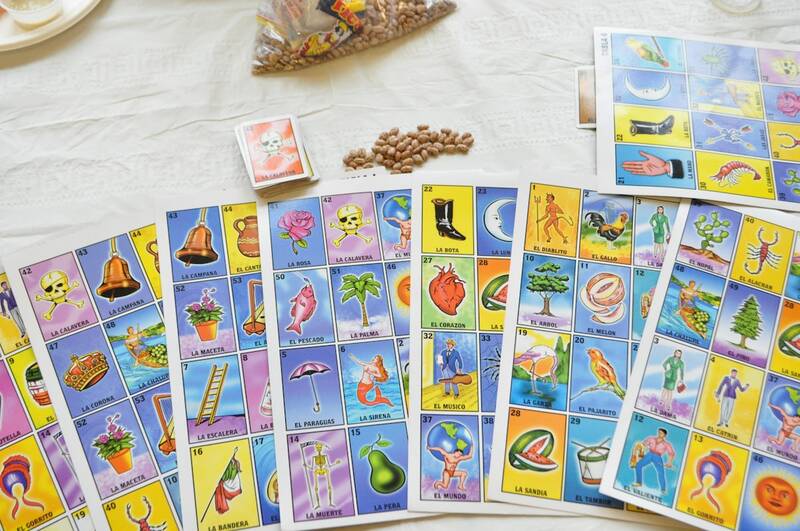
Digital and Technology-Enhanced Games
7. Vocabulary Kahoot Battles
এর জন্য সেরা: Large classes, quick assessments
Setup time: 10 minutes (creation), 2 minutes (setup)
Materials: Tablets/phones, Kahoot account
Create competitive vocabulary quizzes with multiple-choice questions, images, and timed responses. The gamified format increases engagement while providing immediate feedback.
Data advantage: Track individual student progress and identify challenging vocabulary for additional practice.
8. QR Code Vocabulary Hunt
এর জন্য সেরা: Classroom circulation, autonomous learning
Setup time: 15 minutes
Materials: QR codes, tablets/smartphones, vocabulary clues
Place QR codes around the classroom containing vocabulary clues, definitions, or usage examples. Students scan codes to complete vocabulary challenges and unlock next locations.
Extension activity: Have students create their own QR code vocabulary hunts for peer classes.
Collaborative Team Games
9. Vocabulary Jigsaw Relay
এর জন্য সেরা: Building teamwork, differentiated instruction
Setup time: 8 minutes
Materials: Vocabulary puzzle pieces, definition cards
Divide vocabulary words and definitions into puzzle pieces. Teams race to assemble complete vocabulary sets while ensuring all members understand each word’s meaning.
Inclusion strategy: Assign roles within teams to ensure every student contributes meaningfully.
10. Word Building Towers
এর জন্য সেরা: Morphology, word families
Setup time: 5 minutes
Materials: Building blocks, vocabulary cards
Students physically stack blocks while building word families or creating sentences. Each block represents a morpheme, root word, or related vocabulary term.
Language focus: Excellent for teaching prefixes, suffixes, and compound words through hands-on manipulation.
11. Vocabulary Escape Room
এর জন্য সেরা: Review sessions, special events
Setup time: 20 minutes
Materials: Clue cards, locks/boxes, vocabulary puzzles
Create themed escape room challenges where students solve vocabulary puzzles to “escape.” This immersive experience combines problem-solving with intensive vocabulary practice.
Theme examples: “Escape the Grammar Galaxy,” “Vocabulary Prison Break,” or “Academic Word Adventure.”

Memory and Retention-Focused Games
12. Vocabulary Memory Palace
এর জন্য সেরা: Advanced learners, academic vocabulary
Setup time: 10 minutes
Materials: Classroom map, vocabulary cards
Students create mental maps of the classroom, associating specific vocabulary words with physical locations. This ancient memory technique significantly improves long-term retention.
Cognitive benefit: Teaches transferable memory strategies students can apply across all subjects.
13. Word Chain Championships
এর জন্য সেরা: Quick thinking, vocabulary expansion
Setup time: 2 minutes
Materials: Timer, vocabulary themes
Students create chains where each new word begins with the last letter of the previous word, staying within vocabulary themes. This challenges quick recall and creative thinking.
Scaffolding: Start with simple themes like “animals” before advancing to complex topics like “environmental science.”
Assessment-Integrated Games
14. Vocabulary Portfolio Race
এর জন্য সেরা: Ongoing assessment, student ownership
Setup time: Initial 15 minutes, then 2 minutes daily
Materials: Individual folders, tracking sheets
Students compete to build the most comprehensive vocabulary portfolios, including definitions, example sentences, illustrations, and real-world usage examples.
Motivation factor: Award points for creative presentations and evidence of vocabulary use outside class.
15. Real-World Vocabulary Detective
এর জন্য সেরা: Authentic language use, homework integration
Setup time: 5 minutes
Materials: Camera phones, vocabulary tracking sheets
Students hunt for vocabulary words in authentic contexts—signs, advertisements, conversations, media. They document findings with photos and usage analysis.
Assessment value: Demonstrates genuine vocabulary acquisition and provides insights into student environments.
Implementation Strategies for Maximum Impact
Choosing the Right Game for Your Students
Consider these factors when selecting ESL শব্দভান্ডারের গেম:
- Proficiency level: Beginners benefit from visual and kinesthetic games, while advanced students thrive with competitive word challenges
- Class size: Large classes work well with digital tools and team competitions; smaller groups excel with intimate board games
- Available time: Have 5-minute games ready for unexpected schedule changes
- Learning objectives: Match game mechanics to specific vocabulary goals (recall, usage, or integration)
Differentiation Within Games
Successful ESL শব্দভান্ডারের গেম accommodate diverse learning needs:
- Visual learners: Incorporate images, colors, and spatial elements
- Auditory learners: Include music, rhyming, and verbal repetition
- Kinesthetic learners: Add movement, manipulation, and physical challenges
- Social learners: Emphasize collaboration and peer teaching opportunities
Assessment Through Gaming
Transform games into valuable assessment tools:
- Formative assessment: Observe student interactions and vocabulary usage during gameplay
- Summative assessment: Design game-based final challenges that demonstrate vocabulary mastery
- Self-assessment: Encourage students to track their own vocabulary growth through game performance
Common Challenges and Solutions
Managing Competitive Dynamics
Challenge: Some students become overly competitive or discouraged
সমাধান: Emphasize team achievements over individual wins; rotate team compositions; celebrate improvement over absolute performance
Maintaining Educational Focus
Challenge: Games become entertainment without learning
সমাধান: Establish clear learning objectives before each game; debrief vocabulary gains after activities; connect game vocabulary to upcoming assessments
Time Management
Challenge: Games consume too much instructional time
সমাধান: Set strict time limits; prepare transition activities; use games strategically as rewards or review sessions rather than primary instruction
Classroom Management
Challenge: Games create chaos or off-task behavior
সমাধান: Establish clear game rules; assign specific roles; practice procedures before introducing competitive elements
Measuring Success with ESL Vocabulary Games
Track the effectiveness of your ESL শব্দভান্ডারের গেম through:
Quantitative Metrics
- Retention rates: Compare vocabulary recall before and after game implementation
- Participation levels: Monitor student engagement during vocabulary activities
- Assessment scores: Track improvement on vocabulary-focused evaluations
- Usage frequency: Document spontaneous vocabulary use in speaking and writing
Qualitative Indicators
- Student enthusiasm: Notice increased excitement for vocabulary lessons
- Peer teaching: Observe students helping classmates with vocabulary
- Transfer learning: See vocabulary appearing in other subject areas
- Risk-taking: Students attempt using new words in conversations
Advanced Game Customization
Creating Themed Vocabulary Experiences
Develop games around specific content areas:
- Academic English: Focus on research, analysis, and critical thinking vocabulary
- Business ESL: Incorporate workplace communication and professional terminology
- Test Preparation: Target specific exam vocabulary (TOEFL, IELTS, etc.)
- Cultural Integration: Include culturally relevant vocabulary for community connection
প্রযুক্তি ইন্টিগ্রেশন
Enhance traditional games with digital tools:
- Augmented Reality: Use AR apps to overlay vocabulary information on real objects
- Voice Recognition: Incorporate pronunciation practice into vocabulary games
- Analytics Platforms: Track individual student progress across multiple game sessions
- Collaborative Platforms: Enable remote vocabulary gaming for blended learning environments
Building a Sustainable Vocabulary Game Program
Resource Management
Efficient ESL vocabulary game programs require:
- Material organization: Create clearly labeled storage systems for game components
- Digital libraries: Maintain organized collections of vocabulary cards and digital resources
- Student contributions: Encourage learners to create and share game variations
- Community partnerships: Collaborate with other teachers to share successful game formats
Professional Development
Stay current with vocabulary gaming research:
- Action research: Document and share your game implementation results
- Professional learning communities: Connect with educators using similar approaches
- Conference presentations: Share successful strategies with broader educational communities
- Student feedback integration: Regularly solicit and incorporate learner suggestions
Conclusion: Transform Your Vocabulary Instruction Today
Implementing ESL শব্দভান্ডারের গেম in your classroom isn’t just about making learning fun—it’s about maximizing vocabulary acquisition through scientifically-backed engagement strategies. These 15 games provide a comprehensive foundation for transforming passive vocabulary instruction into active, memorable learning experiences.
Start with 2-3 games that match your current classroom dynamics and teaching style. As you and your students become comfortable with game-based learning, gradually expand your repertoire to include more complex and specialized activities.
Remember that the most effective ESL শব্দভান্ডারের গেম combine clear learning objectives with genuine student engagement. When students eagerly anticipate vocabulary lessons, you’ve created an environment where language learning accelerates naturally.
Your students deserve vocabulary instruction that excites, challenges, and empowers them. These games provide the tools to make that transformation a reality in your classroom starting tomorrow.
FAQ: ESL Vocabulary Games
Q: How often should I use vocabulary games in class?
A: Integrate games 2-3 times per week for optimal balance. Use them for warm-ups, review sessions, or as rewards for completing traditional vocabulary work.
Q: What’s the ideal class size for vocabulary games?
A: Most games work with 8-30 students. Adapt larger classes using team competitions or digital platforms; modify smaller classes with individual challenges or peer partnerships.
Q: How do I assess learning from vocabulary games?
A: Observe student usage during games, conduct follow-up activities requiring game vocabulary, and track retention in subsequent lessons and assessments.
Q: Can vocabulary games work for online ESL classes?
A: Absolutely! Digital platforms, breakout rooms, and screen-sharing enable most game formats. Focus on collaborative tools and interactive whiteboards for remote engagement.
Q: How do I handle students who don’t enjoy competitive games?
A: Offer cooperative alternatives, emphasize team goals over individual achievement, and provide reflection-based activities for students who prefer quiet vocabulary work.


 BN
BN  EN
EN  ZH
ZH  ZH_CN
ZH_CN  KO
KO  VI
VI  FR
FR  AR
AR  ES
ES  HI
HI  PT
PT  RU
RU  JA
JA  TR
TR  DE
DE  IT
IT  PL
PL  ID
ID  TH
TH  FA
FA  UK
UK  TL
TL  HE
HE  UR
UR  SW
SW  RO
RO  NL
NL  MS
MS  TA
TA  PS
PS  HU
HU  EL
EL  SV
SV  NB
NB  NN
NN  DA
DA  CS
CS  SR
SR  AM
AM