
The Wood Wide Web: How Fungi Connect the Forest
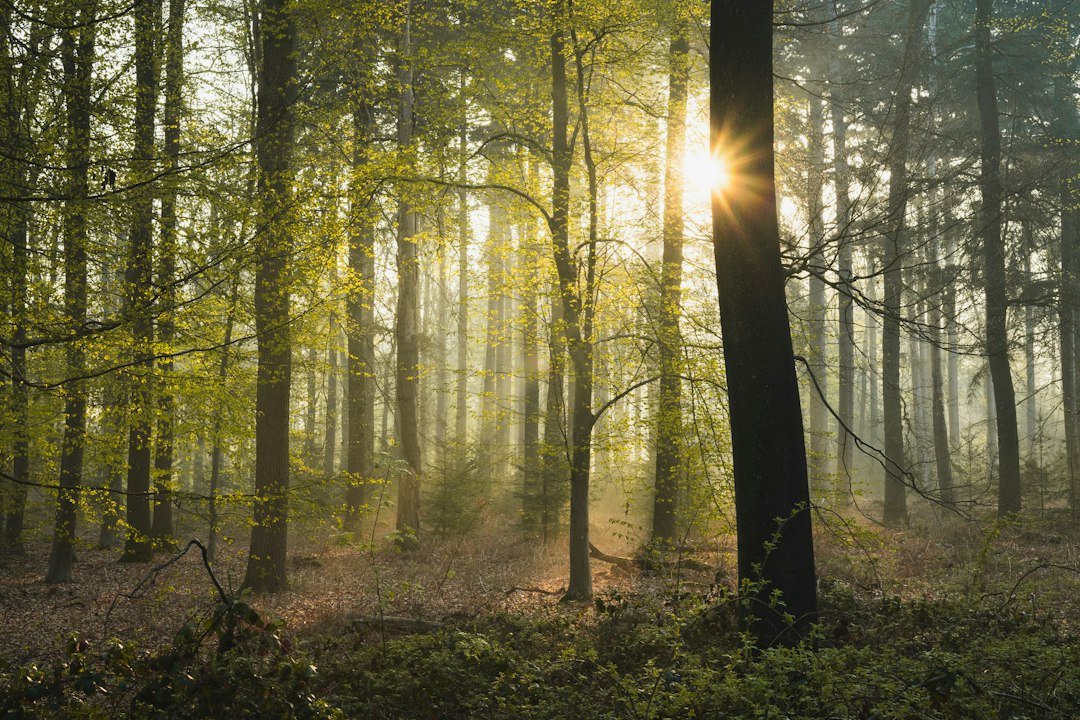
Beneath every forest floor, invisible to the naked eye, there is a network of extraordinary complexity. It connects trees to each other, carries nutrients across hundreds of meters, and allows a dying tree to send a final gift to its neighbors. Scientists call it the mycorrhizal network. Most of us call it the Wood Wide Web.
To fully understand this hidden world, listen to the Radiolab episode that brought it to millions of people: From Tree to Shining Tree — a beautiful piece of science journalism that follows the researchers who uncovered these connections. It is free to listen to online and well worth the time.
What Is a Mycorrhizal Network?
Fungi are not plants or animals — they belong to their own kingdom entirely. The parts of fungi we usually see, like mushrooms, are just the fruiting bodies — the equivalent of an apple on a tree. The bulk of the fungus lives underground as a vast web of thin threads called hyphae. Billions of these threads, bundled together, form mycelium.
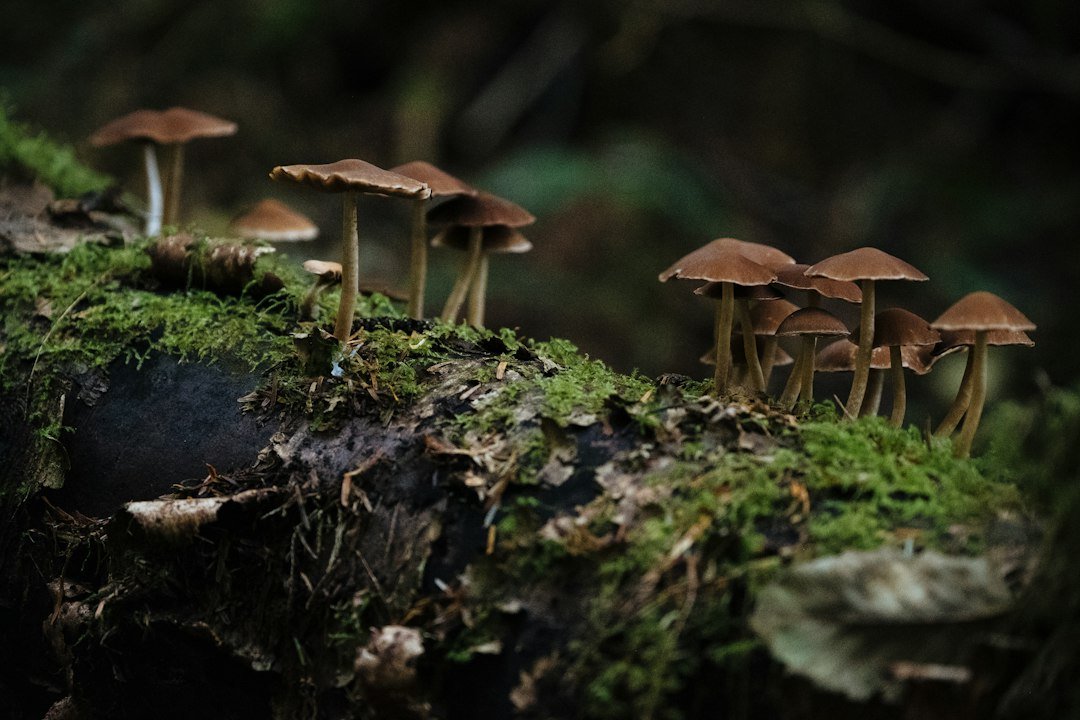
Mycelium is extraordinarily fine. A teaspoon of healthy forest soil can contain more than eight miles of fungal threads. These threads weave through soil, through dead wood, and most importantly — into the roots of living trees. The connection between tree roots and fungi is called mycorrhiza, from the Greek words for fungus and root.
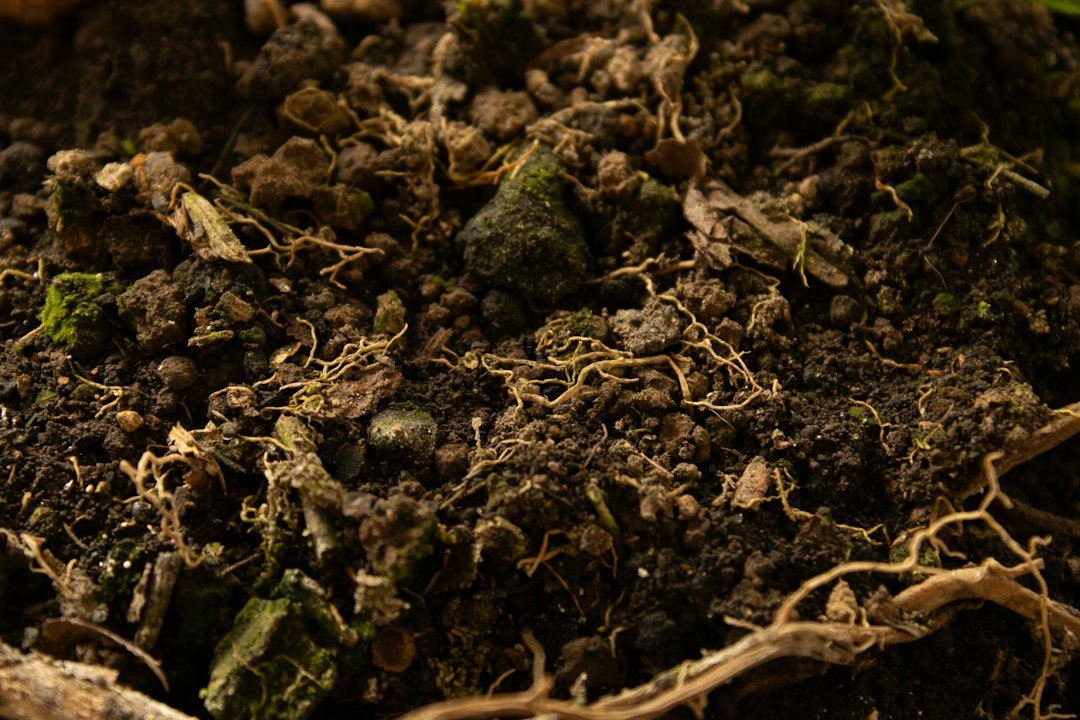
The relationship is a trade. The tree produces sugar through photosynthesis — far more than it can use — and passes some of that sugar to the fungus through its roots. In return, the fungus dramatically extends the tree’s reach. Where tree roots might stretch a few meters, the fungal network can extend hundreds of meters in every direction, pulling in water, phosphorus, nitrogen, and other minerals that the tree cannot find on its own.
Suzanne Simard and the Radioactive Trees
The scientist most responsible for bringing the Wood Wide Web to public attention is Suzanne Simard, a Canadian forest ecologist whose story begins in the old-growth forests of British Columbia. Simard grew up around loggers and spent her childhood watching the forests be cut and replanted. But when the replanted trees kept dying, she started asking questions nobody had asked before.
In the 1990s, Simard designed an experiment that would change the science of forests forever. She took birch trees and Douglas firs growing together in a clearing, covered them with bags containing radioactive carbon dioxide, and waited. The trees breathed in the gas and used it to build sugars — tagged with a radioactive marker she could track.
What she found astonished her. Carbon moved from the birch trees into the Douglas firs through the underground network. One Douglas fir she measured was connected — through the fungal web — to 47 other trees. It was not just connected to its own species. It was sharing carbon with birch, fir, and cedar across the entire clearing.
A Forest That Acts Like a Bank
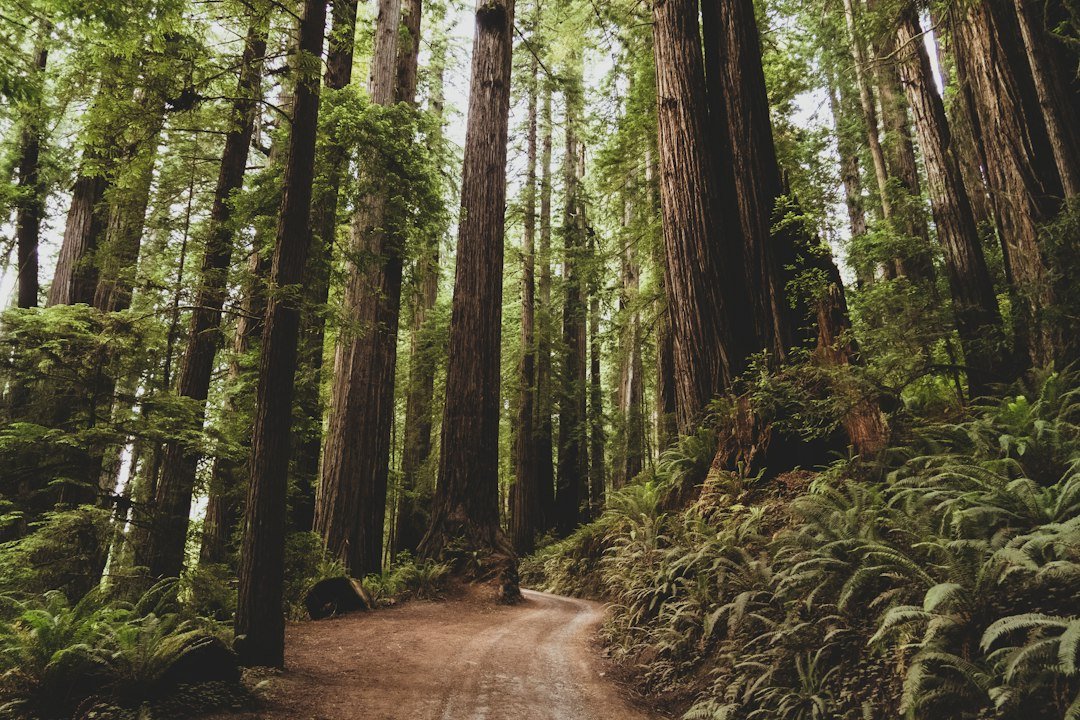
Simard found that the network doesn’t just connect trees randomly — it functions more like a bank, or a family. Large, old trees — she calls them Mother Trees — are the most connected nodes in the network. They have been in the forest for decades or centuries, building massive root systems and deep fungal connections.
Mother Trees actively subsidize the seedlings growing in their shade. Young trees in deep shadow cannot photosynthesize enough to survive on their own, so the Mother Tree passes carbon down through the network to keep them alive. Studies have shown that seedlings growing near a Mother Tree survive at significantly higher rates than seedlings growing alone.
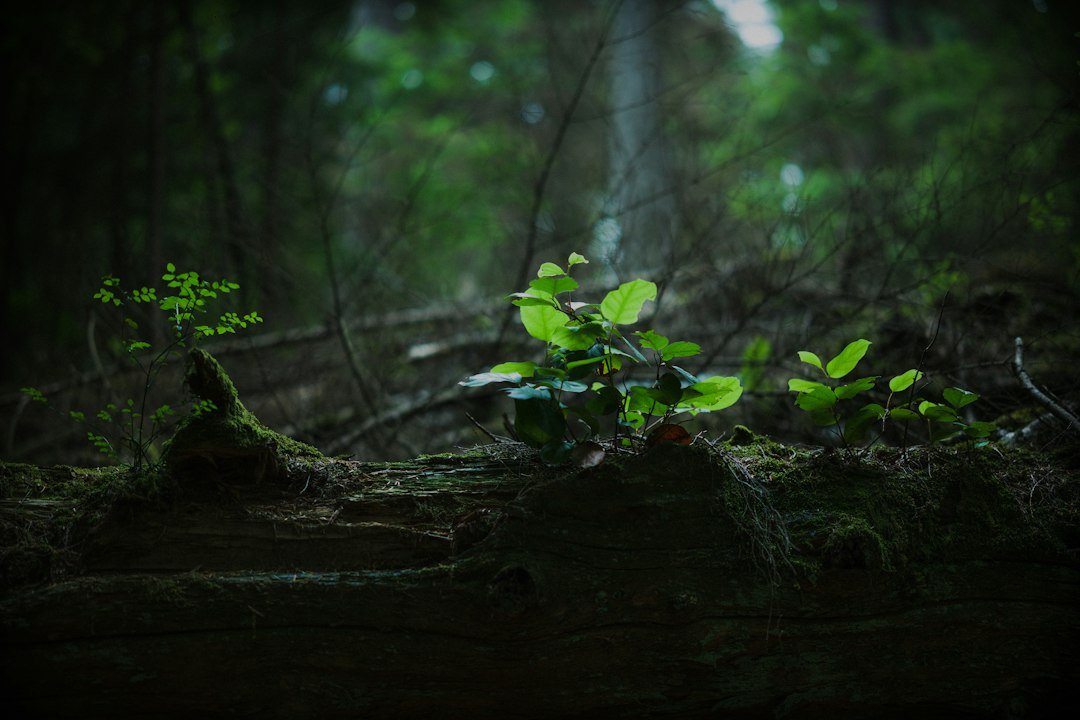
When a Mother Tree is dying — perhaps from disease, drought, or logging — it doesn’t hoard its resources. Instead, it floods the network with carbon, passing its accumulated wealth to the trees around it, particularly to its own seedlings. It is, in a very real sense, leaving an inheritance.
Warning Signals Across the Forest
The network carries more than nutrients. When a tree is attacked by insects or disease, it releases chemical warning signals that travel through the fungal web to neighboring trees. Those trees, receiving the signal, begin producing their own defensive chemicals — before the attacker has even reached them.
Simard describes this in the Radiolab episode as being like a Paul Revere warning ride — one tree sounds the alarm, and the message spreads through the network. Trees that are warned have time to prepare their defenses and survive attacks that would otherwise kill them.
Salmon, Fungi, and Nitrogen from the Sea
One of the most extraordinary findings from forest research is the connection between ocean fish and inland trees. In Pacific Northwest forests, salmon swim upstream from the ocean to spawn and die. Bears, eagles, and wolves drag salmon carcasses into the forest, where they decompose. The nitrogen from those fish bodies enters the soil, is picked up by the fungal network, and delivered to trees miles from the river.
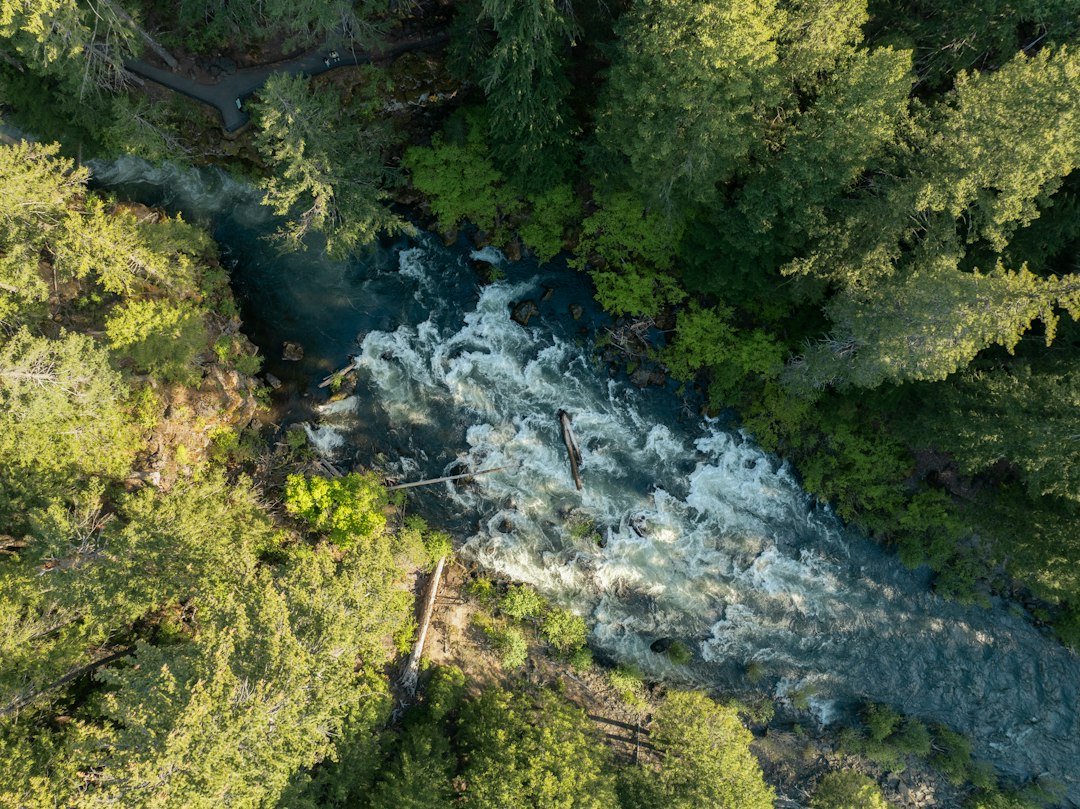
Scientists have measured nitrogen from marine sources in trees growing far from any river — with the fungal network as the delivery system. The ocean, the fish, the bears, the fungi, and the trees are all part of a single interconnected system. The boundaries we draw between ecosystems, it turns out, are mostly in our own minds.
Fungi Beyond the Forest
Mycorrhizal networks are not unique to forests. They exist beneath grasslands, deserts, and even urban parks. Scientists estimate that approximately 90% of all land plants form some kind of relationship with mycorrhizal fungi. The fungi, in turn, play a critical role in the global carbon cycle — locking carbon in the soil and preventing it from entering the atmosphere as CO₂.
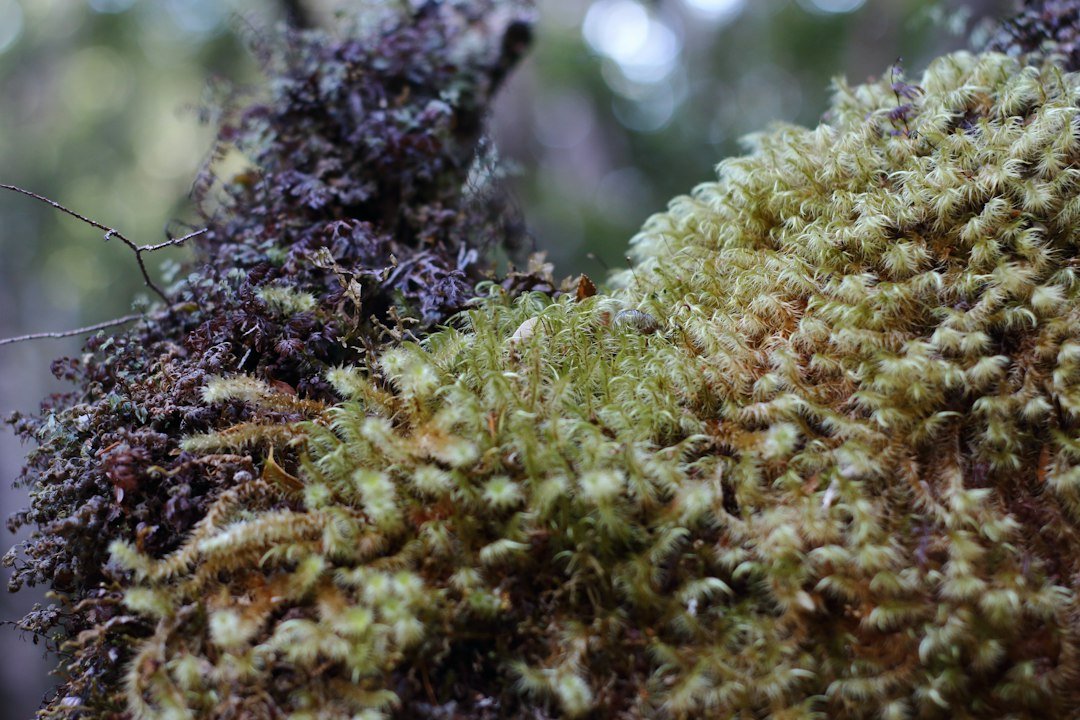
Molds, mushrooms, yeasts, and their relatives also play essential roles above ground — decomposing dead matter, cycling nutrients, producing antibiotics (penicillin comes from a mold), and even fermenting our bread and beer. The kingdom Fungi, often overlooked, is arguably one of the most important groups of organisms on Earth.
What Happens When We Cut It Down?
Industrial forestry typically replants trees in neat rows after clear-cutting. But those new seedlings are planted alone, in disturbed soil, without the fungal networks that took centuries to develop. This is one reason why replanted forests grow so slowly and suffer far higher mortality rates than old-growth forests.
Simard’s research has influenced forestry policy in Canada. Rather than removing all old trees when logging, some areas now leave the largest, most connected Mother Trees standing — not for their timber, but for the underground network they anchor. The forest, it turns out, needs its elders.
Key Vocabulary for ESL Students
This article uses several specialized science terms. Review these definitions before reading, or use them as a vocabulary-matching exercise after.
- Mycorrhizal network: an underground web formed when fungi connect to the roots of many trees at once.
- Hyphae: the thin, thread-like filaments that make up the body of a fungus.
- Mycelium: a large mass of hyphae bundled together, usually hidden underground or inside wood.
- Mycorrhiza: the specific connection point where fungal threads meet and merge with a plant’s roots.
- Fruiting body: the visible, above-ground part of a fungus — what most people simply call a mushroom.
- Mother Tree: a large, old, heavily connected tree that supports younger trees through the fungal network.
- Old-growth forest: a forest that has never been logged and contains very old trees and undisturbed soil.
- Photosynthesis: the process plants use to turn sunlight into sugar for energy.
- Carbon: an element found in sugar that trees produce and sometimes share with each other through fungi.
- Ecosystem: a community of living things — plants, animals, and fungi — interacting with their environment.
Classroom Discussion Questions
- Does learning that trees share resources change how you think about forests and nature?
- How is the mycorrhizal network similar to and different from the internet?
- Why do you think scientists overlooked these underground networks for so long?
- What does the idea of a “Mother Tree” make you feel? Is it surprising that this behavior exists in plants?
- How might this knowledge change the way forests are managed in the future?
Listen and Learn More
Radiolab — From Tree to Shining Tree: radiolab.org/podcast/from-tree-to-shining-tree
Recommended Reading: Suzanne Simard, Finding the Mother Tree (2021) | Merlin Sheldrake, Entangled Life (2020) | Peter Wohlleben, The Hidden Life of Trees (2016)







 CS
CS  EN
EN  ZH
ZH  ZH_CN
ZH_CN  KO
KO  VI
VI  FR
FR  AR
AR  ES
ES  HI
HI  PT
PT  BN
BN  RU
RU  JA
JA  TR
TR  DE
DE  IT
IT  PL
PL  ID
ID  TH
TH  FA
FA  UK
UK  TL
TL  HE
HE  UR
UR  SW
SW  RO
RO  NL
NL  MS
MS  TA
TA  PS
PS  HU
HU  EL
EL  SV
SV  NB
NB  NN
NN  DA
DA  SR
SR  AM
AM