

ESL Speaking Activities | 14 Proven Ways to Get Students Talking
Getting ESL students to speak English in class can feel like pulling teeth. You ask a question. Silence. You try again. More silence. Maybe one brave student mumbles a short answer while everyone else stares at their desk.
Sound familiar? You are not alone. Speaking is the skill most ESL students say they want to improve, yet it is also the skill they practice the least. Fear of making mistakes, limited vocabulary, and shyness all get in the way. That is why teachers need a toolbox full of engaging ESL speaking activities that lower the pressure and raise the fun.
This guide shares 14 classroom-tested speaking activities you can use with students of all ages and levels. Each one is easy to set up, needs little or no materials, and actually gets students talking. Whether you teach kids, teens, or adults, you will find something here that works for your classroom.
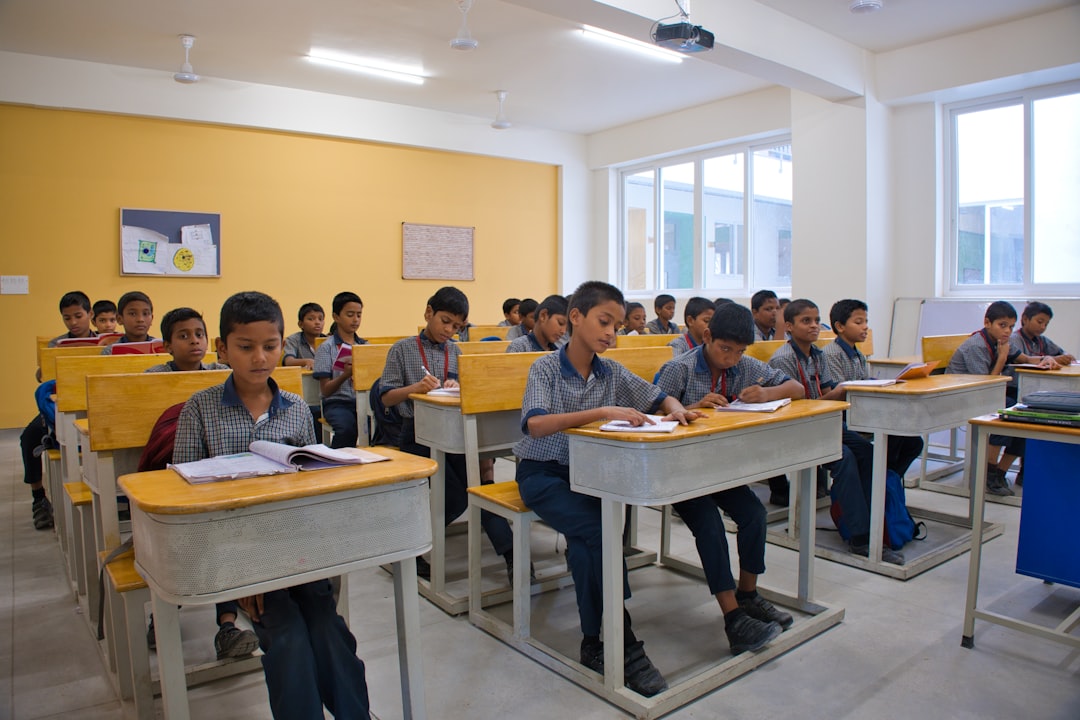
Why Speaking Practice Matters So Much
Before we jump into the activities, let’s talk about why speaking deserves more class time. Research from the Center for Applied Linguistics shows that students who get regular speaking practice build fluency faster, retain vocabulary longer, and gain confidence that carries over into real-life communication.
Think about how children learn their first language. They don’t start by reading grammar textbooks. They start by talking — making mistakes, getting feedback, and trying again. Your ESL classroom should mirror that natural process as much as possible.
The biggest barrier to speaking is anxiety. When students feel safe and the activity feels more like a game than a test, they open up. Every activity below is designed with that idea in mind. If you have been working on estrategias de gestión del aula, these speaking activities pair well with those systems because they keep students engaged and on task.
1. Think-Pair-Share
This is the bread and butter of ESL speaking. Give students a question or topic. They think about it alone for 30 seconds, discuss it with a partner for two minutes, then share their ideas with the whole class.
Why it works: Students who freeze in front of the whole class will happily talk to one partner. The “think” step gives them time to prepare, which cuts down on awkward silence. The “share” step lets you hear what students came up with without putting anyone on the spot.
Try this: Use it as a warm-up with simple questions like “What did you do last weekend?” or as a deeper activity with questions like “Should schools ban homework? Why or why not?”
2. Information Gap Activities
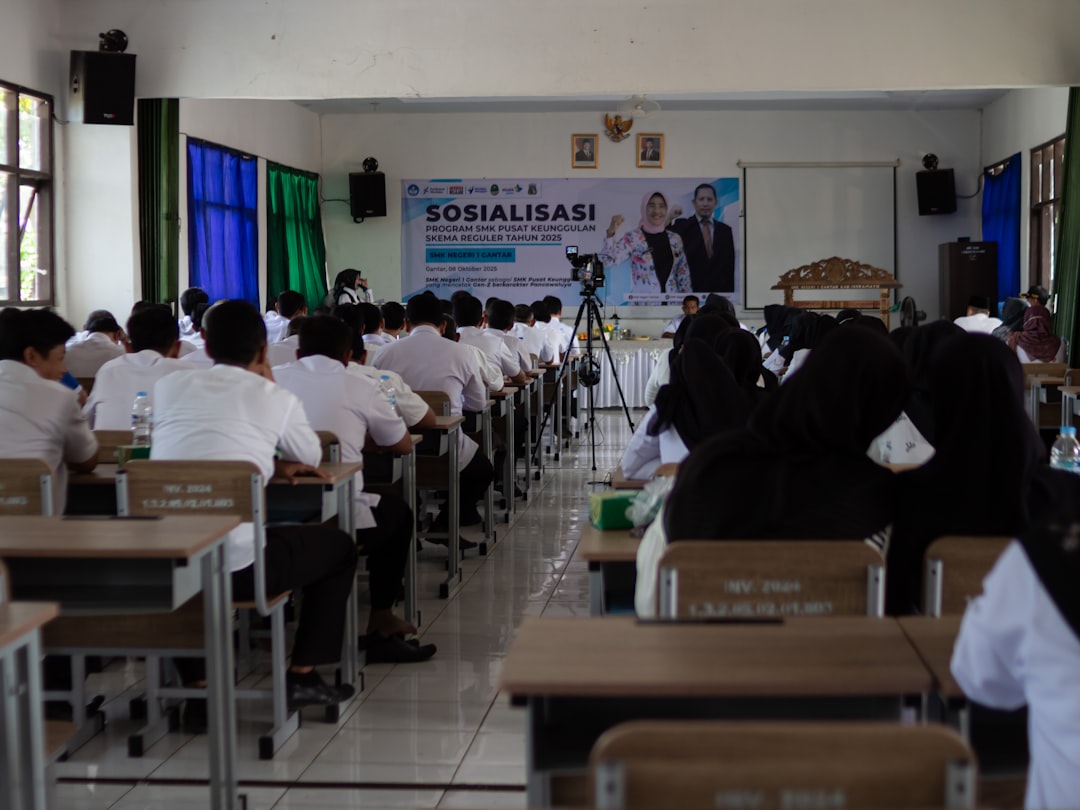
In an information gap activity, two students each have different pieces of information. They must talk to each other to fill in the missing parts. For example, Student A has a schedule with some times missing, and Student B has those missing times but is missing others.
Why it works: There is a real reason to communicate. Students cannot complete the task without talking, which makes the speaking feel purposeful rather than forced. The Asociación Internacional TESOL highlights information gap tasks as one of the most effective communicative activities for language learners.
Try this: Create two versions of a map — one with street names and one without. Students describe directions to help their partner label the blank streets.
3. Role Plays and Simulations
Give students a scenario and assign roles. At a restaurant, one student is the waiter and the other is a customer. At a doctor’s office, one is the patient and the other is the doctor. Students act out the conversation using target language.
Why it works: Role plays let students practice real-world language in a safe space. They are “pretending” to be someone else, which takes the pressure off. Students who are too shy to speak as themselves will happily perform as a character.
Try this: For higher levels, try simulations where students must negotiate. One student wants to return a broken product, and the other is a store manager who does not want to give a refund. Watch the language fly!
4. Picture Describe and Draw
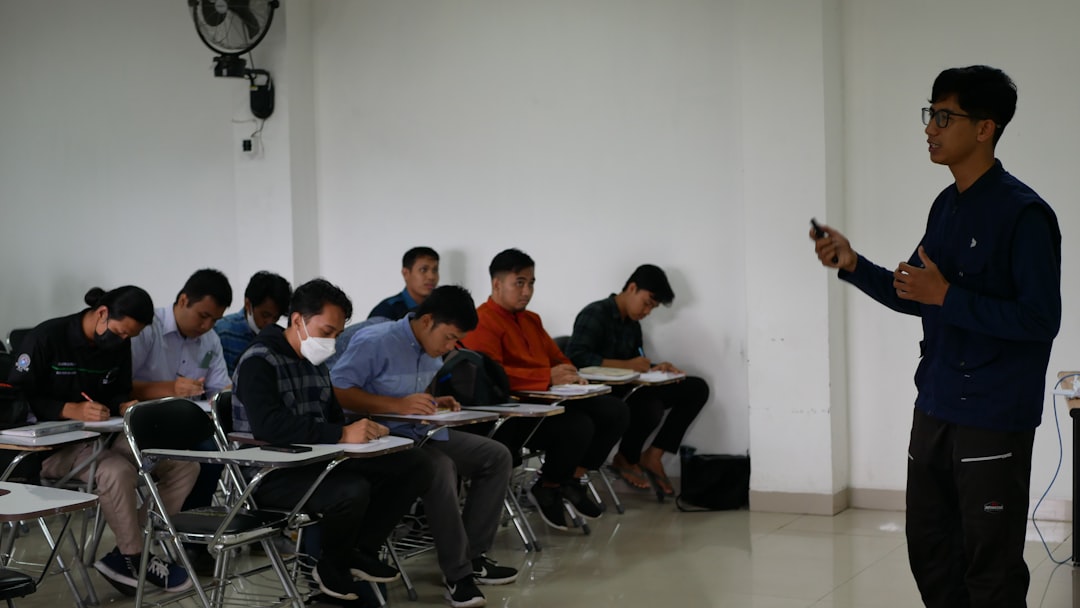
One student has a picture. Their partner cannot see it. The student with the picture describes it in detail while the partner tries to draw it based only on the description. When they finish, they compare the original picture with the drawing.
Why it works: Students must use precise language — prepositions, adjectives, sizes, and positions. The drawing adds a fun, low-stakes element. Students laugh at the results, which makes the classroom feel warm and safe.
Try this: Start with simple shapes and objects for beginners. For intermediate and advanced students, use complex scenes with multiple elements.
5. Speed Dating Conversations
Set up two rows of chairs facing each other. Give students a question or topic. They talk with the person across from them for two minutes. When the timer rings, one row slides down one seat, and they get a new partner with a new question.
Why it works: Students practice the same structures with many different partners, which builds fluency through repetition. The short time limit keeps the energy high and prevents students from running out of things to say. This activity connects well with building listening skills since students must actively listen to respond.
Try this: Use it to practice question forms. Write different questions on cards (one per pair), and students swap cards each round.

6. Storytelling Chain
Students sit in a circle. The first student starts a story with one or two sentences. The next student continues, adding their own sentences. The story goes around the circle, getting wilder and more creative with each turn.
Why it works: Storytelling chains are fun and unpredictable. Students must listen carefully to what came before (great for listening practice) and think quickly to continue the story (great for fluency). Even quiet students get drawn in when the story takes a funny turn.
Try this: Give a genre to guide the story — mystery, romance, horror, or comedy. Or provide three random words that must appear in the story.
7. Debate Lite
Full-on debates can terrify ESL students. “Debate Lite” keeps the format but lowers the stakes. Give students a fun, low-pressure topic like “Pizza is better than pasta” or “Dogs make better pets than cats.” Put them in small groups of three or four, assign sides, and give them five minutes to prepare their arguments.
Why it works: Students practice giving opinions, agreeing, disagreeing, and supporting their ideas with reasons. The silly topics keep things light so students focus on language rather than content anxiety. According to research published by Edutopia, structured debate activities help learners develop critical thinking alongside language skills.
Try this: After the debate, have the groups switch sides and argue the opposite position. This forces students to see both perspectives and doubles their speaking time.

8. Two Truths and a Lie
Each student writes down three statements about themselves — two true and one false. They read them aloud, and the class or group must guess which one is the lie. Students can ask follow-up questions to try to catch the liar.
Why it works: This is a classic icebreaker that works at every level. Students practice past tense, present tense, and question forms all at once. The personal element makes it interesting because everyone wants to know more about their classmates.
Try this: For higher levels, require each statement to use a specific grammar structure you have been studying, like present perfect (“I have visited 12 countries”).
9. Jigsaw Reading and Speaking
Divide a text into sections. Give each student in a group a different section to read. Students then take turns explaining their section to the group. Nobody reads the whole text — they must rely on their groupmates to get the full picture.
Why it works: Jigsaw activities combine reading, speaking, and listening in one task. Each student is the “expert” on their section, which gives them confidence and a clear reason to speak. This works especially well alongside reading comprehension strategies you may already be teaching.
Try this: Use a news article or short story. After all sections are shared, give the group comprehension questions that require information from every section.
10. Would You Rather?
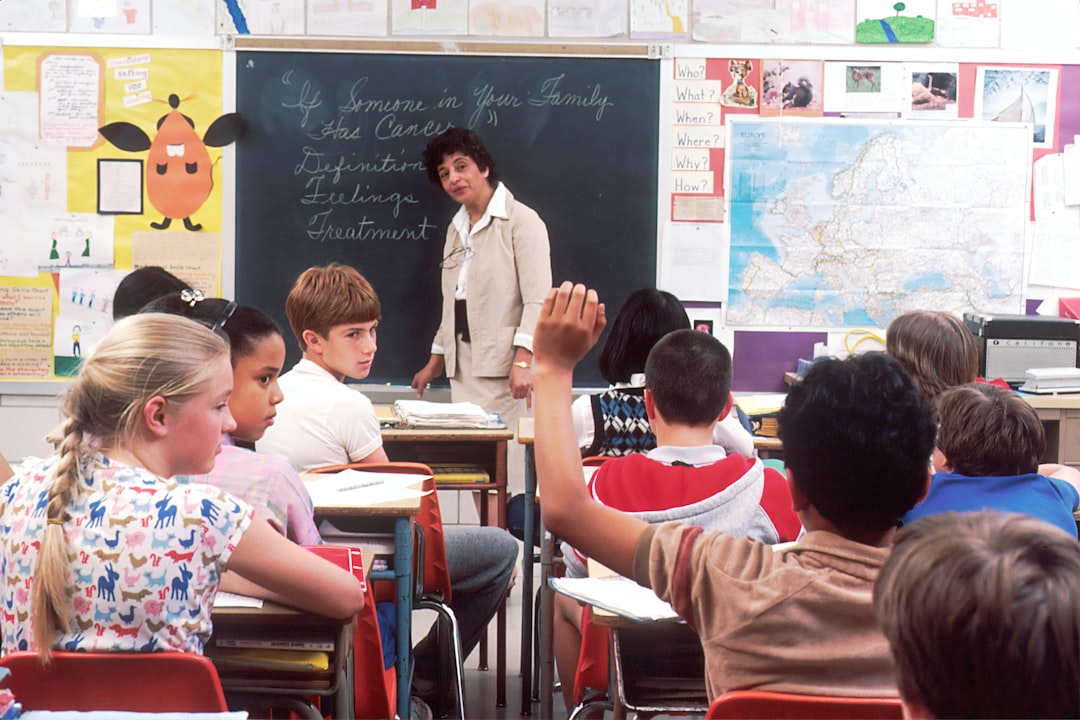
Ask students “Would you rather…” questions and have them explain their choice. Would you rather live on a mountain or by the ocean? Would you rather be able to fly or be invisible? Students discuss in pairs or small groups and must give at least two reasons for their answer.
Why it works: Every student has an opinion, so nobody can hide. The questions are fun and hypothetical, which removes the stress of talking about real-life topics. Students practice conditionals, comparatives, and giving reasons without realizing they are doing grammar.
Try this: Let students write their own “Would you rather” questions, then trade with another pair. This adds a writing element and gives students ownership over the activity.
11. Find Someone Who
Create a worksheet with statements like “Find someone who has been to Japan,” “Find someone who can play guitar,” or “Find someone who ate breakfast today.” Students walk around the room asking classmates questions to find people who match each statement.
Why it works: Students must form questions correctly to play the game. They talk to many different classmates, not just their usual partner. The movement around the room adds energy and keeps the activity from feeling like a worksheet exercise.
Try this: Add a rule that students must ask one follow-up question before moving on. This prevents the activity from becoming a simple yes/no survey and pushes students toward real conversation.
12. Expert Interviews
Assign each student a topic they must become an “expert” on. Give them five minutes to prepare. Then pair them up. One student interviews the expert, asking questions about the topic. After three minutes, they switch roles.
Why it works: The preparation time gives students confidence. Being labeled an “expert” makes even shy students feel they have something worth saying. The interview format practices both asking and answering questions.
Try this: Assign fun or unusual topics — “expert on pizza toppings,” “expert on sleeping,” or “expert on being late to class.” The humor gets students talking more freely.

13. Sentence Starters
Write the beginning of a sentence on the board and have students complete it, then discuss. Examples: “The best thing about learning English is…” or “If I could travel anywhere tomorrow, I would go to…” or “One thing most people don’t know about me is…”
Why it works: Sentence starters remove the hardest part of speaking — getting started. Once students have the first few words, the rest flows more naturally. You can target specific grammar points by choosing your starters carefully.
Try this: Give students three different starters and let them choose which one to respond to. Choice increases motivation and helps students pick topics they can actually talk about.
14. Show and Tell (Yes, for Adults Too)
Ask students to bring in or take a photo of an object that is important to them. They present it to the class or a small group, explaining what it is, where they got it, and why it matters. The audience asks at least two questions.
Why it works: People love talking about things they care about. When the topic is personal and chosen by the student, speaking feels natural rather than forced. Adult students respond to this activity just as well as young learners — everyone has a story to tell.
Try this: For a twist, have students present someone else’s object. They interview a classmate about their object first, then present it to the class. This adds listening, note-taking, and speaking all in one activity.
Watch: Speaking Activities in Action
Want to see some of these ideas demonstrated? This video walks through several ESL speaking activities you can try in your next class:
Tips for Making Any Speaking Activity Work Better
No matter which activities you choose, these tips will help you get more out of every speaking lesson:
Set a time limit. Open-ended activities often fizzle out. A two-minute timer creates urgency and keeps students focused. When they know the clock is ticking, they speak instead of sitting in silence.
Model the activity first. Do a quick demo with a confident student before turning everyone loose. When students see what success looks like, they feel more comfortable trying it themselves.
Delay error correction. Nothing kills a conversation faster than stopping students mid-sentence to fix grammar. Take notes on common errors and address them after the activity. Let students focus on communication during speaking time.
Use pair work before group work. Talking to one person is less scary than talking to five. Start with pairs, then combine into groups of four if you want to scale up.
Change partners regularly. Students get comfortable with one partner and then use their shared language (or first language) as a crutch. Rotating partners keeps things fresh and exposes students to different accents and speaking styles.
Give preparation time. Even 60 seconds of think time before speaking makes a huge difference. Students who have time to organize their thoughts speak with more confidence and complexity. The Colorín Colorado notes that planning time significantly improves both fluency and accuracy in second language production.
Celebrate effort over accuracy. If a student who never speaks voluntarily shares an idea, that is a win — even if the grammar is imperfect. Build a classroom culture where trying is valued more than being perfect.
Matching Activities to Student Levels
Not every activity works for every level. Here is a quick guide to help you choose:
Beginners: Think-Pair-Share, Find Someone Who, Two Truths and a Lie, Sentence Starters. These activities provide structure and scaffolding that beginners need.
Intermediate: Information Gap, Picture Describe and Draw, Would You Rather, Speed Dating Conversations. These activities require more language but still offer support through the task design.
Advanced: Debate Lite, Role Plays, Expert Interviews, Jigsaw Reading. These activities push students toward longer, more complex speech and require them to think critically while speaking.
Of course, you can adapt any activity up or down. A simple role play works for beginners, and a complex information gap can challenge advanced students. The key is matching the language demands of the task to what your students can handle with a little stretch. If you are working with mixed-level classes, check out our guide to differentiated instruction for mixed-ability ESL classes for more strategies.
Start Small and Build Up
You don’t need to overhaul your entire lesson plan. Pick one or two activities from this list and try them this week. Watch how your students respond. Notice which activities bring out the quiet students. Pay attention to which ones generate the most language.
Speaking takes practice — for your students and for you as the teacher running these activities. The first time you try a new activity, it might feel clunky. That’s normal. The second time will go smoother, and by the third time, you’ll wonder how you ever taught without it.
Your students want to speak. They really do. They just need the right activity, the right partner, and a teacher who creates a space where making mistakes is part of the process. These 14 activities will help you build that space, one conversation at a time.





 ES
ES  EN
EN  ZH
ZH  ZH_CN
ZH_CN  KO
KO  VI
VI  FR
FR  AR
AR  HI
HI  PT
PT  BN
BN  RU
RU  JA
JA  TR
TR  DE
DE  IT
IT  PL
PL  ID
ID  TH
TH  FA
FA  UK
UK  TL
TL  HE
HE  UR
UR  SW
SW  RO
RO  NL
NL  MS
MS  TA
TA  PS
PS  HU
HU  EL
EL  SV
SV  NB
NB  NN
NN  DA
DA  CS
CS  SR
SR  AM
AM