
باغها و گیاهان خانگی - برگه تمرین پیشرفته ESL
دانشآموزان پیشرفته ESL خود را با این برگه تمرین جامع در مورد باغهای خانگی و کشاورزی پایدار به چالش بکشید. این منبع که برای دانشآموزانی که آماده واژگان و مفاهیم پیچیده هستند، ایدهآل است، مهارتهای انگلیسی آکادمیک را از طریق یک موضوع زیستمحیطی جذاب و مرتبط با زندگی روزمره توسعه میدهد.
آنچه دانشآموزان میآموزند
این برگه تمرین ESL سطح پیشرفته در مورد باغهای خانگی و کشاورزی پایدار به دانشآموزان کمک میکند تا مهارتهای پیشرفته زبان انگلیسی را توسعه دهند و در عین حال مفاهیم مهم زیستمحیطی را بررسی کنند:
- واژگان پیشرفته کشاورزی و زیستمحیطی در متون معتبر
- اصول اکوسیستم و روشهای کشت پایدار به زبان انگلیسی توضیح داده شده است
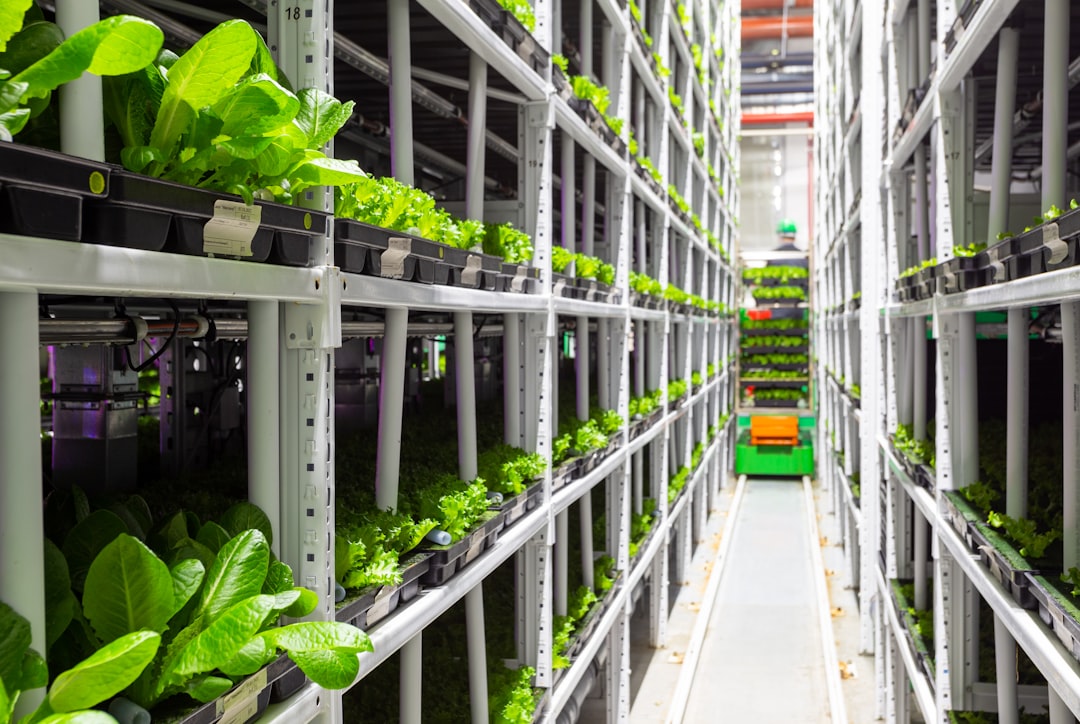
- تکنیکهای مدرن مانند هیدروپونیک و باغبانی عمودی با واژگان فنی دقیق
- مزایای گستردهتر کشاورزی خانگی فراتر از تولید مواد غذایی
- مهارتهای تحلیل انتقادی: مقایسه، مقابله و ارزیابی رویکردهای کشاورزی
- ساختارهای نوشتاری آکادمیک برای پاراگرافها و مقالات تحلیلی
واژگان کلیدی
دانشآموزان ده اصطلاح پیشرفته ضروری برای بحث در مورد کشاورزی و علوم زیستمحیطی به زبان انگلیسی آکادمیک را فرا میگیرند:
| کلمه | تعریف | جمله مثال |
|---|---|---|
| کشاورزی | علم و عمل کشاورزی | کشاورزی شهری در حال تغییر رویکرد شهرها به امنیت غذایی است. |
| تجدید حیات | افزایش یا احیای جدید چیزی | علاقه به باغهای سبزیجات خانگی دوباره افزایش یافته است. |
| کشت | آماده سازی و استفاده از زمین برای کشت محصولات کشاورزی | کشت سبزیجات معطر نیاز به دانش تخصصی دارد. |
| اکوسیستم | سیستمی از موجودات زنده و محیط زیست که با هم در تعامل هستند | یک باغ سالم از یک اکوسیستم پیچیده از حشرات مفید پشتیبانی میکند. |
| تنوع زیستی | تنوع حیات در یک زیستگاه یا اکوسیستم | کاشت گونههای متنوع، تنوع زیستی و تابآوری باغ را افزایش میدهد. |
| حبوبات | گیاهان غنی از پروتئین که نیتروژن را در خاک تثبیت میکنند | کشاورزان برای بازیابی طبیعی سطح نیتروژن، حبوبات میکارند. |
| میکروارگانیسمها | موجودات زنده میکروسکوپی در خاک و آب | میکروارگانیسمهای مفید موجود در کمپوست، ساختار خاک را بهبود میبخشند. |
| هیدروپونیک | پرورش گیاهان در آب بدون خاک | کشت هیدروپونیک امکان کشت در تمام طول سال را در فضاهای کوچک فراهم میکند. |
| باغبانی عمودی | رشد گیاهان به سمت بالا روی سازهها | باغبانی عمودی فضای کشت را در آپارتمانهای شهری به حداکثر میرساند. |
| نیتروژن | عنصر شیمیایی ضروری برای رشد گیاه | گیاهان برای ایجاد برگهای سبز سالم به نیتروژن کافی نیاز دارند. |
قبل از شروع تماشا کنید
این درس ویدیویی جذاب درباره واژگان باغبانی خانگی را تماشا کنید تا این اصطلاحات پیشرفته را که به طور طبیعی استفاده میشوند، بشنوید. به تلفظ و اینکه چگونه متن به روشن شدن معنی کمک میکند، توجه کنید:
فعالیتهای گنجانده شده
این برگه تمرین پیشرفته ESL حول پنج نوع فعالیت چالش برانگیز تدریجی ساختار یافته است:
فعالیت ۱: تطبیق واژگان و خواندن متن
دانشآموزان یک متن طولانی در مورد تجدید حیات جهانی باغبانی خانگی میخوانند و کلمات را با تعاریف خود مطابقت میدهند. این متن از سبک آکادمیک استفاده میکند و شامل هر ده اصطلاح کلیدی در زمینههای طبیعی است و به دانشآموزان امکان میدهد تا به طور واقعی با نحوه عملکرد این کلمات در نوشتههای زیستمحیطی آشنا شوند.
فعالیت ۲: سوالات درک مطلب
شش سوال درک مطلب، دانشآموزان را ملزم به نشان دادن درکی فراتر از یادآوری سطحی میکند. انواع سوالات عبارتند از:
- سوالات یادآوری واقعی برای بررسی درک اولیه
- سوالات استنتاجی که دانشآموزان را ملزم به خواندن مطالب بین خطوط میکند
- سوالات واژگان در متن که معنی کلمه را از متن اطراف بررسی میکنند
- سوالات مربوط به عقاید و توجیهات، تفکر انتقادی را تشویق میکنند
فعالیت ۳: پر کردن جاهای خالی با بانک کلمات
یک تمرین پر کردن جای خالی در سطح پیشرفته، شش جمله در مورد باغبانی و موضوعات زیستمحیطی به دانشآموزان ارائه میدهد. دانشآموزان کلمه صحیح را از یک بانک واژگان ارائه شده انتخاب میکنند و درک خود را از ظرافتهای معنایی و انتخاب کلمه مناسب در متن نشان میدهند.
فعالیت ۴: سوالات بحث
سه سوال برای بحث آزاد، دانشآموزان را به تفکر انتقادی و بیان نظرات با استفاده از واژگان پیشرفته سوق میدهد:
- «باغهای خانگی چگونه میتوانند به حل چالشهای امنیت غذایی شهری کمک کنند؟ از شواهد برای پشتیبانی از استدلال خود استفاده کنید.»
- «مزایای زیستمحیطی باغبانی سنتی خاکی را با هیدروپونیک مدرن مقایسه کنید. کدام رویکرد پایدارتر است؟»
- «نقش تنوع زیستی را در ایجاد اکوسیستمهای باغی مقاوم مورد بحث قرار دهید. چرا اجتناب از کاشت تککشتی مهم است؟»
فعالیت ۵: تکلیف نوشتاری تحلیلی
این برگه کار با یک تکلیف نوشتاری ساختاریافته به پایان میرسد: دانشآموزان یک پاراگراف تحلیلی ۲۰۰ تا ۲۵۰ کلمهای در پاسخ به سوالی در مورد کشاورزی پایدار مینویسند. معیارهای ارزیابی شامل استفاده از واژگان (حداقل ۶ اصطلاح از برگه کار)، ساختار پاراگراف، وضوح استدلال و دقت زبان است.
راهنمای اجرای کلاس درس
این برگه تمرین به طور یکپارچه با واحدهای ESL مبتنی بر موضوع در مورد محیط زیست، علم و پایداری ادغام میشود. پیادهسازی توصیه شده:
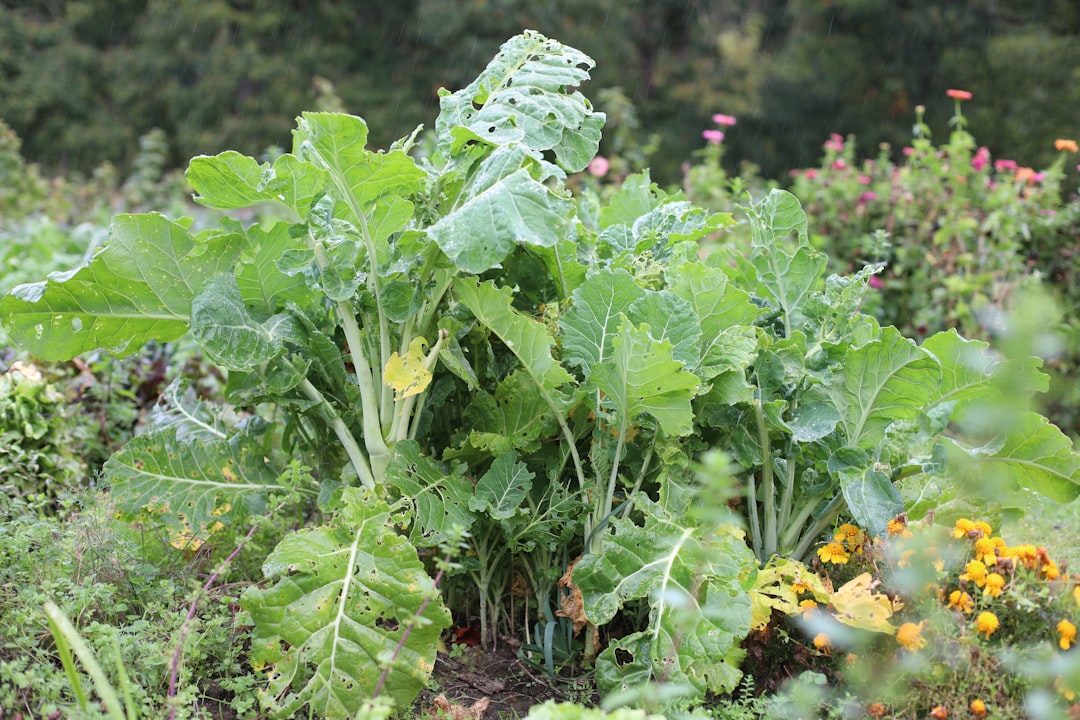
- گرم کردن (۱۰ دقیقه): تصاویری از انواع مختلف باغ را نشان دهید؛ دانشآموزان در مورد واژگانی که میشناسند، ایدهپردازی کنند.
- معرفی واژگان (۱۵ دقیقه): با استفاده از جدول واژگان، اصطلاحات کلیدی را از قبل آموزش دهید
- مطالعه و فعالیتها (۳۰ دقیقه): دانشآموزان فعالیتهای ۱ تا ۳ را به صورت مستقل یا دو نفره انجام میدهند.
- بحث (۱۵ دقیقه): بحثهای گروهی کوچک با استفاده از دستورالعملهای فعالیت ۴
- وظیفه نوشتاری (۲۰ تا ۳۰ دقیقه): نوشتن مستقل؛ میتواند به عنوان تکلیف منزل انجام شود
مشخصات
سطح: پیشرفته (CEFR B2-C1) | سطح خواندن: پایه ششم تا هشتم | قالب: برگه تمرین PDF سه صفحهای به همراه پاسخنامه
همسوسازی برنامه درسی: استانداردهای پیشرفته زبان انگلیسی وزارت آموزش و پرورش تایوان | زمان مورد نیاز: ۶۰ تا ۹۰ دقیقه درس کامل
دانلود پی دی اف: برگه تمرین پیشرفته ESL باغبانی خانگی (PDF)
درباره طاهریک تیچز
Tahric Teaches کاربرگهای ESL، طرح درسها و منابع آموزشی با کیفیت بالا را برای مربیان زبان انگلیسی ارائه میدهد. مطالب ما برای بافت آموزشی تایوان طراحی شدهاند، مطابق با استانداردهای MOE هستند و در قالبهای دیجیتال و قابل چاپ موجود میباشند. مجموعه کامل منابع گرامر، واژگان و منابع مبتنی بر مهارت ما را برای همه سطوح مرور کنید.
چرا باغهای خانگی یک موضوع عالی برای آموزش زبان انگلیسی به عنوان زبان دوم (ESL) هستند؟
انتخاب موضوع مناسب برای آموزش پیشرفته ESL بسیار مهم است. باغچههای خانگی و کشاورزی پایدار تمام معیارهای لازم برای آموزش مؤثر زبان مبتنی بر موضوع را دارند: موضوع به اندازه کافی ملموس است که از یادگیری بصری پشتیبانی کند، از نظر آکادمیک به اندازه کافی غنی است که واژگان رسمی انگلیسی را بسازد و به اندازه کافی مرتبط با جهان است که با ارزشها و تجربیات دانشآموزان ارتباط برقرار کند.
در بافت آموزشی تایوان، آگاهی زیستمحیطی و پایداری به طور فزایندهای در چارچوبهای برنامه درسی در تمام سطوح، جایگاه محوری دارند. دانشجویان پیشرفته ESL که میتوانند موضوعاتی مانند کشاورزی شهری، تنوع زیستی و سیستمهای غذایی پایدار را به زبان انگلیسی روان مورد بحث قرار دهند، در موقعیت بهتری برای فرصتهای تحصیلی و حرفهای بینالمللی قرار دارند. این برگه تمرین، یادگیری زبان را با دانش محتوایی دنیای واقعی که دانشگاههای برتر و کارفرمایان جهانی به طور فزایندهای انتظار دارند، پیوند میدهد.
تقویت زبان انگلیسی آکادمیک از طریق علوم محیطی
زبانآموزان پیشرفته ESL به چیزی بیش از تسلط بر مکالمه نیاز دارند - آنها باید بر سبک، ساختار و واژگان انگلیسی آکادمیک تسلط داشته باشند. مباحث علوم محیطی بستری ایدهآل برای این کار فراهم میکنند زیرا به طور طبیعی به موارد زیر نیاز دارند:
- واژگان فنی دقیق (اکوسیستم، تنوع زیستی، کشت، هیدروپونیک)
- ساختارهای استدلال علت و معلولی ("از آنجا که میکروارگانیسمهای خاک مواد آلی را تجزیه میکنند، گیاهان میتوانند مواد مغذی را با کارایی بیشتری جذب کنند...")
- تحلیل مقایسهای («در حالی که باغبانی سنتی در خاک به شرایط آب و هوایی بستگی دارد، کشت هیدروپونیک امکان کشت کنترلشده در تمام طول سال را فراهم میکند...»)
- استدلال مبتنی بر شواهد مناسب برای نگارش آکادمیک
- لحن رسمی و بیطرفانه برخلاف مکالمات خودمانی
هر پنج حوزه مهارتی به صراحت در فعالیتهای موجود در این برگه تمرین مورد توجه قرار گرفتهاند، که آن را به یک ابزار یادگیری زبان آکادمیک واقعی تبدیل میکند، نه یک تمرین ساده واژگان.
تجدید حیات جهانی باغبانی خانگی: زمینهای برای بحث
باغبانی خانگی در سالهای اخیر شاهد تجدید حیات جهانی چشمگیری بوده است. این روند که تا حدودی به دلیل قرنطینههای دوران همهگیری که جمعیت شهری را دوباره با تولید مواد غذایی مرتبط کرد و تا حدودی به دلیل افزایش آگاهی زیستمحیطی، هیچ نشانهای از معکوس شدن ندارد. در ژاپن، سنگاپور، کره جنوبی و تایوان، طرحهای باغبانی شهری با حمایت دولت و اشتیاق عمومی روبرو شدهاند، زیرا شهرها رویکردهای پایدارتری را برای سیستمهای غذایی بررسی میکنند.
برای دانشجویان سطح پیشرفته ESL، این زمینه جهانی، مطالب معتبر و جذابی را برای خواندن و بحث فراهم میکند. مقالات معتبر از نشریاتی مانند گاردین، نشنال جئوگرافیک و بیبیسی فیوچر، کشاورزی شهری، باغهای عمودی و کشاورزی پایدار را دقیقاً در همان نوع سبک آکادمیکی که دانشجویان باید بر آن تسلط داشته باشند، مورد بحث قرار میدهند. این برگه تمرین، دانشجویان را با ایجاد واژگان و استراتژیهای درک مطلب مورد نیازشان، برای تعامل مطمئن با چنین متونی آماده میکند.
پاسخنامه و یادداشتهای معلم
یک پاسخنامه کامل به همراه این برگه تمرین ارائه شده است که شامل تمام تطبیق واژگان، سوالات درک مطلب، تمرینهای پر کردن جای خالی و پاسخهای نمونه برای سوالات بحث است. پاسخنامه شامل موارد زیر است:
- پاسخهای صحیح برای تمام فعالیتهای عینی با توضیحات مختصر
- پاسخهای بحث نمونهای که نشاندهندهی استفادهی مناسب از واژگان است
- رونوشت ارزیابی تکلیف نوشتاری با تخصیص امتیاز
- پیشنهادهایی برای فعالیتهای تکمیلی برای زبانآموزان سریعتر
- اشتباهات و تصورات غلط رایج که باید هنگام بازخورد کلاس به آنها توجه کنید
معلمان در Tahric Teaches با دانلود هر برگه تمرین، به کلید سوالات و مطالب تکمیلی دسترسی کامل پیدا میکنند.
همترازی برنامه درسی
این برگه تمرین پیشرفته باغبانی خانگی ESL با استانداردهای برنامه درسی انگلیسی وزارت آموزش و پرورش تایوان (MOE) برای زبان آموزان پیشرفته متوسطه و پس از متوسطه مطابقت دارد. این برگه به طور خاص به شایستگیها در موارد زیر میپردازد:
- درک مطلب متون پیچیده دانشگاهی
- فراگیری واژگان در سطح CEFR B2-C1
- بیان نوشتاری با استفاده از ثبت رسمی دانشگاهی
- تفکر انتقادی و استدلال مبتنی بر شواهد به زبان انگلیسی
- یادگیری بین برنامهای، زبان انگلیسی را با علوم محیطی مرتبط میکند
سوالات متداول
آیا این برگه تمرین برای دورههای آمادگی دانشگاه مناسب است؟
بله. سطح واژگان، پیچیدگی خواندن و قالب تکالیف نوشتاری در این برگه تمرین، با الزامات زبان انگلیسی آکادمیک برای آزمونهای ورودی دانشگاه و دورههای سال اول دانشگاه در تایوان و سطح بینالمللی، هماهنگی نزدیکی دارد. معلمانی که برنامههای آمادگی آیلتس، آمادگی تافل یا برنامههای پل زدن دانشگاه را اجرا میکنند، این برگه تمرین را بسیار مفید خواهند یافت.
آیا میتوان از این برگه تمرین در زمینههای تدریس آنلاین استفاده کرد؟
کاملاً. فرمت PDF به راحتی برای اشتراکگذاری صفحه در زوم، گوگل میت یا درسهای مایکروسافت تیمز دانلود میشود. فعالیتهای فردی را میتوان به عنوان وظایف اتاق استراحت تعیین کرد و سوالات بحث در قالبهای تخته سفید دیجیتال مانند Jamboard یا Miro به خوبی کار میکنند. جاسازی ویدیو نیز در زمینههای درس آنلاین به طور یکپارچه کار میکند.
این برگه کار چگونه با مطالب کتاب درسی مقایسه میشود؟
کتابهای درسی تجاری ESL اغلب از رویدادهای جاری و روندهای واژگان دنیای واقعی عقب میمانند. این برگه تمرین از محتوای معاصر و مرتبط در مورد باغبانی خانگی و پایداری استفاده میکند - موضوعاتی که مرتباً در اخبار جاری، رسانههای اجتماعی و نشریات دانشگاهی ظاهر میشوند. دانشآموزان این موضوع را جذاب و از نظر شخصی مرتبط میدانند که باعث افزایش انگیزه و حفظ مطالب میشود.
برای استفاده مؤثر از این برگه کار، چه سطحی از آموزش معلمان مورد نیاز است؟
این برگه کار میتواند به طور مؤثر توسط معلمان در تمام سطوح تجربه مورد استفاده قرار گیرد. ساختار واضح، کلید پاسخ ارائه شده و راهنمای اجرا به این معنی است که حتی معلمان جدیدتر میتوانند یک درس مطمئن و با ریتم مناسب ارائه دهند. معلمان باتجربهتر فرصتهای غنی برای فعالیتهای خلاقانه فراتر از آنچه خود برگه کار تجویز میکند، پیدا خواهند کرد.
Looking for free ESL worksheets? Browse our full collection — printable resources for every level and age group. Browse Free Worksheets →
Students can access free worksheets and reading materials at 18KEnglish.com.



 FA
FA  EN
EN  ZH
ZH  ZH_CN
ZH_CN  KO
KO  VI
VI  FR
FR  AR
AR  ES
ES  HI
HI  PT
PT  BN
BN  RU
RU  JA
JA  TR
TR  DE
DE  IT
IT  PL
PL  ID
ID  TH
TH  UK
UK  TL
TL  HE
HE  UR
UR  SW
SW  RO
RO  NL
NL  MS
MS  TA
TA  PS
PS  HU
HU  EL
EL  SV
SV  NB
NB  NN
NN  DA
DA  CS
CS  SR
SR  AM
AM