
کتاب بازی اندر: خلاصه، مضامین و چرا باید آن را بخوانید
Ender’s Game by Orson Scott Card is one of the greatest science fiction novels ever written. Here’s what it’s about and why you need to read it.
⚠️ SPOILER WARNING: This article contains major spoilers, including the ending. If you haven’t read the book yet, read it first—the twist is worth experiencing unspoiled!
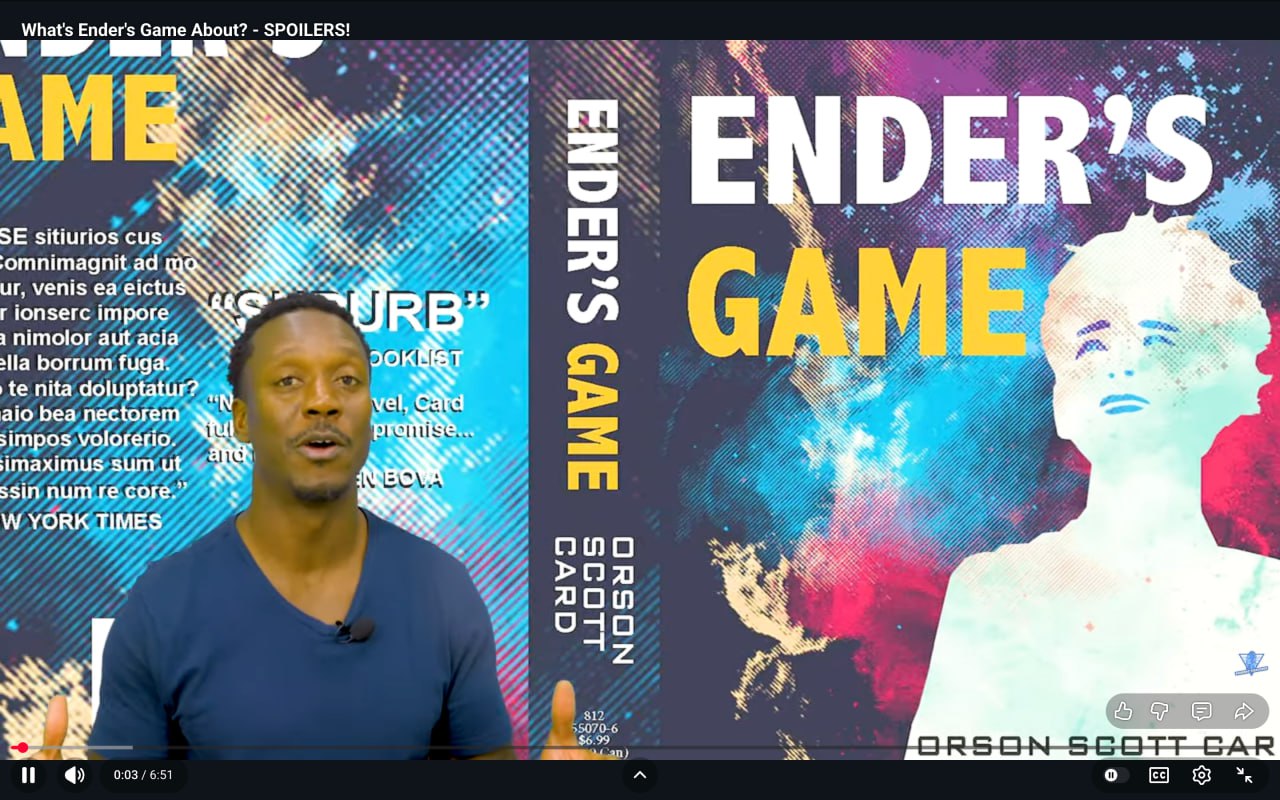
Space battles, child soldiers, moral dilemmas, and a twist ending that changes everything—this book has it all. First published in 1985, Ender’s Game won both the Hugo and Nebula Awards—science fiction’s highest honors—and has remained in print ever since, beloved by readers and educators alike.
The Setup
In the future, humanity faces extinction. An alien species called the Formics (“Buggers”) attacked Earth twice. Humanity barely survived.
Now, Earth’s military is preparing for the third invasion. Their strategy? Find the most brilliant children on the planet and train them to become commanders.
The logic is ruthless: children’s minds are more flexible, more creative, and more willing to think outside conventional military doctrine. Adults are too set in their ways. The fate of the human race depends on finding one child who can outthink an alien species.
وارد شوید Ender Wiggin.
Who Is Ender?
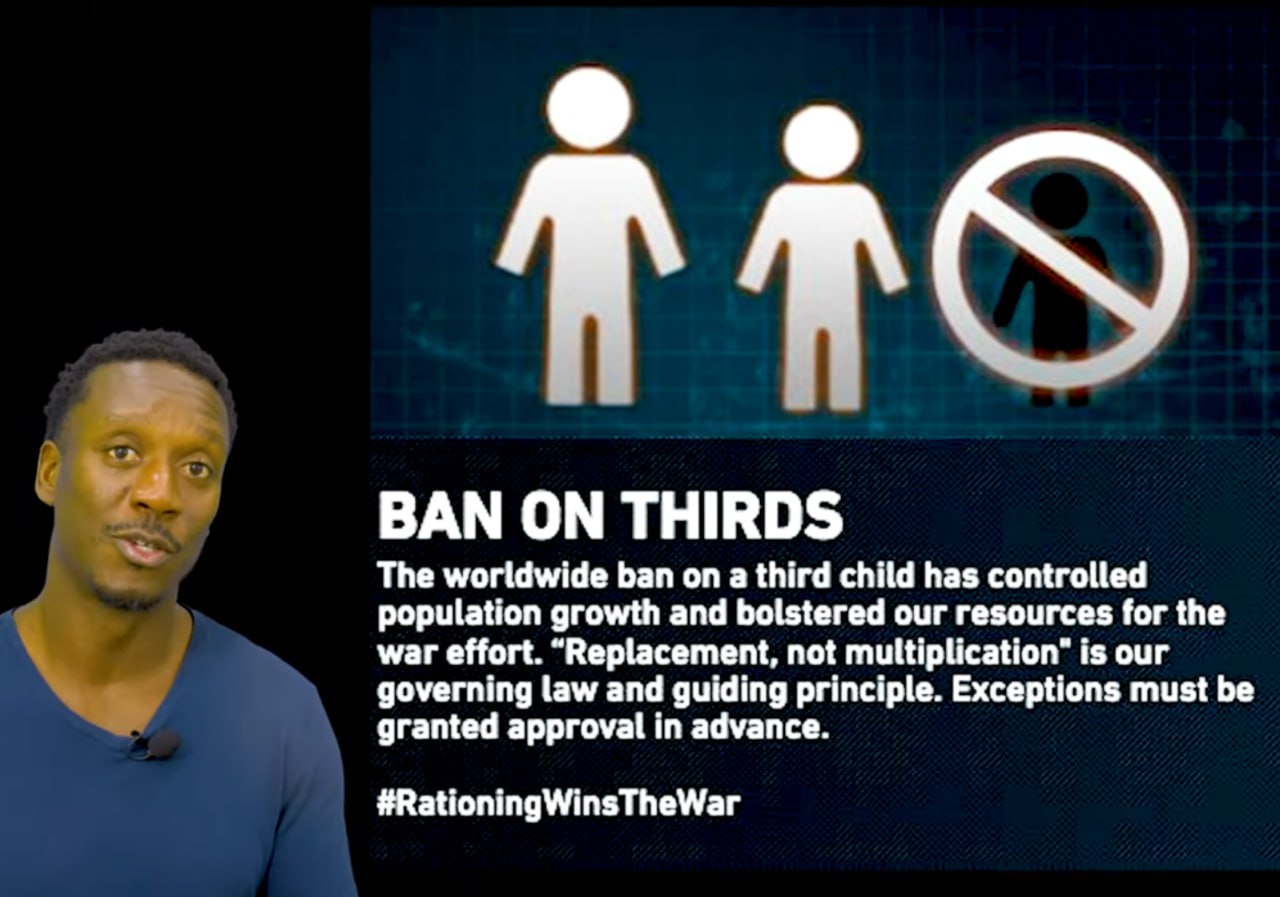
Ender is a “Third”—a third child in a world where families are limited to two. The government made an exception because his older siblings showed promise:
- Peter – Brilliant but too violent, too cruel. Peter enjoys hurting others and uses his intelligence to dominate and intimidate.
- Valentine – Brilliant but too compassionate, too gentle. Valentine could never bring herself to destroy an enemy—she’d try to understand them instead.
- Ender – The perfect balance between them. He has Peter’s ruthlessness when needed, but Valentine’s empathy drives him to hate the violence he’s capable of.
At just six years old, Ender is selected for Battle School—a space station where children are trained for war. The name “Ender” itself is significant. His real name is Andrew, but his sister Valentine called him Ender because she couldn’t pronounce “Andrew” as a toddler. In the story, though, the name takes on a darker meaning—Ender is destined to end things.
Battle School
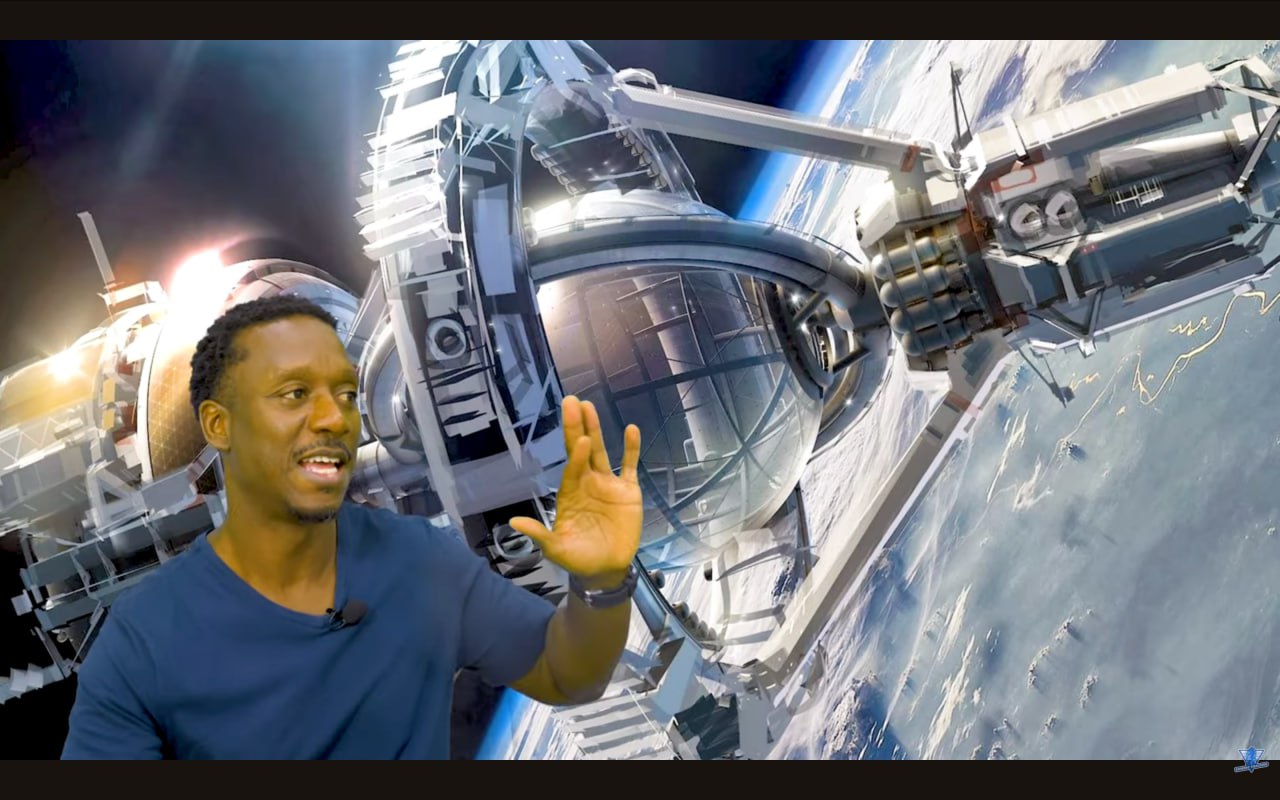
Battle School is brutal. Colonel Graff, the school’s commander, believes that Ender is humanity’s last hope—but only if he’s pushed to his absolute limits. The military leaders constantly test Ender by:
- Making him the youngest and smallest in his group
- Setting him up to be bullied by other students
- Promoting him too fast, creating jealousy and hostility
- Isolating him from friends and support systems
- Changing the rules whenever Ender starts winning too easily
Why? They want to see if he can overcome any obstacle. They need a commander who can win against impossible odds—because the real war will present nothing but impossible odds.
Graff’s philosophy is cold but logical: if Ender can’t handle unfair treatment from other children, he certainly can’t handle an alien species fighting for its survival. Every injustice is a test. Every hardship is deliberate.
The Battle Room
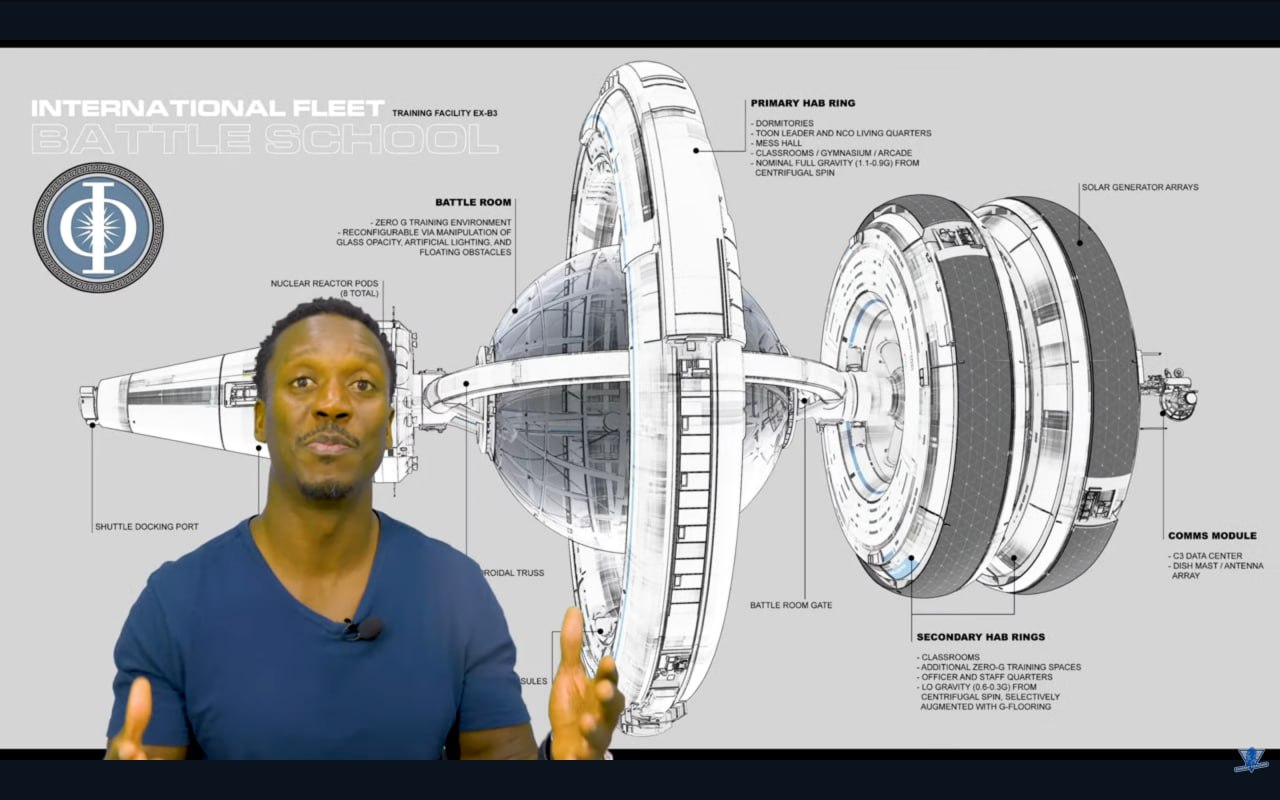
Students train in a zero-gravity “Battle Room” where they play a game similar to laser tag. Teams compete in armies, learning tactics and strategy for space combat. The Battle Room is where reputations are made and broken.
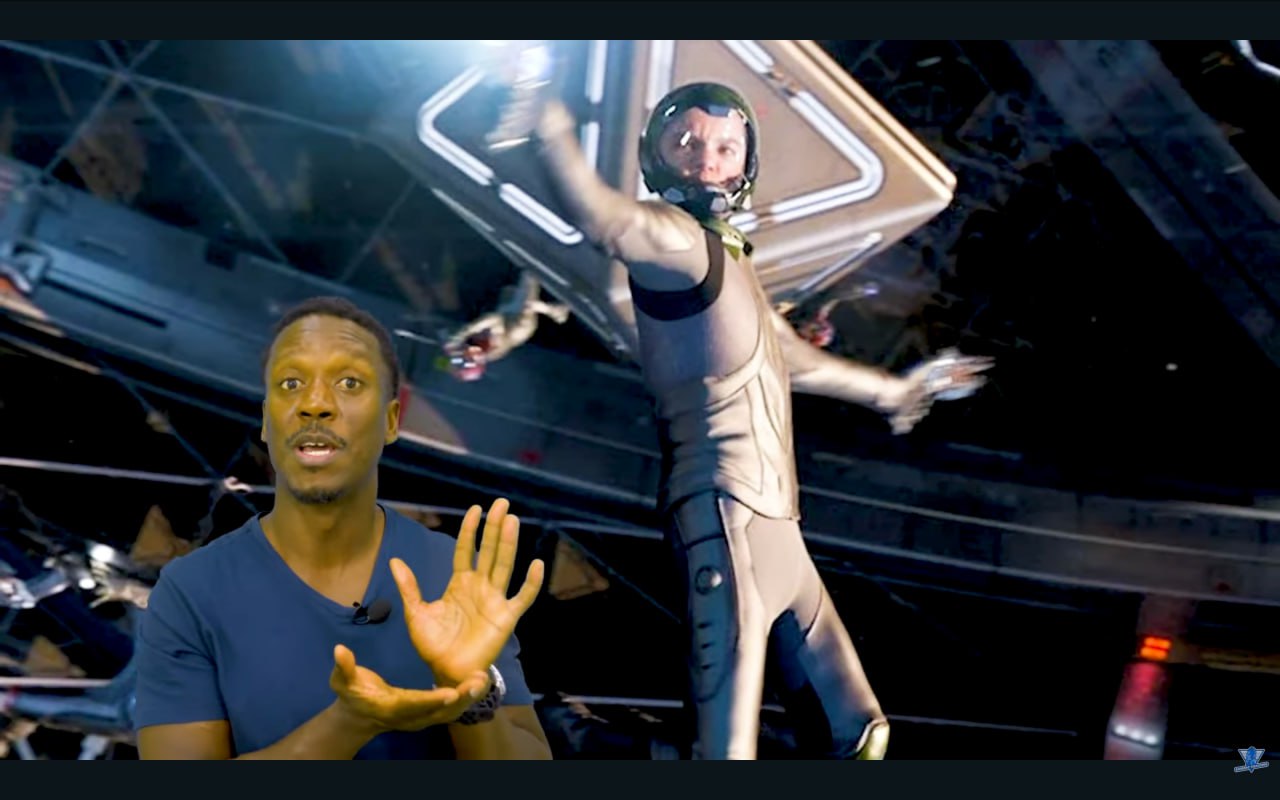
Ender doesn’t just succeed—he revolutionizes how the game is played. While other commanders use traditional formations, Ender experiments with new tactics: using his soldiers’ frozen legs as shields, attacking immediately instead of strategizing from a distance, and training his soldiers to think independently rather than follow rigid orders.
His innovations reveal a core theme of the book: creative thinking beats conventional wisdom. Ender wins not because he’s stronger or has better soldiers—he wins because he refuses to accept the rules everyone else follows.
The Mind Game
Between battle sessions, students play a psychological computer game designed to probe their deepest fears and desires. The game is adaptive—it reads the player’s emotional responses and creates scenarios tailored to them.
Ender’s experience with the Mind Game is deeply unsettling. He encounters a Giant who offers him two drinks—one is supposedly poisoned. No matter which drink Ender chooses, he dies. The “correct” solution is that there is no correct solution—the game is designed to be unwinnable. But Ender, in a moment of rage, attacks the Giant directly, burrowing into its eye and killing it.
This disturbs the adults monitoring him. It’s exactly the kind of creative rule-breaking they need from a military commander—but the violence of it echoes Peter’s cruelty. Is Ender a genius or a monster? Maybe both.
The Breaking Point
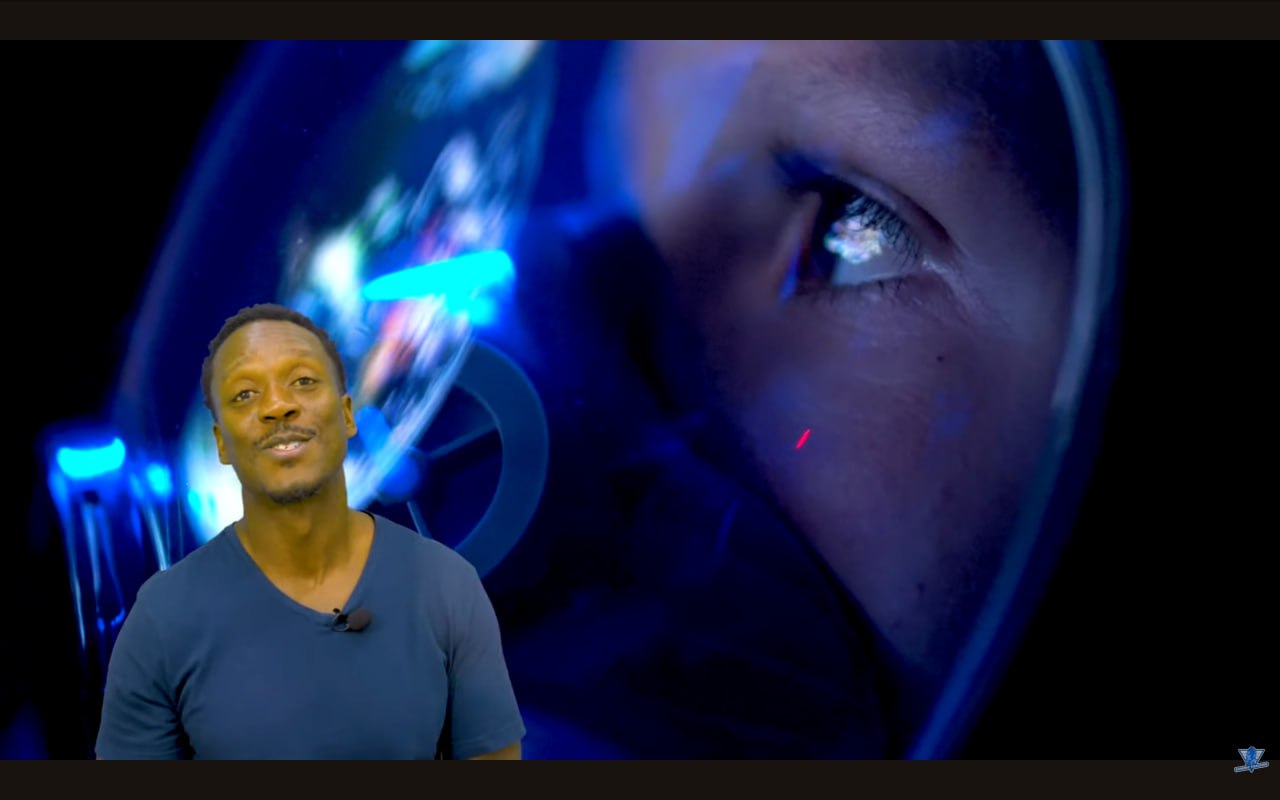
Ender faces constant pressure. Bullying. Unfair rules. Sleep deprivation. The adults keep pushing him harder, piling on more battles with less recovery time, stacking the odds against him.
When confronted by bullies, Ender doesn’t just defend himself—he destroys them. His logic: “I have to win this fight and all future fights. I have to make sure they never come back.”
This ruthlessness disturbs even Ender. He fears becoming like his violent brother Peter. The internal conflict is what makes Ender such a compelling character—he’s a gentle soul trapped in circumstances that demand violence. He hates fighting, but he’s terrifyingly good at it.
Card writes this tension beautifully. Every victory Ender achieves comes with emotional cost. He doesn’t celebrate winning; he grieves the necessity of it. This is what separates him from Peter—Peter enjoys the violence, while Ender is haunted by it.
Peter and Valentine on Earth
While Ender trains in space, his siblings pursue their own ambitions on Earth. Peter, despite his cruelty, is a political genius. Using pseudonymous online identities (remarkably prescient for a 1985 novel), Peter and Valentine begin influencing global politics through essays and debates.
Peter becomes “Locke,” a moderate voice of reason. Valentine becomes “Demosthenes,” a provocative nationalist. Together, they shape public opinion on Earth’s political future—all while being teenagers. This subplot adds depth to the novel’s exploration of how brilliant children can be both used and underestimated by adults.
Command School
Eventually, Ender is promoted to Command School on the asteroid Eros. Here, he learns to control entire fleets through advanced simulations. His teacher is the legendary Mazer Rackham—the hero who defeated the Formics in the Second Invasion.
Rackham pushes Ender even harder than Graff did. The simulations get progressively more difficult. Enemy forces outnumber Ender’s fleet ten to one, then fifty to one. The scenarios seem designed to be unwinnable—just like the Giant’s game.
Days blur together. Ender is exhausted, mentally breaking down. He barely sleeps. He snaps at his friends. He stops eating properly. The adults see all of this and press harder anyway.
Then comes the final test…
The Twist (SPOILER)
In the final “simulation,” Ender faces an impossible scenario: enemy forces surrounding an alien planet, outnumbering his fleet by a staggering margin. His teachers, Mazer Rackham and the military brass, watch as he devises a desperate strategy—sacrificing nearly all his own ships to get a single weapon close enough to the planet. He fires it and destroys the planet itself, along with every Formic on it.
He wins. But instead of celebration, there’s silence. Then tears. Then cheering from the adults—but not the kind that follows a game.
Then the truth: It was never a simulation.
Ender has just commanded the real fleet. Every “practice battle” at Command School was a real engagement. He’s just destroyed the Formic homeworld. He’s committed genocide against an entire species—and he’s only a child.
The adults manipulated him because they knew Ender would never willingly exterminate a species. So they told him it was just a game. When the stakes were “just points,” Ender could be ruthless. If he’d known the truth, his empathy would have stopped him.
This reveal is devastating. Ender didn’t choose genocide. He was tricked into it. The adults who were supposed to protect him used him as a weapon and then celebrated the result. It’s one of the most powerful twists in science fiction because it reframes every scene that came before it.
Why This Book Matters
1. It Questions the Morality of War
Was destroying the Formics right? They threatened humanity, but did they deserve total extinction? The book refuses to give easy answers. Later in the story, Ender discovers evidence that the Formics had realized their mistake—they didn’t know humans were sentient beings during the first attack. By the time they understood, it was too late. Humanity was already preparing to destroy them.
2. It Explores Manipulation and Consent
The adults constantly manipulate Ender “for his own good” and for humanity’s survival. Is that justified? Graff faces a court-martial after the war—not everyone agrees the ends justified the means. The novel asks: when is it acceptable to sacrifice a child’s wellbeing for the greater good? Where’s the line?
3. It Shows the Cost of War
Even the winners are damaged. Ender achieves the greatest military victory in human history but loses his innocence, his childhood, and nearly his sanity. The other children who served as his squadron leaders also carry permanent scars. Victory in war isn’t free—someone always pays the price.
4. It’s About Being Different
Ender is brilliant but isolated. His intelligence is a burden. Many readers—especially young people who feel like outsiders—connect deeply with his experience of being misunderstood and used for abilities he didn’t ask to have. According to literary analysis of the novel, this theme of alienation is one of the primary reasons the book resonates across generations.
Teaching Applications
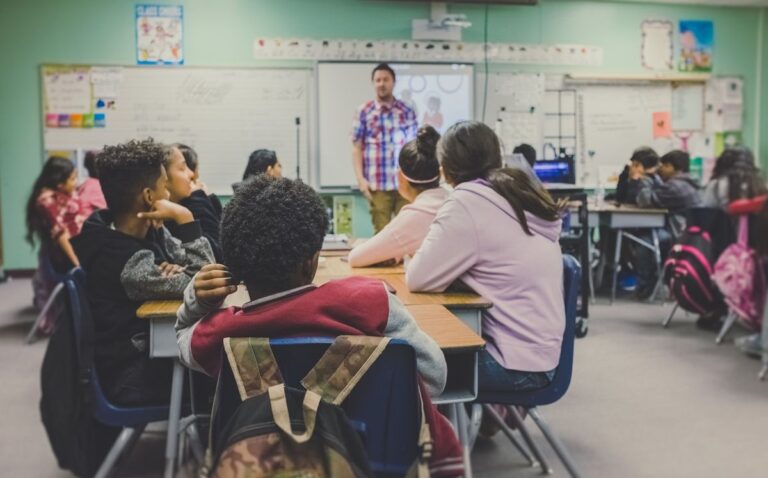
Ender’s Game works brilliantly in the classroom. Here are some discussion topics and activities for educators:
Ethics Debate
Split students into groups and debate: Was the military justified in deceiving Ender? Students must argue from assigned positions, not their personal beliefs. This develops critical thinking and the ability to argue perspectives you might disagree with.
Character Analysis
Have students compare Ender, Peter, and Valentine. All three are brilliant—so what makes them different? Explore the role of empathy, ambition, and environment in shaping character. This connects well to psychology topics and nature-versus-nurture discussions.
Creative Writing Prompt
Ask students to rewrite the final battle scene from a different character’s perspective—Mazer Rackham, Colonel Graff, or one of Ender’s squadron leaders like Bean or Petra. How does the same event feel to someone who knows the truth versus someone who doesn’t?
Vocabulary Building
The book is rich with advanced vocabulary in context: strategy, simulation, manipulation, genocide, empathy, doctrine, pseudonymous, provocative, prescient. Students encounter these words naturally through the story rather than through rote memorization.
Book vs. Movie
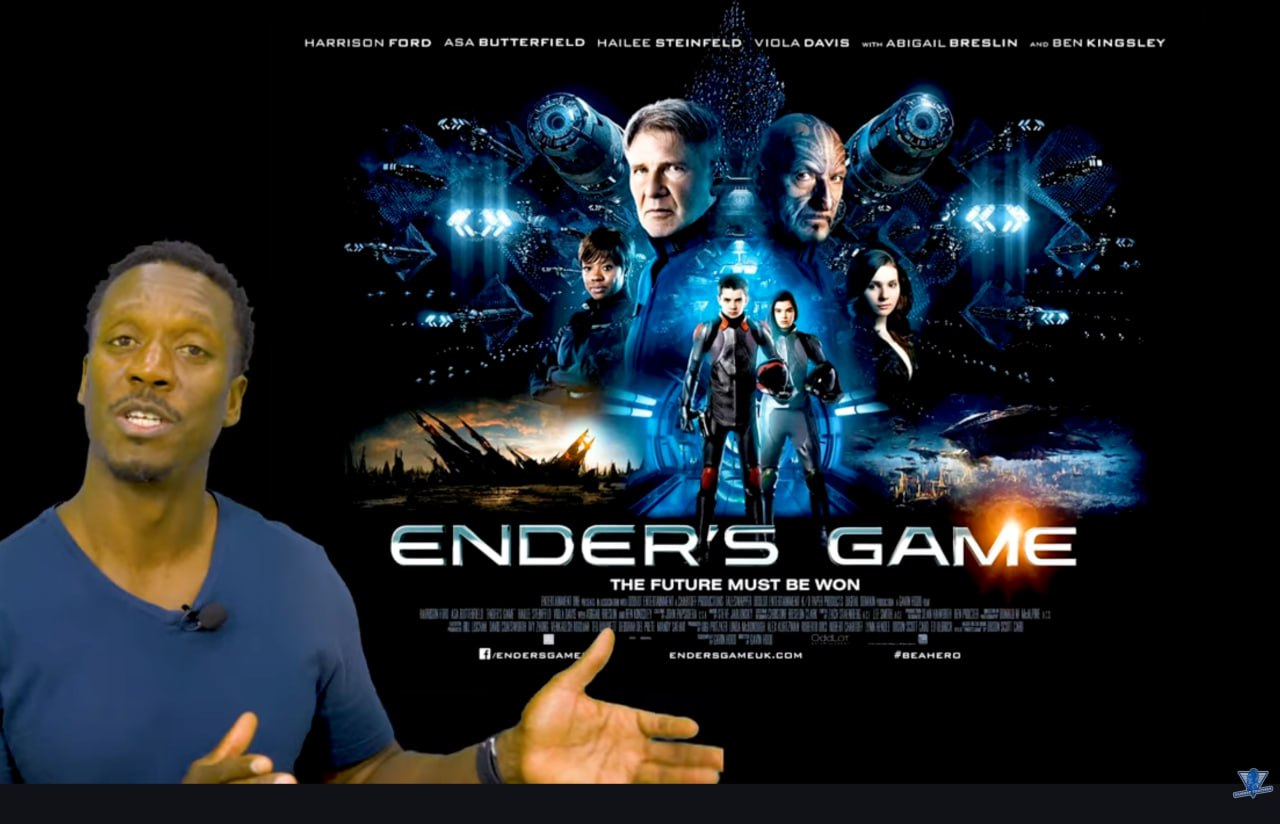
There’s an Ender’s Game movie (2013) with Asa Butterfield and Harrison Ford. It’s decent, but:
- The book is better – More depth, more detail, more emotional impact
- Characters are older in the film – Ender starts at 6 in the book, but actors are teens. This changes the power dynamic—a 15-year-old soldier feels less disturbing than a 6-year-old one
- Key elements are compressed – Years of training become months, and important subplots (like Peter and Valentine’s political maneuvering) are cut entirely
- The Mind Game is barely featured – One of the book’s most psychologically rich elements gets reduced to a brief scene
Watch the movie, but definitely read the book. If you don’t like reading, try the audiobook—the full cast version is excellent.
The Sequels and Companion Novels
Ender’s Game spawned an extensive series. The direct sequel, Speaker for the Dead, follows an adult Ender who travels between planets, speaking on behalf of the dead—telling the complete truth about their lives. It’s a very different book, more philosophical and less action-driven, but many readers consider it even better than Ender’s Game.
Ender’s Shadow tells the same Battle School events from the perspective of Bean, another genius child who becomes one of Ender’s key soldiers. It adds layers of depth to scenes you already know and reveals details Ender never saw.
There are over a dozen books in the expanded universe, but Ender’s Game works perfectly as a standalone novel. You don’t need to read anything else to appreciate its power.
Vocabulary from Ender’s Game
- Strategy – A plan for achieving a goal
- شبیهسازی – An imitation of a real situation
- Manipulation – Controlling someone for your own purposes
- Genocide – Deliberate destruction of a group of people
- شفقت – Concern for others’ suffering
- Doctrine – A set of beliefs or principles held by a group
- Empathy – The ability to understand and share another’s feelings
- Prescient – Having knowledge of events before they happen
سوالات متداول
What age is Ender in the book?
Ender begins Battle School at age 6 and is about 11-12 by the end of the story. This is crucial to the book’s impact—the adults are knowingly putting an elementary-school-age child through extreme psychological and physical trauma.
Is Ender’s Game appropriate for children?
The book deals with violence, manipulation, and moral complexity. It’s generally recommended for ages 12+, but younger advanced readers may enjoy it with guidance. The violence is not graphic, but the psychological themes are heavy.
Is there a sequel to Ender’s Game?
Yes! “Speaker for the Dead” continues Ender’s story as an adult. There’s also a parallel novel, “Ender’s Shadow,” which tells the same events from another character’s perspective. Both are excellent and expand the universe in different directions.
What does “Ender’s Game” mean?
The title has multiple meanings: the war games Ender plays in the Battle Room, the manipulation games the adults play with him, the Mind Game that probes his psychology, and the final “game” that turns out to be real warfare. Every interaction in Ender’s life is, in some sense, a game—with stakes he doesn’t fully understand.
Read It Today
Ender’s Game has been in print since 1985 because every generation discovers its powerful themes. It’s recommended reading in military academies, Britannica’s overview of Ender’s Game, and high school English classes around the world.
Whether you’re into sci-fi, military strategy, or just great storytelling, Ender’s Game delivers. It’s the rare book that works as a thrilling adventure on the surface while asking deep philosophical questions underneath.
“In the moment when I truly understand my enemy, understand him well enough to defeat him, then in that very moment I also love him.” — Ender Wiggin
مقالات مرتبط
- رابینسون کروزو: چرا باید آن را بخوانید
- ماتریکس توضیح داده شده: معانی پنهان
- بچه کاراتهباز: درسهای زندگی
Looking for free ESL worksheets? Browse our full collection — printable resources for every level and age group. Browse Free Worksheets →
Students can access free worksheets and reading materials at 18KEnglish.com.

 FA
FA  EN
EN  ZH
ZH  ZH_CN
ZH_CN  KO
KO  VI
VI  FR
FR  AR
AR  ES
ES  HI
HI  PT
PT  BN
BN  RU
RU  JA
JA  TR
TR  DE
DE  IT
IT  PL
PL  ID
ID  TH
TH  UK
UK  TL
TL  HE
HE  UR
UR  SW
SW  RO
RO  NL
NL  MS
MS  TA
TA  PS
PS  HU
HU  EL
EL  SV
SV  NB
NB  NN
NN  DA
DA  CS
CS  SR
SR  AM
AM