
Using AI Voice Chatbots to Give Every ESL Student More Speaking Practice
Do the math on a typical 50-minute ESL class with 30 students, and the number is brutal: even if you spent every second on speaking practice and nothing else, each student would get less than two minutes of actual talk time. In reality, after instructions, transitions, and the louder students dominating pair work, most learners speak English out loud for well under a minute a day in class. That gap between how much speaking practice students need and how much classroom time can physically provide is the single biggest bottleneck in ESL instruction — and it’s the one problem AI voice chatbots are genuinely built to solve.
This isn’t about replacing conversation with a robot. It’s about closing the gap between class time and the 20-30 minutes of daily output research suggests learners need to build fluency. Used well, an AI voice chatbot becomes a patient, always-available speaking partner that never gets bored correcting the same mistake for the fifth time. Used badly, it becomes a novelty students play with for a week and abandon. The difference is almost entirely in how the teacher sets it up.
Why Speaking Is the Skill Classrooms Underserve
Reading and writing scale. You can hand thirty students the same worksheet and grade it later. Speaking doesn’t scale the same way — it requires a listener, real-time feedback, and enough repetition that the mouth and brain start producing language automatically instead of translating word by word. Traditional solutions like pair work help, but they cap out fast: students correct each other’s mistakes inconsistently (or not at all), stronger students dominate, and shy students can go entire semesters saying almost nothing out loud.
This is exactly the gap voice-based AI tools fill. A chatbot doesn’t get impatient, doesn’t judge, and is available at 11 PM when a student finally has fifteen quiet minutes to practice before a TOEIC speaking section or an IELTS interview. It also solves a psychological problem teachers rarely talk about: a huge percentage of ESL learners are far more willing to make mistakes in front of a screen than in front of classmates. That lowered anxiety alone produces more spoken output than almost any classroom activity can.
What AI Voice Chatbots Actually Do Differently
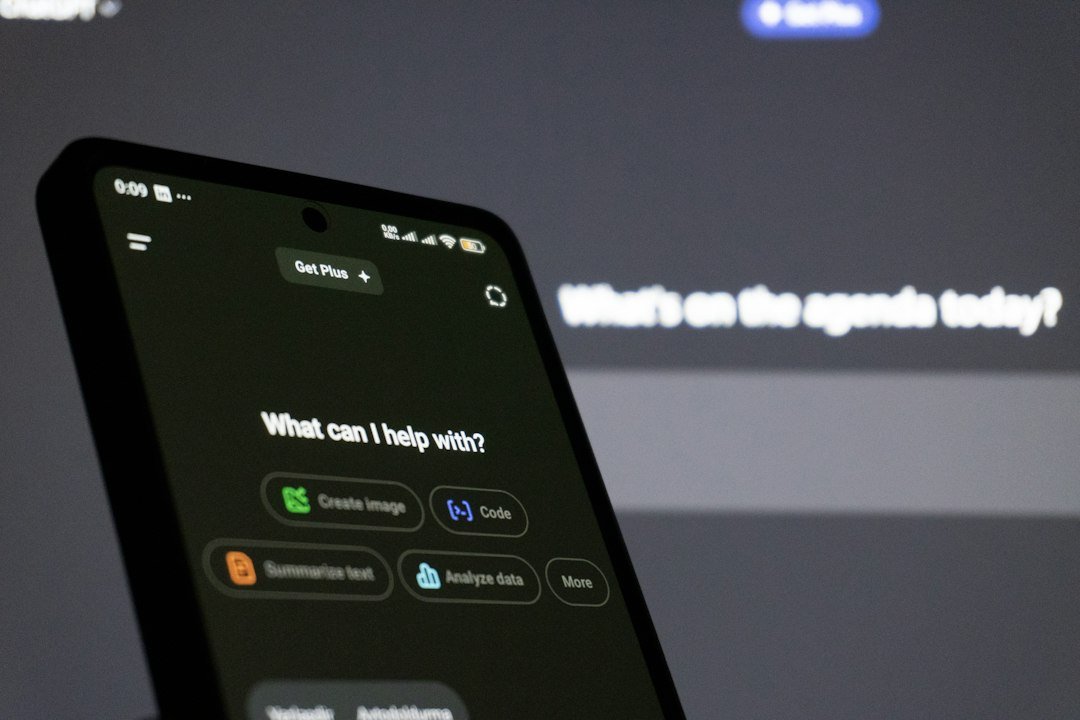
It’s worth being precise about what’s changed. Text-based chatbots have existed for years and were never a great fit for speaking practice — typing isn’t speaking. What’s new is voice-native AI: tools that listen to spoken input, transcribe it accurately even with an accent, respond conversationally in natural spoken English, and in many cases give live feedback on pronunciation, pacing, or word choice. That combination didn’t exist in a classroom-usable form until recently.
Conversation Partners vs. Pronunciation Coaches
It helps to separate these tools into two categories, because teachers often pick the wrong one for the task. Conversation-style tools are built for fluency and confidence — they keep a natural back-and-forth going, tolerate errors, and focus on keeping the student talking. Pronunciation-focused tools do the opposite: they slow down, isolate specific sounds or word stress patterns, and give a score or visual feedback on accuracy. Both have a place. Conversation tools are best for warm-ups, free talk, and building the habit of speaking daily. Pronunciation tools are best for targeted drilling before a specific assessment, like a TOEIC or IELTS speaking section where clarity is graded directly.

Building a Speaking Station Into Your Classroom Rotation
The most reliable way to bring AI speaking practice into a physical classroom without buying a set of tablets is a rotation station model. If you already run station-based activities — a reading corner, a writing task, a listening exercise — add one station where two or three students at a time use a shared device with a headset to run a short AI conversation while the rest of the class works on something else. Ten minutes per rotation is enough for a meaningful exchange, and because the AI adapts its questions to whatever the student says, no two students end up with an identical transcript to copy from each other.
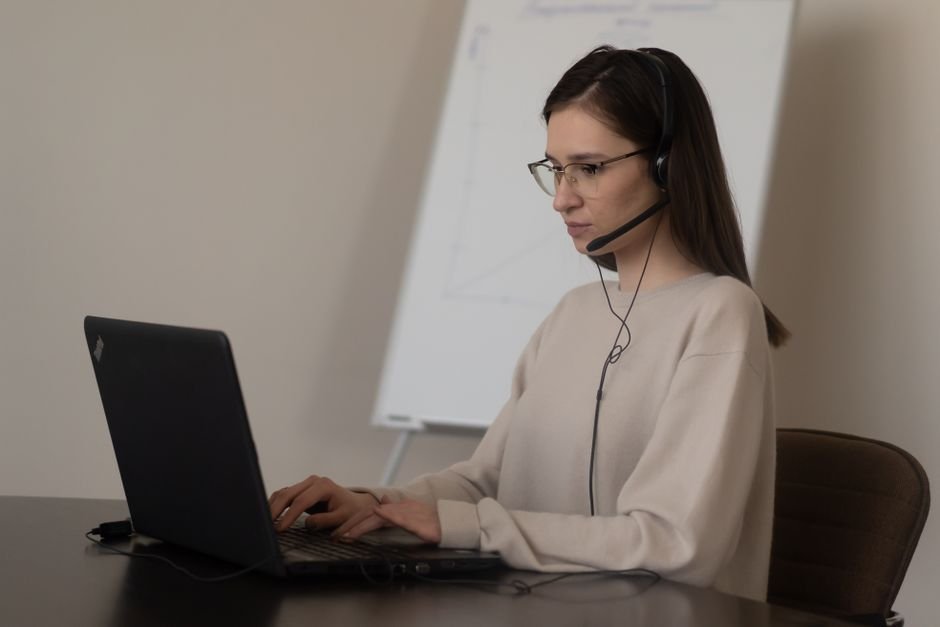
The headset matters more than teachers expect. Without one, ambient classroom noise wrecks the speech recognition and students get frustrated fast when the tool mishears them. A cheap set of wired headsets with an inline microphone solves this for a few dollars per unit and is worth budgeting for before you roll this out school-wide.
Using AI Speaking Practice for TOEIC and IELTS Prep
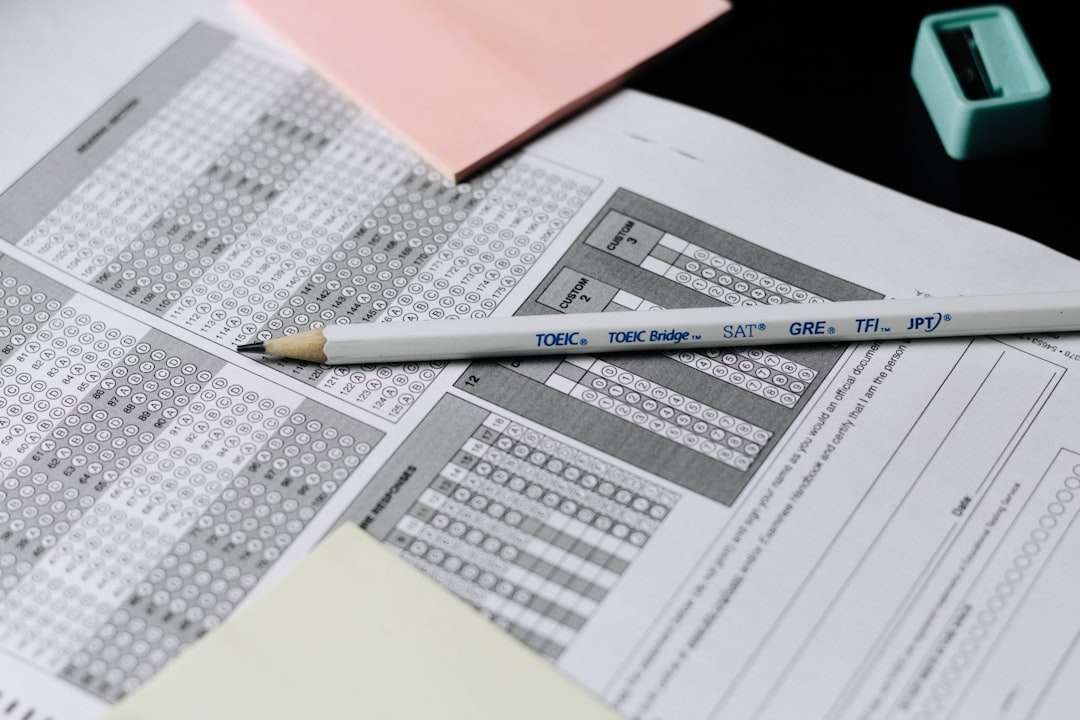
Exam prep is where AI voice tools earn their keep fastest, because both TOEIC Speaking and IELTS Speaking are graded on criteria a chatbot can actually simulate: pronunciation, fluency and coherence, vocabulary range, and grammatical accuracy under time pressure. Set students up to record themselves answering a real IELTS Part 2 cue card topic or a TOEIC-style opinion question with a sixty-second time limit, using the AI as the listener. The value isn’t that the AI replaces a human examiner’s judgment — it doesn’t, and you should say so plainly to students who expect an official score. The value is repetition under realistic time constraints, which is the single hardest thing to arrange with a room full of students and one teacher.
A simple weekly structure works well for exam classes: one AI-assisted timed practice per topic category, followed by a short teacher-led review where students identify their own weakest answer and redo it. This keeps the AI in a supporting role — generating volume and immediate feedback — while you keep the final judgment role a machine shouldn’t have.
Designing Accountability So Practice Actually Happens
Assign an AI conversation app as unsupervised homework with no accountability structure, and completion rates will collapse within two weeks — this is true of almost every self-directed language tool, not a flaw unique to AI. The fix isn’t more nagging, it’s building a five-minute proof-of-work step into your existing routine.
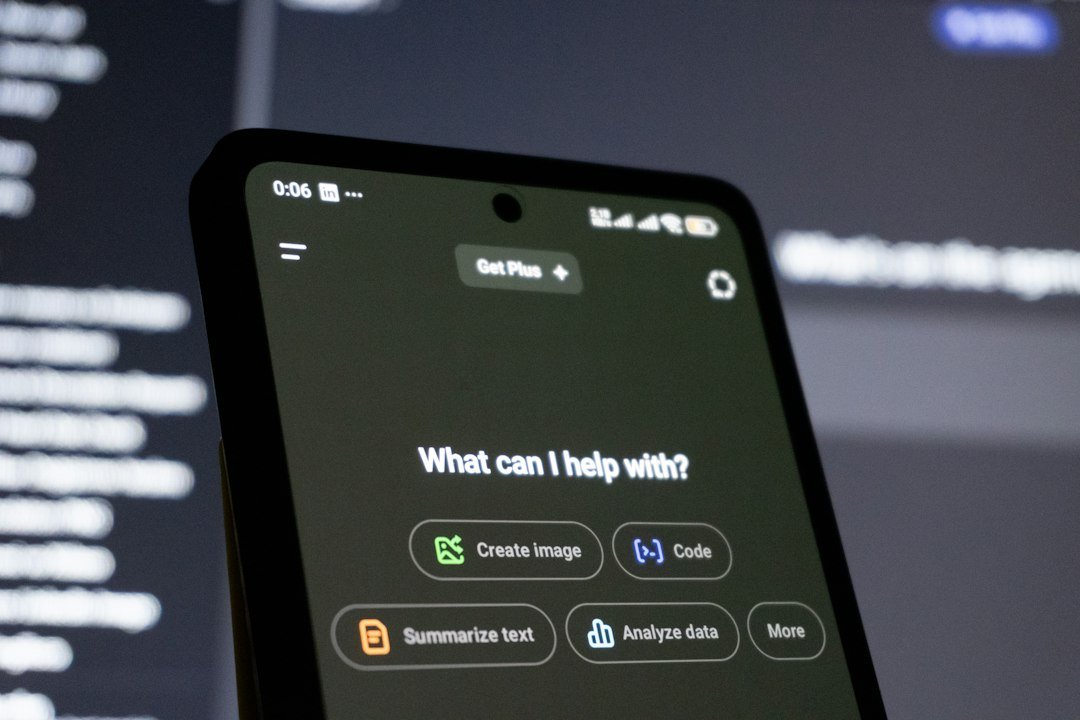
Most voice AI tools generate a transcript or a summary of the conversation automatically. Have students screenshot it, or export it, and submit it alongside a one-sentence reflection: what was hard, what they’d say differently next time. You’re not grading the AI conversation itself for correctness — you’re checking that it happened and that the student engaged with it critically. That light-touch accountability is usually enough to keep completion rates high without turning a low-stakes speaking tool into another graded assignment students resent.
Where This Goes Wrong
A few failure patterns show up consistently in classrooms that adopt these tools without a plan. The first is over-reliance: students start treating the AI as their only speaking partner and lose practice with the unpredictability of talking to a real person — interruptions, mumbling, regional accents, someone changing the subject mid-sentence. AI conversation, however good, is more predictable than human conversation, and that predictability can quietly become a crutch.
The second is register drift. Many chatbots default to a slightly formal, textbook-neutral register that doesn’t match how people actually talk. Students who practice exclusively with AI can end up sounding stiff or oddly formal in casual conversation. Counter this by explicitly pairing AI practice with real human interaction — a classmate, a language exchange partner, or you — at least as often as the AI sessions.
The third is false confidence from inflated feedback. Some tools are tuned to be encouraging by default, praising responses that a human examiner would mark down. If you’re using a tool for exam prep specifically, spot-check its feedback against your own judgment before trusting it as a proxy for a real score.

A Realistic Weekly Workflow
For a typical mixed-level ESL class, a sustainable pattern looks like this: two short in-class rotation sessions per week using a shared device, one assigned homework conversation with the transcript-and-reflection accountability step, and one review session where a handful of transcripts get discussed as a class — with names removed, if students prefer. That’s roughly 25-30 minutes of additional individual speaking practice per student per week, on top of whatever happens in class, without requiring one-to-one devices or a large budget.
- Class rotation: 10 minutes, shared device, headset required
- Homework conversation: one topic, transcript submitted next class
- Reflection: one sentence on what was difficult
- Review: brief class discussion of common issues found across transcripts
Scale this up or down based on your class size and device access, but keep the core shape: short, frequent, low-stakes, and always paired with a human check-in. That’s the pattern that turns a novelty app into a durable part of how your students actually get better at speaking English.
Getting Started This Week
You don’t need a school-wide policy or a technology budget to try this. Pick one class, one voice-capable AI conversation tool your students can access on a phone or shared laptop, and run a single ten-minute rotation station during your next lesson. Ask students afterward, in their own language if needed, whether it felt more or less comfortable than speaking in front of the class. That feedback will tell you more about whether this belongs in your regular rotation than any research paper will.


Sources
Conseil britannique — resources on English language teaching methodology and speaking assessment.
ETS (Educational Testing Service) — official body for TOEIC speaking and writing assessment standards.
IELTS.org — official IELTS Speaking test format and band descriptors.







 FR
FR  EN
EN  ZH
ZH  ZH_CN
ZH_CN  KO
KO  VI
VI  AR
AR  ES
ES  HI
HI  PT
PT  BN
BN  RU
RU  JA
JA  TR
TR  DE
DE  IT
IT  PL
PL  ID
ID  TH
TH  FA
FA  UK
UK  TL
TL  HE
HE  UR
UR  SW
SW  RO
RO  NL
NL  MS
MS  TA
TA  PS
PS  HU
HU  EL
EL  SV
SV  NB
NB  NN
NN  DA
DA  CS
CS  SR
SR  AM
AM