
Writing Competitions for Kids in 2026: 10 Contests ESL Students Can Win
Writing competitions for kids are one of the best-kept secrets in ESL education. They give students a real audience, a real deadline, and a real reason to write their best English. If you’ve never pushed your students to enter one, 2026 is the year to start.
This guide covers the top writing competitions for kids in 2026 — including several that welcome ESL and international students — plus practical tips for getting your class competition-ready.
Why Writing Competitions Work for ESL Learners
Most ESL writing happens for an audience of one: the teacher with the red pen. Writing competitions flip that dynamic. Students write for judges they’ll never meet, for readers around the world. That shift does something powerful — it makes the writing feel real.
Beyond motivation, competitions build specific skills your curriculum might not cover:
- Voice and style — competitions reward personality, not just grammar
- Concision — word limits force students to cut and sharpen
- Revision habits — students who know judges will read their work revise more carefully
- Resilience — not placing teaches as much as placing does

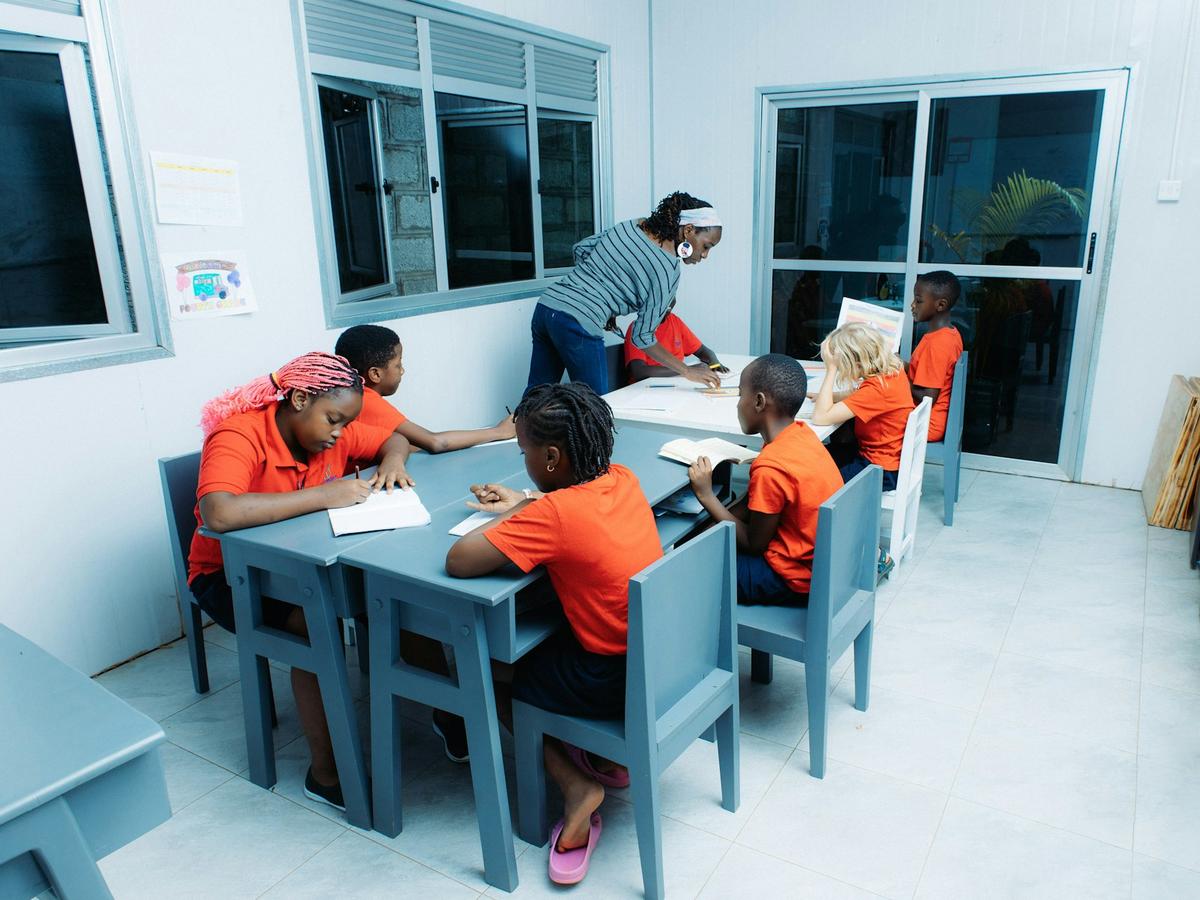
Competitions give young writers a real audience beyond the classroom.
Top Writing Competitions for Kids in 2026
The ten contests below range from free classroom-friendly options to prestigious international prizes. I’ve flagged which ones suit ESL learners best, because eligibility and judging criteria vary a lot — always read the official rules before your class commits.
1. Kids World Travel Guide Writing Competition 2026
Ages: 8–15 | Theme: “Wonders of My World”
This is one of the most ESL-friendly competitions on the list. Students write about their own corner of the world — a local landmark, a tradition, a food, a place that matters to them. That’s a natural advantage for students in Taiwan, Japan, or anywhere outside the English-speaking mainstream. They have stories nobody else can tell.
The theme rewards authentic voice over perfect grammar, making it an excellent first competition for intermediate learners.
2. PBS KIDS Writers Contest 2026
Grades: 1–5 | Deadline: March 31, 2026
Students write and illustrate their own stories. The illustration requirement is a huge plus for younger ESL learners — it lets them communicate beyond their current vocabulary level. Even a child with limited English can tell a compelling visual story.
Best for: Young learners who love drawing as much as (or more than) writing.

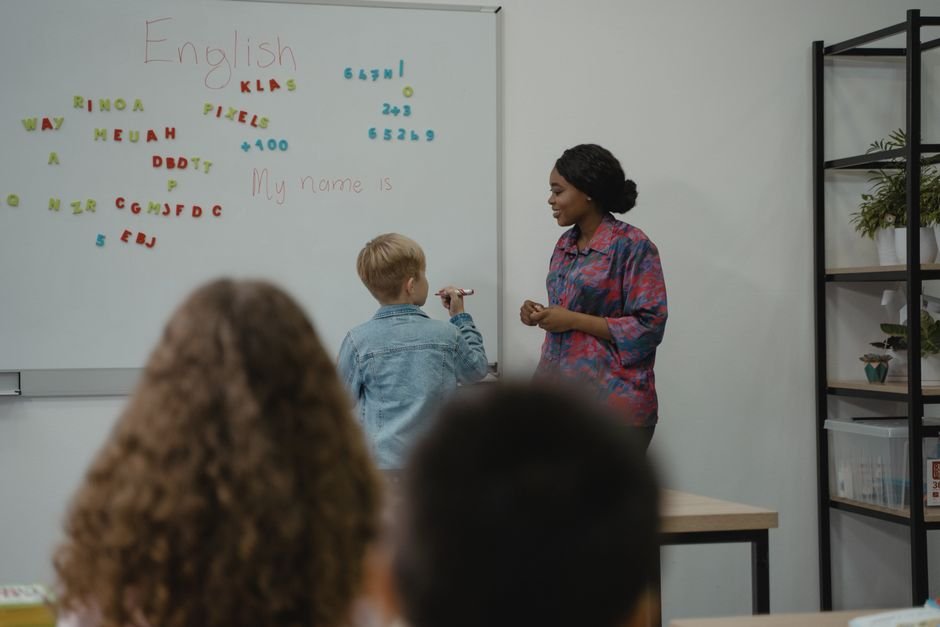
Illustrated and short-form contests let beginners compete on ideas, not just vocabulary.
3. The Queen’s Commonwealth Essay Competition 2026
Ages: 18 and under | Open to: Commonwealth residents and nationals
Run by the Royal Commonwealth Society, this is the world’s oldest international schools’ writing competition, dating back to 1883. Taiwan is not a Commonwealth member, but students with Commonwealth nationality (British, Australian, Canadian, Indian, etc.) can enter. Regional winners are recognized internationally. Worth the stretch for strong writers.
4. Bright Light Education Creative Writing Competition 2026
Ages: 7–13 | Cost: Free | Winners announced: March 2026
Free to enter, no geographic restrictions mentioned, and aimed squarely at the age group most ESL teachers work with. A solid choice for a class-wide submission drive.
5. Time to Write 2026 (ISEB/IAPS)
School years: 3–11
Run by the Independent Schools Examinations Board in the UK, this competition is primarily for students at ISEB/IAPS member schools. Worth checking if your school has any affiliation or partnership — some international schools qualify.

Structured, age-bracketed contests keep the playing field fair for ESL writers.
6. Junior Writers Competitions — Quarterly Themes
Upcoming themes: “A Small Act of Love” (deadline March 15, 2026) | “One Climate, One Bloom” (deadline April 30, 2026)
Quarterly competitions with rotating themes are ideal for teachers who want to build a regular competition habit. Submit one entry per quarter and watch students improve across the year. The themed prompts also work as standalone writing workshop starters even if students don’t submit.
7. Canterbury Tales Writing Competition 2026
Ages: 5–18 | Theme: “Happily ever after?”
The quotation marks around “Happily ever after?” are doing a lot of work. This prompt invites students to question, subvert, or rewrite the fairytale ending — a sophisticated task that rewards creative thinking over technical perfection. Excellent for upper-intermediate and advanced learners.
8. Never Such Innocence 2026
Theme: “In Someone Else’s Shoes” | Open to: Children and teens
This competition focuses on empathy and perspective-taking — writing from another person’s point of view. For ESL students who spend their lives navigating between cultures and languages, that’s a prompt they can own. Encourage students to write about the experience of learning English, being an outsider, or seeing their culture through a visitor’s eyes.
9. IEW Writing Contest 2026
Ages: 8–18 | Deadline: March 2026 | Format: Age-specific essay prompts
The Institute for Excellence in Writing contest uses structured essay prompts with age brackets, so a 10-year-old isn’t competing against a 17-year-old. That structure makes it fairer for ESL learners who may be strong thinkers but still developing fluency.
10. Tadpole Press 100-Word Writing Contest
Format: 100 words or fewer | Open to: All ages, worldwide
One hundred words. That’s it. For ESL teachers, this is gold. The word limit is low enough that any intermediate student can reach it, but tight enough that every word matters. Run it as a classroom exercise first — have students write 200 words, then cut to 100. The revision process is the lesson. Full rules are on the Tadpole Press contest page.

Prestige and prizes vary widely — match the stakes to your students’ readiness.
Which Competition Fits Your Class? A Quick Comparison
If you’re short on time, this table cuts to the decision. Match the age group and effort level to what your class can realistically handle this term.
| Competition | Ages | Cost | Best For |
|---|---|---|---|
| Kids World Travel Guide | 8–15 | Free | First-timers, local stories |
| PBS KIDS Writers Contest | Grades 1–5 | Free | Young learners who draw |
| Queen’s Commonwealth Essay | Under 18 | Free | Advanced, Commonwealth nationals |
| Tadpole Press 100-Word | All ages | Entry fee | Whole-class revision drills |
| Canterbury Tales | 5–18 | Free | Creative, upper-intermediate |
How to Prepare Your Students
Entering is easy. Entering well takes a few weeks of low-pressure preparation. Here’s the routine that gets the most students across the finish line.
Read the winning entries
Most competitions publish past winners. Read them aloud in class. Ask students: What makes this stand out? What would you do differently? Analyzing real winning entries is more useful than any worksheet on “good writing.”

Reading past winners teaches more than any worksheet on ‘good writing.’
Match the competition to the student
Don’t send every student to every competition. The quieter student who reads constantly might thrive in a formal essay contest. The student who tells outrageous stories at every opportunity belongs in a creative fiction competition. Match the format to the person.
Treat the prompt as a discussion
Before students write a word, spend 20 minutes just talking about the theme. “Wonders of My World” — what does that mean? What are the wonders of your world? What do tourists miss when they come to Taiwan? A short warm-up discussion gets the ideas flowing before anyone faces a blank page. The writing gets better when students have talked through what they actually think.

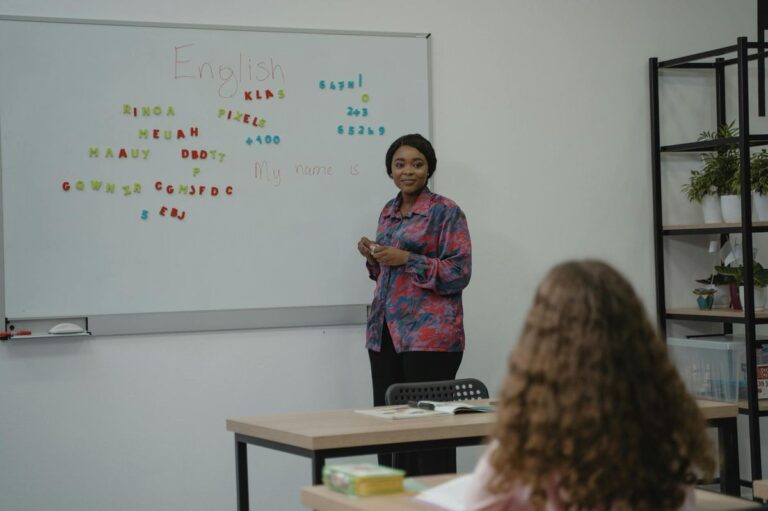
Twenty minutes of discussion before writing does more than an hour of silent drafting.
Do a rough draft in class
The biggest barrier to competition entry is the blank page at home. Give students 20 minutes in class to write a messy first draft. Once something exists, it can be improved. Nothing can be done with a blank page.
Celebrate submissions, not just wins
Make entering the goal, not winning. Put every submission on the wall. Acknowledge every student who finished and sent something. Most classes have students who have never shared their writing with anyone beyond the teacher — that changes when you enter a competition together.
Common Mistakes ESL Students Make in Writing Competitions
Three errors sink more entries than weak English ever does. The first is ignoring the word limit — judges toss over-length pieces before reading a sentence. The second is writing what students think judges want instead of what they actually know; a genuine story about a grandmother’s night market stall beats a generic essay about “following your dreams” every time. The third is skipping revision. A first draft with three brilliant ideas and ten grammar slips loses to a polished second draft with two ideas and no errors. Build one revision round into every entry, no exceptions.
For the Teacher: Logistics
A few practical notes before you start:
- Check eligibility carefully. Some competitions require a school address in a specific country. Others are genuinely open to all. Read the small print.
- Get parental permission. If student names and work will be published publicly (as they often are for winners), you need written consent.
- Budget time for revision. One well-revised entry beats five rushed ones. Better to submit one piece your students are proud of than five they dashed off.
- Keep copies. Whatever students submit, keep a copy. It belongs in their portfolio regardless of outcome. Pairing competition entries with regular ESL writing activities builds a portfolio students can actually be proud of.

Keep a copy of every entry — it belongs in the student’s portfolio regardless of outcome.
The Bigger Picture
Writing competitions for kids don’t produce instant results. The student who enters three competitions and wins nothing learns more about writing than the student who writes only for grades. The act of finishing something, polishing it, and sending it out into the world — that habit, built young, is worth more than any certificate.
Pick one competition from this list. Read the prompt with your class this week. If you need a bank of themes to practice with first, our writing prompts for ESL students are a good place to start. Then see what happens when your students write for the world instead of the red pen.
Sources
- Royal Commonwealth Society — The Queen’s Commonwealth Essay Competition, the world’s oldest schools’ writing contest.
- Tadpole Press 100-Word Writing Contest — Official rules and entry details for the 100-word contest.
- FluentU — ESL Writing Activities — Classroom writing activities that pair well with competition prep.






 FR
FR  EN
EN  ZH
ZH  ZH_CN
ZH_CN  KO
KO  VI
VI  AR
AR  ES
ES  HI
HI  PT
PT  BN
BN  RU
RU  JA
JA  TR
TR  DE
DE  IT
IT  PL
PL  ID
ID  TH
TH  FA
FA  UK
UK  TL
TL  HE
HE  UR
UR  SW
SW  RO
RO  NL
NL  MS
MS  TA
TA  PS
PS  HU
HU  EL
EL  SV
SV  NB
NB  NN
NN  DA
DA  CS
CS  SR
SR  AM
AM