

The Information Gap: How ESL Students Start Really Talking
Search for classroom ideas and you will drown in numbered lists: fifty activities, a hundred games, the ultimate mega-bank of things to do on a Friday afternoon. Teachers collect these lists like trading cards, then quietly notice something uncomfortable — half the activities fall flat, and the ones that work seem to work almost by accident. The problem is not that we lack activities. We have more than we could ever use. The problem is that we rarely ask מַדוּעַ an activity produces language, and that single question is worth more than any list of fifty.
This is a guide to the mechanism underneath the activities that actually work. Understand it once and you stop needing other people’s lists, because you can look at any exercise — a worksheet, a game, a warm-up — and predict in advance whether it will get your students speaking or merely keep them busy. The mechanism has a name that has been around since the 1980s: the information gap.
Why Counting Activities Is the Wrong Goal
Imagine two classrooms running the same theme, “describing your weekend.” In the first, the teacher asks each student in turn what they did, and the students answer one sentence each while the other eleven wait and drift. In the second, students walk around with a grid, hunting for someone who went swimming, someone who cooked, someone who slept past noon, then reporting back what they discovered. Same topic, same vocabulary, wildly different amounts of English produced. The second classroom did not have a “better activity” in any mystical sense. It had a gap — a reason for one student to talk to another because they genuinely did not already know the answer.
When we count activities, we treat them as interchangeable objects. When we look at what generates language, we see that most activities live or die on one question: does the student צוֹרֶך to communicate to complete the task, or are they just performing sentences for a teacher who already knows what they will say? A question you already know the answer to is a test. A question you don’t is a conversation. Real classrooms need far more of the second than the first.
The Information Gap Is the Engine
An information gap exists whenever one person holds information another person needs. It is the reason we speak in real life at all — nobody asks for directions to a place they can already find. In the classroom, engineering that gap is what turns a flat drill into a communicative task. The moment a student cannot see their partner’s picture, cannot read their partner’s half of the timetable, or does not know which of three endings their partner was given, language stops being decorative and starts being necessary.
The elegance of this idea is that it costs almost nothing to build. You do not need new materials, an app subscription, or a laminator. You need to withhold half of something. Cut a picture in two and give each partner one side to describe until they can redraw the whole. Give Student A the train times for Monday to Wednesday and Student B the times for Thursday to Sunday, then ask them to plan a trip. Hand out a short story with different sentences deleted from each copy so the pair must read aloud to reconstruct it. In every case the same magic happens: students look at each other instead of at you, and the room fills with the sound you actually came to hear.
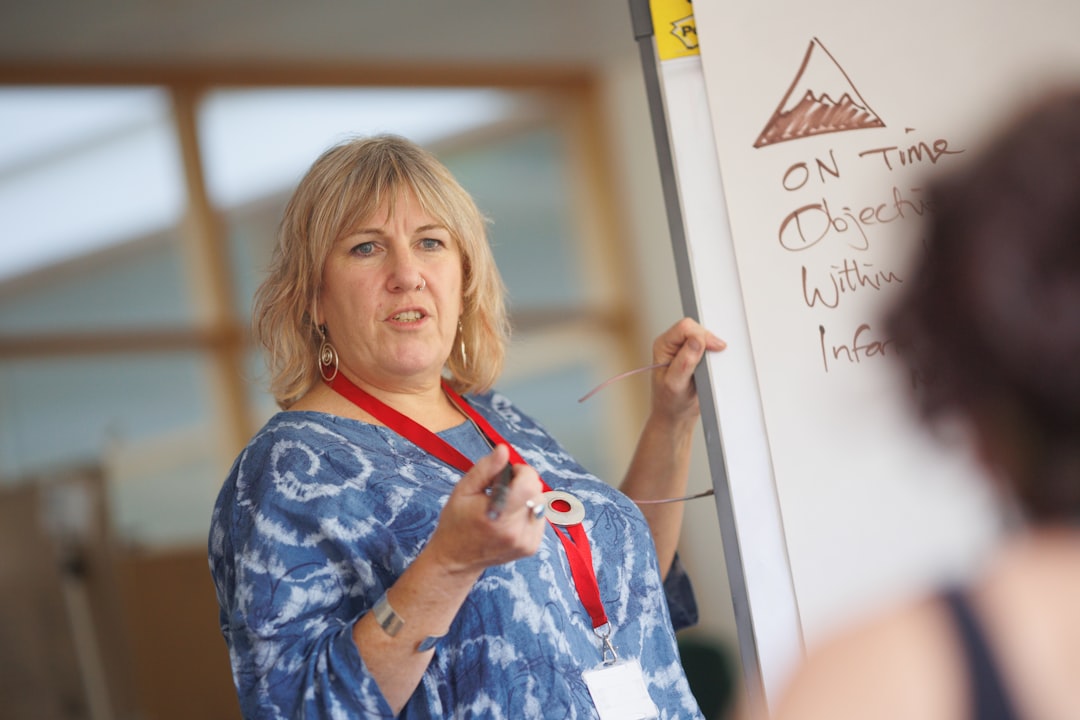
A Two-Minute Gap You Can Build Today
Take any reading passage you already have. Make two copies. On copy A, white out five facts — a date, a name, a number, a place, a reason. On copy B, white out five different facts. Pair the students, tell them they may not show each other the paper, and ask them to fill in every blank by asking questions. A dead comprehension worksheet has just become a fifteen-minute speaking task with built-in accountability, because a wrong answer leaves a visible gap on the page. That is the whole trick, and it scales to almost any material you own.
Give the Talk a Destination
An information gap gets students talking; a task tells them when they are finished. This is the second half of the design, drawn from task-based language teaching. A task has an outcome that is not “produce correct sentences” but “decide, rank, build, solve, or agree on something.” The language is the means, not the point — which is exactly how language works outside the classroom.
Compare “practise the second conditional” with “your group has a small budget and must choose which three of these eight problems to fix first — you have to reach agreement.” The second sentence never mentions grammar, yet students will reach for conditionals, comparatives, and modals because the decision demands them. Give an activity a destination and the grammar arrives as a passenger. Leave it as pure grammar practice and students produce the target form once, correctly, joylessly, and forget it by Thursday.
Good task outcomes share a shape. There is usually a decision to make or a thing to produce, more than one defensible answer so opinions can differ, and a moment at the end where each group reports what they concluded. That final report matters more than it looks: knowing they must present their result quietly raises the stakes during the task itself and gives you a natural window to hear who is struggling.
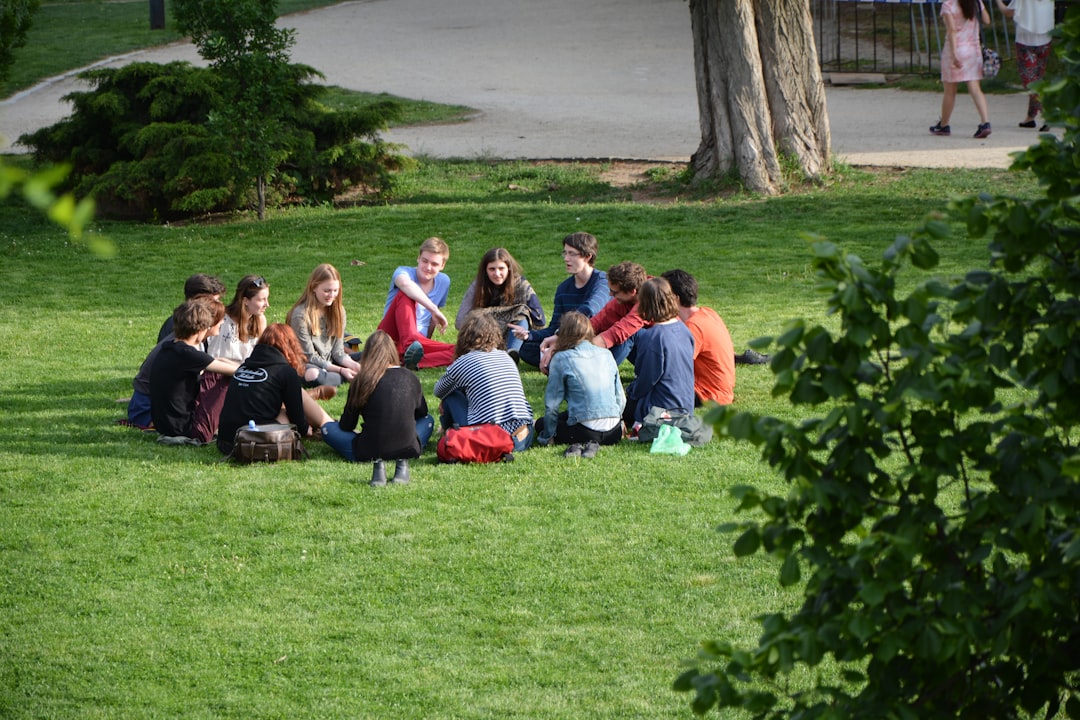
Student Talking Time Is the Number That Matters
If you measured only one thing about your lessons, measure the ratio of student talking time to teacher talking time. Most of us overestimate how much our students speak because our own voice is loud in our own ears. Record ten minutes of a lesson sometime and listen back; the result is usually humbling. We explain, we model, we ask a question and then answer it ourselves during the silence we were too impatient to hold, and the students — who came to practise a skill they can only build by using it — spend the hour listening to someone who is already fluent.
The information gap and the task exist to shift this ratio. When the communication genuinely runs between students, your voice naturally recedes, and that is the whole aim. A packed activity where the teacher talks for forty of sixty minutes has failed, however clever it looked on paper. A plain activity where students talk for forty of sixty minutes has succeeded, however ordinary it seemed. Judge activities by the ratio they produce, not by how impressive they are to describe.
Cutting Your Own Voice in Half
Two habits do most of the work here. First, give instructions and then stop — model the task with one strong student instead of explaining it three times, then release the class. Second, learn to sit inside silence after asking a question. Counting to ten in your head feels agonising, but that pause is the space where a student assembles a sentence. Fill it, and you have trained the class to wait for you. Hold it, and you have trained them to think.

Personalisation Is the Cheapest Upgrade You Have
The fastest way to raise the temperature of almost any activity is to make its content about the actual people in the room. “Ask three classmates about their favourite food” beats “read the dialogue about Tom’s favourite food” every time, for a reason that has nothing to do with methodology and everything to do with human nature: we are far more willing to speak, and to listen, when the subject is a real person sitting a metre away. A genuine information gap and a personal topic are close cousins — you cannot already know what your classmate did last summer, so asking is real.
This also solves the problem of tired materials. A coursebook survey about hobbies becomes new the moment the answers are your students’ own hobbies. A grammar drill about past habits comes alive when students describe what they used to do as children. You are not replacing the activity; you are pointing it at the people in front of you, and that redirection is free.
One Activity, Many Lives
Once you see activities as mechanisms rather than objects, you stop needing hundreds of them. A single strong format — a find-someone-who grid, a describe-and-draw gap, a rank-and-agree decision task — can carry a dozen different lessons because you simply pour new language into the same reliable frame. This is why experienced teachers seem to “know so many activities” when in truth they know a handful very deeply and adapt them endlessly.
Take describe-and-draw. Today it practises prepositions of place as students position furniture in a room. Next week it practises clothing and appearance as they reconstruct a described person. The week after, it drills past continuous as they redraw a scene where several things were happening at once. Same mechanism, three grammar points, near-zero preparation once the frame is familiar to the class. Learning to see this depth in a few formats is far more valuable than skimming fifty you will run once and forget.

Reading the Room and Knowing When to Stop
No design principle survives contact with a real class untouched. The best-engineered gap can still stall — the level was slightly too high, the pairing was awkward, the energy after lunch was gone before you started. The skill that separates smooth lessons from grinding ones is not choosing the perfect activity but reading, in real time, whether the one you chose is working, and being willing to end it early.
Watch the volume in the room, not the clock. When an information-gap task is genuinely working, the noise level rises and stays up; when it has run its course, the room goes quiet and students start switching to their first language or fidgeting with their phones. That dip is your signal. Stop while there is still a little energy left rather than squeezing the last drop from an activity that is already dying — a task that ends thirty seconds too early leaves students wanting more, while one that runs two minutes too long teaches them that English class is where time goes to be endured.
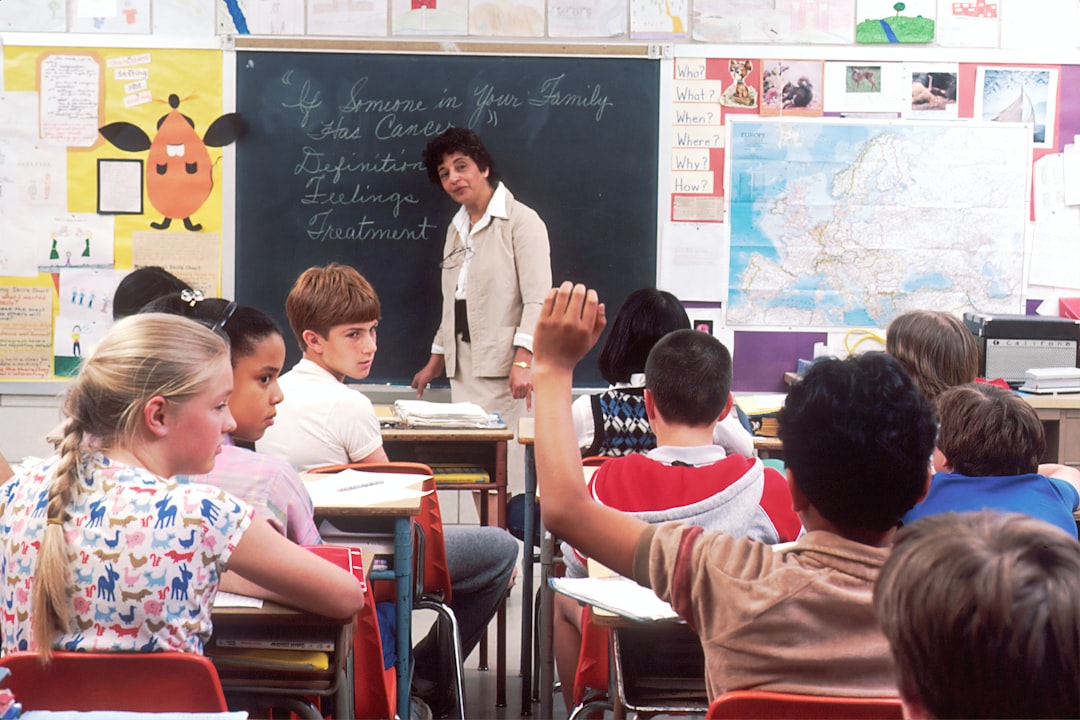
Putting the Principle to Work
You do not need a list of fifty activities. You need three or four reliable formats you understand deeply, a habit of building a real information gap into each one, a clear task outcome so the talk has somewhere to go, and the discipline to keep your own voice small. Run any coursebook page through those filters and you can predict, before the bell, whether it will fill the room with English or with polite silence.
The next time you open a mega-list of classroom ideas, read it differently. Do not ask “which of these should I use.” Ask “where is the gap in this one, and where is the destination.” The activities with both will work. The ones with neither will not, no matter how many other teachers swear by them. Once you can see that difference at a glance, you have replaced fifty borrowed activities with one principle you can use forever — and that is the only list you ever really needed.
מקורות
- TeachingEnglish (British Council / BBC) — reference material on information-gap and task-based activities.
- הוצאת אוניברסיטת קיימברידג' — background on communicative language teaching and task-based learning.
- Wikipedia: Task-based language learning — overview of the methodology and its origins.
- Wikipedia: Communicative language teaching — the wider framework the information gap belongs to.
Looking for free ESL worksheets? Browse our full collection — printable resources for every level and age group. Browse Free Worksheets →
Students can access free worksheets and reading materials at 18KEnglish.com.






 HE
HE  EN
EN  ZH
ZH  ZH_CN
ZH_CN  KO
KO  VI
VI  FR
FR  AR
AR  ES
ES  HI
HI  PT
PT  BN
BN  RU
RU  JA
JA  TR
TR  DE
DE  IT
IT  PL
PL  ID
ID  TH
TH  FA
FA  UK
UK  TL
TL  UR
UR  SW
SW  RO
RO  NL
NL  MS
MS  TA
TA  PS
PS  HU
HU  EL
EL  SV
SV  NB
NB  NN
NN  DA
DA  CS
CS  SR
SR  AM
AM