
Ocean Plastic Pollution – Level F ESL Worksheet (Advanced)
This advanced ESL worksheet on Ocean Plastic Pollution is designed for Level F learners (approximately Grade 6 level). Students will read a detailed article about the global plastic crisis, complete vocabulary matching, true/false statements, fill-in-the-blank exercises, and comprehension questions. The worksheet is ideal for academic English practice and environmental discussions.
Ocean Plastic Pollution – Level F Article
Plastic זיהום has become one of the most urgent threats facing our סְבִיבָה. Every year, over 380 million metric tons of plastic are produced globally, and roughly 11 million tons flow directly into the world’s oceans. Unlike organic matter, plastic does not biodegrade — it photodegrades into microplastics: fragments smaller than five millimeters that permeate every layer of the ocean. This accumulating crisis is growing worse with each passing decade.
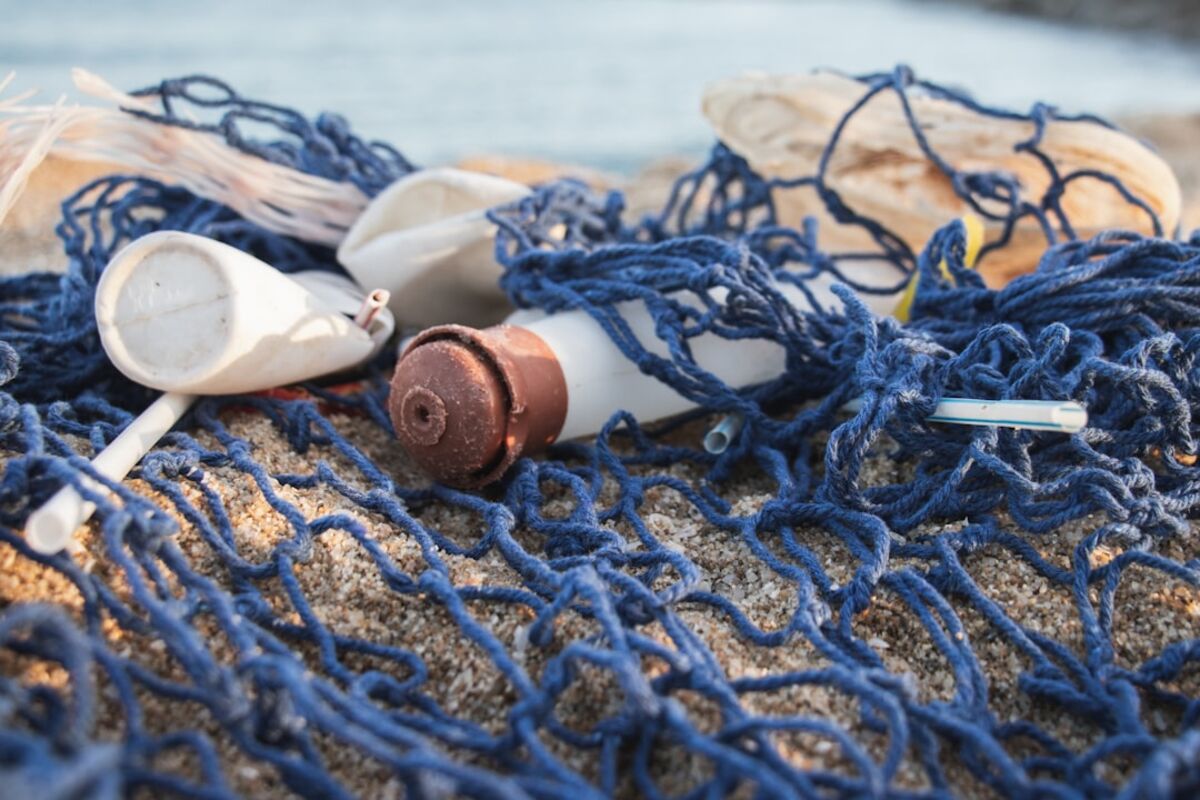
ה נֵזֶק to marine ecosystems is severe. Sea turtles, seabirds, dolphins, and whales ingest plastic debris, mistaking it for food. Discarded fishing nets — known as ghost gear — trap and kill thousands of marine animals each year. Coral reefs face additional stress from harmful plastic fragments that block sunlight. Single-use plastics, which account for nearly half of all plastic waste, are the leading contributors to ocean pollution worldwide.
Microplastics have entered the food chain in ways that directly affect human health. Studies have detected plastic particles in fish tissue, shellfish, and drinking water worldwide. Chemical compounds embedded in plastic, such as BPA and phthalates, leach into ocean water and accumulate in the fatty tissue of marine species. Even apex predators — animals that survive at the top of the food chain — now carry measurable levels of plastic contamination in their bodies.
Governments and organizations worldwide are working to לְהַגֵן marine ecosystems through legislation and cleanup initiatives. The European Union has banned many single-use plastics, and ocean cleanup projects are deploying large-scale systems to collect surface debris. However, experts caution that cleanup alone is insufficient. The most effective strategy is to reduce plastic production at its source — fundamentally changing how industry designs, manufactures, uses, and disposes of plastic materials globally.
No single solution exists, but collective action can create meaningful change. Consumers can choose reusable products and support companies that minimize plastic packaging. Schools and communities can organize cleanup campaigns to remove debris from local waterways. Policymakers can enforce stricter regulations on plastic production and disposal standards. Scientists continue to develop biodegradable alternatives to conventional plastic. The ocean’s capacity to recover ultimately depends on humanity’s willingness to act decisively and cooperate across borders.
אוֹצָר מִילִים
- זיהום – harmful substances released into the environment
- סְבִיבָה – the natural world around us
- נֵזֶק – harm caused to something
- reduce – to make something smaller or less
- לְהַגֵן – to keep something safe from harm
- harmful – causing damage or injury
- survive – to continue to live through danger
- waste – material thrown away as no longer useful
- crisis – a time of serious danger or difficulty
- solution – an answer to a problem






 HE
HE  EN
EN  ZH
ZH  ZH_CN
ZH_CN  KO
KO  VI
VI  FR
FR  AR
AR  ES
ES  HI
HI  PT
PT  BN
BN  RU
RU  JA
JA  TR
TR  DE
DE  IT
IT  PL
PL  ID
ID  TH
TH  FA
FA  UK
UK  TL
TL  UR
UR  SW
SW  RO
RO  NL
NL  MS
MS  TA
TA  PS
PS  HU
HU  EL
EL  SV
SV  NB
NB  NN
NN  DA
DA  CS
CS  SR
SR  AM
AM