Dogme Language Teaching: 7 Best Tips
|

Dogme Language Teaching: 7 Best Tips

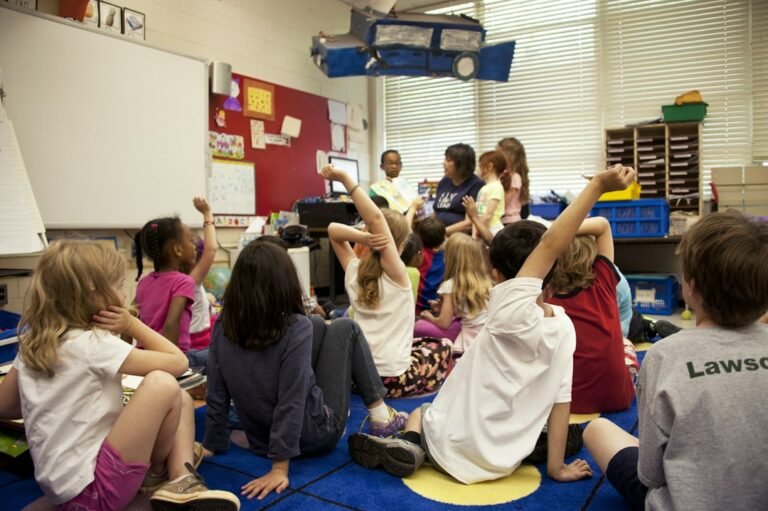
Dogme language teaching is an ESL approach that drops the textbook and builds the lesson from conversation instead — the teacher reacts to what students actually say, writes it up correctly on the board, and lets grammar and vocabulary emerge from that exchange rather than from a pre-set syllabus. Scott Thornbury and Luke Meddings developed…


students in an ESL classroom during a Community Language Learning lesson
|

Community Language Learning: 7 ESL Techniques

Community Language Learning (CLL) is a 1970s teaching method, created by psychologist Charles Curran, that puts students in a circle and has the teacher act as a “knower” who translates what students want to say into English. Students record their own sentences, transcribe them, then analyze the grammar together — turning their own conversation into…

teacher correcting a Mandarin speaker's English mistakes in class
|

Common English Mistakes Mandarin Speakers Make (And How to Fix Them)

Mandarin speakers’ English mistakes follow a short, predictable list: dropped plural -s, missing or misused articles, pronoun mix-ups between “he” and “she,” verb tense that never changes, and consonant sounds Mandarin simply doesn’t have (like “th”). Every one of these traces back to a specific gap between Mandarin grammar and English grammar, which means every…

Sunlight streaming through a misty forest canopy above an underground mycorrhizal fungal network
|

The Wood Wide Web: How Fungi Connect the Forest

Beneath every forest floor, invisible to the naked eye, there is a network of extraordinary complexity. It connects trees to each other, carries nutrients across hundreds of meters, and allows a dying tree to send a final gift to its neighbors. Scientists call it the mycorrhizal network. Most of us call it the Wood Wide…

Sunlight filtering through a green forest canopy, the setting for questions about whether plants feel pain
|

Do Plants Feel Pain? The Science Explained

No. Plants have no brain, no nervous system, and no nociceptors, so they cannot feel pain the way an animal does. But they detect damage in seconds, send electrical and chemical signals through their whole body, and change their behavior afterward — responses that look remarkably like reacting to an injury, even without anyone home…