
Home Gardens and Plants – Elementary ESL Worksheet
Explore the wonderful world of home gardens with this elementary-level ESL worksheet! Perfect for young learners developing their English reading and vocabulary skills through the familiar, engaging topic of plants and gardening.
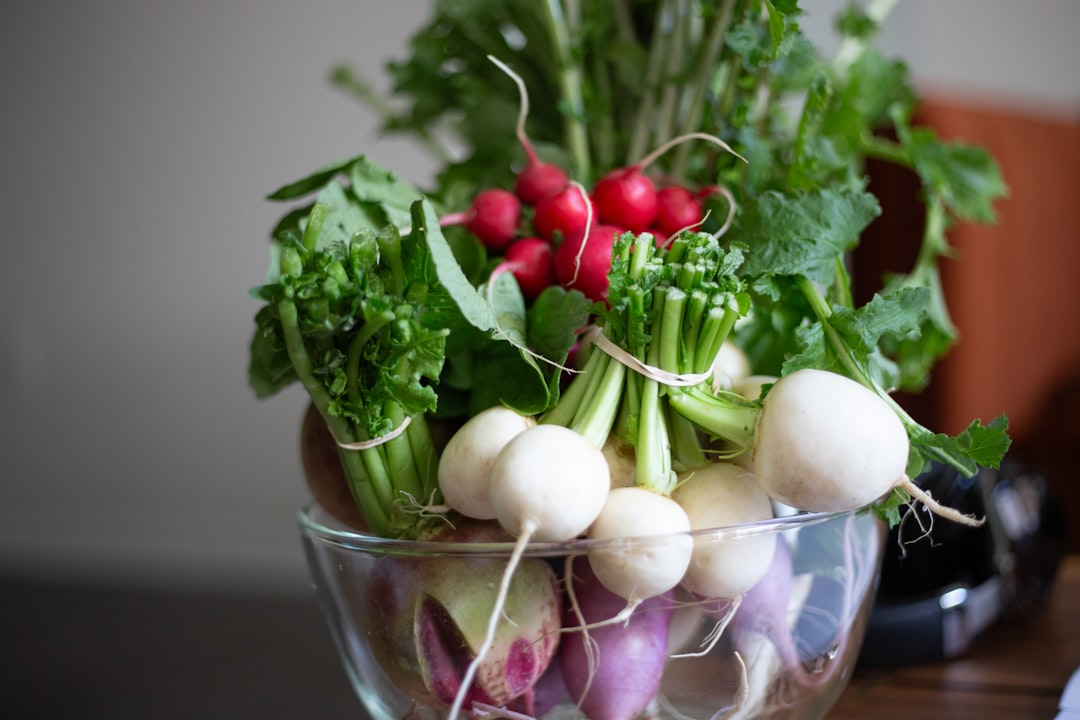
What Students Learn
This elementary ESL worksheet introduces young learners to essential English vocabulary about home gardens, plants, and basic horticulture. Students will:
- Learn essential vocabulary about plants, gardens, and growing food
- Understand how plants need water, sun, soil, and air to grow
- Identify different types of plants: flowers, vegetables, trees, and herbs
- Practice basic garden care vocabulary and simple past tense
- Develop reading comprehension through a simple, engaging passage about gardens
- Build confidence using new words in sentences and short conversations
Key Vocabulary: Elementary Level
This worksheet introduces ten key vocabulary words appropriate for elementary English learners. Each word is presented with a simple definition and example sentence:
| Word | What It Means | Example |
|---|---|---|
| Garden | A place where plants grow | We have a garden in our backyard. |
| Seed | A small thing that grows into a plant | Plant the seed in the soil. |
| Soil | The dirt that plants grow in | Good soil helps plants grow strong. |
| Water | The liquid plants need to live | Give your plants water every day. |
| Sunlight | Light from the sun | Plants need sunlight to make food. |
| Leaf / Leaves | The green flat parts of a plant | The leaves are green and soft. |
| Root | The part of the plant underground | Roots drink water from the soil. |
| Flower | The colorful part of a plant | The flower is red and beautiful. |
| Vegetable | A plant we eat for food | Carrots and tomatoes are vegetables. |
| Harvest | To pick fruits and vegetables when ready | We harvest tomatoes in summer. |
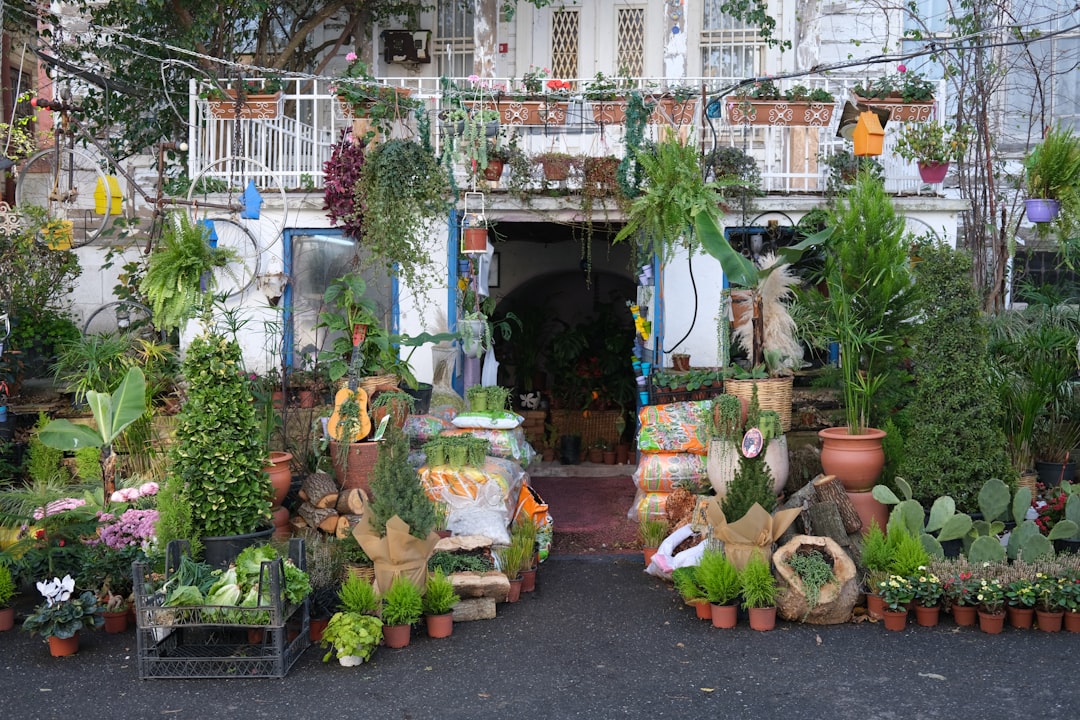
Watch and Learn: Garden Vocabulary Video
Start your lesson with this fun vocabulary video! Watch and listen to garden words in context. Students can repeat the words and practice pronunciation:
Activities in This Worksheet
This elementary-level worksheet is structured for young learners with five engaging activity types that build vocabulary knowledge step by step:
Activity 1: Vocabulary Building — 10 Key Words with Pictures
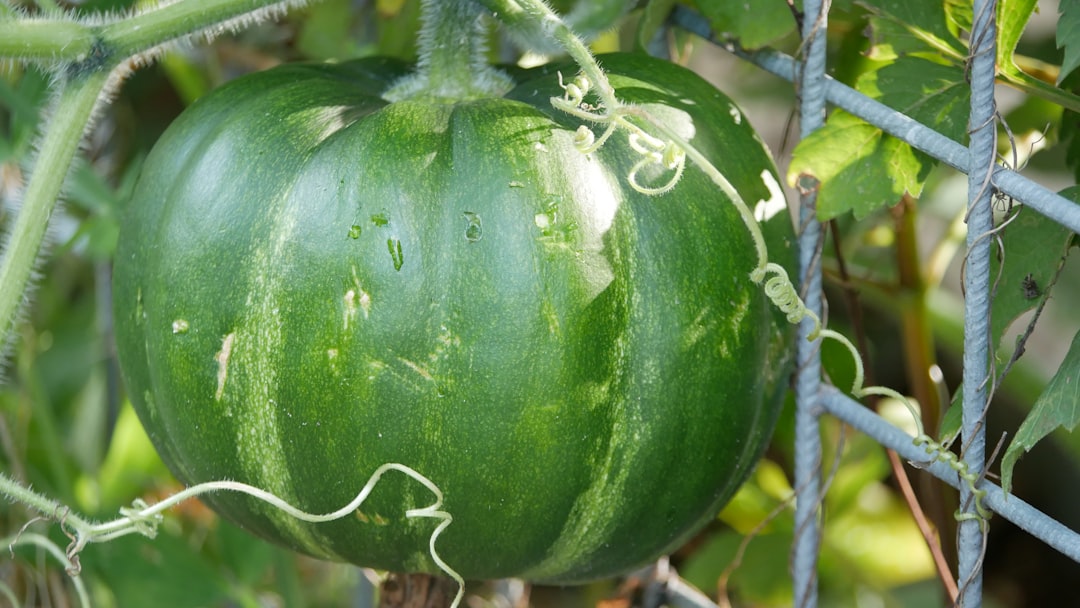
Students match illustrated flashcard images of garden objects with their English names. Pictures include a seed, a watering can, a flower, a vegetable (carrot), soil, leaves, roots, sunlight, a garden plot, and a harvest basket. This visual approach is ideal for elementary ESL learners who benefit from image-word associations.
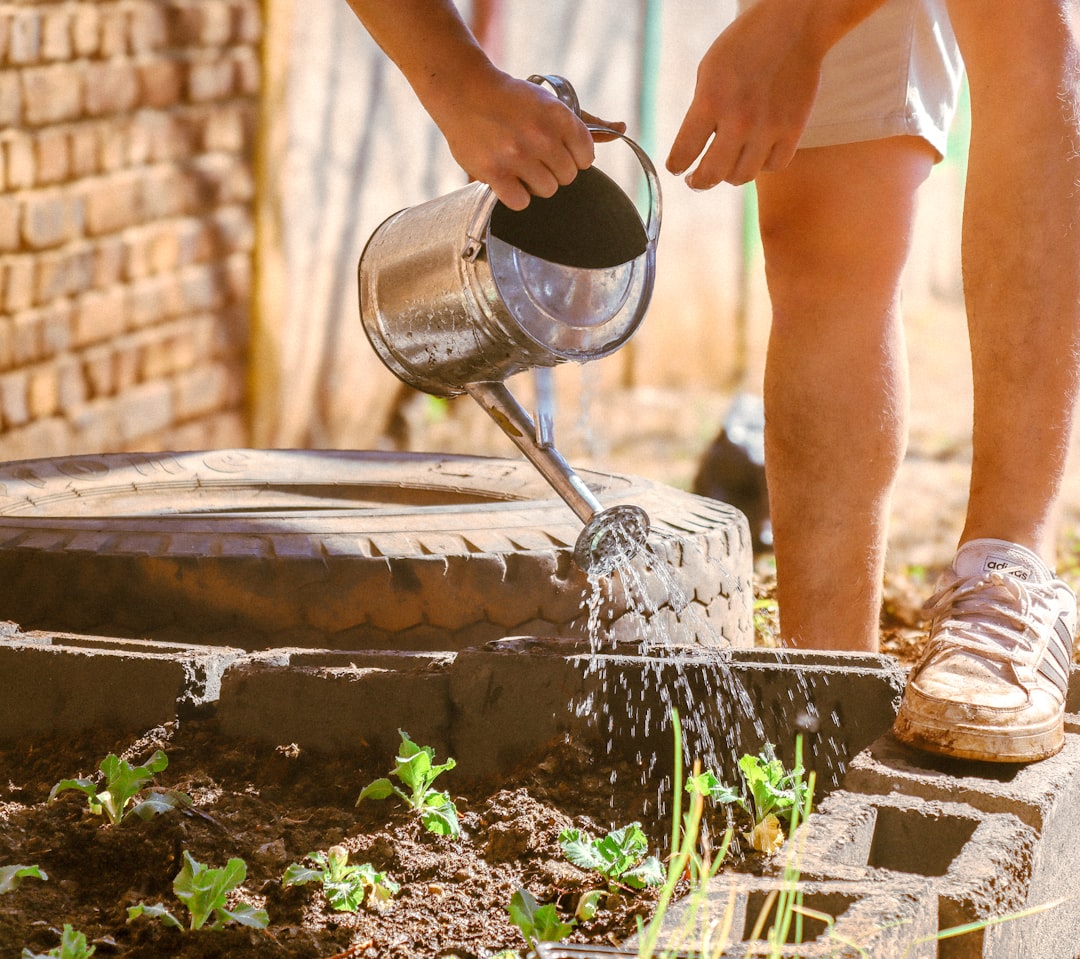
Activity 2: True/False Questions
Students read six simple sentences about gardens and plants and decide if each statement is true or false. This activity checks basic reading comprehension and encourages students to recall vocabulary meanings. Example statements include: “Plants need sunlight to grow (True/False)” and “Seeds grow underground first (True/False).”
Activity 3: Fill in the Blanks
Students complete eight sentences by choosing the correct vocabulary word from a word bank. This reinforces vocabulary in written context and practices basic sentence structure. Sentences are kept simple and clear for elementary-level language ability:
- “Plants grow in __________ (soil / water).”
- “We __________ the tomatoes when they are red and big.”
- “The __________ of a plant drinks water underground.”
Activity 4: Reading Comprehension
A short, engaging 220-word reading passage tells the story of a child who plants their first vegetable garden. The passage uses all ten key vocabulary words in natural context and includes a clear narrative structure. Four reading comprehension questions test understanding at different levels:
- Simple recall: “What does the child plant in the garden?”
- Vocabulary in context: “What does the word ‘harvest’ mean in paragraph 2?”
- Inference: “How do you think the child feels at the end of the story?”
- Personal connection: “Do you have a garden at home? What do you grow?”
Activity 5: Discussion Questions
Simple speaking prompts encourage young learners to share their own experiences with plants and gardens. These discussion questions use familiar, accessible language and connect the vocabulary to students’ personal lives:
- “What is your favorite flower or vegetable?”
- “Have you ever planted a seed? What happened?”
- “What do plants need to grow healthy and strong?”
- “Why is it important to take care of plants and gardens?”
How to Use This Worksheet
This elementary ESL garden worksheet works well as a standalone lesson or as part of a broader unit on nature, food, or seasons. Here are some teacher tips:
- Warm-up idea: Bring in a real plant or seeds to class — touching and looking at real objects helps young learners remember vocabulary
- Vocabulary game: Play “What is it?” — describe a vocabulary word using simple English and have students guess
- Pair work: Students complete the fill-in-the-blank activity with a partner, taking turns reading sentences aloud
- Art extension: Students draw their dream garden and label the plants using vocabulary from the worksheet
- Take-home task: Students ask a family member to name three plants in or near their home in English
Worksheet Specifications
Level: Elementary (CEFR A1-A2) | Reading Level: Grade 2-3 | MOE Vocabulary: Level 1
Word Count: ~220 words (main passage) | Format: 2-page PDF worksheet with illustrated vocabulary section
Time Required: 40-50 minutes for a full lesson; 20-25 minutes as homework
Download PDF: Home Gardens Elementary ESL Worksheet PDF
About This Resource
Created by Tahric Teaches, this elementary ESL worksheet is designed for young English learners in Taiwan and other ESL contexts. All worksheets are carefully crafted to build confidence, develop vocabulary, and make language learning enjoyable for children aged 6-10.
Why Gardens Are the Perfect ESL Topic for Young Learners
Home gardens provide an ideal context for elementary English vocabulary learning because they connect language to tangible, observable objects that children can see and touch in their everyday lives. Unlike abstract grammar exercises, garden vocabulary has immediate practical relevance — students can use these words at home, in the market, and on nature walks. This real-world connection makes vocabulary retention much stronger for young learners.
In Taiwan, many children have seen vegetable gardens in grandparents’ homes, school gardens, or parks. Connecting new English vocabulary to experiences they already have in Chinese makes learning more efficient and personally meaningful. Words like “soil,” “seed,” “leaf,” and “harvest” are concepts children already understand — this worksheet simply teaches them to express these ideas in English.
Growing Young Learners’ Confidence
Elementary-level ESL worksheets should do more than teach vocabulary — they should build students’ confidence and enjoyment of English learning. This worksheet is designed with young learners’ psychology in mind:
- Activities progress from simple recognition tasks to more challenging expression
- Visual vocabulary section reduces anxiety by allowing matching before production
- True/False activities give students achievable early wins that build momentum
- Discussion questions invite personal sharing rather than testing correctness
- The story-based reading passage creates emotional engagement through narrative
When children finish this worksheet successfully, they feel proud of what they can say and understand in English. This positive emotional experience with the language is the foundation of long-term language learning motivation.
Connecting Home and School Learning
One of the most powerful features of garden-themed ESL worksheets is their ability to bridge classroom learning with home experiences. After completing this worksheet, students are encouraged to:
- Show the vocabulary words to family members and teach them in English
- Find examples of “leaves,” “roots,” and “flowers” in their neighborhood
- Try growing a seed in a small pot at home and describe it using English words
- Draw their own garden picture and label it with vocabulary from the worksheet
These take-home connections reinforce vocabulary naturally, increase family involvement in language learning, and create memorable personal experiences that help words stick in long-term memory.
About Tahric Teaches Elementary ESL Materials
Tahric Teaches designs elementary ESL worksheets for young learners in Taiwan, providing materials that combine language accuracy with engaging, age-appropriate content. Each worksheet is carefully calibrated for vocabulary level, reading complexity, and activity variety to keep young students engaged while building solid language foundations.
Our elementary worksheet collection covers topics from daily life, nature, food, animals, family, seasons, and community — all using vocabulary aligned with Taiwan’s Ministry of Education curriculum standards. Browse the full collection to find worksheets that fit your students’ level and interests.
Download the PDF now and give your young learners an engaging, confidence-building English lesson about one of nature’s most wonderful topics. Available as an instant download, ready to print and use in your next class. Perfect for teachers, parents, and tutors who want high-quality elementary ESL materials that make a real difference in children’s English language development.




 EN
EN  ZH
ZH  ZH_CN
ZH_CN  KO
KO  VI
VI  FR
FR  AR
AR  ES
ES  HI
HI  PT
PT  BN
BN  RU
RU  JA
JA  TR
TR  DE
DE  IT
IT  PL
PL  ID
ID  TH
TH  FA
FA  UK
UK  TL
TL  HE
HE  UR
UR  SW
SW  RO
RO  NL
NL  MS
MS  TA
TA  PS
PS  HU
HU  EL
EL  SV
SV  NB
NB  NN
NN  DA
DA  CS
CS  SR
SR  AM
AM