English Conversation Practice: Transform Your ESL Classroom
English conversation practice is the cornerstone of effective language learning, yet many ESL teachers struggle to create authentic speaking opportunities that truly engage their students. Research shows that students need meaningful interaction to develop fluency, but traditional methods often fall short of creating the dynamic environment necessary for real communication skills development.
Why Traditional Conversation Practice Falls Short
Most ESL classrooms rely on repetitive drills and scripted dialogues that fail to mirror real-world communication. Students memorize phrases without understanding when and how to use them naturally. The result? Learners who can recite perfect grammar rules but freeze when faced with spontaneous conversation.
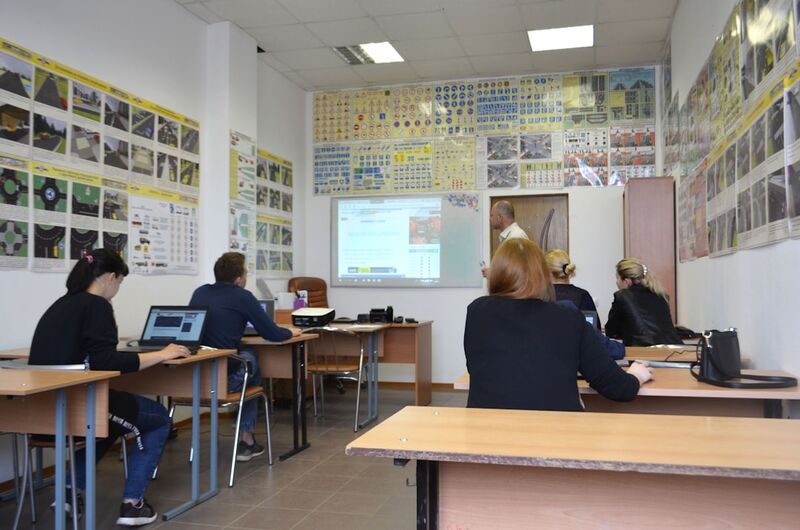
The problem lies in the artificial nature of traditional exercises. When students practice predetermined conversations, they’re not developing the critical thinking and spontaneous language production skills needed for authentic communication. Real conversation requires listening, processing, formulating responses, and adapting to unexpected turns in dialogue.
Creating Authentic Speaking Environments
Successful English conversation practice begins with establishing a safe, encouraging environment where students feel comfortable making mistakes. Fear of judgment is the biggest barrier to speaking practice, so teachers must actively work to reduce student anxiety while maximizing speaking opportunities.
Start each session with low-pressure warm-up activities that get everyone talking. Simple icebreakers like “Two Truths and a Lie” or “Weekend Stories” help students ease into English mode without the pressure of perfect performance. These activities should be brief but consistent, establishing a routine that signals it’s time to speak.

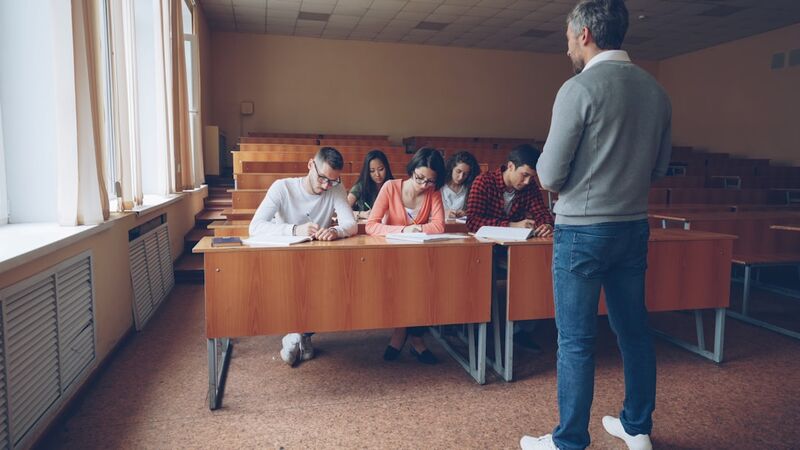
The physical setup of your classroom also impacts conversation success. Arrange desks in circles or U-shapes that promote eye contact and interaction. Avoid traditional rows that encourage teacher-centered instruction instead of student-to-student communication.
Task-Based Speaking Activities That Work
Task-based learning transforms conversation practice from artificial exercises into meaningful communication. When students have a genuine purpose for speaking, their language becomes more natural and their engagement increases dramatically.
Information gap activities are particularly effective for conversation practice. Give pairs of students different pieces of information and require them to share details to complete a task. For example, one student might have a train schedule while their partner has destination information. They must communicate to plan a journey together.
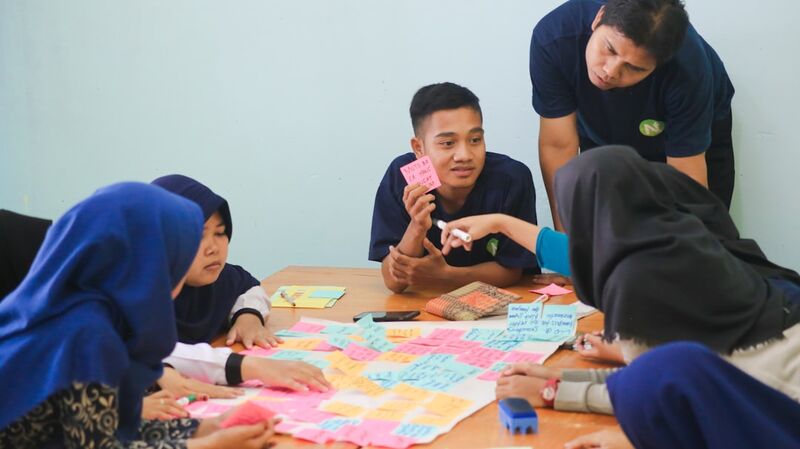
Problem-solving tasks create natural conversation flow because students must negotiate, argue, and reach consensus. Present scenarios like planning a class party with budget constraints, or deciding how to survive on a desert island. These situations mirror real-life communication where people must work together to achieve goals.
Role-plays move beyond simple scripted dialogues when students are given complex scenarios with conflicting interests. Instead of “ordering food at a restaurant,” try “returning a defective product when the store has a no-return policy.” These situations require students to think on their feet and use persuasive language naturally.
Maximizing Student Talk Time
The biggest mistake in conversation practice is excessive teacher talk time. Research indicates that students should be speaking at least 70% of the time during conversation activities, yet many teachers find themselves doing most of the talking.
Implement strict turn-taking protocols that ensure equal participation. Use techniques like “numbered heads” where you assign each student a number, then call numbers randomly to contribute to discussions. This prevents dominant students from monopolizing conversation while encouraging quieter learners to participate.

Pair work and small group activities exponentially increase individual speaking time compared to whole-class discussions. While one student speaks to the entire class for 30 seconds, that same timeframe allows six pairs to practice for the full 30 seconds each. The math clearly favors small group interaction for maximizing practice opportunities.
Monitor groups strategically by moving around the room and listening without interrupting. Take notes on common errors or successful language use to address during feedback sessions. Resist the urge to correct mistakes immediately; instead, let conversation flow naturally and address errors afterward.
Technology Integration for Conversation Practice
Modern technology offers powerful tools for extending conversation practice beyond the classroom. Video conferencing platforms enable conversation exchanges with native speakers or students in other countries, providing authentic cultural context for language learning.
Recording tools allow students to practice conversations outside class time and receive detailed feedback on pronunciation, fluency, and language use. Apps like Flipgrid create video discussion boards where students can respond to prompts and comment on classmates’ responses asynchronously.
Virtual reality environments are emerging as innovative spaces for conversation practice. Students can engage in realistic scenarios like job interviews, business meetings, or social situations without the anxiety of face-to-face interaction. While still developing, VR shows promising results for building speaking confidence.
Language learning platforms with AI conversation partners provide personalized practice opportunities. These tools adapt to individual student levels and provide immediate feedback on grammar, vocabulary use, and pronunciation. While they cannot replace human interaction, they offer valuable supplementary practice.
Assessment Strategies for Speaking Skills
Effective assessment of conversation skills requires moving beyond traditional testing methods that focus on accuracy over communication. Authentic assessment should evaluate students’ ability to maintain conversation, express ideas clearly, and adapt their language to different contexts.
Develop rubrics that balance accuracy with fluency and communicative effectiveness. Include criteria for turn-taking, asking follow-up questions, and maintaining topic coherence. Weight communication success more heavily than perfect grammar to encourage risk-taking in language use.

Portfolio assessments allow students to demonstrate speaking progress over time. Include recordings of conversations, self-reflections on speaking challenges, and goal-setting for future improvement. This approach helps students take ownership of their learning while providing comprehensive data on their development.
Peer assessment teaches students to listen critically and provide constructive feedback. Train students to evaluate communication effectiveness rather than just grammatical correctness. This skill serves them well in real-world situations where they must navigate conversations with other non-native speakers.
Overcoming Common Challenges
Silent students present one of the biggest challenges in conversation practice. These learners often understand far more than they express but lack confidence to participate verbally. Start with written responses that students can read aloud, gradually transitioning to spontaneous speech.
Create specific roles for quieter students that play to their strengths. Appoint them as “question askers” or “summary providers” to ensure participation without putting them on the spot for extended speaking. Gradually increase their speaking responsibilities as confidence builds.

Mixed-level classes require careful activity design to ensure all students can participate meaningfully. Use scaffolded tasks where stronger students take more complex roles while beginners handle simpler contributions. Jigsaw activities work well because each student contributes unique information regardless of their level.
Time management becomes critical when conversation activities can easily expand beyond planned limits. Build natural stopping points into activities and use timers to keep discussions focused. Have transition activities ready to smoothly move between different speaking tasks.
Building Long-Term Speaking Confidence
Successful conversation practice extends far beyond individual activities to create systematic development of speaking skills. Students need repeated exposure to similar situations with gradually increasing complexity to build true communicative competence.
Establish conversation circles that meet regularly outside of class time. These informal sessions allow students to practice in a relaxed setting without the pressure of assessment. Many students make breakthrough progress in these low-stakes environments.
Set individual speaking goals with each student based on their specific challenges and interests. Some students need to work on pronunciation, others on fluency, and still others on using appropriate register for different situations. Personalized goals create more meaningful learning experiences.
Celebrate speaking successes publicly to build a positive culture around risk-taking in language use. When students see their classmates praised for attempting difficult expressions or successfully managing complicated conversations, they become more willing to stretch their own language abilities.
Measuring Success in Conversation Practice
The ultimate goal of English conversation practice is preparing students for real-world communication situations. Success should be measured not just by grammatical accuracy but by students’ ability to achieve their communication goals in authentic contexts.
Track progress through regular informal conversations that simulate real-world interactions. Notice improvements in students’ willingness to initiate conversation, their ability to maintain topics, and their success in recovering from communication breakdowns.
Document breakthrough moments when students successfully navigate challenging communication situations. These qualitative observations often provide more meaningful assessment data than formal speaking tests, showing genuine growth in communicative competence.
Regular student self-assessment helps learners recognize their own progress and identify areas for continued development. When students can articulate their speaking challenges and celebrate their improvements, they become more autonomous learners who will continue developing their conversation skills independently.
Források
- Cambridge-i Egyetemi Kiadó — Research on task-based language learning effectiveness in ESL contexts
- TESOL Nemzetközi Szövetség — Professional guidelines for English language teaching and speaking assessment
- Applied Linguistics Research Journal — Studies on student talk time and its impact on language acquisition
- Language Learning & Technology — Technology integration in second language speaking instruction
- Modern Language Journal — Assessment strategies for oral proficiency development in ESL students



 HU
HU  EN
EN  ZH
ZH  ZH_CN
ZH_CN  KO
KO  VI
VI  FR
FR  AR
AR  ES
ES  HI
HI  PT
PT  BN
BN  RU
RU  JA
JA  TR
TR  DE
DE  IT
IT  PL
PL  ID
ID  TH
TH  FA
FA  UK
UK  TL
TL  HE
HE  UR
UR  SW
SW  RO
RO  NL
NL  MS
MS  TA
TA  PS
PS  EL
EL  SV
SV  NB
NB  NN
NN  DA
DA  CS
CS  SR
SR  AM
AM