
English Idioms: Animals — 10 Expressions You Need to Know
English speakers have been borrowing from the barnyard and the savanna for centuries, and the result is a set of animal idioms that show up in boardrooms, classrooms, and casual conversation alike. When a manager tells a team to hold their horses, or a friend admits they’re letting the cat out of the bag, they’re using phrases that started as literal observations about real animals before drifting into figurative language that has nothing to do with barns or savannas at all.
This week’s idioms guide collects ten essential animal expressions, grouped by the creature behind them — horses, birds, barnyard animals, the biggest animals in the room, and one very displaced fish. For each one you’ll find a clear meaning, the real story behind where it came from, and two natural example sentences you can bring straight into your next lesson or conversation.

Why Teach Animal Idioms?
Animal idioms are some of the oldest and most durable expressions in English, partly because animals were simply part of daily life for most speakers until fairly recently. A farmer who watched a horse strain to pull a cart, or a market shopper who worried about being tricked by a dishonest seller, reached for the nearest animal image to make a point, and those images stuck around long after horses stopped pulling carts for a living. That long history also means these idioms rarely need updating — a phrase like the lion’s share has meant roughly the same thing for hundreds of years.
They’re also unusually visual, which makes them easy to teach and easy to remember. Ask a class to picture an actual elephant standing in a crowded living room, or a cat leaping out of a bag at a market stall, and the meaning of the idiom practically explains itself. Below are ten of the most useful animal idioms, moving from horses to birds to barnyard animals to the largest animals around, and finishing with a fish that’s landed somewhere it shouldn’t be.
Horse Sense
1. Hold your horses
Arti: Wait, slow down, or be patient before acting or deciding.
Asal: This is American slang dating to the early-to-mid 1800s, when it was often spelled “hold your hosses” in print. The phrase was a literal instruction to someone driving a horse-drawn carriage or wagon to rein the horses in before setting off or turning, rather than letting them bolt ahead. The literal command for controlling real horses eventually became a general way to tell any overeager person to slow down.
Contoh:
- Hold your horses — we haven’t even confirmed the budget yet.
- She wanted to announce the news immediately, but her business partner told her to hold her horses until the contract was signed.
2. Beat a dead horse
Arti: To keep arguing a point or pursuing an issue that has already been settled or exhausted, with no chance of further progress.
Asal: The image is blunt: whipping a horse that’s already dead produces nothing, no matter how hard or how often you do it. The British politician John Bright used the related phrase “flogging a dead horse” in Parliament in 1859 to mock a colleague’s attempt to revive public interest in a political issue nobody cared about anymore, and the American version, “beating a dead horse,” had become common slang by the later 1800s.
Contoh:
- We’ve discussed this proposal four times already; let’s not beat a dead horse.
- He kept bringing up the lost client in every meeting, even though everyone agreed he was just mengungkit-ungkit hal yang sudah basi..
3. Straight from the horse’s mouth
Arti: Information that comes directly from the most reliable, firsthand source possible.
Asal: This phrase comes from early-twentieth-century American horse racing. Bettors prized tips about a horse’s true condition and form above anything else, and the people closest to the animal — its trainer, jockey, or stable hands — were considered the most trustworthy source of all. Racing slang playfully pushed that logic one step further, joking that the only more reliable source than the trainer would be the horse itself.
Contoh:
- I heard about the merger straight from the horse’s mouth — the CEO told me herself.
- Don’t trust the rumors; get the schedule change straight from the horse’s mouth before you plan around it.
Birds of a Feather

4. Kill two birds with one stone
Arti: To accomplish two goals with a single action.
Asal: The phrase describes an efficient throw that strikes two birds at once instead of one, and its earliest confirmed English appearances in print date to the mid-1600s. The image is straightforward enough that it likely existed in spoken English well before anyone wrote it down, but by the seventeenth century it was common enough to turn up in essays and letters as a shorthand for getting double value from a single effort.
Contoh:
- By scheduling the client call during my commute, I killed two birds with one stone.
- Visiting her parents on the way to the conference let her kill two birds with one stone.
5. A wild goose chase
Arti: A hopeless, pointless pursuit that wastes time and leads nowhere.
Asal: Long before it meant a pointless errand, “wild goose chase” named a type of erratic horse race in sixteenth-century England, in which each rider had to follow wherever the lead rider went, producing a path as unpredictable as a flock of wild geese in flight. William Shakespeare used the phrase in its modern figurative sense in Romeo dan Juliet (1597), and that meaning — a pursuit with no clear destination — is the one that survived.
Contoh:
- We spent all afternoon on a pengejaran sia-sia looking for a parking spot that didn’t exist.
- Chasing down that rumor turned into a complete pengejaran sia-sia.
Watch: Animal Idioms in Action
Want to hear these expressions explained by a native speaker? This video walks through everyday animal idioms — a useful listening follow-up to today’s lesson.
Barnyard Tricks

6. Let the cat out of the bag
Arti: To accidentally reveal a secret, usually before the right time.
Asal: One widely cited explanation traces this to dishonest market sellers in eighteenth-century England, who would sometimes swap a cat for a suckling pig inside a sealed sack sold sight-unseen — a scam closely related to the older phrase “a pig in a poke.” If a suspicious buyer opened the bag to check before paying, the cat would literally be let out, exposing the trick on the spot. The earliest confirmed print use of the idiom dates to the 1760s.
Contoh:
- He membongkar rahasia about the surprise party before we’d even sent the invitations.
- Try not to membongkar rahasia — she wants to announce the engagement herself.

7. When pigs fly
Arti: Used to say something will never happen.
Asal: This idiom is an “adynaton,” a deliberately impossible comparison, and versions of it appear in Scottish and English proverbs about flying pigs dating back to at least the 1600s. The phrase got a major boost in popularity from Lewis Carroll’s Alice’s Adventures in Wonderland (1865), where the Duchess alludes to a similar saying about pigs taking flight, cementing the image in the popular imagination.
Contoh:
- He’ll clean his room without being asked when pigs fly.
- “Will the company give everyone Fridays off?” “Sure, right around the time pigs fly.”
The Biggest Thing in the Room

8. The elephant in the room
Arti: An obvious problem or awkward topic that everyone notices but nobody wants to discuss.
Asal: The imagery is often traced to Ivan Krylov’s 1814 fable “The Inquisitive Man,” about a museum visitor so absorbed in tiny details that he completely fails to notice the massive elephant on display in front of him. The English idiom itself solidified in American usage in its current form by the mid-twentieth century, describing exactly that kind of glaring, impossible-to-miss issue that a group collectively pretends not to see.
Contoh:
- Nobody wanted to bring up the layoffs, but it was the elephant in the room during the entire meeting.
- Let’s address the elephant in the room: sales have dropped three months in a row.

9. The lion’s share
Arti: The largest part of something, especially a part that may be unfairly large.
Asal: This phrase comes from Aesop’s fables, the collection of Greek stories traditionally credited to the storyteller Aesop around the sixth century BCE. In tales such as “The Lion, the Fox, and the Ass,” a lion joins other animals in a hunt but then claims the largest portion — or the entire kill — for itself simply because it’s the strongest animal present. English translations and retellings of the fable had made “the lion’s share” a common idiom by the 1600s.
Contoh:
- The senior partner took the lion’s share of the profits, even though the whole team did the work.
- Marketing gets the lion’s share of the budget every single year.
Out of Your Element
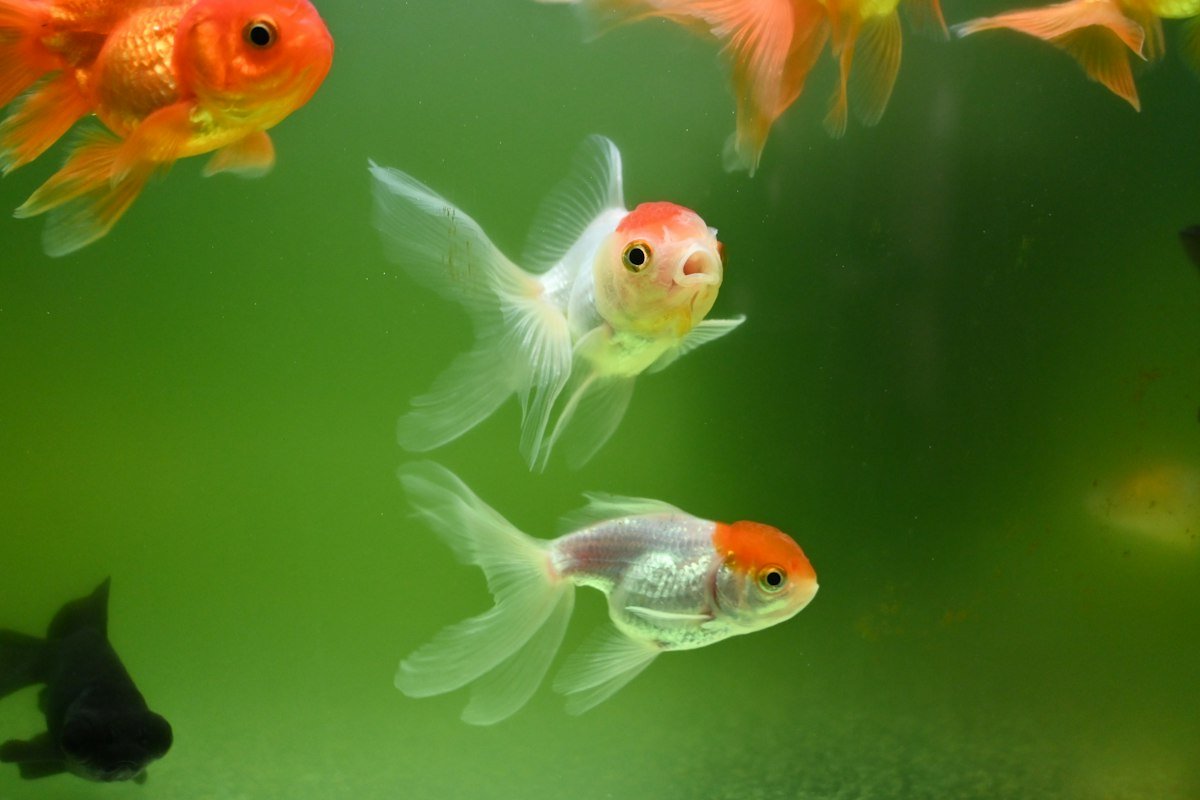
10. A fish out of water
Arti: Someone who feels awkward, uncomfortable, or completely out of place in an unfamiliar situation.
Asal: This is one of the oldest idioms on this list. Geoffrey Chaucer used a version of the image in The Canterbury Tales in the late 1300s, comparing a distressed character to “a fish that is waterless.” A fish genuinely cannot survive outside water, which makes it a vivid and lasting image for any creature — human or otherwise — stranded somewhere it clearly doesn’t belong.
Contoh:
- At the black-tie gala, the backpacker in hiking boots felt like a fish out of water.
- On his first day in the finance department, he was a fish out of water, completely unfamiliar with the software everyone else used daily.
How to Practice Animal Idioms
The easiest way to make these idioms stick is to connect them to a mental picture, since nearly every one on this list started as a literal, visual scene. Ask students to draw a quick sketch of their favorite idiom — a cat leaping out of an open bag, an elephant squeezed into a living room — and then explain what it means in their own words. A short role-play works well too: have one student play an impatient boss who needs to hold their horses, while the other explains why the project needs more time.
For homework, ask learners to write a few sentences describing a real situation using at least three of today’s idioms, whether that’s a time they felt like a fish out of water or a secret someone let out of the bag too soon. If you’re building out a themed vocabulary unit, pair this lesson with our guide to school and learning idioms or browse the rest of our English idioms series for more themed vocabulary lists. Master these ten expressions and your students will be ready to talk about patience, secrets, and scale with real native-level color — no barn or safari required.









 ID
 EN
 ZH
 ZH_CN
 KO
 VI
 FR
 AR
 ES
 HI
 PT
 BN
 RU
 JA
 TR
 DE
 IT
 PL
 TH
 FA
 UK
 TL
 HE
 UR
 SW
 RO
 NL
 MS
 TA
 PS
 HU
 EL
 SV
 NB
 NN
 DA
 CS
 SR
 AM