

ESL Classroom Management | 11 Strategies That Actually Work for Language Teachers
Managing an ESL classroom is one of those skills that nobody really teaches you in TEFL certification courses. You learn grammar rules, lesson planning templates, and activity ideas — but when you walk into a room full of students who share a different first language and wildly different proficiency levels, the real education begins. Classroom management in the ESL context is not about discipline in the traditional sense. It is about creating conditions where language acquisition can actually happen.
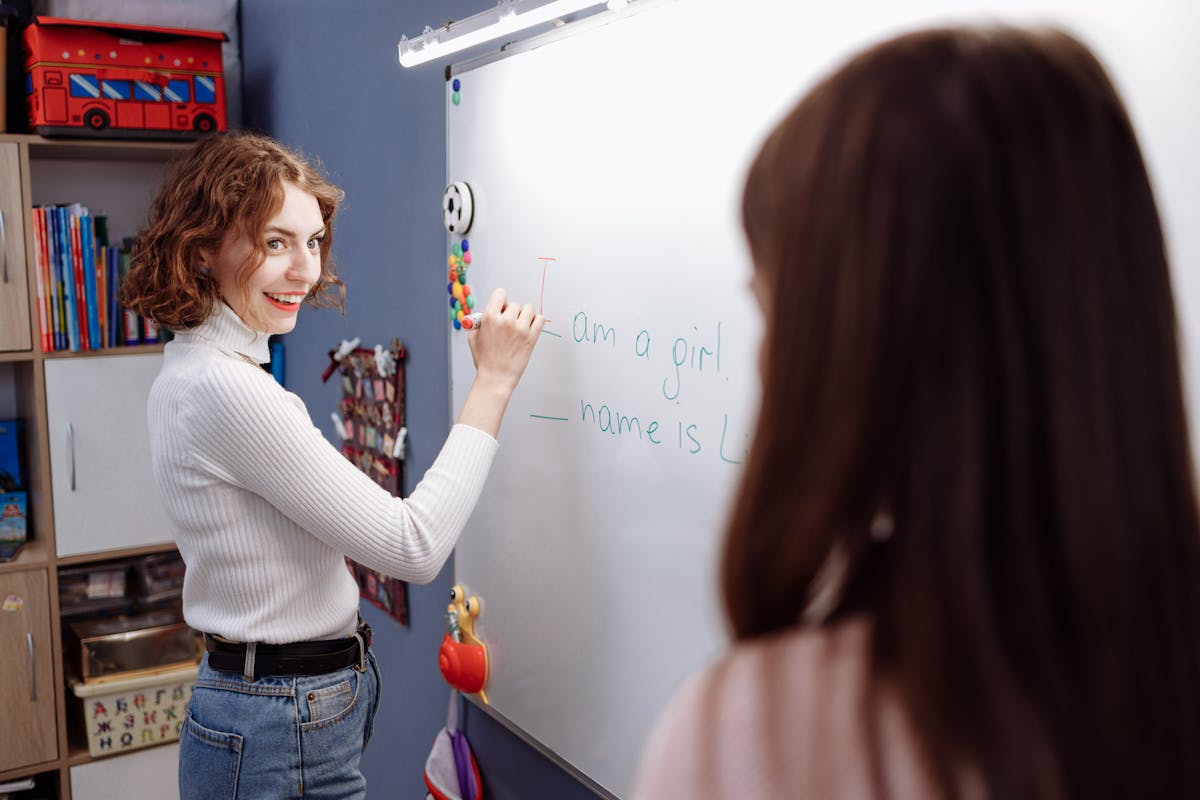
After two decades of teaching English in Taiwan, I have watched hundreds of strategies come and go. Some work beautifully in theory but collapse in practice. Others seem too simple to be effective — until they transform your classroom overnight. This guide pulls together the approaches that consistently produce results across different age groups, proficiency levels, and cultural backgrounds.
Why ESL Classrooms Need a Different Approach
Traditional classroom management advice assumes students understand the language of instruction. That assumption falls apart immediately in an ESL environment. When you tell a beginner-level student to “take out your workbooks and turn to page thirty-seven,” you might as well be speaking Klingon. The communication gap creates a management gap, and that gap grows wider every time a student feels lost, embarrassed, or bored.

ESL classrooms also deal with factors that mainstream teachers rarely encounter. Students may come from educational systems with completely different expectations about student behavior, teacher authority, and classroom participation. A student who sits silently and never volunteers answers might not be disengaged — they might come from a culture where speaking without being called on is considered rude. Understanding these dynamics is not optional. It is the foundation of effective management.
Establish Routines That Speak Louder Than Words
Routines are the single most powerful classroom management tool available to ESL teachers. When students know exactly what happens at the start of class, during transitions, and at the end of the period, the need for verbal instructions drops dramatically. A well-established routine communicates expectations through action rather than language.
Start every class the same way. Write a warm-up activity on the board before students arrive. It could be a vocabulary review, a sentence unscramble, or a simple journal prompt. Students learn that walking into your room means sitting down and starting the board work. No announcements needed. No confusion. The routine does the talking.
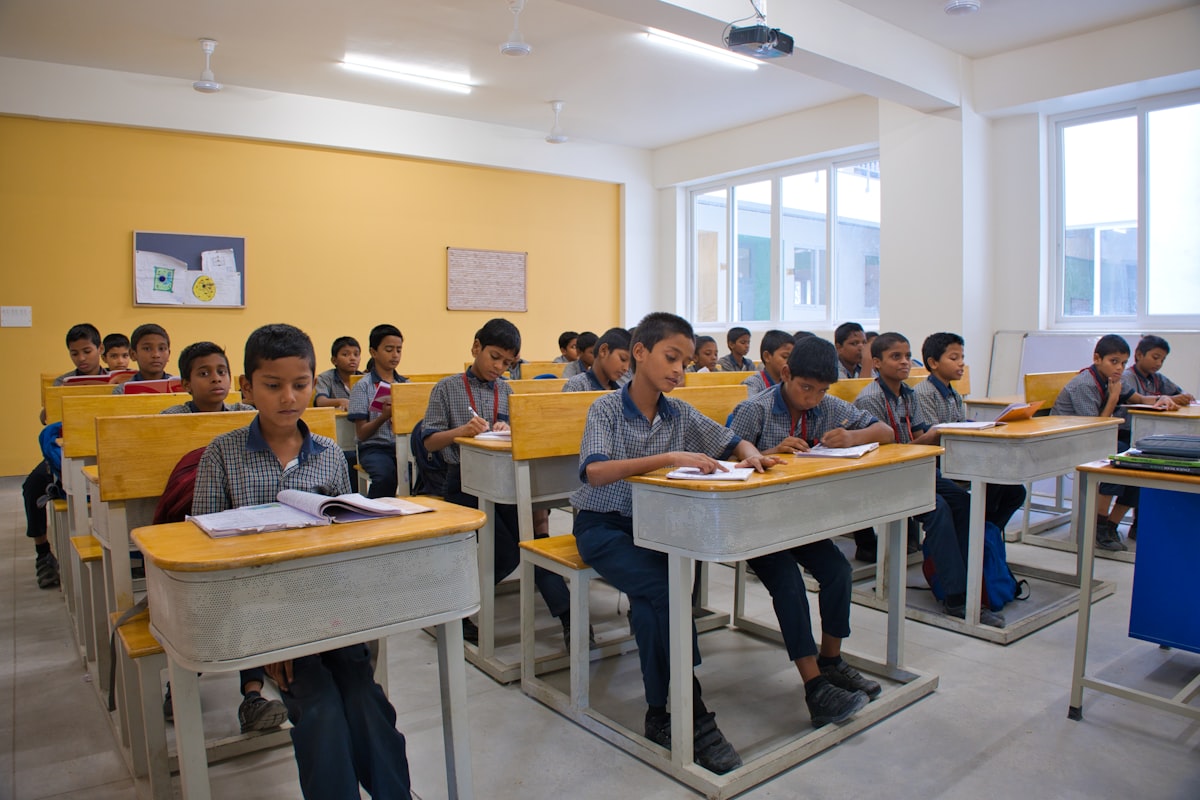
Transition routines matter just as much. Use a consistent signal — a chime, a hand clap pattern, a countdown timer on the projector — to indicate when activities change. Practice these transitions explicitly during the first week. ESL students may not understand “Okay everyone, let’s move on to the next activity,” but they will absolutely understand a three-clap pattern that means “stop, look, listen.”
Use Visual Supports for Everything
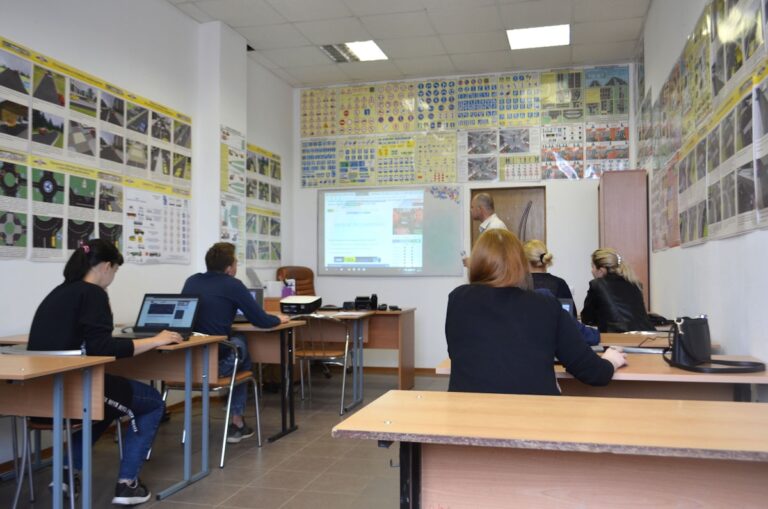
If your classroom walls are bare, you are making your job harder than it needs to be. Visual supports reduce the cognitive load on students who are processing content in a second language. Anchor charts, word walls, sentence frames, visual schedules, and illustrated classroom rules should be permanent fixtures in every ESL classroom.
Create a visual daily schedule and post it in the same spot every day. Use icons alongside text so that even beginners can track what is happening. A picture of a pencil means writing time. A speech bubble means speaking practice. A book means reading. Students can glance at the schedule and self-regulate without needing to ask the teacher what comes next.
Classroom rules deserve special attention. Write them in simple language with visual examples. “Raise your hand” paired with an image of a raised hand is far more effective than “Please wait until you are called upon before speaking.” Fewer words, clearer meaning, better compliance.
Build a Participation-Friendly Environment

Fear of making mistakes is the biggest enemy of language learning, and it shows up as a classroom management problem. Students who are afraid to speak will find other things to do with their energy — whispering to friends, doodling, zoning out, or acting out. The fix is not more discipline. It is creating an environment where errors are normal, expected, and even celebrated.
Normalize mistakes explicitly. When a student makes an error, recast it naturally without drawing attention to the correction. If a student says “Yesterday I go to the store,” respond with “Oh, you went to the store? What did you buy?” The student hears the correct form without being singled out. Over time, this approach builds the psychological safety that ESL students desperately need.
Use think-pair-share before cold calling. Give students time to formulate their thoughts, practice with a partner, and then share with the class. This structure reduces anxiety and increases the quality of responses. It also gives quieter students a low-stakes way to participate before speaking in front of everyone.
Strategic Seating and Grouping
Where students sit matters more in an ESL classroom than in most other contexts. Strategic seating can solve problems before they start. Place stronger English speakers next to weaker ones so that peer support happens naturally. Avoid clustering students who share the same L1 unless you are deliberately using their first language as a scaffold.
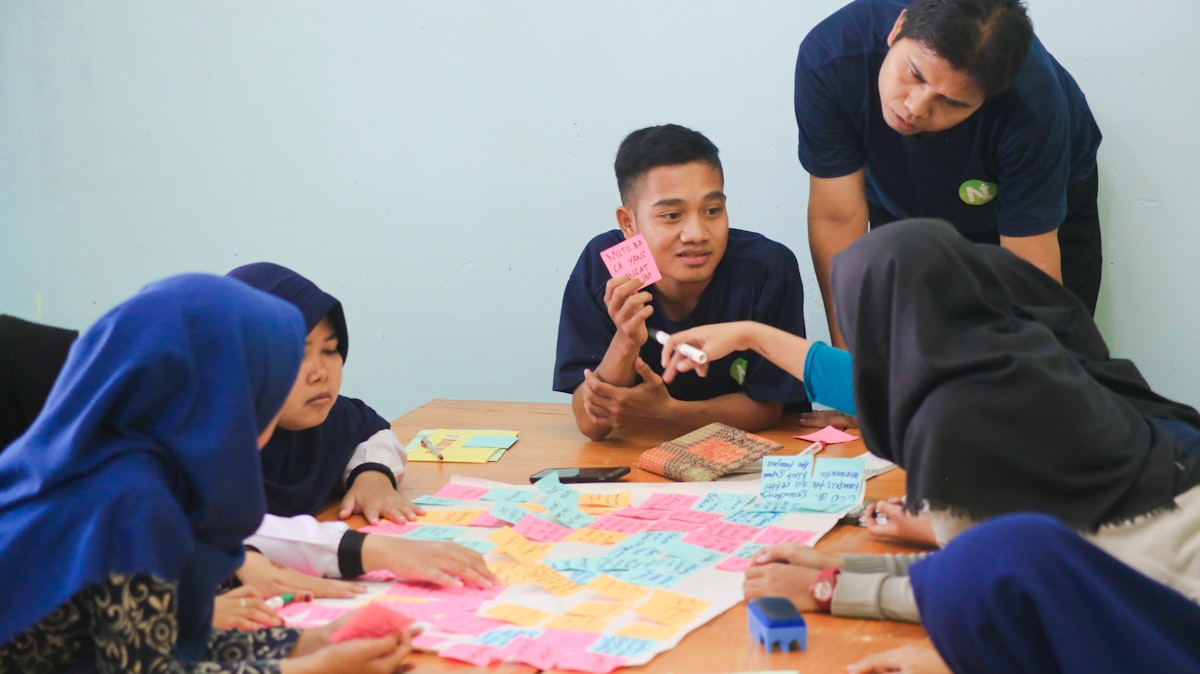
Change seating arrangements regularly. Monthly rotations prevent social cliques from solidifying and expose students to different communication partners. Mixed-proficiency groups work well for most activities, but occasionally grouping students by level allows you to provide targeted instruction without holding anyone back or leaving anyone behind.
For group work, assign roles explicitly: reader, writer, reporter, timekeeper. ESL students often struggle in group settings because they are unsure what they are supposed to do. Named roles with simple task descriptions eliminate that ambiguity and distribute participation evenly.
The Power of Positive Reinforcement
Positive reinforcement works across every culture and every age group, but it is especially powerful with ESL students who may feel uncertain about their place in the classroom. Recognize effort, not just accuracy. A student who attempts a complex sentence and gets it slightly wrong deserves more praise than a student who plays it safe with memorized phrases.

Use a variety of reinforcement methods. Verbal praise works for some students but embarrasses others. Written feedback, stickers for younger learners, point systems, table competitions, and quiet recognition all have their place. Pay attention to individual preferences. Some students light up when you praise them publicly. Others prefer a quiet note on their paper or a thumbs-up from across the room.
Avoid over-praising. Constant “Good job!” loses its meaning quickly. Be specific: “I noticed you used three new vocabulary words in your paragraph — that shows real growth.” Specific praise tells students exactly what they did well and encourages them to repeat it.
Managing Mixed-Level Classes
Most ESL classrooms are not neatly divided by proficiency level. You will likely have beginners and intermediates in the same room, sometimes with a near-fluent student thrown in for good measure. This is not a problem to solve — it is a reality to design around.
Tiered activities are your best friend. Present the same core content but offer different levels of output. A reading passage about animals might have beginners matching vocabulary to pictures, intermediate students answering comprehension questions, and advanced students writing a summary paragraph. Same topic, same classroom, different expectations.
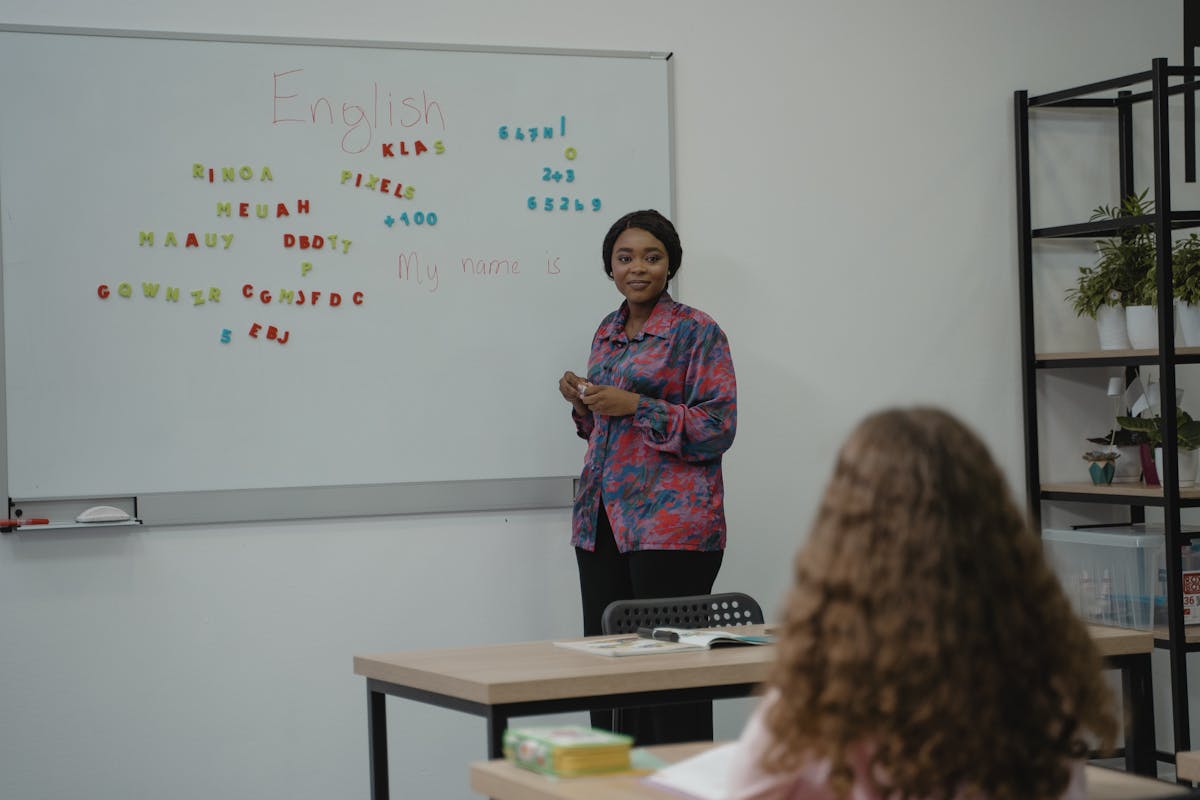
Choice boards work exceptionally well in mixed-level settings. Create a grid of nine activities related to your lesson topic, ranging from simple to complex. Students choose three to complete. This builds autonomy, accommodates different levels naturally, and reduces the management burden of trying to keep everyone on the same page at the same time.
Technology as a Management Tool
Used thoughtfully, technology can solve several management challenges at once. Timer apps displayed on the projector keep students on task without constant verbal reminders. Translation tools like Google Translate — used judiciously — can bridge communication gaps when a student truly cannot understand a critical instruction. Interactive platforms like Kahoot or Quizlet Live channel competitive energy into productive learning.
Set clear technology expectations early. If students use devices in your classroom, establish rules about when screens are open and when they are closed. Visual cues work here too: a green circle on the board means devices are allowed, a red circle means devices away. Simple, visual, universal.
When Things Go Wrong
Even the best-managed classrooms have bad days. A student melts down. Two students will not stop talking. Nobody did their homework. The lesson bombs. These moments are inevitable, and how you respond defines your classroom culture more than any posted rule ever will.
Stay calm. ESL students are extraordinarily sensitive to teacher emotion because they are constantly reading non-verbal cues to supplement the language they might miss. If you raise your voice or show frustration, the message they receive is “the teacher is angry” — not “I need to change my behavior.” A calm, firm redirect is more effective every time.
Address behavior privately when possible. Pulling a student aside for a quiet conversation preserves their dignity and avoids the public power struggle that nobody wins. Use simple language: “I need you to sit down. Thank you.” Not “Why are you out of your seat? You know the rules. This is the third time today I have had to tell you.” Fewer words, clearer message, less shame.
Building Long-Term Classroom Culture
The ultimate goal of classroom management is to make itself unnecessary. When students feel safe, engaged, and capable, behavior problems become rare rather than constant. This takes time. The first month of a new class is an investment period where you establish norms, build relationships, and practice routines until they are automatic.
Learn your students’ names quickly and use them often. Ask about their lives outside of English class. Share appropriate details about your own life. These small acts of connection build the relational capital that makes everything else possible. A student who feels known by their teacher is a student who wants to cooperate.
Celebrate progress visibly. Track class achievements — not just grades, but milestones like “We learned 100 new words this month” or “Everyone participated in the speaking activity today.” When students see evidence of collective growth, they develop a sense of belonging that is the strongest classroom management tool of all.
Referensi
- Marzano, R. J. (2003). Classroom Management That Works: Research-Based Strategies for Every Teacher. ASCD.
- Krashen, S. D. (1982). Principles and Practice in Second Language Acquisition. Pergamon Press.
- Scrivener, J. (2012). Classroom Management Techniques. Penerbit Universitas Cambridge.





 ID
ID  EN
EN  ZH
ZH  ZH_CN
ZH_CN  KO
KO  VI
VI  FR
FR  AR
AR  ES
ES  HI
HI  PT
PT  BN
BN  RU
RU  JA
JA  TR
TR  DE
DE  IT
IT  PL
PL  TH
TH  FA
FA  UK
UK  TL
TL  HE
HE  UR
UR  SW
SW  RO
RO  NL
NL  MS
MS  TA
TA  PS
PS  HU
HU  EL
EL  SV
SV  NB
NB  NN
NN  DA
DA  CS
CS  SR
SR  AM
AM