ESL Activities That Actually Work: A Research-Backed Teaching Guide
Teachers often joke that the hardest part of ESL work is not explaining grammar — it is finding activities that students actually engage with. Browse any Pinterest board or teachers’ forum and you will find thousands of ideas, but quantity is not the problem. The challenge is knowing which of the 50 ESL activities that actually work in the classroom are worth your prep time, and which ones look great in planning but collapse the moment they hit real students. The difference, it turns out, is not about novelty or entertainment value. It comes down to whether an activity creates genuine communicative pressure, matches the learner’s current developmental stage, and produces the kind of practice that transfers to real language use outside the classroom.

What “Working” Actually Means
Before evaluating any activity, teachers need a working definition of success. An activity “works” when learners are pushed to use language at the edge of their current competence — what linguist Stephen Krashen called comprehensible input at level i+1, slightly beyond what students can already do comfortably. Activities that keep learners fully within their comfort zone produce performance, not learning. Activities that throw students into content far beyond their level produce silence and anxiety.
The other marker of a productive activity is interaction density: how much time each individual student spends actively using the target language. A full-class discussion where the teacher asks questions and three confident students answer has low interaction density for a class of twenty. A pair information-gap task where every student is simultaneously speaking and listening has very high interaction density. When evaluating any activity, ask: “In a forty-five minute lesson, how many minutes of actual English output does each student produce?” If the honest answer is under five minutes, the activity is probably not worth the setup.
Speaking Activities Built Around Communicative Need
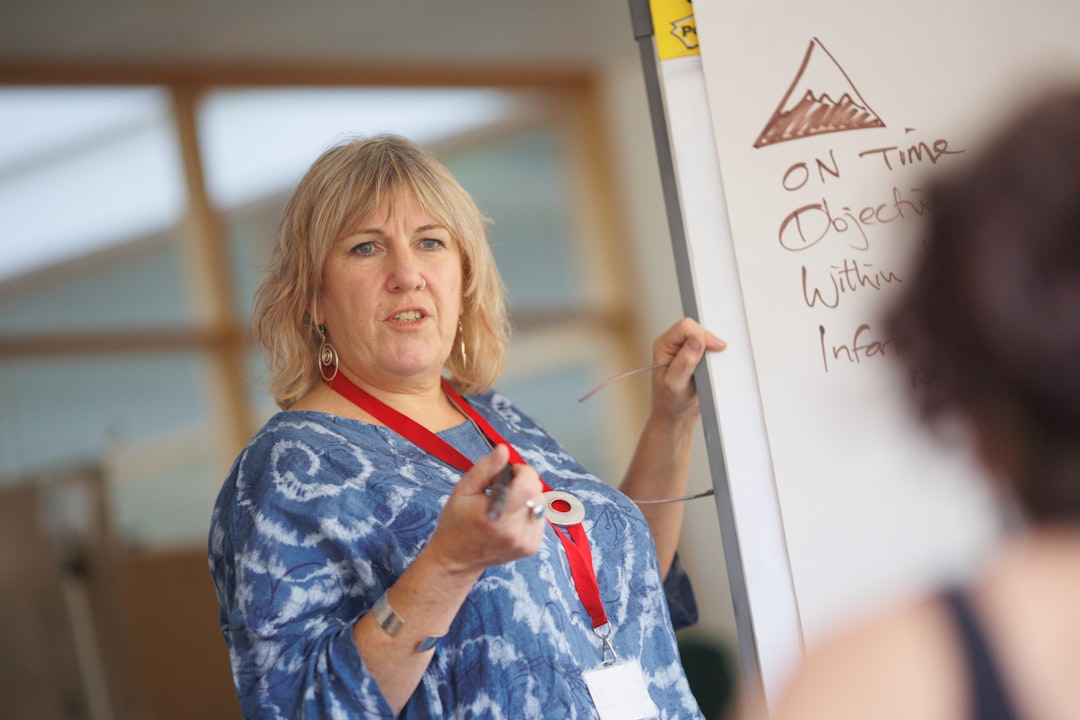
The most reliable category of productive ESL activities involves tasks where students must speak to accomplish a goal. The word “must” is important. If students can complete the task without speaking, many of them will. Information-gap tasks solve this by giving each partner different data that is required to finish a shared goal — think two students with different halves of a timetable who need to schedule a meeting, or a pair describing different versions of a nearly-identical picture to find the differences. Neither student can succeed without genuinely communicating with the other.
Jigsaw tasks extend this principle to groups. Each member of a group reads or listens to a different segment of content, then the group must pool their understanding to answer questions no individual could answer alone. This creates real information asymmetry — the communicative engine that makes speaking tasks work. Role plays that include stakes function similarly. A role play where “Student A is a customer with a complaint and Student B is a store manager” works because both students have a clear goal that requires the other person. A role play that simply says “discuss your weekend” has no communicative pressure and often stalls.
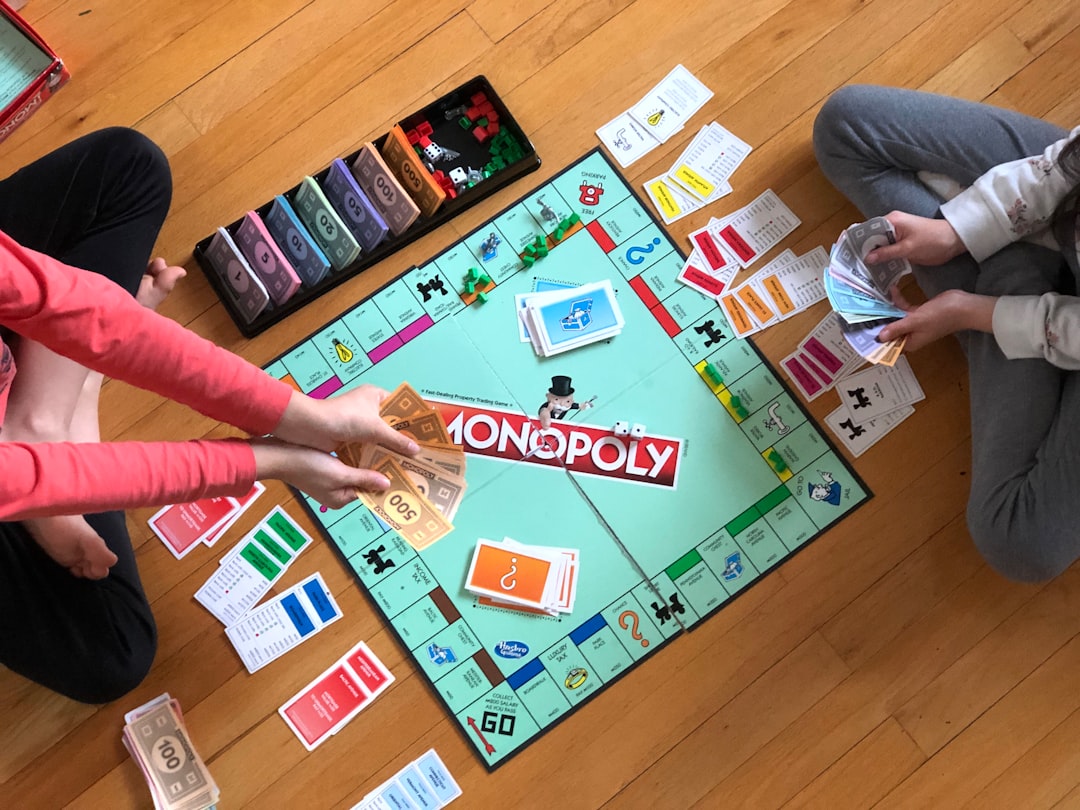
Discussion activities also work — but only when designed to create genuine divergence of opinion. Activities where students are asked to rank items (rank these five inventions from most to least important to modern life) or make forced choices (would you rather live in 1920 or 2120?) generate authentic disagreement that requires students to explain, justify, and negotiate in English. Open-ended questions that begin “What do you think about…” tend to produce one-sentence answers followed by silence. Constraint-based tasks that force students to defend a position produce much longer output.
Listening Activities That Develop Real Comprehension
Most students’ experience of ESL listening tasks consists of: listen to a recording, answer comprehension questions, check answers. This approach has limited value because it tests comprehension rather than developing it. Activities that actually build listening ability create the conditions for students to actively construct meaning rather than passively try to catch words.

The dictogloss technique is among the most researched and productive listening activities available to ESL teachers. Students listen to a short text read at natural speed — not the slow, over-enunciated pace common in textbook audio — take notes on key words, and then collaborate in pairs or small groups to reconstruct the text as accurately as possible from their notes. The reconstruction phase is where the learning happens: students must negotiate about word choices, grammar forms, and meaning, giving the teacher a live window into their developing language system. No expensive materials or technology are required, which is a practical advantage in resource-limited settings.
Pre-listening tasks dramatically improve comprehension for lower-level students. Activating relevant vocabulary and background knowledge before a listening text reduces the cognitive load students face during the actual listening. A three-minute discussion of what students already know about the topic, or a pre-teaching of five key terms, can transform a frustrating listening experience into a manageable one. This principle applies equally to video-based listening tasks, which are increasingly practical as classrooms gain reliable internet access.
Reading Tasks That Build Critical Engagement
The default ESL reading task — read a passage, answer comprehension questions — has the same weakness as its listening counterpart: it assesses without developing. Reading activities that actually build skill involve students doing something with the text beyond retrieval. Jigsaw reading, where groups read different texts and then share their understanding, adds the communicative dimension that silent individual reading lacks. Text reconstruction tasks, where students receive a cut-up text and must reassemble it in logical order, force close attention to discourse markers, transition language, and logical coherence — the exact features that help students understand how written English works structurally.

Extensive reading — students reading large volumes of texts at or below their comfortable reading level — has a strong research base for vocabulary acquisition and reading fluency. The key word is “extensive”: short passages once a week produce little cumulative benefit. Programs that give students access to graded readers and sustained time to read independently, even fifteen to twenty minutes per lesson, show measurable gains in vocabulary breadth and reading speed over a semester. Pairing this with brief sharing tasks (“Tell your partner one interesting thing you read”) adds a communicative layer without turning it into a quiz.
Writing Activities That Develop Accuracy and Voice
Writing is the skill most often reduced to a homework assignment: students write something, submit it, receive corrections. The corrections-and-revise cycle, while familiar, produces limited transfer because students focus on fixing errors rather than understanding the patterns behind them. Writing activities that actually develop language competence typically involve multiple drafts with specific feedback goals, peer collaboration stages, and real audience awareness.
Process writing approaches — where students brainstorm, draft, receive feedback on content and organization, revise, then focus on language accuracy in a final edit — mirror how skilled writers actually work. The separation of feedback stages is important: giving simultaneous feedback on both ideas and grammar overwhelms students and results in attention to surface corrections rather than meaningful revision. Activities like peer editing with structured response forms (“Write one question you have after reading this draft”) build the reflective habits that transfer across writing contexts.

Real-world writing tasks — drafting a professional email, writing a product review, composing a social media post for a fictional brand — bring authentic audience awareness into the classroom. When students write for a real purpose, even a simulated one, their engagement with word choice and register improves significantly compared to writing a paragraph for teacher correction alone.
Grammar Activities That Produce Real Change
Grammar activities occupy an uncomfortable space in communicative language teaching: explicitly teaching forms is less effective than many teachers assume, but ignoring grammar entirely leaves students without the tools to self-monitor and improve accuracy. The most productive grammar activities thread the needle by helping students notice patterns in real language rather than drilling decontextualized rules.
Consciousness-raising tasks present students with examples of a target form in context and ask them to work out the rule collaboratively before any explicit explanation. This inductive approach — discover before being told — produces deeper encoding than the traditional present-practice-produce sequence. Error analysis tasks, where students identify and correct mistakes in a text rather than simply writing correct sentences from scratch, activate the monitoring and self-correction processes that are essential for accuracy development outside the classroom.

A Simple Filter Before You Choose Any Activity
Before committing to any new classroom activity, three questions can filter out most of the ones that will fall flat. First: does this activity require students to communicate, or just to perform? Activities that students can complete without genuine exchange of meaning tend not to build communicative competence. Second: what is the interaction density — how much English does each individual student actually produce per minute of class time? Third: is the language demand slightly beyond what students can currently do comfortably, without being so far beyond it that they disengage?
When teachers run any of the 50 ESL activities that actually work in the classroom through these three filters, the list of activities that genuinely earn their preparation time becomes much clearer. It also becomes shorter — and that is exactly the point. Better to run five well-chosen activities with full commitment than to cycle through a rotation of twenty activities that generate surface-level busyness without genuine learning. The best ESL teachers are not the ones with the largest activity libraries. They are the ones who understand which activities work, and why.
Fonti
- British Council — Teaching Resources and Methodology
- TESOL International Association — Professional Resources
- Cambridge English — Research and Insights








 IT
IT  EN
EN  ZH
ZH  ZH_CN
ZH_CN  KO
KO  VI
VI  FR
FR  AR
AR  ES
ES  HI
HI  PT
PT  BN
BN  RU
RU  JA
JA  TR
TR  DE
DE  PL
PL  ID
ID  TH
TH  FA
FA  UK
UK  TL
TL  HE
HE  UR
UR  SW
SW  RO
RO  NL
NL  MS
MS  TA
TA  PS
PS  HU
HU  EL
EL  SV
SV  NB
NB  NN
NN  DA
DA  CS
CS  SR
SR  AM
AM