
English Idioms: Clothes & Fashion — 10 Expressions You Need to Know
English idioms about clothes and fashion are everywhere in everyday conversation, even when nobody in the room is talking about what to wear. When a coworker says they were dressed to the nines for a wedding, or a friend admits a new job is going to mean they have to tighten their belt for a while, the image comes straight from the wardrobe — but the meaning has drifted somewhere else entirely. Learning these expressions gives students a shortcut into dozens of real conversations, because clothing is one of the most productive sources of figurative language in the entire language. For more idiom practice, see our guides on idioms about home and house そして idioms about food and cooking.
In this week’s idioms guide we look at ten high-frequency English idioms about clothes and fashion, grouped by the kind of situation they describe — looking sharp, handling things carefully, acting fast, managing money and strategy, and understanding someone else’s point of view. For each one you get a clear meaning, the real origin story, and two natural example sentences you can drop straight into a lesson or a conversation.

Why Teach English Idioms About Clothes and Fashion?
Clothing idioms make excellent teaching material because every student gets dressed every single day — the vocabulary connects instantly to lived experience. Ask a class what they wear when they want to be dressed to the nines, or whether their family has ever had to tighten their belt, and students of almost any age or level have something real to say. Because the images are concrete and visual (a hat, a glove, a boot, a belt), they are also unusually easy to remember compared to abstract vocabulary.
Beyond the classroom, clothes and fashion idioms turn up constantly in news writing, workplace conversation, and casual speech. A learner who understands that being handled with kid gloves means being treated with extra care, or that an ace up your sleeve means a hidden advantage, will follow far more of what they read and hear. Below are ten of the most useful, grouped by theme.
Dressed to Impress: Idioms About Looking Great

1. Dressed to the nines
意味: Dressed extremely well, in one’s finest and most elaborate clothes.
起源: The exact origin is genuinely disputed among etymologists, which makes it a fun one to discuss with advanced students. One popular theory ties the phrase to old tailoring, where a truly fine suit supposedly required a full nine yards of fabric. Another, favored by several etymologists including sources at the Online Etymology Dictionary, suggests it may be a corruption of the older Scots phrase “dressed to the eyne” (dressed to the eyes, meaning “to perfection”). Either way, the phrase was firmly established in English by the early 1800s.
例:
- She showed up to the gala dressed to the nines in a floor-length gown and diamond earrings.
- He always gets dressed to the nines for job interviews, even for casual startups.
2. Fit like a glove
意味: To fit perfectly; to be exactly suited or matched to something.
起源: The image is completely literal: a well-made glove follows the exact shape of the hand, with no gaps and no excess fabric. English writers have used “fits like a glove” figuratively since at least the nineteenth century to describe anything — clothing, a job, a plan — that suits its purpose exactly.
例:
- The new manager’s calm, organized style fits like a glove with this chaotic department.
- I was nervous about the tailored jacket, but it fits like a glove.
Careful Handling and Keeping Secrets
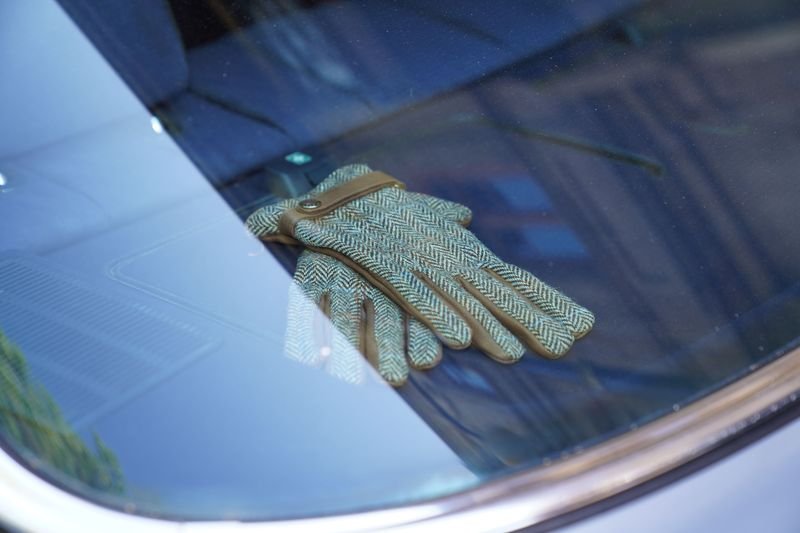
3. Handle with kid gloves
意味: To treat someone or something with great care, gentleness, or tact, often because they are sensitive, fragile, or easily upset.
起源: “Kid” refers to kidskin — the soft, fine leather made from young goats that was used for the most delicate, expensive gloves in nineteenth-century fashion. Kid gloves were prized for their softness but also famously easy to damage, so handling anything “with kid gloves” came to mean treating it with the same extra-gentle care those fine gloves required.
例:
- After the layoffs, management had to handle morale with kid gloves for the rest of the quarter.
- The new intern is talented but easily discouraged, so I handle feedback sessions with him with kid gloves.

4. Keep it under your hat
意味: To keep something secret; not to tell anyone.
起源: The image plays on the hat as the item closest to a person’s head — and therefore, figuratively, closest to their private thoughts. The phrase became especially common in early twentieth-century English, reinforced by wartime secrecy campaigns that urged people not to let sensitive information slip. By keeping something “under your hat,” you keep it locked inside your own head instead of letting it out into the open.
例:
- We’re announcing the merger Friday, so please keep it under your hat until then.
- She found out she was getting promoted but kept it under her hat until it was official.
Fast Action and Sudden Change
5. At the drop of a hat
意味: Immediately, without hesitation, at the slightest signal or provocation.
起源: This one traces back to the American frontier and early sporting contests, where a race, a fight, or a duel was often started by an official literally dropping a hat as the starting signal. Once the hat hit the ground, the action began instantly — and the phrase came to describe anything that happens without delay or warning.
例:
- He’ll argue about politics at the drop of a hat, so we try to avoid the topic at dinner.
- The volunteer firefighters are ready to respond at the drop of a hat, day or night.
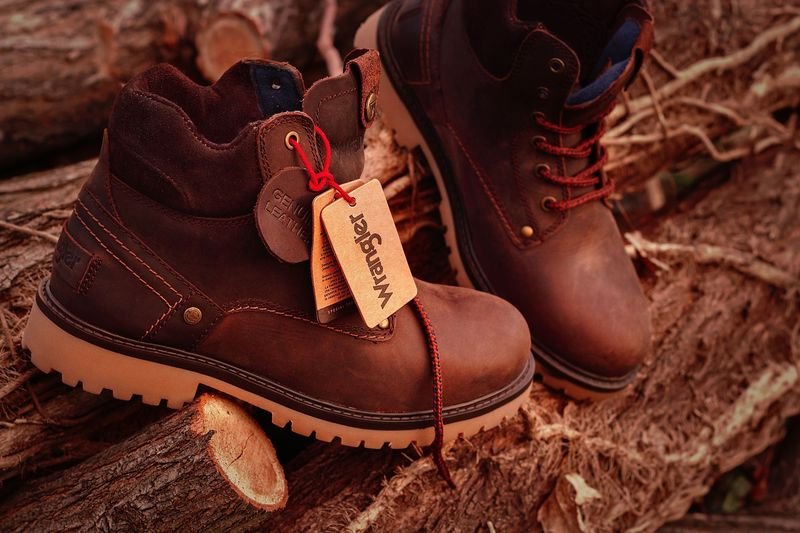
6. Give someone the boot
意味: To fire, dismiss, reject, or forcibly get rid of someone.
起源: The image is blunt and physical — literally kicking someone out with a boot. The slang use of “the boot” to mean dismissal dates back to at least the nineteenth century and belongs to a whole family of English idioms that use forceful, physical footwear imagery for rejection, including the related “get the boot” for being the one dismissed.
例:
- He showed up late three times in one week and finally got the boot.
- The landlord threatened to give the noisy tenants the boot if the complaints kept coming.
Money, Strategy, and Hidden Advantages

7. Tighten your belt
意味: To spend less money; to live more frugally, especially during hard times.
起源: The image comes from genuine hunger — someone who cannot afford enough food loses weight, and a belt that once fit snugly has to be pulled in a notch or two to keep trousers from slipping. The phrase became especially widespread during the economic hardship of the Great Depression and wartime rationing in the early twentieth century, when entire nations were told to “tighten their belts.”
例:
- With two kids in college now, we’ve had to tighten our belts and cut back on eating out.
- The company asked every department to tighten its belt until sales recovered.

8. Have an ace up your sleeve
意味: To have a hidden advantage, resource, or plan kept in reserve for when it’s needed most.
起源: This one comes straight from card-cheating in nineteenth-century gambling halls. A dishonest card player would literally hide an extra ace inside a sleeve, ready to produce it at exactly the right moment to win the hand. English speakers borrowed the image for any hidden advantage, honest or not, saved for a critical moment.
例:
- Don’t worry about the negotiation — our lawyer always has an ace up her sleeve.
- The underdog team clearly had an ace up their sleeve: a trick play nobody saw coming.
Empathy and Similarity

9. Walk a mile in someone’s shoes
意味: To try to understand another person’s experience, problems, or point of view by imagining yourself in their exact situation.
起源: The idiom is often linked, somewhat loosely, to a supposed Native American proverb about walking a mile in another person’s moccasins. Its actual documented source is an 1895 poem, “Judge Softly,” by American poet Mary T. Lathrap, which contains the line “walk a mile in his moccasins” as an appeal for empathy before judging someone. Over the twentieth century, the image shifted from moccasins to the more general “shoes” and became one of the most common empathy idioms in English.
例:
- It’s easy to criticize his decision until you walk a mile in his shoes.
- The training program asks new managers to walk a mile in a cashier’s 靴 for a full shift.
10. Cut from the same cloth
意味: Two people, or two things, share very similar qualities, character, values, or background.
起源: The image comes directly from tailoring: two pieces of fabric cut from the same bolt of cloth will match exactly in pattern, color, and texture, no matter how differently they’re later sewn together. English speakers have used the phrase figuratively since at least the seventeenth century to describe people who, despite outward differences, clearly share the same underlying character.
例:
- My sister and I argue constantly, but honestly, we’re cut from the same cloth.
- The two founders are cut from the same cloth — both stubborn, both obsessive about details.
Watch: Common Clothing Idioms in Action
Want to hear these expressions used naturally by a native speaker? This video walks through common English clothing idioms with clear pronunciation and real examples — a great listening follow-up to today’s lesson.
How to Practice Clothes and Fashion Idioms
The fastest way to make these idioms stick is to connect them to real choices students make every day. Ask the class to describe what they wear when they want to look dressed to the nines, or to share a time their family had to tighten their belts. Because everyone gets dressed every morning, this vocabulary set rarely feels abstract — it feels like describing real life with better words.
For homework, have students write a short paragraph about a person they admire using at least three of today’s idioms — maybe that person always seems to have an ace up their sleeve, or is someone you’d like to walk a mile in the shoes of. Personalizing the vocabulary is what turns “recognizing” an idiom into actually being able to use it in conversation. Master these ten clothes and fashion idioms and your students will be able to describe far more of daily life — interviews, arguments, budgets, secrets — with real color and confidence. If your class enjoyed this set, our idioms about work and ambition guide is a natural follow-up lesson.
情報源
- メリアム・ウェブスター辞典 — idiom definitions and usage notes
- ケンブリッジ辞書 — idiom entries and example sentences
- Online Etymology Dictionary — word and phrase origins









 JA
JA  EN
EN  ZH
ZH  ZH_CN
ZH_CN  KO
KO  VI
VI  FR
FR  AR
AR  ES
ES  HI
HI  PT
PT  BN
BN  RU
RU  TR
TR  DE
DE  IT
IT  PL
PL  ID
ID  TH
TH  FA
FA  UK
UK  TL
TL  HE
HE  UR
UR  SW
SW  RO
RO  NL
NL  MS
MS  TA
TA  PS
PS  HU
HU  EL
EL  SV
SV  NB
NB  NN
NN  DA
DA  CS
CS  SR
SR  AM
AM