
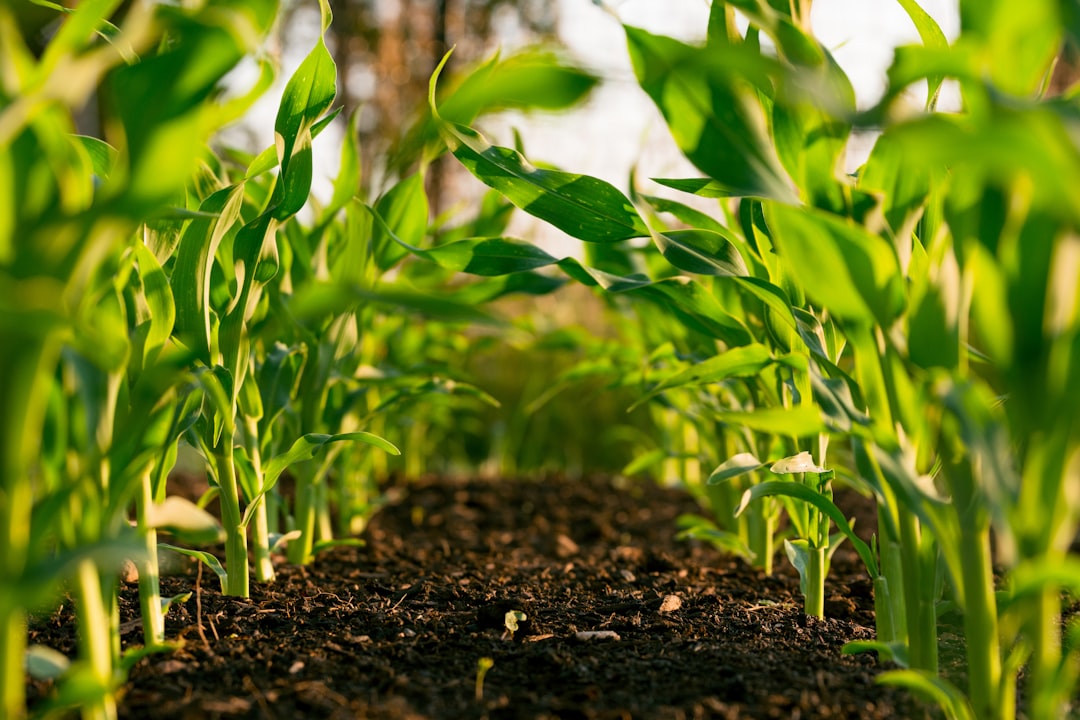
유기농업 | 완벽 가이드
읽을거리: 유기농업
본질적인 이 농업 방식은 농업에 대한 혁신적인 접근 방식을 나타내며, 다음과 같은 사항을 우선시합니다. 환경 건강과 지속가능성기존 농업 방식과 달리 유기농 농부들은 합성 물질을 전혀 사용하지 않습니다. 살충제, 비료그리고 기타 인공적인 약 그것은 될 수 있다 해로운 인간의 건강과 생태계 모두에 이롭습니다.
유기농업의 기본 철학은 자연과 함께 일하는 것에 중점을 둡니다. 자연스러운 유기농 농부들은 전통적인 방법, 즉 작물 순환, 퇴비화, 생물학적 해충 방제 등에 의존합니다. 또한 유익한 곤충을 이용하여 해충을 방제합니다. 해로운 위험한 살충제를 뿌리는 대신 해충을 방제하세요 약이 접근 방식은 도움이 됩니다. 보호하다 토양의 자연적인 비옥도를 유지하고 농장의 생물 다양성을 보존합니다.
토양 건강은 성공적인 유기농업의 기반입니다. 유기농 농부들은 유기물을 퇴비화하고, 피복작물을 사용하며, 합성 비료 사용을 자제함으로써 풍부하고 비옥한 토양을 만듭니다. 비료이는 토양에 식물 성장을 자연스럽게 지원하는 살아있는 생태계를 조성합니다. 건강한 토양은 또한 침식과 물 유실을 방지하는 데 도움이 됩니다. 오염유기농 농장을 더욱 발전시키기 위해 지속 가능한 장기적으로 볼 때.
유기농업의 이점은 농장 자체를 훨씬 넘어섭니다. 유기농법은 오염을 방지하여 수질을 보존하는 데 도움이 됩니다. 해로운 약 유기농 식품은 지하수와 강으로의 유입을 막아줍니다. 또한 야생동물의 서식지를 보호하고 생물 다양성을 증진합니다. 여러 연구에 따르면 유기농 식품은 일반 재배 농산물에 비해 특정 영양소와 항산화 물질 함량이 더 높습니다.
최근 몇 년 동안 소비자들이 환경에 대한 인식을 높여감에 따라 유기농 제품에 대한 수요가 급격히 증가했습니다. 환경 기후 변화와 건강 문제에 직면하면서 유기농업은 일반적으로 초기에는 더 많은 노동력과 낮은 수확량을 요구하지만, 농부, 소비자, 그리고 지구에 장기적인 이점을 제공합니다. 환경 환경 파괴에 맞서 유기농업은 더 나은 미래를 향한 길을 제시합니다. 지속 가능한 그리고 책임감 있는 농업은 보호하다 미래 세대를 위해 우리의 지구를.
A. 어휘 매칭
- 본질적인 ____
- 환경 ____
- 지속가능성 ____
- 살충제 ____
- 비료 ____
- 약 ____
- 해로운 ____
- 자연스러운 ____
- 보호하다 ____
- 오염 ____
B. 참 또는 거짓
- 유기농 농부들은 해충 방제를 위해 합성 살충제를 사용합니다.
- 유기농업은 환경 건강과 지속가능성을 우선시합니다.
- 퇴비 만들기는 자연적으로 풍부하고 비옥한 토양을 만드는 데 도움이 됩니다.
- 유기농업은 일반적으로 초기 수확량이 더 높습니다.
- 유기농법은 수질 보존에 도움이 됩니다.
- 합성비료는 유기농업에 필수적이다.
- 최근 몇 년 동안 유기농 제품에 대한 소비자 수요가 증가했습니다.
- 유기농업은 야생동물 서식지에 아무런 이점을 제공하지 않습니다.
- 유기농 식품은 특정 영양소 함량이 더 높을 수 있습니다.
C. 빈칸을 채우세요
단어 목록: 유기농, 화학물질, 환경, 보호, 지속가능
- 친환경 농업은 인공 살충제와 비료를 사용하지 않습니다.
- 합성 _______________는 인간의 건강과 생태계 모두에 해로울 수 있습니다.
- 유기농법은 수질을 개선하고 오염을 방지하는 데 도움이 됩니다.
- 이 농업 방식은 생물 다양성을 증진함으로써 _______________을 지원합니다.
- 유기농업은 보다 _______________ 농업 방식으로 나아가는 길을 제시합니다.
D. 이해력 질문
- 유기농업은 기존 농업 방식과 어떻게 다른가요?
- 유기농 농부들은 화학 살충제 대신 어떤 자연적인 방법을 사용하나요?
- 유기농업에서 토양 건강이 왜 그렇게 중요할까요?
- 유기농업은 어떤 환경적 이점을 제공합니까?
- 유기농업은 농부들에게 어떤 어려움과 이점을 가져다주는가?
E. 토론 질문
- 정부는 유기농업을 장려하기 위한 인센티브를 제공해야 할까요? 그 이유는 무엇일까요?
- 유기농 식품의 높은 가격은 그 효능으로 정당화될 수 있을까요? 그 이유를 설명해 주세요.
- 유기농업은 기후 변화와 환경 문제 해결에 어떻게 도움이 될 수 있을까요?
📝 정답을 보려면 클릭하세요
D. 이해력 문제 정답:
- 유기농업은 합성 살충제, 비료 및 화학 물질을 사용하지 않습니다.
- 윤작, 퇴비화, 해충 방제를 위한 유익 곤충.
- 건강한 토양은 식물의 성장을 자연스럽게 돕고 토양 침식을 방지합니다.
- 수질을 보존하고, 야생동물을 보호하며, 생물 다양성을 증진합니다.
- 더 많은 노동력이 필요하고 초기 수확량은 낮지만 장기적인 이점을 제공합니다.







 KO
KO  EN
EN  ZH
ZH  ZH_CN
ZH_CN  VI
VI  FR
FR  AR
AR  ES
ES  HI
HI  PT
PT  BN
BN  RU
RU  JA
JA  TR
TR  DE
DE  IT
IT  PL
PL  ID
ID  TH
TH  FA
FA  UK
UK  TL
TL  HE
HE  UR
UR  SW
SW  RO
RO  NL
NL  MS
MS  TA
TA  PS
PS  HU
HU  EL
EL  SV
SV  NB
NB  NN
NN  DA
DA  CS
CS  SR
SR  AM
AM