
Sun Moon Lake | Advanced ESL Reading Worksheet PDF
Free, classroom-ready, one click — includes answer key on page 3.

Reading Worksheet — Advanced (F) | tahricteaches.com
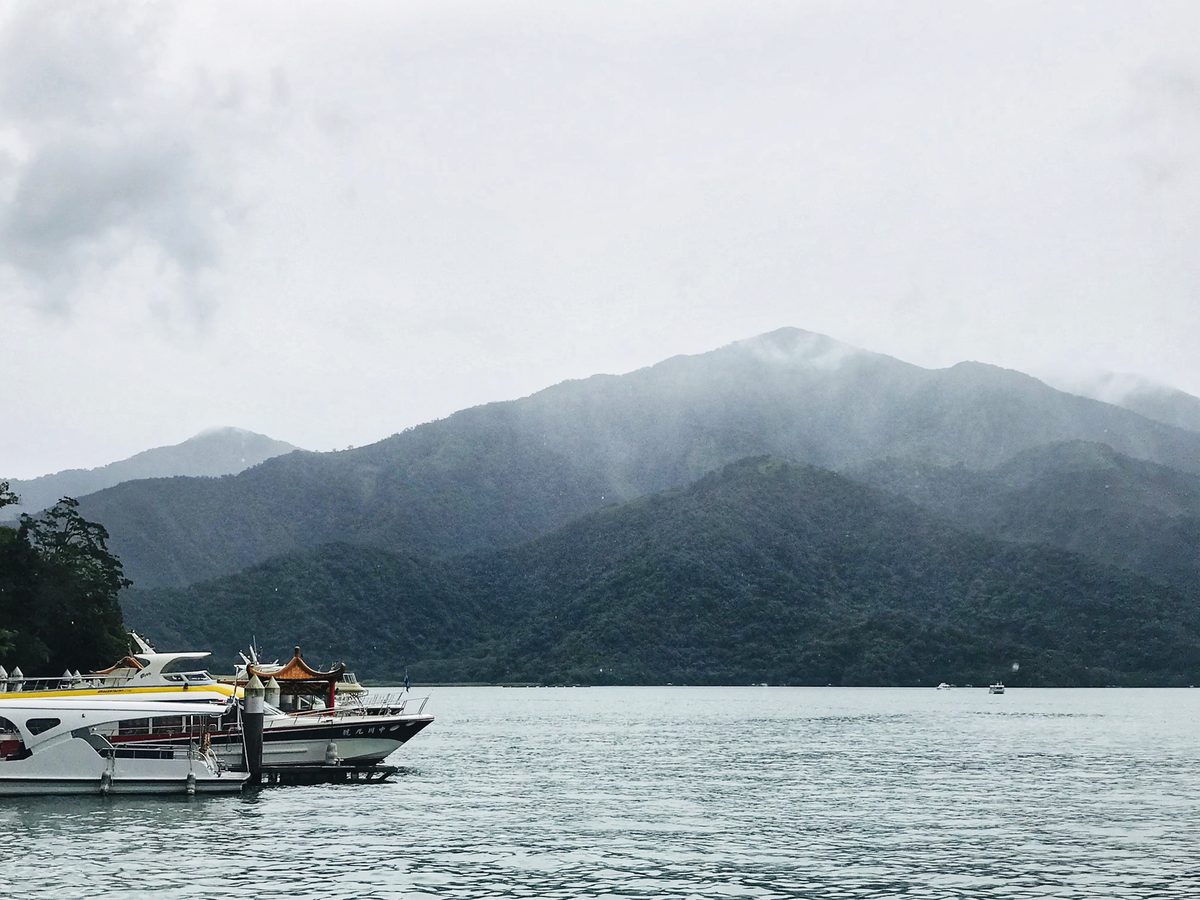
Nestled in the mountainous heart of Nantou County, Sun Moon Lake is the largest body of fresh water in Taiwan and one of the island’s most celebrated scenic destinations. The lake derives its evocative name from its distinctive shape: the eastern half resembles a radiant sun, while the western half curves gracefully into a crescent moon. Surrounded by mist-shrouded peaks and lush subtropical forests, the area attracts millions of visitors each year who come to admire its serene beauty.
The region holds profound cultural significance for the Thao, one of Taiwan’s smallest indigenous tribes, who have inhabited the shores of the lake for centuries. According to Thao legend, ancestors discovered the lake while pursuing a magnificent white deer through the forested mountains. Today, the tribe continues to preserve its language, music, and ceremonial traditions, offering visitors an authentic glimpse into a heritage that predates Han Chinese settlement.
During the Japanese colonial era in the early twentieth century, engineers harnessed the lake to generate hydroelectric power, a function it still fulfills today. The construction dramatically raised water levels, submerging an island sacred to the Thao and reshaping the lake’s ecology. This transformation illustrates the complex tensions between modernization and the preservation of indigenous cultural landscapes.
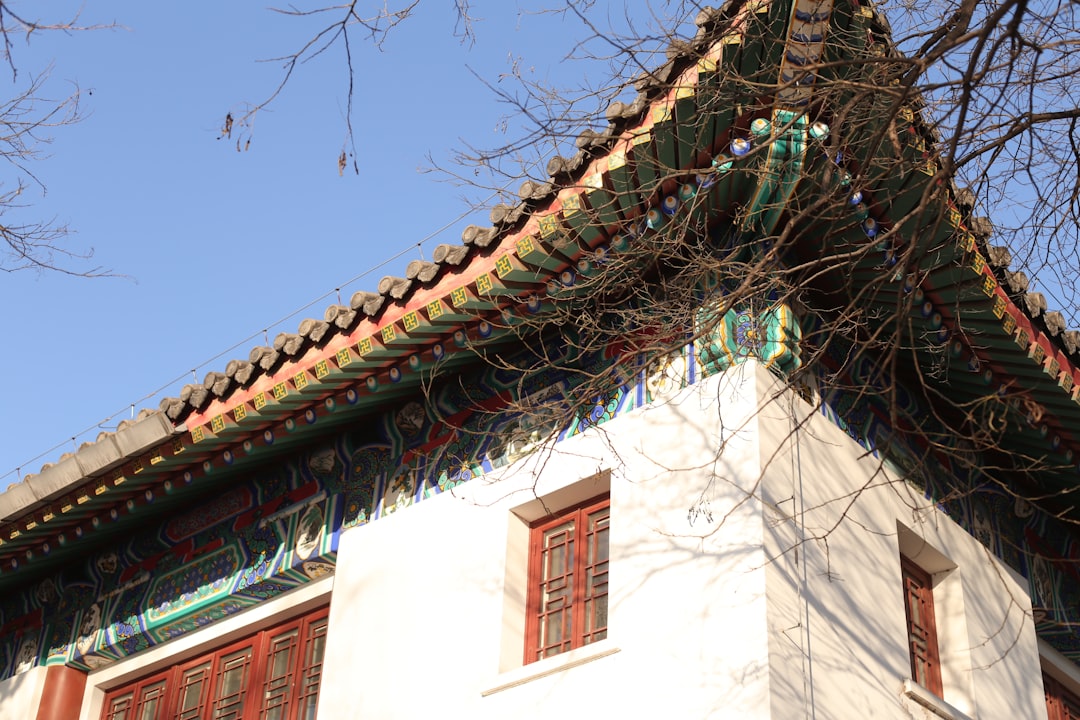
Contemporary tourism around Sun Moon Lake is remarkably diverse. Visitors can pedal along a scenic bicycle path repeatedly ranked among the world’s most picturesque routes, ride a cable car soaring above the canopy, or board ferries that traverse the glittering waters. Lakeside temples, including the elegant Wenwu Temple, draw pilgrims seeking blessings from Confucius and the deified general Guan Yu.
Despite its popularity, the lake faces mounting environmental pressures. Overdevelopment, invasive species, and fluctuating water levels threaten its fragile ecosystem. Conservation initiatives now strive to balance economic growth with sustainable practices, ensuring that future generations can continue experiencing the breathtaking landscape that has inspired poets, painters, and travelers for generations.
A. Vocabulary
- scenic ____
- inhabited ____
- fulfills ____
- traverse ____
- ecosystem ____
- indigenous ____
- submerging ____
- pilgrims ____
- fluctuating ____
- sustainable ____
- a. rising and falling irregularly in level or amount
- b. covering completely with water
- c. having beautiful natural views
- d. carries out or performs a function or duty
- e. travel across or move through an area
- f. lived in or occupied as a home
- g. able to continue without harming the environment long-term
- h. originating naturally in a particular place; native
- i. community of living organisms interacting with their environment
- j. people who travel to sacred places for religious reasons

B. Benar atau Salah
- ____ Sun Moon Lake is the largest freshwater lake in Taiwan.
- ____ The lake gets its name from two nearby mountains shaped like the sun and moon.
- ____ The Thao people are one of Taiwan’s smallest indigenous tribes.
- ____ According to legend, the Thao discovered the lake while hunting a black bear.
- ____ The lake is used to generate hydroelectric power.
- ____ Japanese colonial engineers lowered the water levels of the lake.
- ____ The bicycle path around the lake has received international recognition.
- ____ Wenwu Temple honors Confucius and the deified general Guan Yu.
- ____ Sun Moon Lake’s ecosystem is currently free from environmental threats.
- ____ Conservation efforts attempt to balance tourism with sustainable practices.
C. Isi Tempat Kosong
- The Thao tribe has ___ the area around Sun Moon Lake for many centuries.
- Ferries regularly ___ the lake, carrying tourists between scenic stops.
- Pollution and invasive species threaten the delicate ___ of the lake.
- The bicycle path is famous for its ___ views of mountains and water.
- The lake still ___ an important role in generating hydroelectric power.
D. Soalan Pemahaman
- How did Sun Moon Lake get its name?
- What impact did Japanese colonial engineering have on the lake and the Thao people?
- What environmental challenges does Sun Moon Lake currently face?
E. Soalan Perbincangan
- How should governments balance economic development and tourism with the preservation of indigenous cultures and sacred sites?
- Is it ethical to alter natural landscapes for the sake of generating renewable energy like hydroelectric power? Why or why not?
Answer Key (click to reveal)
A. Perbendaharaan Kata: 1-c, 2-f, 3-d, 4-e, 5-i, 6-h, 7-b, 8-j, 9-a, 10-g
B. Benar/Salah: 1-T, 2-F, 3-T, 4-F, 5-T, 6-F, 7-T, 8-T, 9-F, 10-T
C. Isi Tempat Kosong: 1-inhabited, 2-traverse, 3-ecosystem, 4-scenic, 5-fulfills
D. Pemahaman:
- The lake’s eastern half resembles a sun and its western half curves like a crescent moon, giving it its distinctive name.
- It raised water levels to enable hydroelectric power generation, but submerged a sacred Thao island and altered the lake’s ecology.
- The lake faces overdevelopment, invasive species, and fluctuating water levels that threaten its fragile ecosystem.
© Tahric Teaches | tahricteaches.com
Looking for free ESL worksheets? Browse our full collection — printable resources for every level and age group. Browse Free Worksheets →



 MS
MS  EN
EN  ZH
ZH  ZH_CN
ZH_CN  KO
KO  VI
VI  FR
FR  AR
AR  ES
ES  HI
HI  PT
PT  BN
BN  RU
RU  JA
JA  TR
TR  DE
DE  IT
IT  PL
PL  ID
ID  TH
TH  FA
FA  UK
UK  TL
TL  HE
HE  UR
UR  SW
SW  RO
RO  NL
NL  TA
TA  PS
PS  HU
HU  EL
EL  SV
SV  NB
NB  NN
NN  DA
DA  CS
CS  SR
SR  AM
AM