
Taiwan’s Hot Spring Culture | Advanced ESL Worksheet PDF
Free, classroom-ready, one click — includes answer key on page 3.

Reading Worksheet — Advanced (F) | tahricteaches.com
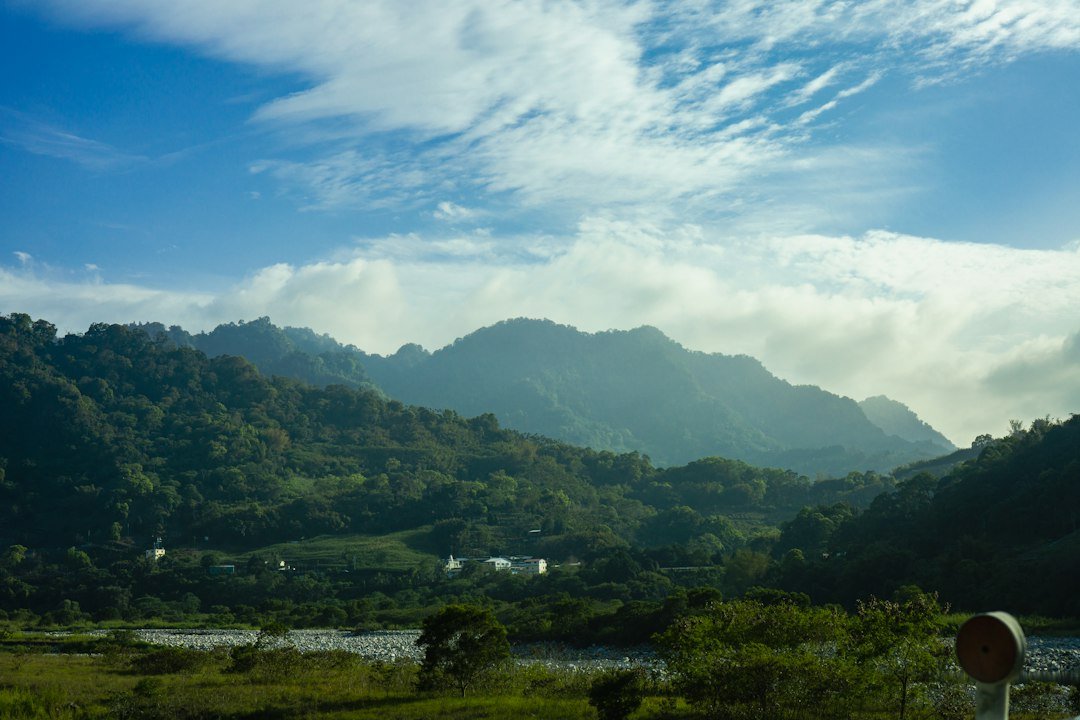
Taiwan sits atop a volatile tectonic boundary, and this restless geology has gifted the island one of the densest concentrations of hot springs in the world. Nearly every region, from the misty mountains of Yangmingshan to the rugged southeastern coast, taps into geotermisk reservoirs heated by magma deep underground. Locals and visitors alike flock to these mineral-rich pools, drawn by waters said to soothe aching joints and calm restless minds after a demanding week.
Long before modern resorts appeared, Taiwan’s urfolk peoples already understood the value of these natural springs. Communities near present-day Beitou and Zhiben bathed in exposed pools, using the heated water to treat wounds and ease fatigue after hunting or farming. Oral histories describe springs as sacred meeting places where elders gathered to share stories, reinforcing a bond between the land’s volcanic energy and daily community life.
During the Japanese colonial era (1895-1945), hot spring culture was transformed into a formal institution. Engineers built elaborate bathhouses modeled on those in Japan, complete with wooden changing rooms, tiled pools, and strict bathing regulations. Beitou, in particular, blossomed into a renowned resort town, its sulfuric waters attracting dignitaries and ordinary workers alike, cementing bathing as both ritual and social occasion.
Contemporary visitors must still observe a clear etikette: showering thoroughly before entering, tying back long hair, and refraining from wearing swimsuits in traditional gender-segregated baths. Many resorts also offer communal pools where families and friends relax together, often in scenic outdoor settings surrounded by bamboo forests or mountain views. These unspoken rules preserve the respectful, almost meditative atmosphere that distinguishes a proper soak from a simple swim.
Beyond relaxation, hot springs are prized for their believed therapeutic properties, with devotees claiming that regular soaking can rejuvenate tired muscles and improve circulation. Secluded mountain resorts now pair volcanic pools with spa treatments, turning a quick visit into an immersive retreat. Whether in a bustling bathhouse or a quiet forest pool, to immerse oneself in Taiwan’s steaming waters is to join a tradition bridging ancient practice and modern leisure.
A. Vokabular
- geothermal ____
- indigenous ____
- colonial ____
- etiquette ____
- communal ____
- therapeutic ____
- rejuvenate ____
- secluded ____
- immerse ____
- sulfuric ____
- a. originating naturally in a particular place; native
- b. containing or relating to sulfur, often producing a strong odor
- c. to make something or someone feel fresh, healthy, or energetic again
- d. accepted rules of behavior in a social or professional setting
- e. relating to a period when one country is ruled by another
- f. shared by a group of people rather than used individually
- g. having a healing or soothing effect on the body or mind
- h. hidden away or sheltered from the sight of others
- i. relating to heat generated and stored within the earth
- j. to submerge something completely in a liquid

B. Sant eller usant
- ____ Taiwan has one of the densest concentrations of hot springs in the world.
- ____ Taiwan’s hot springs are heated by geothermal energy from magma deep underground.
- ____ Indigenous peoples in Taiwan only discovered hot springs after the Japanese colonial era.
- ____ Beitou became a renowned hot spring resort town during the Japanese colonial period.
- ____ Traditional bathing etiquette requires wearing a swimsuit inside gender-segregated baths.
- ____ Bathers are generally expected to shower before entering a hot spring pool.
- ____ Communal pools are only found in private family homes, never at resorts.
- ____ Some people believe soaking in hot springs can improve circulation and ease muscle tension.
- ____ Hot spring bathhouses in Taiwan were first built by indigenous communities using concrete tiles.
- ____ Secluded mountain resorts combine volcanic pools with spa treatments for visitors.
C. Fyll ut de tomme feltene
- Visitors must follow strict ___ before entering a traditional bathhouse, such as showering first.
- Many travelers believe a long soak can ___ tired muscles after a day of hiking.
- The resort’s ___ location deep in the mountains offers privacy away from crowded tourist spots.
- To fully enjoy the experience, bathers ___ themselves completely in the warm mineral water.
- The strong, rotten-egg smell near Beitou comes from the ___ compounds dissolved in the spring water.
D. Forståelsesspørsmål
- How did the Japanese colonial era change hot spring culture in Taiwan?
- What role did hot springs play in the lives of Taiwan’s indigenous communities before modern development?
- What etiquette rules might a visitor need to follow at a traditional Taiwanese hot spring?
E. Diskusjonsspørsmål
- Do you think communal bathing customs like Taiwan’s would be easy or difficult to adopt in your own culture? Why?
- Would you rather experience a bustling urban hot spring bathhouse or a secluded mountain retreat? Explain your choice.
Answer Key (click to reveal)
A. Vokabular: 1-i, 2-a, 3-e, 4-d, 5-f, 6-g, 7-c, 8-h, 9-j, 10-b
B. Sant/usant: 1-T, 2-T, 3-F, 4-T, 5-F, 6-T, 7-F, 8-T, 9-F, 10-T
C. Fyll ut blanke felt: 1-etiquette, 2-rejuvenate, 3-secluded, 4-immerse, 5-sulfuric
D. Forståelse:
- It formalized bathing into an institution with purpose-built bathhouses, strict regulations, and resort towns like Beitou that attracted both dignitaries and ordinary visitors.
- They used the heated water to treat wounds and ease fatigue, and gathered at springs as sacred meeting places to share stories with elders.
- Visitors typically must shower thoroughly beforehand, tie back long hair, and avoid wearing swimsuits in gender-segregated bathing areas.
© Tahric Teaches | tahricteaches.com





 NB
 EN
 ZH
 ZH_CN
 KO
 VI
 FR
 AR
 ES
 HI
 PT
 BN
 RU
 JA
 TR
 DE
 IT
 PL
 ID
 TH
 FA
 UK
 TL
 HE
 UR
 SW
 RO
 NL
 MS
 TA
 PS
 HU
 EL
 SV
 NN
 DA
 CS
 SR
 AM