
English Idioms: Food and Cooking — 10 Expressions You Need to Know
Native English speakers rarely say exactly what they mean. Instead, they reach for idioms — colourful expressions whose meaning has nothing to do with the individual words. And no group of idioms is richer, or used more often at the dinner table and in the office, than the ones borrowed from food and cooking. If someone tells you a task is a piece of cake, no dessert is involved; they simply mean it is easy.

Below are ten of the most common food and cooking idioms in everyday English, each with a clear meaning, the story behind where it came from, and two natural example sentences so you can see exactly how to use it. Learn these ten and you will understand — and sound like — a native speaker far more quickly.
Why Food Idioms Are Everywhere in English
So why do English speakers reach for food when they want to describe money, secrets, difficulty, or calm? Food is one of the few experiences every human shares, which makes it the perfect source of shortcuts everyone instantly understands. A cook knows a cake is easy to eat, that beans scatter when a jar tips over, and that a cucumber stays cool in the sun. Those shared, physical images travel far better than abstract vocabulary, so they became fixed expressions passed down for centuries. For learners, this is good news: because the pictures are concrete, food idioms are some of the easiest to remember once you know the story behind them. You do not need to memorise a rule — you just need to picture the cake, the beans, or the frying pan, and the meaning comes back on its own.
1. A Piece of Cake
Betydning: Something that is very easy to do.
Opprinnelse: The phrase took off in 1930s America, but the idea likely reaches back to the cakewalks of the 1870s, where a cake was handed to whoever walked the most graceful, effortless circle. Doing something well enough to win the cake looked easy — and the expression stuck.
Eksempler:
- “The final exam was a piece of cake — I finished it in twenty minutes and still had time to check my answers.”
- “Don’t worry about tomorrow’s interview; for someone with your experience it will be a piece of cake.”
2. Bring Home the Bacon
Betydning: To earn money and provide for your family; to succeed at something.
Opprinnelse: Most word historians point to early-1900s America and the greased-pig contests at country fairs, where the winner literally took home the pig. Others trace it to the 12th-century English tradition of awarding a side (flitch) of bacon to happily married couples.
Eksempler:
- “She works two jobs to bring home the bacon while her husband studies at night.”
- “The whole sales team celebrated after they brought home the bacon with the biggest contract of the year.”

3. Spill the Beans
Betydning: To reveal a secret, often by accident.
Opprinnelse: The most popular explanation goes back to ancient Greece, where people voted by placing beans in a jar — white for yes, black for no. If someone knocked the jar over, the beans spilled out and the secret result was revealed too early.
Eksempler:
- “Who spilled the beans about the surprise party? It was supposed to be a secret!”
- “I promised my sister I wouldn’t spill the beans about her engagement until she told our parents.”

4. In a Nutshell
Betydning: In a few words; briefly and simply.
Opprinnelse: The image is genuinely ancient. The Roman writer Pliny the Elder described a copy of Homer’s Iliad small enough to fit inside a walnut shell. Centuries later Shakespeare used the phrase in Hamlet, and it has meant ‘compressed into a tiny space’ ever since.
Eksempler:
- “In a nutshell, we need to cut our costs and hire new staff much faster.”
- “The film is three hours long, but in a nutshell it’s a story about forgiveness.”
5. Butter Someone Up
Betydning: To flatter or be very nice to someone so they will do what you want.
Opprinnelse: One popular theory traces the phrase to an ancient Indian custom of throwing balls of clarified butter (ghee) at statues of the gods when asking for a favour or good fortune. The idea of ‘softening someone up’ with butter fits smoothly.
Eksempler:
- “He’s been buttering up the boss all week because he wants Friday off.”
- “No amount of buttering me up is going to change my decision, so please stop trying.”
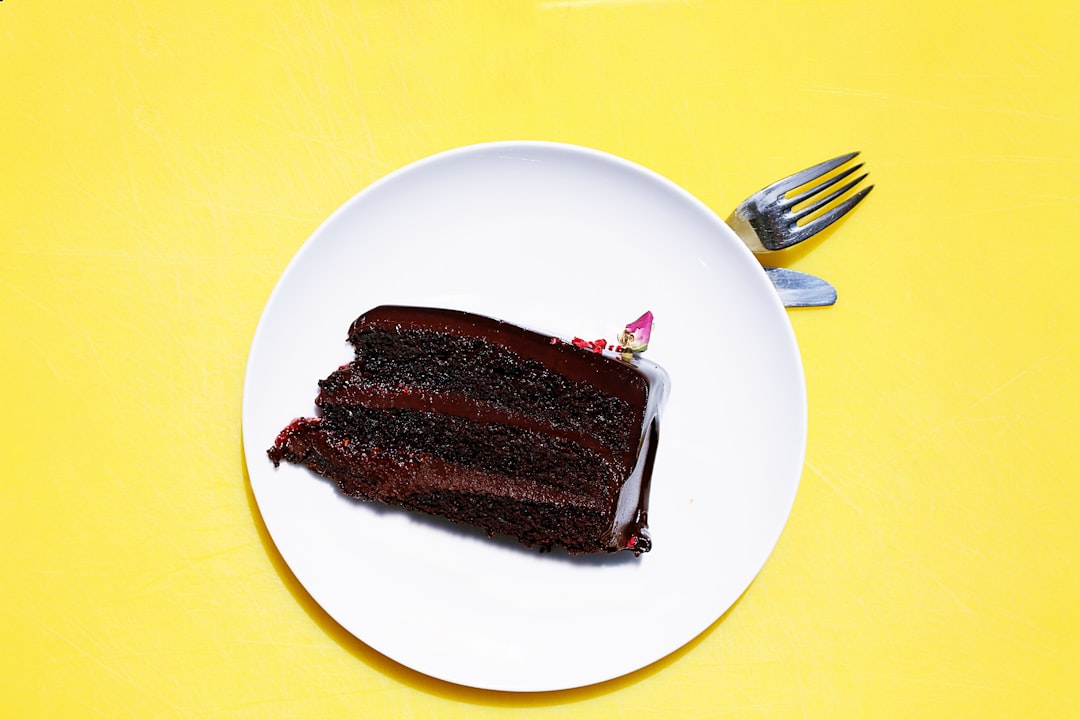
6. The Icing on the Cake
Betydning: An extra good thing that makes an already good situation even better.
Opprinnelse: The idiom comes straight from the kitchen. A cake is already a treat, and the sweet icing on top is the finishing touch that makes it special. The phrase has been used figuratively since the 19th century.
Eksempler:
- “We won the championship, and the free trip to celebrate was the icing on the cake.”
- “Getting the job was wonderful; being given a corner office was the icing on the cake.”
Watch: Food Idioms in Action
Seeing and hearing idioms used by a native speaker makes them stick. This short lesson walks through several food idioms with clear examples:
7. Take It with a Grain of Salt
Betydning: To not completely believe something; to be a little skeptical.
Opprinnelse: This one comes from Latin — cum grano salis. Pliny the Elder recorded a recipe for an antidote to poison that was to be taken ‘with a grain of salt’, suggesting the claim should be swallowed cautiously rather than accepted whole.
Eksempler:
- “He loves to exaggerate, so take his fishing stories with a grain of salt.”
- “Take online product reviews with a grain of salt — some of them are written by the sellers themselves.”

8. A Hard Nut to Crack
Betydning: A difficult problem to solve, or a person who is hard to get to know.
Opprinnelse: The origin is refreshingly literal. Some nuts have shells so tough they resist every attempt to open them, and the phrase has been applied to stubborn problems and people since at least the 1700s.
Eksempler:
- “This maths problem is a hard nut to crack — I’ve been working on it for an hour.”
- “The new manager is a hard nut to crack; nobody in the office can tell what she’s really thinking.”
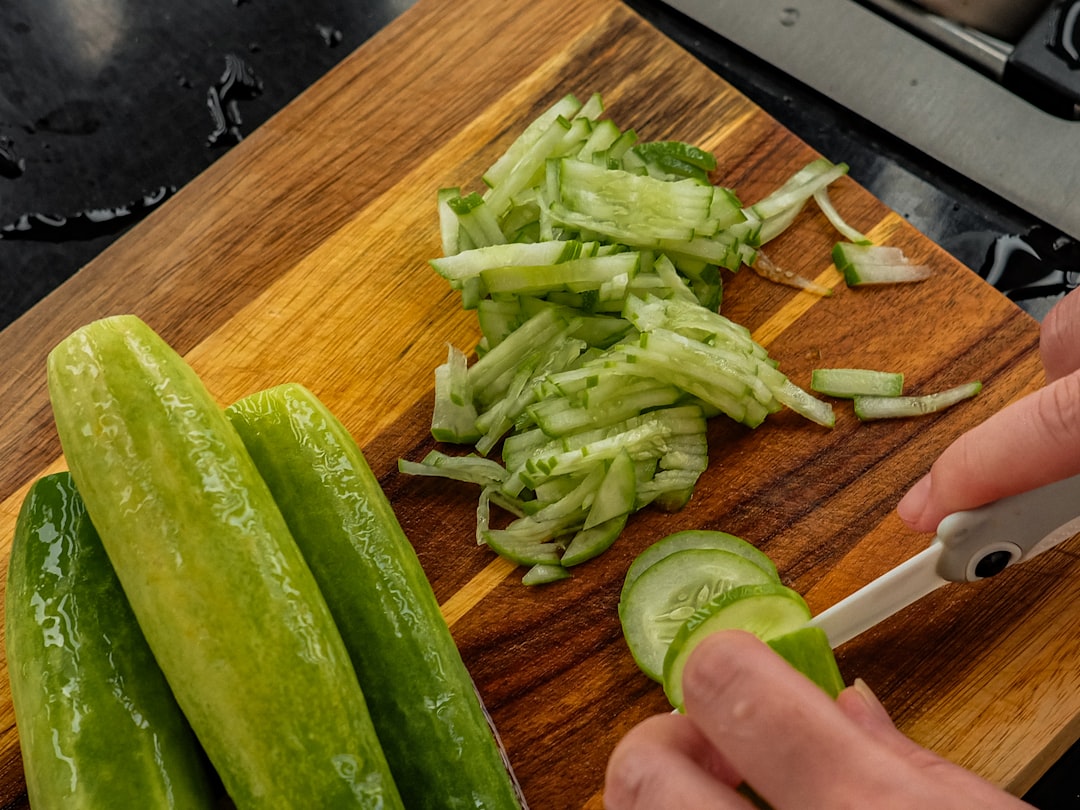
9. Cool as a Cucumber
Betydning: Calm and relaxed, especially in a stressful or difficult situation.
Opprinnelse: Cucumbers stay noticeably cool inside even on a hot day, and English speakers have compared unflappable people to them since the early 1700s. The alliteration of ‘cool’ and ‘cucumber’ helped the phrase last.
Eksempler:
- “Even during the fire drill she stayed cool as a cucumber and led everyone outside calmly.”
- “The pilot was cool as a cucumber during the emergency landing, and every passenger felt safer for it.”
10. Have Bigger Fish to Fry
Betydning: To have more important things to do.
Opprinnelse: The phrase appears in 17th-century English, including early translations of Cervantes’ Don Quixote. The picture is simple: if you have larger fish waiting for the pan, the small ones can wait.
Eksempler:
- “I can’t help decorate the hall this afternoon — I have bigger fish to fry before the deadline.”
- “The company ignored the tiny complaint because, frankly, it had much bigger fish to fry that quarter.”
Quick Recap: All Ten Food Idioms
Here is the whole menu in one place. Use this as a fast reference the next time you want to drop a natural expression into a conversation or a piece of writing:
- A Piece of Cake — Something that is very easy to do.
- Bring Home the Bacon — To earn money and provide for your family; to succeed at something.
- Spill the Beans — To reveal a secret, often by accident.
- In a Nutshell — In a few words; briefly and simply.
- Butter Someone Up — To flatter or be very nice to someone so they will do what you want.
- The Icing on the Cake — An extra good thing that makes an already good situation even better.
- Take It with a Grain of Salt — To not completely believe something; to be a little skeptical.
- A Hard Nut to Crack — A difficult problem to solve, or a person who is hard to get to know.
- Cool as a Cucumber — Calm and relaxed, especially in a stressful or difficult situation.
- Have Bigger Fish to Fry — To have more important things to do.
How to Learn Food Idioms Faster
Reading a list is a start, but idioms only stick when you use them. Here is a simple weekly routine that works for learners at every level. First, choose just two or three idioms from the list rather than trying to swallow all ten at once — a smaller bite is easier to digest. Second, write one sentence of your own for each, using a situation from your real life; a personal example is remembered far longer than a textbook one. Third, say the idiom out loud several times so the rhythm feels natural in your mouth. Fourth, listen for the idioms in films, songs, and podcasts, and notice the exact moment a speaker uses one. Finally, teach an idiom to a friend or classmate — explaining it is the fastest way to lock it into memory. Follow that loop each week and your collection of expressions will grow steadily without ever feeling like hard work.
Bring These Idioms to the Table
Idioms are the seasoning of a language: a little goes a long way, but the right expression at the right moment makes your English sound natural and confident. Try picking two or three of these food idioms this week and slipping them into your conversations. Once a piece of cake og spill the beans feel automatic, come back for the next set. Master a handful every week and within a few months you will have a whole kitchen of expressions ready to serve.









 NB
NB  EN
EN  ZH
ZH  ZH_CN
ZH_CN  KO
KO  VI
VI  FR
FR  AR
AR  ES
ES  HI
HI  PT
PT  BN
BN  RU
RU  JA
JA  TR
TR  DE
DE  IT
IT  PL
PL  ID
ID  TH
TH  FA
FA  UK
UK  TL
TL  HE
HE  UR
UR  SW
SW  RO
RO  NL
NL  MS
MS  TA
TA  PS
PS  HU
HU  EL
EL  SV
SV  NN
NN  DA
DA  CS
CS  SR
SR  AM
AM