Steigerstrategieën: praktische technieken die werken
Als je ooit een ESL-student met een lege blik naar een leestekst hebt zien staren of hebt zien vastlopen tijdens een spreekopdracht, dan begrijp je al waarom scaffolding zo belangrijk is. Scaffolding gaat niet over het vereenvoudigen van de lesstof, maar over het creëren van tijdelijke ondersteuning zodat leerlingen doelen kunnen bereiken die ze anders niet zouden halen. Goed toegepaste scaffolding transformeert een verwarrende les in een gestructureerd pad dat leerlingen daadwerkelijk kunnen volgen.
Het concept is afkomstig van Lev Vygotsky's Zone van Proximale Ontwikkeling (ZPD), die de kloof beschrijft tussen wat een leerling zelfstandig kan doen en wat hij of zij met begeleiding kan bereiken. Voor docenten Engels als tweede taal is deze kloof vaak groter dan in reguliere klassen, omdat leerlingen tegelijkertijd de inhoud en de taal die nodig is om die inhoud te begrijpen, leren. Deze dubbele belasting maakt scaffolding niet alleen nuttig, maar essentieel.

Waarom ESL-leerlingen meer ondersteuning nodig hebben dan de meeste anderen
Reguliere leerlingen beginnen een les met ten minste een functionele beheersing van de instructietaal. Leerlingen die Engels als tweede taal leren, hebben die luxe niet. Ze begrijpen misschien wel het concept dat wordt onderwezen – breuken, fotosynthese, oorzaak en gevolg in de geschiedenis – maar missen de woordenschat, zinsbouw of gespreksstructuren om te laten zien wat ze weten. Zonder ondersteuning vallen deze leerlingen tussen wal en schip, niet omdat ze geen aanleg hebben, maar omdat de taalbarrière te hoog is.
Onderzoek van de TESOL Internationale Vereniging Uit onderzoek blijkt consistent dat expliciete taalondersteuning, ingebed in de inhoudelijke instructie, aanzienlijk betere resultaten oplevert voor leerlingen die Engels als tweede taal leren. Het sleutelwoord hierbij is... ingebed — Een ondersteunende structuur werkt het beste wanneer deze in de les zelf is verweven en niet achteraf wordt toegevoegd.
Docenten Engels als tweede taal (ESL) die de technieken van scaffolding beheersen, melden een hogere participatie van leerlingen, minder gedragsproblemen en betere resultaten bij toetsen. Als u op zoek bent naar strategieën die echt een verschil maken in uw klas, dan zijn dit de strategieën waar u zich op moet richten.
Achtergrondkennis opbouwen vóór de les
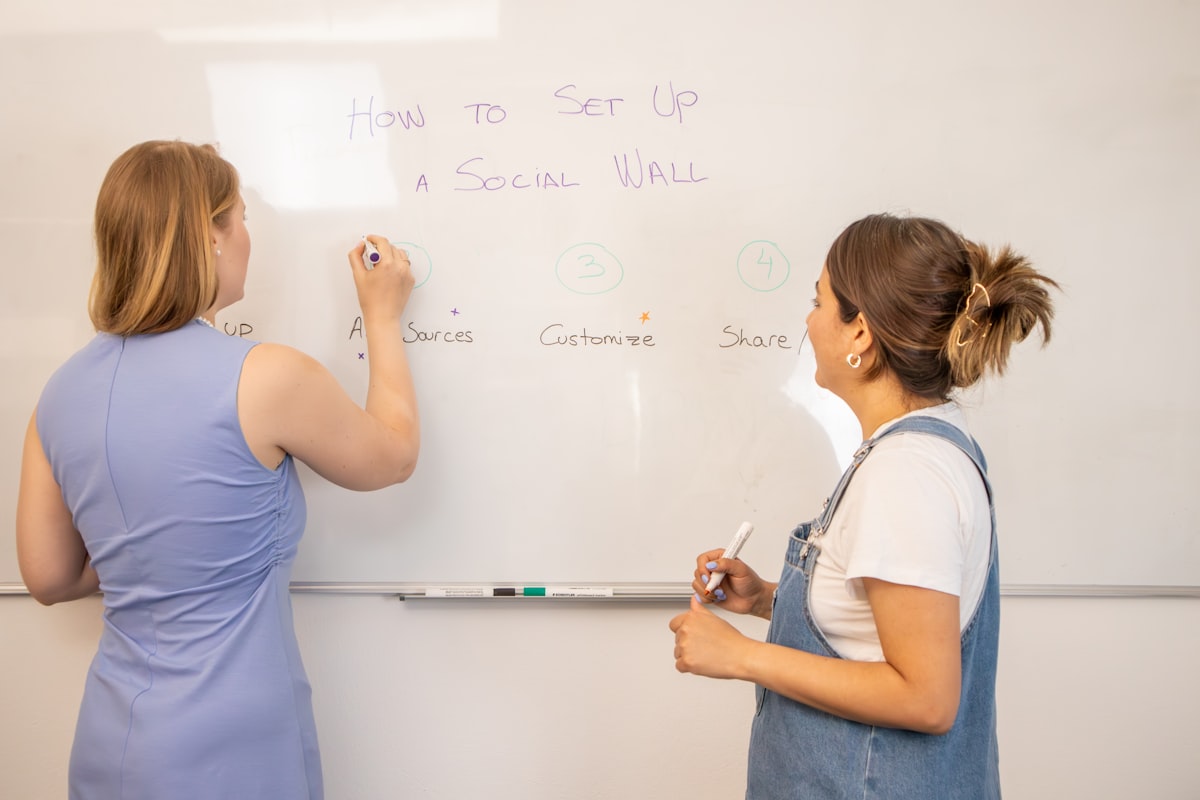
Een van de meest over het hoofd geziene ondersteuningsstrategieën is het vooraf opbouwen van kennis. Voordat leerlingen met nieuwe stof beginnen, activeren of versterken effectieve ESL-docenten de voorkennis die ze nodig hebben om de les te begrijpen. Dit kan bijvoorbeeld een korte discussie zijn die het onderwerp verbindt met de eigen ervaringen van de leerlingen, een kort filmpje of een visuele uitleg van de belangrijkste woorden.
Als je bijvoorbeeld een les over weersystemen gaat geven, besteed dan tien minuten aan het tonen van echte foto's van verschillende weersverschijnselen en het vragen naar de bijbehorende woorden. Gebruik een KWL-schema (Wat je al weet, Wat je wilt weten, Wat je al hebt geleerd) om hun voorkennis visueel te ordenen. Dit geeft elke leerling – ongeacht zijn of haar niveau – een basis voordat de lesstof aan bod komt.
Het vooraf voorbereiden van de lesstof is vooral effectief voor leerlingen met een diverse culturele achtergrond. Een leerling die is opgegroeid in een tropisch land heeft mogelijk geen enkel referentiekader voor sneeuwstormen of vorst. Door die achtergrondinformatie voorafgaand aan de les op te bouwen, wordt verwarring voorkomen en kan de leerling zich richten op de eigenlijke leerdoelen in plaats van vast te lopen op een onbekende context. Dit sluit nauw aan bij gedifferentieerd onderwijs voor anderstalige leerlingenwaarbij het aansluiten bij het huidige niveau van de leerlingen het uitgangspunt is voor al het andere.

Visuele ondersteuning: het abstracte concreet maken
Visuele hulpmiddelen zijn de ruggengraat van de ondersteuning bij het leren van Engels als tweede taal. Wanneer woorden tekortschieten, vullen afbeeldingen, diagrammen, grafieken en echte objecten (realia) het gat op. Visuele ondersteuning is niet beperkt tot de basisschool; zelfs gevorderde volwassen ESL-leerlingen hebben baat bij grafische schema's, infographics en geannoteerde afbeeldingen.
Hier volgen enkele praktische visuele hulpmiddelen die u direct kunt gebruiken:
- Grafische hulpmiddelen Venn-diagrammen, T-diagrammen, stroomschema's en conceptkaarten helpen leerlingen informatie te ordenen zonder al te veel op taal te leunen.
- Ankerkaarten — Hang belangrijke woordenschat, zinsstructuren en procedurele stappen op de muur, zodat leerlingen ze tijdens de les kunnen raadplegen.
- Diagrammen met labels — Bij het onderwijzen van inhoudelijk zware vakken zoals natuurwetenschappen, verminderen visuele hulpmiddelen met labels de cognitieve belasting aanzienlijk.
- Kleurcodering — Gebruik consistente kleuren voor woordsoorten, tekststructuren of categorieën om visuele patronen te creëren die het leerproces versterken.
- Echte voorwerpen en manipulatiematerialen Fysieke objecten brengen abstracte begrippen tot leven. Lesgeven over fruit? Neem dan echt fruit mee. Lesgeven over gereedschap? Neem dan het gereedschap mee.
De Lesmateriaal van de British Council Benadruk dat visuele ondersteuning bijzonder effectief is omdat het de taalbarrière omzeilt en leerlingen direct toegang geeft tot de betekenis. Dit is geen kruk, maar een brug die leerlingen oversteken naarmate hun taal zich ontwikkelt.

Zinsstructuren en taalstammen
Zinsstructuren zijn een van de eenvoudigste en meest effectieve hulpmiddelen in de gereedschapskist van een docent Engels als tweede taal. Ze bieden de grammaticale structuur en laten tegelijkertijd ruimte voor de leerling om eigen inhoud toe te voegen. Dit verlaagt de taalbarrière zonder de cognitieve belasting te verminderen.
Vergelijk deze twee benaderingen voor een discussievraag:
Zonder steiger: “Bespreek de oorzaken van de waterkringloop.”
Met zinsstructuren:
- “Eén oorzaak van __________ is __________.”
- “Ik denk dat __________ gebeurt omdat __________.”
- “__________ is vergelijkbaar met __________ omdat __________.”
De tweede aanpak biedt beginnende en gemiddelde studenten de structuur die ze nodig hebben om zinvol deel te nemen. Gevorderde studenten kunnen ervoor kiezen om de kaders wel of niet te gebruiken – de ondersteuning is er voor degenen die het nodig hebben, zonder iemand te belemmeren.
Zinsstructuren werken in alle vier taalvaardigheden: spreken, luisteren, lezen en schrijven. Tijdens schrijfopdrachten voorkomen ze de gevreesde blokkade die ontstaat wanneer leerlingen niet verder kunnen schrijven. Tijdens discussies geven ze leerlingen het zelfvertrouwen om hun mening te uiten, omdat ze al over de juiste grammaticale structuur beschikken.
Modelleren en hardop denken
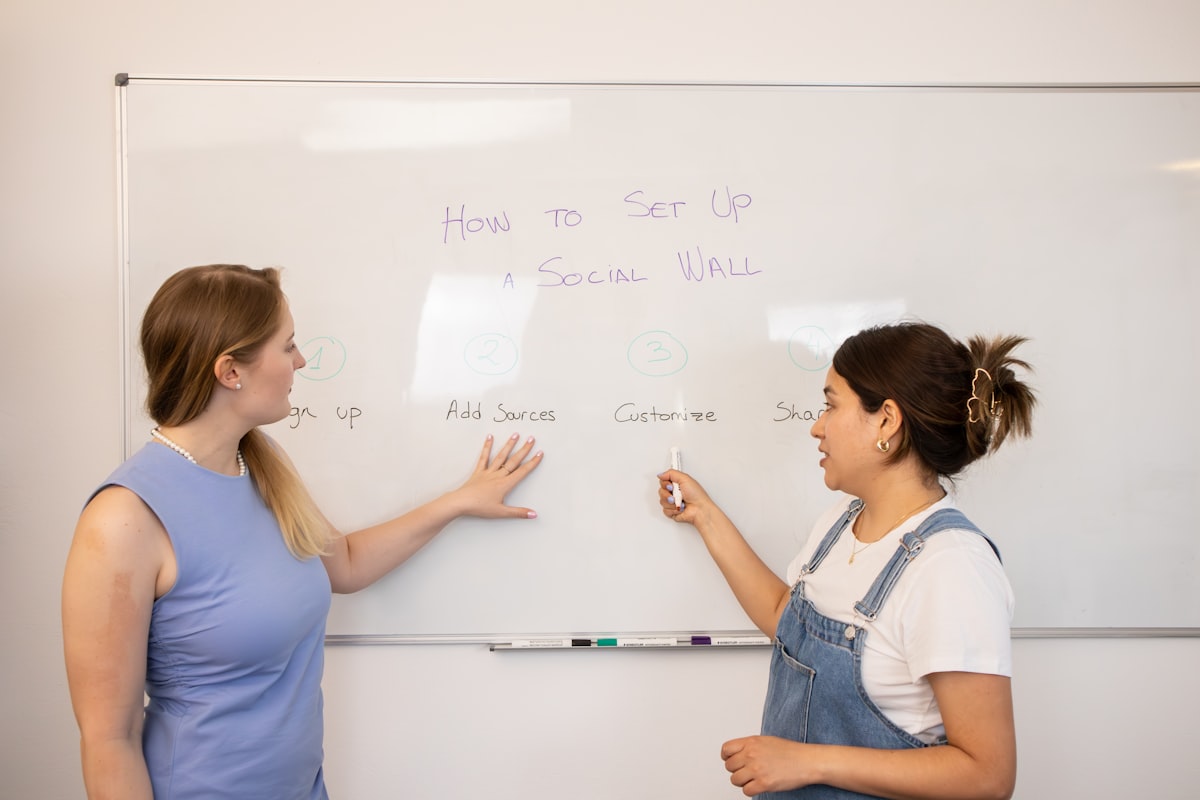
Laten zien is bijna altijd effectiever dan vertellen, vooral voor anderstalige leerlingen. Modelleren betekent precies demonstreren wat je van de leerlingen verwacht: samen het eerste voorbeeld maken, je denkproces tijdens het lezen van een tekst laten zien, of een voorbeeldalinea op het bord schrijven terwijl je je beslissingen toelicht.
Hardop denken tilt modelleren naar een hoger niveau door je interne redenering zichtbaar te maken. Pauzeer tijdens het lezen van een complexe tekst en zeg bijvoorbeeld:
- “Ik ken dit woord niet, dus ik ga de woorden eromheen bekijken voor aanwijzingen.”
- “Deze alinea is verwarrend. Laat me de eerste zin nog eens lezen om de hoofdgedachte te vinden.”
- “Ik merk op dat de auteur ‘echter’ gebruikt, wat erop wijst dat het volgende idee anders zal zijn dan het vorige.”
Deze strategie ondersteunt direct studenten die hun ontwikkeling bevorderen. leesvaardigheidDoor het cognitieve proces te externaliseren, leer je leerlingen niet alleen wát ze moeten denken, maar ook hóé ze moeten denken – een vaardigheid die toepasbaar is in verschillende vakken en op alle niveaus.
Coöperatieve leerstructuren
Interactie tussen leeftijdsgenoten is een krachtig hulpmiddel omdat het leerlingen de mogelijkheid biedt om op een laagdrempelige manier te oefenen in een ondersteunende omgeving. Gestructureerd samenwerkend leren – en niet zomaar "samenwerken met een partner" – zorgt ervoor dat elke leerling een rol, een taak en verantwoordelijkheid heeft.
Effectieve samenwerkingsstructuren voor ESL-klassen omvatten:
- Denk-Bespreek-Deel — Leerlingen denken individueel na, bespreken dit met een partner en delen het vervolgens met de klas. Dit geeft tijd om de gedachten te verwerken en vermindert de druk van een klassikale presentatie.
- Puzzel — Elk groepslid wordt expert op een bepaald onderdeel van het onderwerp en legt dit aan de anderen uit. Dit ontwikkelt tegelijkertijd spreek- en luistervaardigheden.
- Genummerde Hoofden Samen — Studenten bespreken de zaak in groepjes, waarna een willekeurig gekozen lid verslag uitbrengt. Dit zorgt ervoor dat iedereen verantwoording aflegt, omdat elk lid aan de beurt kan komen.
- Galerijwandeling — Groepen maken posters of visuele reacties die anderen verspreiden en waarop ze reageren. Dit combineert lezen, schrijven en kritisch denken met beweging.
Bij het samenstellen van groepen studenten is het belangrijk om zorgvuldig rekening te houden met hun taalvaardigheid. Het koppelen van een beginnende spreker aan een gevorderde spreker kan goed werken als de opdracht daarvoor bedoeld is, maar het kan er ook toe leiden dat de gevorderde student al het werk doet. Groepen met verschillende taalniveaus functioneren het beste met duidelijk omschreven rollen en taken die de bijdrage van elk lid vereisen. Dit sluit direct aan op effectieve strategieën voor klassenmanagement die ervoor zorgen dat elke leerling betrokken en verantwoordelijk blijft.

Ondersteuning bij het aanleren van woordenschat
Woordenschat vormt de basis van alles in een ESL-klas. Zonder voldoende woordenschat kunnen leerlingen niet effectief lezen, schrijven, spreken of luisteren. Gestructureerd woordenschatonderwijs gaat verder dan leerlingen een woordenlijst geven en hen de definities laten memoriseren.
Onderzoeksgebaseerde strategieën voor het opbouwen van woordenschat omvatten:
- Gelaagde woordenschat — Identificeer woorden van niveau 1 (basis), niveau 2 (academisch) en niveau 3 (vakgebiedspecifiek). Richt de instructie op woorden van niveau 2, omdat deze in verschillende vakken voorkomen en het meest effectief zijn voor leerlingen die Engels als tweede taal leren.
- Woordmuren — Dynamische, interactieve woordmuren die gedurende een lesperiode meegroeien, bieden leerlingen een permanent referentiepunt. Voeg afbeeldingen, vertalingen en voorbeeldzinnen toe bij elk woord.
- Frayer-model — Leerlingen definiëren een woord aan de hand van vier kwadranten: definitie, kenmerken, voorbeelden en tegenvoorbeelden. Deze diepgaande verwerking leidt tot een veel betere retentie dan simpelweg memoriseren.
- Contextuele praktijk — Presenteer woordenschat in betekenisvolle contexten in plaats van geïsoleerd. Leerlingen moeten nieuwe woorden tegenkomen in zinnen, passages en gesprekken voordat ze gevraagd worden om ze zelf te gebruiken.
- Cognate bruggen — Voor leerlingen wier moedertaal verwante woorden deelt met het Engels (met name sprekers van Spaans, Frans en Portugees), is het aanwijzen van verwante woorden een snelle manier om zelfvertrouwen op te bouwen en tegelijkertijd de woordenschat te vergroten.
Het aanleren van woordenschat in context is een van de meest effectieve methoden voor langdurige retentie. Voor een dieper inzicht in contextgebaseerde woordenschatstrategieën, bekijk deze handleiding over Woordenschat aanleren met behulp van contextuele aanwijzingen.

Geleidelijke overdracht van verantwoordelijkheid
Het model van geleidelijke vrijgave – vaak aangeduid als “Ik doe, wij doen, jij doet” – is scaffolding in zijn puurste vorm. De docent demonstreert (Ik doe), oefent vervolgens samen met de leerlingen (Wij doen), waarna de leerlingen zelfstandig oefenen (Jij doet). Elke fase vermindert de ondersteuning naarmate de leerlingen meer competentie ontwikkelen.
Voor docenten Engels als tweede taal (ESL) is de 'we doen'-fase cruciaal. Dit is de fase van begeleide oefening waarin je leerlingen kunt observeren, misverstanden direct kunt corrigeren en gerichte ondersteuning kunt bieden. Deze fase overslaan of er doorheen haasten is een van de meest voorkomende fouten in het ESL-onderwijs.
Een praktisch voorbeeld van geleidelijke vrijgave in een schrijfles:
- Ik doe: Schrijf een alinea met een kernzin, ondersteunende details en een slotzin. Beschrijf je gedachtegang tijdens het schrijven.
- Wij doen: Schrijf samen met de klas een tweede alinea, waarbij de leerlingen ideeën inbrengen terwijl jij de structuur begeleidt.
- U doet (ondersteund): Leerlingen schrijven hun eigen alinea met behulp van zinsstructuren, een woordenlijst en een checklist.
- Je doet (zelfstandig): Leerlingen schrijven zonder hulpmiddelen en laten daarmee zien wat ze hebben begrepen.
Het model van geleidelijke vrijgave werkt voor elke vaardigheid: lezen, schrijven, spreken, luisteren, grammatica en uitspraak. De sleutel is weten wanneer je leerlingen meer vrijheid moet geven en wanneer je ze juist wat minder vrijheid moet geven. Als leerlingen moeite hebben tijdens zelfstandig oefenen, is dat een signaal om terug te keren naar begeleide oefening – geen teken van falen, maar informatie over waar ze zich in het leerproces bevinden.
Scaffolding in de praktijk: een voorbeeld uit de klas
Bekijk deze video om te zien hoe lees- en schrijfvaardigheidsonderwijs voor anderstalige leerlingen in een echte klasomgeving wordt opgebouwd:
Technologie als hulpmiddel voor het opbouwen van een steiger.
Digitale hulpmiddelen kunnen, mits doelbewust gebruikt, de ondersteuning versterken. Vertaalapps, tekst-naar-spraakfuncties, digitale grafische schema's en interactieve woordenschatplatforms dienen allemaal als ondersteuning die leerlingen zelfstandig kunnen gebruiken.
Enkele effectieve technologische hulpmiddelen voor ESL-klassen:
- Google Translate — Niet ter vervanging van het leerproces zelf, maar als een handig naslagwerkje voor leerlingen die tijdens het zelfstandig lezen onbekende woorden tegenkomen.
- Padlet of Jamboard — Digitale samenwerkingsruimtes waar studenten ideeën visueel en tekstueel kunnen inbrengen, waardoor de druk van verbale deelname afneemt.
- Newsela of ReadWorks — Deze platforms bieden hetzelfde artikel aan op meerdere leesniveaus, waardoor je de leerstof kunt opbouwen door de complexiteit van de tekst aan te passen in plaats van de inhoud.
- Spraakopnameprogramma's Apps waarmee leerlingen hun spreekvaardigheid kunnen opnemen en opnieuw opnemen, bieden hen de mogelijkheid om in alle rust te oefenen voordat ze hun presentatie met de klas delen.
De Cambridge English Teaching Framework Hij merkt op dat technologische hulpmiddelen het meest effectief zijn wanneer docenten leerlingen expliciet leren hoe ze deze moeten gebruiken, duidelijke verwachtingen scheppen over wanneer en hoe ze gebruikt moeten worden, en het gebruik ervan geleidelijk afbouwen naarmate de leerlingen er meer vaardigheid in ontwikkelen.
Weten wanneer je de steiger moet verwijderen
Een steiger die nooit wordt afgebroken, is geen steiger, maar een permanente kruk. Het hele idee achter een steiger is juist dat deze tijdelijk is. Naarmate leerlingen meer vaardigheid ontwikkelen, moeten de hulpmiddelen geleidelijk worden afgebouwd totdat de leerling de taak zelfstandig kan uitvoeren.
Tekenen dat een leerling klaar is om de ondersteuning af te bouwen, zijn onder andere consistente nauwkeurigheid zonder de ondersteuning te raadplegen, zelfcorrectie zonder aanmoediging en het vermogen om de vaardigheid in nieuwe contexten toe te passen. Wanneer u deze signalen opmerkt, bouw de ondersteuning dan stapsgewijs af. Vervang zinsstructuren door open vragen. Ga van begeleide naar zelfstandige oefening. Verwijder de woordenlijst, maar behoud de grafische organizer. Elke kleine stap vergroot het zelfvertrouwen en de autonomie.
Als een leerling moeite heeft nadat een ondersteunende rol is weggenomen, is dat geen tegenslag. Herintroduceer de ondersteuning tijdelijk en probeer het later opnieuw. Taalverwerving verloopt niet lineair en flexibiliteit is een belangrijk onderdeel van goed onderwijs.
Alles samenvoegen
Scaffolding is geen op zichzelf staande strategie, maar een denkwijze. Het betekent dat je jezelf voortdurend afvraagt: "Wat heeft deze leerling nu nodig om deze inhoud te begrijpen?" Soms is het antwoord een zinsstructuur. Soms is het een visuele weergave. Soms is het een gesprek in tweetallen of een voorbeeld. De beste ESL-docenten gebruiken meerdere scaffoldingstrategieën binnen één les, waarbij ze ondersteuning op verschillende manieren toepassen, zodat elke leerling in de klas een weg naar succes heeft.
Begin met een of twee strategieën uit dit artikel en bouw daarop voort. Let op welke ondersteuningsmethoden goed aanslaan bij je leerlingen en welke ze snel ontgroeien. Na verloop van tijd wordt ondersteuning een tweede natuur – niet iets wat je aan je lesplannen toevoegt, maar iets wat ingebouwd is in je manier van lesgeven.






 NL
NL  EN
EN  ZH
ZH  ZH_CN
ZH_CN  KO
KO  VI
VI  FR
FR  AR
AR  ES
ES  HI
HI  PT
PT  BN
BN  RU
RU  JA
JA  TR
TR  DE
DE  IT
IT  PL
PL  ID
ID  TH
TH  FA
FA  UK
UK  TL
TL  HE
HE  UR
UR  SW
SW  RO
RO  MS
MS  TA
TA  PS
PS  HU
HU  EL
EL  SV
SV  NB
NB  NN
NN  DA
DA  CS
CS  SR
SR  AM
AM