
7 technieken voor leerlingbetrokkenheid die ESL-klassen transformeren
Student engagement is the heartbeat of effective ESL teaching. When your English learners are actively involved, motivated, and genuinely interested in the lesson, language acquisition accelerates dramatically. But keeping diverse learners engaged while teaching a second language presents unique challenges that every ESL instructor faces. The key to successful ESL student engagement lies in understanding that language learning is inherently social, interactive, and deeply personal. Students need to feel safe to make mistakes, motivated to practice, and confident that their progress matters. These seven research-backed techniques will help you create a dynamic classroom environment where every student thrives.
1. Interactive Storytelling and Role-Playing
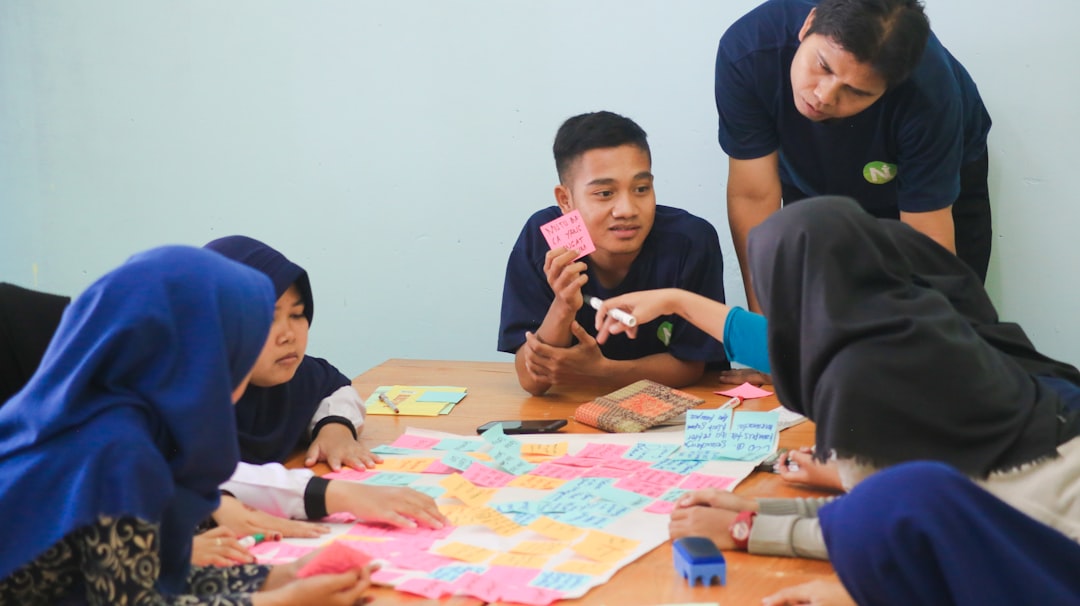
Transform passive listening into active participation through narrative-based activities. Instead of simply reading comprehension passages, have students become part of the story. Create scenarios where they must solve problems, make decisions, or continue plotlines using target vocabulary and grammar structures.  Implementation Strategy:
- Start with familiar story frameworks (fairy tales, daily routines, news scenarios)
- Assign roles that require different language functions (questioning, explaining, persuading)
- Use props, costumes, or digital tools to enhance the experience
- Encourage improvisation to build fluency and confidence
This technique addresses multiple learning styles while providing meaningful context for language use. Students develop speaking, listening, and critical thinking skills simultaneously, making the learning process more memorable and enjoyable.
2. Technology-Enhanced Collaborative Learning
Modern ESL classrooms benefit enormously from strategic technology integration. Collaborative platforms, interactive apps, and multimedia resources create opportunities for peer learning and self-directed exploration that traditional methods cannot match. Digital Engagement Tools:
- Collaborative documents for group writing projects
- Language learning apps for personalized practice
- Video creation tools for presentation projects
- Online discussion forums for extended conversations
- Interactive whiteboards for kinesthetic learning
Technology enables differentiated instruction, allowing advanced students to explore complex materials while providing support scaffolding for beginners. The key is choosing tools that enhance rather than complicate the learning process.
3. Task-Based Learning with Real-World Applications
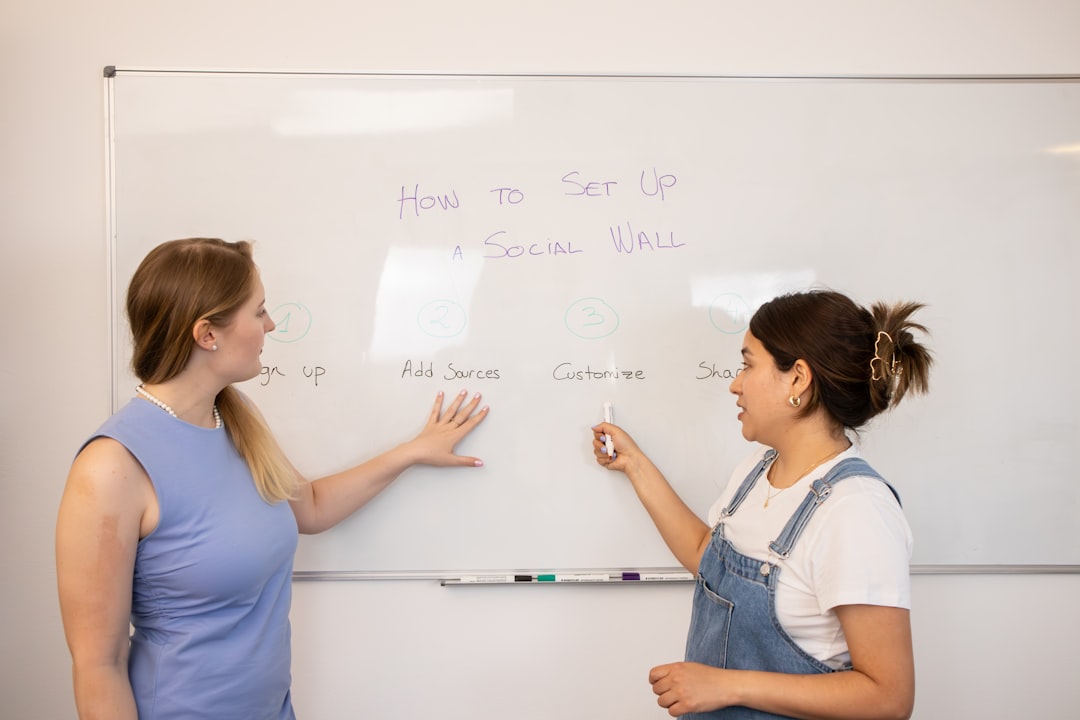
Connect classroom activities to authentic situations your students encounter outside school. When learners see immediate relevance in what they’re studying, engagement naturally increases. Design tasks that mirror real-world language use while practicing specific skills.  Authentic Task Examples:
- Restaurant ordering simulations with actual menus
- Job interview practice using real job listings
- Community service projects requiring English communication
- Cultural exchange presentations about students’ home countries
- Problem-solving activities based on local issues
These activities build practical language skills while developing cultural competency and critical thinking. Students gain confidence knowing they can apply classroom learning to real situations.
4. Gamification and Competitive Elements
Incorporate game-like elements to tap into students’ natural competitive instincts and desire for achievement. Well-designed educational games provide low-stress environments for practice while maintaining high engagement levels. Effective Gaming Strategies:
- Point systems for participation and progress
- Team-based challenges that promote collaboration
- Progressive difficulty levels that match student abilities
- Achievement badges for specific milestones
- Vocabulary races and grammar competitions
Games create positive pressure that encourages risk-taking and active participation. Students often forget they’re studying while fully engaged in gameplay, leading to more natural language acquisition.
5. Cultural Exchange and Personal Storytelling
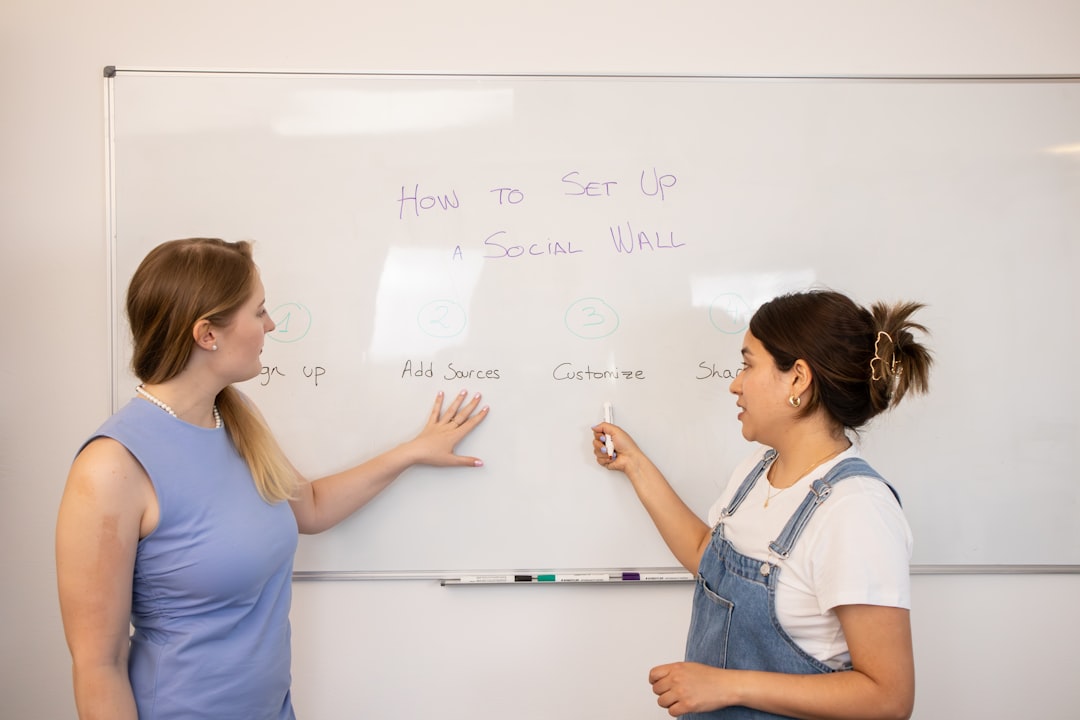
Leverage your students’ diverse backgrounds as valuable classroom resources. When learners share their cultures, experiences, and perspectives, they become teachers themselves, creating powerful engagement through personal investment. Cultural Integration Activities:
- “Culture of the Week” presentations by different students
- International food days with recipe explanations
- Holiday traditions sharing sessions
- Family story exchanges
- Current events discussions from multiple perspectives
This approach validates students’ identities while exposing the entire class to global perspectives. It builds community, reduces cultural barriers, and provides authentic communication opportunities.
6. Movement-Based and Kinesthetic Activities
Physical movement enhances learning by engaging different parts of the brain and accommodating kinesthetic learners. ESL students particularly benefit from activities that connect physical actions with language concepts. Movement Integration Ideas:
- Total Physical Response (TPR) for vocabulary building
- Classroom scavenger hunts for reading practice
- Gallery walks for peer feedback sessions
- Acting out verb tenses and grammar concepts
- Music and dance for pronunciation and rhythm
Movement breaks up the monotony of traditional instruction while helping students embody the language they’re learning. It’s particularly effective for younger learners and high-energy personalities.
7. Peer Teaching and Student Leadership

Empower students to take ownership of their learning by creating opportunities for them to teach and lead. This strategy builds confidence while providing authentic communication practice in leadership contexts. Student Leadership Opportunities:
- Peer tutoring partnerships between different proficiency levels
- Student-led discussion groups on topics of interest
- Classroom jobs and responsibilities with English requirements
- Presentation opportunities where students teach specific topics
- Peer feedback and editing partnerships
When students explain concepts to classmates, they deepen their own understanding while developing important communication skills. This creates a collaborative learning community where everyone contributes to the group’s success.
Creating an Engagement-Rich Environment
Successful implementation of these techniques requires thoughtful classroom management and consistent application. Consider these foundational elements: Environment Setup:
- Flexible seating arrangements that support different activities
- Clear expectations for participation and risk-taking
- Positive error correction that encourages continued attempts
- Regular feedback on both language skills and engagement levels
- Celebration of progress and cultural diversity
Assessment Integration:
- Formative assessment through engagement activities
- Peer evaluation opportunities
- Self-reflection journals or portfolios
- Performance-based assessments that mirror engagement activities
- Progress tracking that celebrates small wins
Measuring Engagement Success
Monitor the effectiveness of your engagement strategies through multiple indicators: Quantitative Measures:
- Increased voluntary participation rates
- Improved attendance and punctuality
- Higher completion rates for assignments
- Better performance on speaking assessments
- Reduced behavioral issues
Qualitative Indicators:
- Students asking questions beyond required content
- Peer-to-peer English conversations during breaks
- Students sharing personal experiences voluntarily
- Positive feedback about class enjoyment
- Student-initiated language practice outside class
Adapting Techniques for Different Contexts
These engagement strategies work across various ESL contexts, but successful implementation requires adaptation: For Beginners: Focus on visual support, simplified language, and high-structure activities that build confidence gradually. For Advanced Learners: Incorporate complex problem-solving, nuanced cultural discussions, and leadership opportunities that challenge their skills. For Mixed-Level Classes: Use differentiated roles within the same activities, peer mentoring relationships, and flexible grouping strategies. For Online Learning: Adapt activities using breakout rooms, collaborative documents, and interactive online tools while maintaining personal connection.
Creating Psychological Safety for Language Risk-Taking
One of the most important — and often overlooked — factors in ESL student engagement is psychological safety. Students who fear embarrassment will not take the linguistic risks that lead to genuine fluency gains. Building a classroom culture where mistakes are celebrated as evidence of effort transforms participation rates in ways that no activity or resource can match on its own.
Practical strategies include posting a class motto like “Mistakes = Learning” visibly in the room, using error correction techniques that preserve student dignity (write anonymous errors on the board rather than singling out the speaker), and openly sharing your own language-learning mistakes when appropriate. When students see their teacher normalise imperfection, they internalise the growth mindset that is essential for language acquisition.
Warm-up routines that guarantee early success also lower anxiety significantly. Start each lesson with a quick activity every student can do — a yes/no question, a show-of-hands poll, a one-word brainstorm — before moving into more demanding tasks. This ramps up confidence gradually and ensures every student has contributed at least once before the main activity begins, making later participation feel natural rather than forced.
Using Technology to Deepen Engagement
Digital tools can dramatically increase participation, especially among tech-comfortable younger learners. Polling apps like Mentimeter or Slido let every student respond simultaneously, removing the pressure of being the single person answering in front of the class. Anonymous response options encourage even shy students to share genuine opinions and take creative risks with language.
Collaborative writing tools such as shared Google Docs enable real-time peer feedback and create a visible record of group thinking that students can review after class. For speaking practice, short video-recording tasks — where students record a 30-second response on their phones — give learners the opportunity to rehearse and self-evaluate before sharing with peers, producing noticeably more polished and confident performances than cold-calling ever achieves.
The key is choosing technology that reduces friction rather than adding it. If a tool takes more than two minutes to set up, it disrupts momentum and erodes the engagement it was meant to create. Keep digital tools simple, consistent, and purposeful — use them to amplify engagement strategies that already work, not as a substitute for strong, relationship-driven teaching.
Measuring True Engagement in Your ESL Classroom
Engagement isn’t just about students being busy or quiet — it has three dimensions teachers can actively monitor: behavioural (are they on task?), cognitive (are they thinking deeply?), and emotional (do they seem invested and connected?). Genuine engagement happens when all three dimensions align at once.
Watch for these indicators of deep cognitive engagement: students asking unprompted follow-up questions, connecting new content to their own personal experiences, respectfully disagreeing with peers, and requesting clarification rather than silently guessing. These behaviours signal that learners are processing language at the depth that produces durable acquisition — not just surface compliance with classroom routines.
Conclusie
Effective ESL student engagement goes far beyond entertainment—it creates the conditions where language acquisition thrives. By implementing these seven techniques consistently and thoughtfully, you’ll see increased participation, improved language skills, and a more positive classroom culture. Remember that engagement is a two-way street. While these strategies provide structure and motivation, genuine engagement emerges when students feel valued, challenged appropriately, and connected to both the content and their classmates. Start with one or two techniques that align with your teaching style and student needs, then gradually expand your toolkit. The most engaged ESL classrooms are those where students feel safe to take risks, excited to participate, and proud of their progress. When you create this environment through strategic engagement techniques, language learning becomes not just more effective, but genuinely enjoyable for everyone involved. Your students came to learn English for important personal, academic, or professional reasons. These engagement strategies help ensure their classroom experience honors those goals while making the journey as enriching and effective as possible.
Looking for free ESL worksheets? Browse our full collection — printable resources for every level and age group. Browse Free Worksheets →
Students can access free worksheets and reading materials at 18KEnglish.com.








 NL
NL  EN
EN  ZH
ZH  ZH_CN
ZH_CN  KO
KO  VI
VI  FR
FR  AR
AR  ES
ES  HI
HI  PT
PT  BN
BN  RU
RU  JA
JA  TR
TR  DE
DE  IT
IT  PL
PL  ID
ID  TH
TH  FA
FA  UK
UK  TL
TL  HE
HE  UR
UR  SW
SW  RO
RO  MS
MS  TA
TA  PS
PS  HU
HU  EL
EL  SV
SV  NB
NB  NN
NN  DA
DA  CS
CS  SR
SR  AM
AM