
Electric Vehicles | Elementary ESL Reading Worksheet PDF
Free, classroom-ready, one click — includes answer key on page 3.

Reading Worksheet — Elementary (C) | tahricteaches.com
Electric vehicles, or EVs, are cars that run on elektriciteit instead of gas. They have a big battery inside that stores power. When the battery is empty, the driver must plug the car in to fill it up again. This is called charging.
Many people like electric cars because they are quiet and clean. A normal car makes loud noise and puts smoke into the air. An EV makes almost no sound and does not pollute the air. This is better for our planet and for our health.
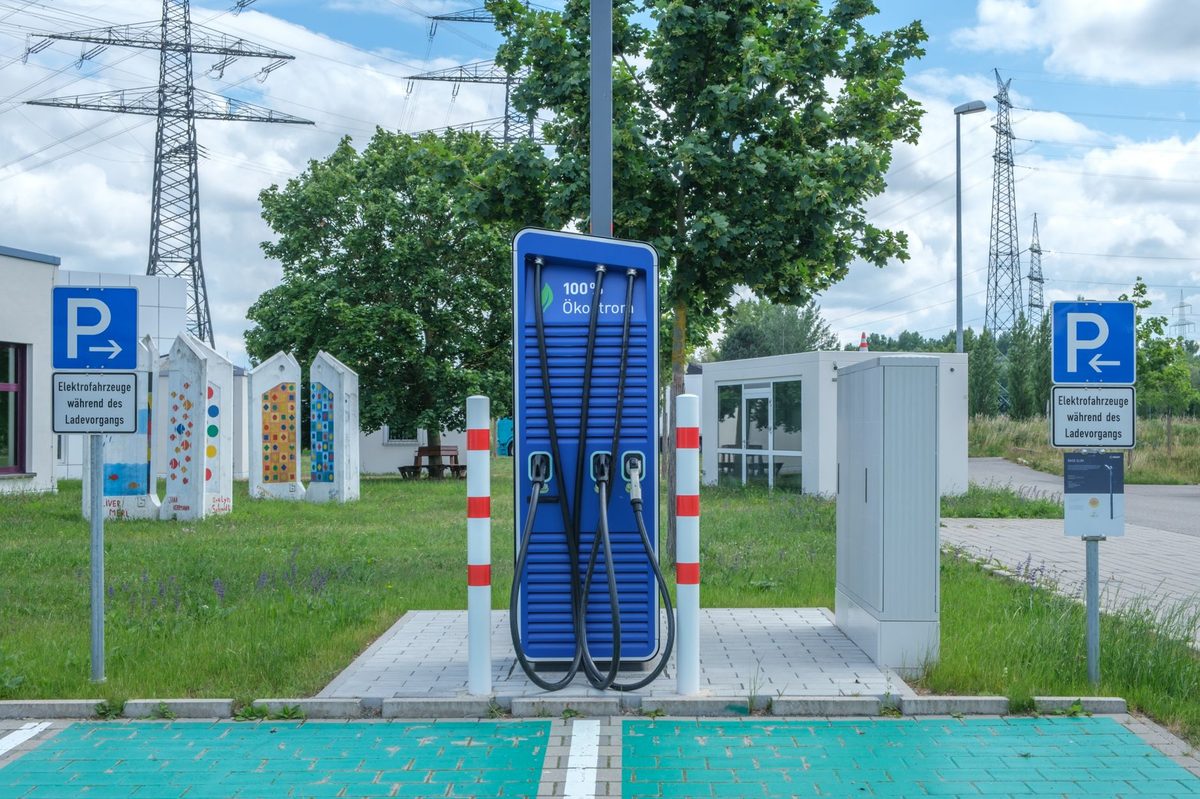
To charge an EV, the driver uses a special station. Some people charge their car at home at night. Other people stop at a public charger when they go shopping or eat lunch. Charging can take from thirty minutes to many hours.
Electric cars are not new. The first one was built more than 100 years ago. But today, the technology is much better. Modern EVs can travel a long distance on one charge. Some can go more than 400 kilometers before they need power again.
Many countries want more people to buy electric cars. Governments give money to help people pay for them. Big car companies are now making many new EV models. In the future, most cars on the road may be electric. This is good news for our cities and the air we breathe.
A. Woordenschat
- electricity ____
- battery ____
- pollute ____
- station ____
- distance ____
- vehicle ____
- charge ____
- engine ____
- modern ____
- government ____
- a. device that stores electric power inside a car or phone
- b. group of people who lead and make rules for a country
- c. fill a battery with electric power
- d. place where you can charge a car or buy fuel
- e. make air, water, or land dirty and unsafe
- f. how far one place is from another
- g. machine like a car, truck, or bus that moves people or things
- h. part of a vehicle that makes it move
- i. form of energy that powers lights, computers, and machines
- j. new and made with today’s technology

B. Waar of onwaar
- ____ Electric vehicles run on gas.
- ____ EVs have a big battery inside them.
- ____ Electric cars are very loud.
- ____ EVs do not pollute the air.
- ____ You can charge an electric car at home.
- ____ Charging always takes only five minutes.
- ____ The first electric car was built last year.
- ____ Some modern EVs can go more than 400 kilometers on one charge.
- ____ Governments do not want people to buy EVs.
- ____ Big car companies are making new EV models.
C. Vul de lege plekken in
- An electric car uses ___ instead of gas to move.
- The ___ inside an EV stores the power.
- Electric cars do not ___ the air like normal cars.
- Drivers can stop at a charging ___ to fill up the battery.
- Some new EVs can travel a long ___ on one charge.
D. Begripsvragen
- What do electric vehicles use instead of gas?
- Why are electric cars better for the air?
- Where can people charge their electric cars?
E. Discussievragen
- Would you like to drive an electric car one day? Why or why not?
- What can people in your city do to help keep the air clean?
Answer Key (click to reveal)
A. Woordenschat: 1-i, 2-a, 3-e, 4-d, 5-f, 6-g, 7-c, 8-h, 9-j, 10-b
B. Waar/Onwaar: 1-F, 2-T, 3-F, 4-T, 5-T, 6-F, 7-F, 8-T, 9-F, 10-T
C. Vul de lege plekken in: 1-electricity, 2-battery, 3-pollute, 4-station, 5-distance
D. Begrip:
- Electric vehicles use electricity stored in a big battery instead of gas.
- They are better for the air because they are clean and do not put smoke or pollution into it.
- People can charge their cars at home at night or at public charging stations when they are out.
© Tahric Teaches | tahricteaches.com
Looking for free ESL worksheets? Browse our full collection — printable resources for every level and age group. Browse Free Worksheets →







 NL
NL  EN
EN  ZH
ZH  ZH_CN
ZH_CN  KO
KO  VI
VI  FR
FR  AR
AR  ES
ES  HI
HI  PT
PT  BN
BN  RU
RU  JA
JA  TR
TR  DE
DE  IT
IT  PL
PL  ID
ID  TH
TH  FA
FA  UK
UK  TL
TL  HE
HE  UR
UR  SW
SW  RO
RO  MS
MS  TA
TA  PS
PS  HU
HU  EL
EL  SV
SV  NB
NB  NN
NN  DA
DA  CS
CS  SR
SR  AM
AM