
Knocker-Uppers Worksheet | Elementary ESL Reading PDF
Leespassage
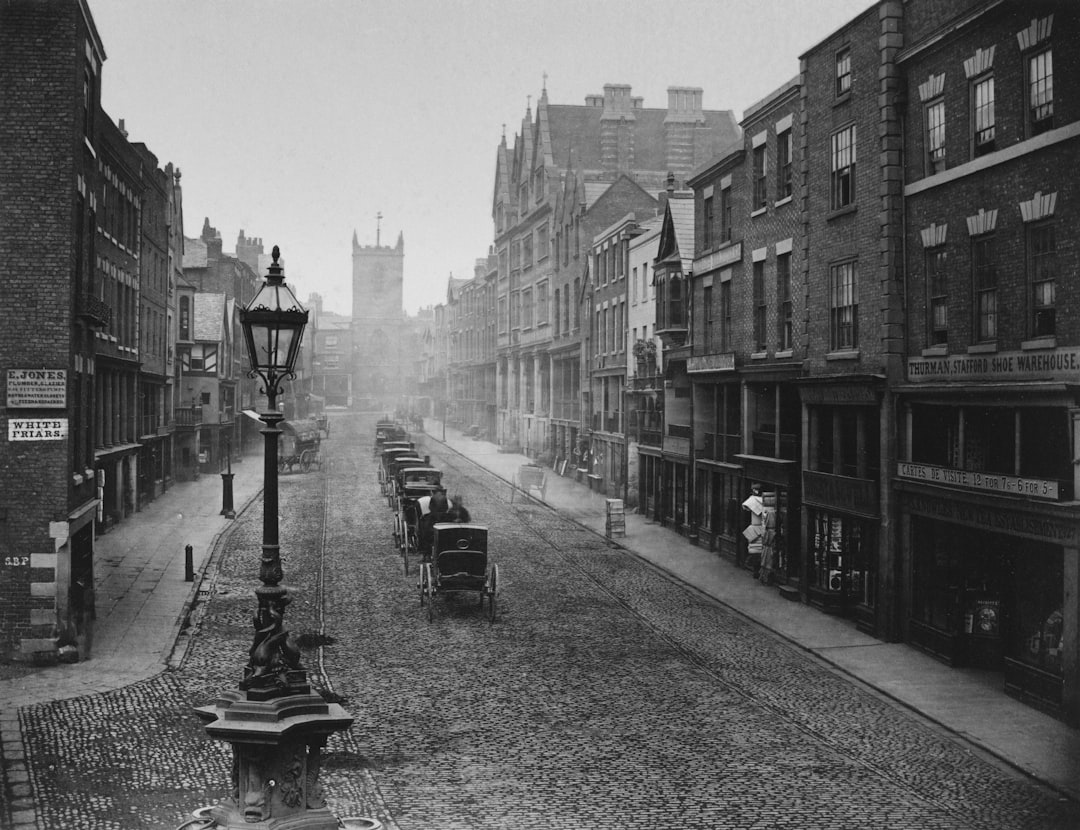
Long ago, before alarm clocks were cheap and easy to buy, people had a problem. They needed to wake up very early for work, but they had no way to make sure they got up on time. Factory workers, miners, and dock workers all started work very early. If they were late or missed work, they could lose their jobs or not get paid.
This problem led to a special job called a “knocker-upper.” Knocker-uppers were people who walked through the streets very early in the morning to wake people up. They carried a long bamboe stick or used a pea-shooter with dried peas. They would tap on bedroom windows or shoot peas at the windows to wake their customers.
The knocker-uppers had to remember which house to visit and what time each person needed to wake up. Some people needed to get up at 4 AM, others at 5 AM. Each customer paid a few pence every week for this service. The knocker-uppers had to work in all kinds of weather – rain, snow, or cold winter mornings.
Most knocker-uppers were older people or women who could not work in the factories. It was hard work, but it gave them a way to make money. Some knocker-uppers even had their own knocker-upper to make sure they woke up first! This job was very important from the 1830s to the 1940s in Britain and Ireland.
The job of knocker-upper slowly verdwenen when alarm clocks became cheap to buy. After World War II, many people could afford electric clocks and radio alarm clocks. The last known knocker-upper stopped working in the 1970s. Today, we use smartphone alarms, or hotels give us wake-up calls, but the knocker-upper job is gone forever.
Niveau: Niveau C
A. Woordenschat matchen
Koppel elk woord aan de bijbehorende definitie.
1. knocker-upper
2. bamboo
3. pea-shooter
4. customers
5. factories
6. miners
7. dock workers
8. pence
9. alarm clocks
10. disappeared
a. c. A person who woke people up for work
b. g. A strong, tall grass used to make sticks
c. e. A tool that shoots small objects like peas
d. j. People who pay for a service
e. i. Buildings where things are made
f. a. A person who worked in coal mines
g. f. People who work loading and unloading ships
h. d. Old British coins, smaller than pennies
i. h. Clocks that ring to wake people up
j. b. Went away completely
B. Waar of onwaar
Schrijf T (waar) of F (onwaar) bij elke bewering.
- Knocker-uppers worked in the afternoon.
- People paid knocker-uppers a few pence each week.
- All knocker-uppers were young men.
- Knocker-uppers used bamboo sticks to tap on windows.
- The job disappeared in the 1800s.
- Some knocker-uppers had their own knocker-upper.
- Factory workers didn’t need to wake up early.
- The last knocker-upper stopped working in the 1970s.
- Knocker-uppers only worked when the weather was good.
C. Vul de lege plekken in
Word Bank: alarm, bamboo, customer, women, disappeared, morning, factory
- Long ago, _____________ clocks were not cheap or easy to buy.
- Knocker-uppers carried a long _____________ stick to tap on windows.
- Each _____________ paid a few pence every week for this service.
- Most knocker-uppers were older people or _____________ who could not work in factories.
- The job slowly _____________ when alarm clocks became cheap to buy.
D. Begripsvragen
- Why did people need knocker-uppers before alarm clocks?
- What tools did knocker-uppers use to wake people up?
- How much money did customers pay for this service?
- Who usually worked as knocker-uppers?
- When did the last knocker-upper stop working?
E. Discussievragen
- How do you wake up in the morning? What would you do if you didn’t have an alarm clock?
- Do you think being a knocker-upper was a good job? Why or why not?
- What other old jobs do you know that don’t exist anymore? Why did they disappear?
Antwoordsleutel
A. Woordenschat: 1-c, 2-g, 3-e, 4-j, 5-i, 6-a, 7-f, 8-d, 9-h, 10-b
B. True or False: 1-F, 2-T, 3-F, 4-T, 5-F, 6-T, 7-F, 8-T, 9-F
C. Vul de lege plekken in: 1-alarm, 2-bamboo, 3-customer, 4-women, 5-disappeared


 NL
NL  EN
EN  ZH
ZH  ZH_CN
ZH_CN  KO
KO  VI
VI  FR
FR  AR
AR  ES
ES  HI
HI  PT
PT  BN
BN  RU
RU  JA
JA  TR
TR  DE
DE  IT
IT  PL
PL  ID
ID  TH
TH  FA
FA  UK
UK  TL
TL  HE
HE  UR
UR  SW
SW  RO
RO  MS
MS  TA
TA  PS
PS  HU
HU  EL
EL  SV
SV  NB
NB  NN
NN  DA
DA  CS
CS  SR
SR  AM
AM