Traditional Musical Instruments – Level C Elementary ESL Reading Worksheet
Music connects us. Across every culture and every country, people make music using instruments passed down through generations. This ESL reading worksheet introduces young learners to the world of traditional musical instruments — what they are, where they come from, and why they matter.
What Are Traditional Musical Instruments?
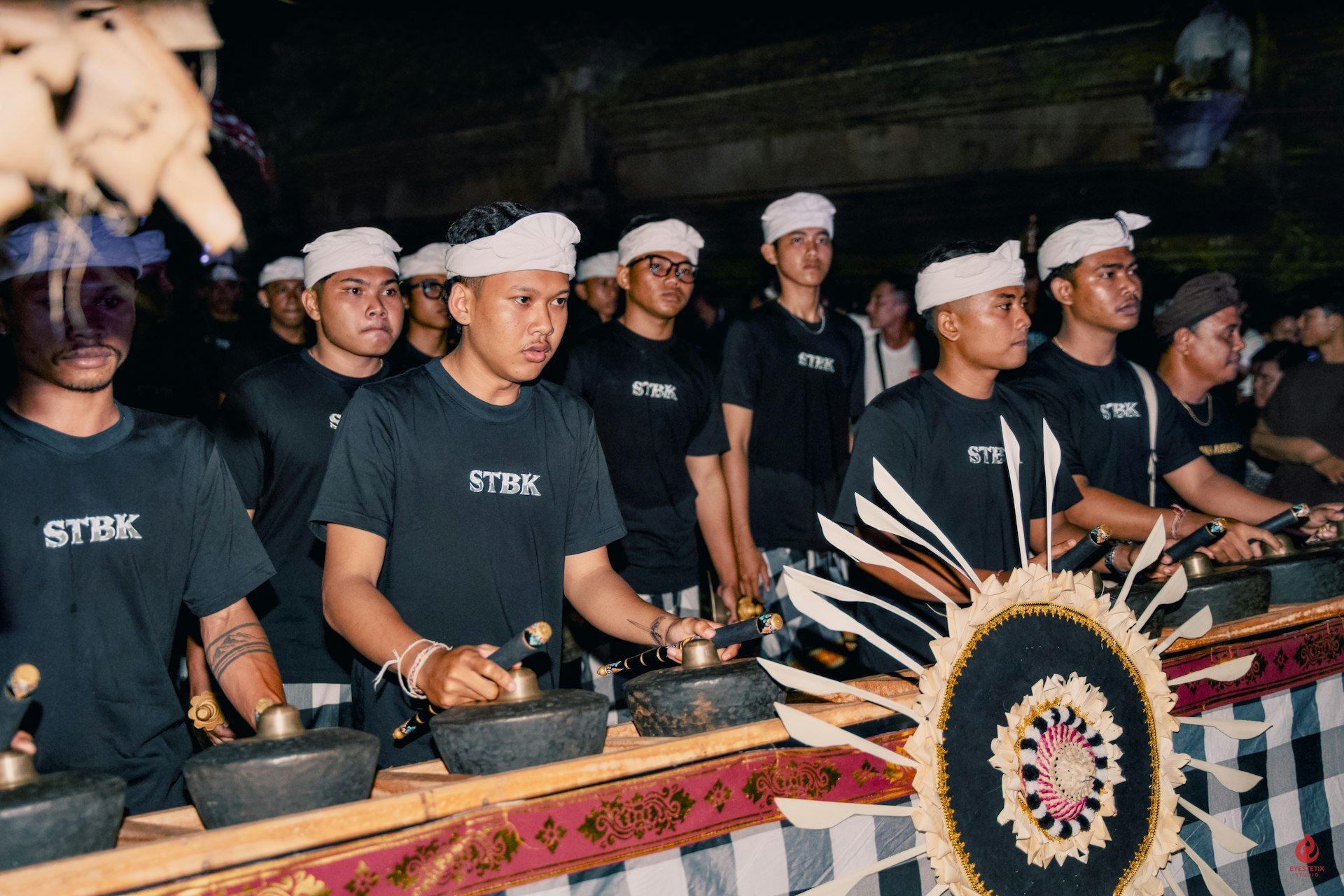
Traditional musical instruments are special tools that people use to make music. Each country has its own instruments that families have played for hundreds of years. For example, Japan has the koto, a long instrument with strings. Ireland has the fiddle, which looks like a violin. West Africa has the djembe, a drum you play with your hands.
These instruments are not just for music. They tell the story of a culture. When a child learns to play a traditional instrument, they learn about their family and their history too.
How Do Families Share Music?
In many families, parents teach their children how to play. Grandparents teach grandchildren. This is called a family tradition. The music stays in the family for a long, long time.
Sometimes, whole communities come together to play and listen. Music brings people together for celebrations, weddings, and festivals. When you hear traditional music, you can feel the heart of a culture.
Instruments Around the World
Let’s look at some popular traditional instruments:
- Guitar – Originally from Spain, now played worldwide.
- Sitar – A string instrument from India with a beautiful, rich sound.
- Bagpipes – A wind instrument from Scotland, often played at celebrations.
- Erhu – A two-string instrument from China, often called the “Chinese violin.”
- Maracas – Shaking instruments from Latin America, often made from dried fruit shells.
Why Should We Learn About These Instruments?
Learning about traditional instruments helps us understand the world. When we listen to music from other cultures, we learn to respect and appreciate different ways of life. Music is a universal language — it has no borders.
This worksheet is designed for Level C elementary ESL students (approximately Grade 3 reading level). All vocabulary uses MOE Level 1 word lists, making it accessible for early-stage English learners.
About This Worksheet
The Traditional Musical Instruments – Level C Elementary ESL Reading Worksheet includes:
- A 220-word reading passage at Grade 3 level
- Simple comprehension questions (multiple choice + short answer)
- Vocabulary matching activity using context clues
- A “My Favorite Instrument” creative writing prompt
- Cultural connection activity: draw or name an instrument from your country
All activities are designed for individual work, pair work, or whole-class discussion.
⬇ Download PDF Worksheet (Free)
How to Use This Worksheet in Your Classroom
This worksheet works well as a warm-up activity before a music or culture lesson. You can also use it as a reading comprehension exercise or a fun Friday activity. Students can compare instruments from their own cultures and share with classmates.
Recommended for: Grade 2–4 ESL / EFL students, beginner-intermediate English learners, multicultural classroom environments.



 NN
NN  EN
EN  ZH
ZH  ZH_CN
ZH_CN  KO
KO  VI
VI  FR
FR  AR
AR  ES
ES  HI
HI  PT
PT  BN
BN  RU
RU  JA
JA  TR
TR  DE
DE  IT
IT  PL
PL  ID
ID  TH
TH  FA
FA  UK
UK  TL
TL  HE
HE  UR
UR  SW
SW  RO
RO  NL
NL  MS
MS  TA
TA  PS
PS  HU
HU  EL
EL  SV
SV  NB
NB  DA
DA  CS
CS  SR
SR  AM
AM