
X-Men i prawa obywatelskie | Dlaczego Stan Lee stworzył bohaterów-mutantów

X-Men to nie tylko superbohaterowie z fajnymi mocami – reprezentują coś o wiele głębszego. W tej lekcji angielskiego jako obcego dowiemy się, dlaczego Stan Lee stworzył X-Menów i jak łączą się z rzeczywistymi problemami, takimi jak… Ruch Praw Obywatelskich.
Kto stworzył X-Menów?
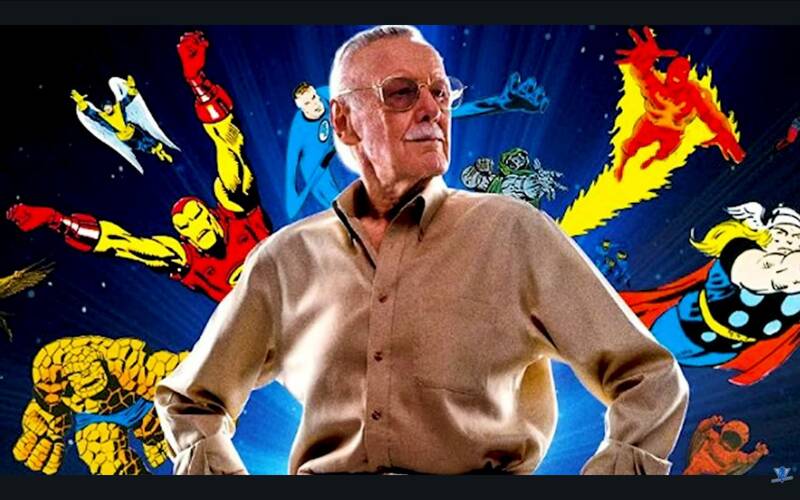
X-Menów stworzyli Stan Lee w 1963 roku. Ale Stan Lee nie chciał po prostu stworzyć kolejnego zespołu superbohaterów — chciał wykorzystać X-Menów, aby opowiedzieć o problemy społeczne co działo się w Ameryce w tamtym czasie.
Ruch Praw Obywatelskich
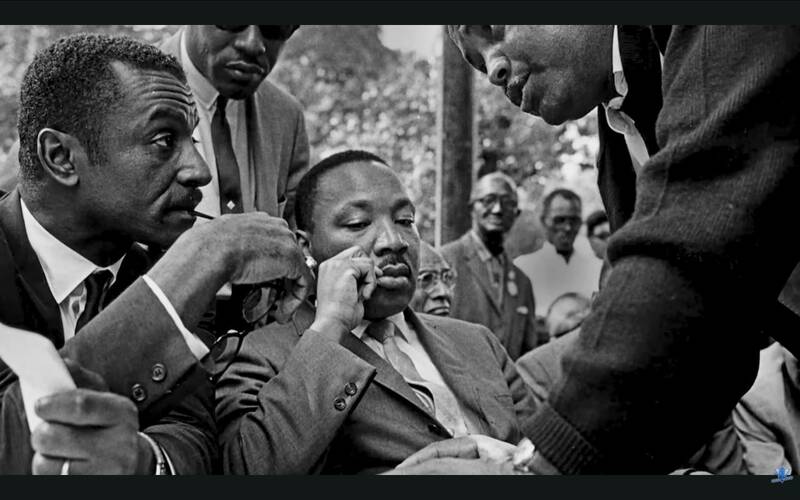
W latach 60. XX wieku Ameryka przeżywała okres zwany Ruch Praw ObywatelskichTo był czas, kiedy ludzie – zwłaszcza Afroamerykanie – walczyli o równość. Byli oceniani ze względu na kolor skóry i nie otrzymywali takiego samego traktowania jak inni członkowie społeczeństwa.
Stan Lee chciał poruszyć te kwestie, ale zamiast mówić bezpośrednio o rasie i kolorze skóry, stworzył mutanci — ludzie, którzy urodzili się inni i byli niesprawiedliwie traktowani, ponieważ inni się ich bali i ich nie rozumieli.
Co wyróżnia X-Menów?
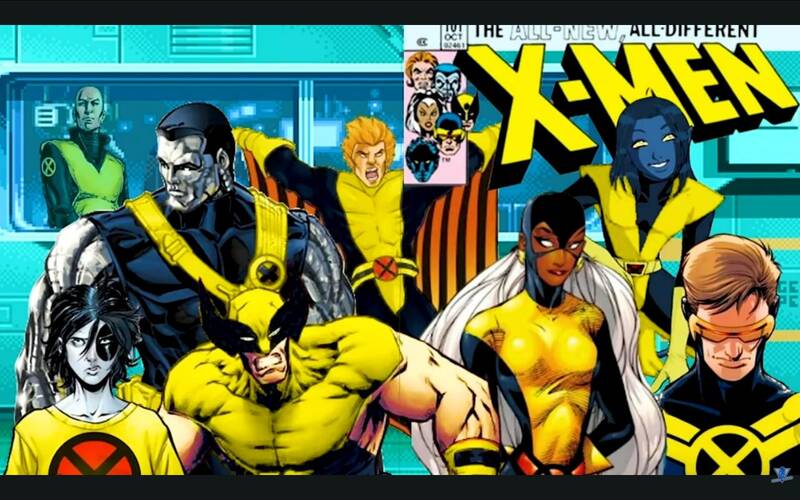
Wielu superbohaterów ma historie, które wyjaśniają ich moce:
- Nadczłowiek urodził się na planecie Krypton i został wysłany na Ziemię
- Spider-Man został ugryziony przez radioaktywnego pająka
- Hulk został wystawiony na działanie promieniowania gamma
A X-Men? Po prostu urodzili się inni. Nie wybrali sobie bycia mutantami – urodzili się jako mutanci. To właśnie sprawia, że ich historia jest tak potężna i wiarygodna.
Dlaczego ludzie boją się mutantów?
W świecie X-Men ludzie boją się mutantów. Dlaczego?
„Ludzie boją się tego, czego nie rozumieją.”
Ludzie nie rozumieją mocy mutantów i to strach przeradza się w nienawiśćAby kontrolować mutantów, ludzie tworzą roboty zwane Strażnicy — gigantyczne maszyny zaprojektowane do polowania i łapania mutantów.
Słownictwo: Posterunek — strażnik lub obserwator; w X-Men roboty polujące na mutantów
Dwóch liderów, dwie filozofie
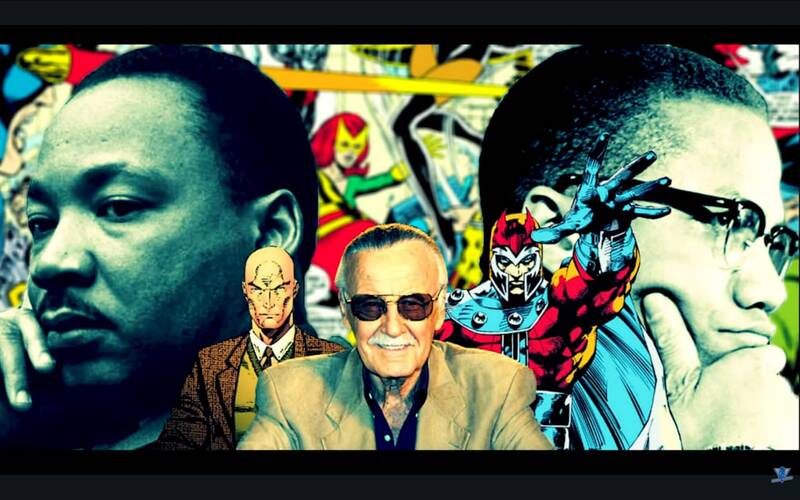
Historia X-Menów koncentruje się wokół dwóch przywódców, którzy mają zupełnie odmienne poglądy na temat tego, jak mutanci powinni reagować na ludzki strach i nienawiść.
Profesor X — Ścieżka Pokoju

Profesor X reprezentuje spokojny, współczujący podejście. Gromadzi mutantów w swojej szkole i uczy ich:
- Jak kontrolować swoje moce
- Że muszą chronić ludzinawet gdy ludzie ich nienawidzą
- Pokazać współczucie dla tych, którzy ich nie rozumieją
„My, X-Meni, nauczyliśmy się tu czegoś naprawdę wyjątkowego: jak kontrolować nasze moce mutantów dla dobra ludzkości”.
Profesor X uważa, że mutanci i ludzie Móc żyć razem w harmonii — ale tylko wtedy, gdy mutanci dają przykład i okazują życzliwość.
Magneto — Ścieżka Separacji
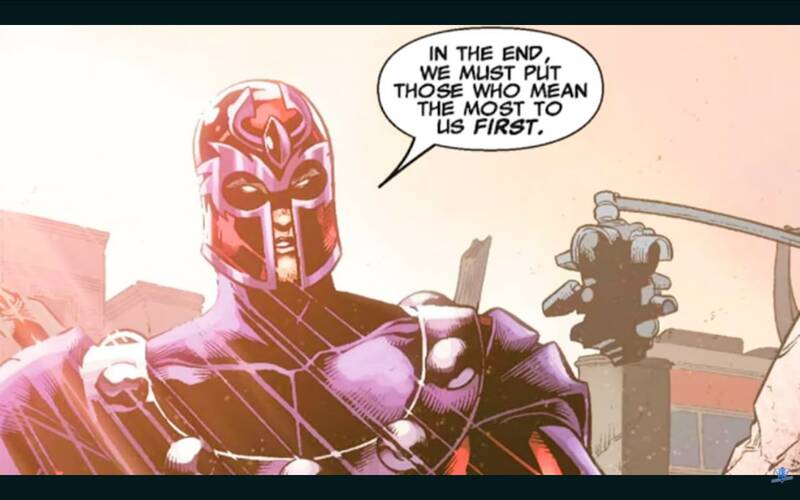
Magneto był kiedyś przyjacielem Profesora X. Podzielali te same poglądy. Ale potem Magneto zobaczył, jak ludzie krzywdzą mutantów, i się zmienił.
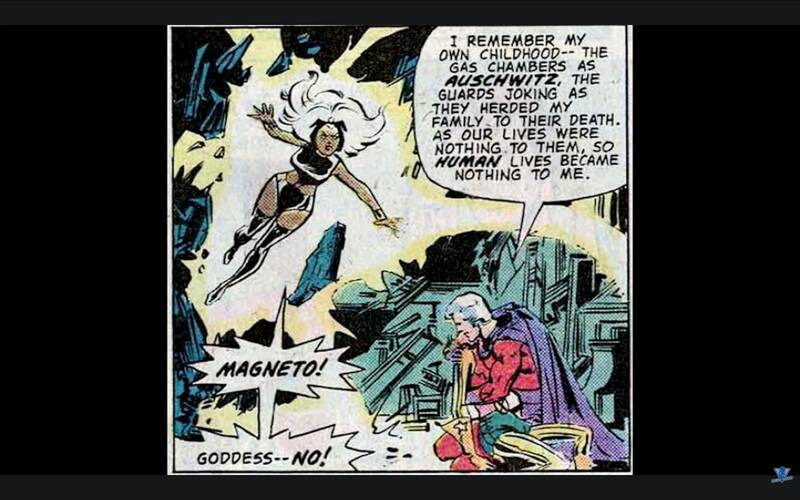
Magneto uważa:
- Mutanty powinny chronić tylko innych mutantów
- To jest dopuszczalne krzywdzić ludzi chronić mutantów
- Mutanty i ludzie nie mogą żyć razem pokojowo
„Marzenie twojego profesora umarło. Trzymaj się tego umierającego świata albo wznieś się ku przyszłości!”
Magneto reprezentuje separatystyczny punkt widzenia — że wspólne życie jest niemożliwe, gdy jedna grupa nieustannie próbuje szkodzić drugiej.
Wielkie pytanie
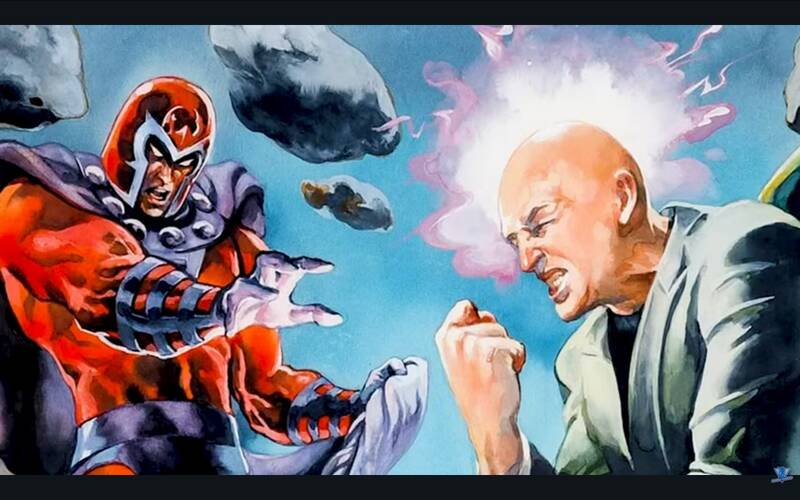
Kto ma rację — Profesor X czy Magneto?
To centralne pytanie serii X-Men. Nie ma na nie prostej odpowiedzi i to właśnie czyni ją tak fascynującą.
Stan Lee chciał, aby czytelnicy zastanowili się nad tymi pytaniami w swoim życiu:
- Czy możliwe jest pokojowe życie z ludźmi, którzy się ciebie boją?
- Czy warto okazywać dobroć, nawet gdy inni są okrutni?
- Kiedy można się bronić?
Wiadomość Stana Lee
Stan Lee jasno wyraził lekcję, jaka płynie z X-Menów:
„Nie ma miejsca na nietolerancję. Nie ma miejsca na bigoterię”.
X-Men uczą nas, że to jest źle jest traktować ludzi inaczej po prostu dlatego, że są inne lub że ich nie rozumiesz.
Słownictwo:
- Nietolerancja — niechęć do akceptowania różnic
- Bigoteria — uprzedzenia wobec ludzi, którzy różnią się od ciebie
Kluczowe lekcje z tego filmu
- Ludzie boją się mutantów ponieważ nie rozumieją swoich mocy
- Profesor X wierzy, że mutanci powinni pomagać ludziom i okazywać im współczucie, nawet gdy są źle traktowani
- X-Men są szkoleni, aby pomagać zarówno ludziom, jak i mutantom
- Magneto wierzy, że ludzie i mutanci nie mogą współistnieć pokojowo
- Historia X-Menów była inspirowane ruchem praw obywatelskich

Przegląd słownictwa
| Słowo | Oznaczający |
|---|---|
| Mutant | Osoba urodzona ze szczególnymi mocami lub różnicami |
| Prześladowanie | Okrutne traktowanie grupy ludzi |
| Ignorancja | Brak wiedzy lub zrozumienia |
| Współczucie | Troska o innych i chęć pomagania im |
| Ucisk | Niesprawiedliwe traktowanie lub kontrola grupy |
| Ewoluował | Rozwijane lub zmieniane w czasie |
| Nietolerancja | Niechęć do akceptowania różnic |
| Bigoteria | Silne uprzedzenia wobec różnych ludzi |
Quiz: Sprawdź swoje zrozumienie
- Kto stworzył X-Menów i w którym roku?
A. Stan Lee w 1963 r. | B. Charles Xavier w 1980 r. | C. Magneto w 1952 r. - Dlaczego ludzie boją się mutantów?
A. Ponieważ nie rozumieją swoich mocy | B. Ponieważ mutanci chcą przejąć władzę nad światem | C. Ponieważ ludzie chcą pomóc mutantom - Co Profesor X sądzi o mutantach i ludziach?
A. Mutanty powinny wykorzystywać swoje moce, aby pomagać ludziom | B. Mutanty powinny pozostać ukryte | C. Mutanty powinny kontrolować ludzi - Kim są Strażnicy?
A. Roboty chroniące ludzi | B. Roboty łapiące mutantów | C. Nauczyciele w szkole profesora X - Jakie jest przekonanie Magneto na temat mutantów?
A. Mutanci powinni pomagać ludziom bez względu na wszystko | B. Mutanci powinni chronić tylko innych mutantów | C. Mutanci i ludzie są równi
Odpowiedzi: 1-A, 2-A, 3-A, 4-B, 5-B
Pytania do dyskusji
Zastanów się nad poniższymi pytaniami i omów je z partnerem lub zapisz swoje odpowiedzi:
- Zgadzasz się bardziej z Profesorem X czy Magneto? Dlaczego?
- Czy potrafisz podać przykłady z historii, kiedy pewne grupy ludzi były niesprawiedliwie traktowane?
- Czego możemy nauczyć się od X-Menów na temat traktowania innych z szacunkiem?
- Czy zawsze warto okazywać współczucie ludziom, którzy wyrządzili ci krzywdę?
Chcesz dowiedzieć się więcej o postaciach X-Men i ich mocach? Sprawdź nasz artykuł towarzyszący: Postacie X-Men: Moce i słabości
Więcej lekcji ESL znajdziesz na stronie Kanał YouTube Tahric Teaches lub eksploruj 18 tys. programów w języku angielskim.
Looking for free ESL worksheets? Browse our full collection — printable resources for every level and age group. Browse Free Worksheets →








 PL
PL  EN
EN  ZH
ZH  ZH_CN
ZH_CN  KO
KO  VI
VI  FR
FR  AR
AR  ES
ES  HI
HI  PT
PT  BN
BN  RU
RU  JA
JA  TR
TR  DE
DE  IT
IT  ID
ID  TH
TH  FA
FA  UK
UK  TL
TL  HE
HE  UR
UR  SW
SW  RO
RO  NL
NL  MS
MS  TA
TA  PS
PS  HU
HU  EL
EL  SV
SV  NB
NB  NN
NN  DA
DA  CS
CS  SR
SR  AM
AM