
Arkusz ćwiczeń ESL do eksploracji kosmosu | Darmowy plik PDF do nauki czytania dla początkujących
Fragment do czytania
Humans have always looked up at the stars and wondered about space. In 1969, people first walked on the moon. Neil Armstrong was the first person to step on the moon. It was an niesamowity moment for everyone on Earth.
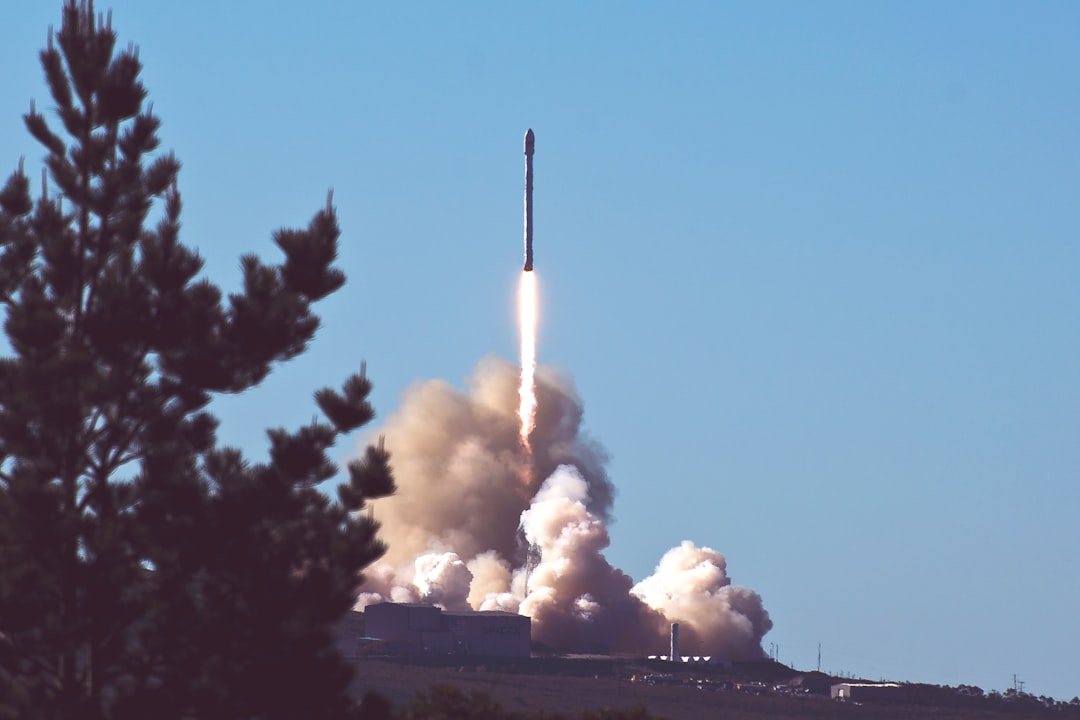
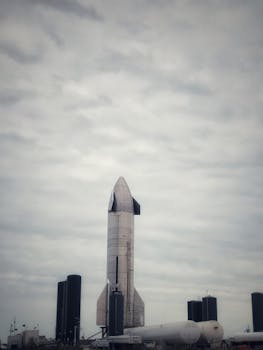
Astronauts travel to space in rockets and spacecraft. Getting to space is very hard. Rockets need to go very fast to leave Earth. Astronauts train for many years before they can go to space.

In space, there is no gravity like on Earth. Things float around! Astronauts must sleep in sleeping bags attached to walls. They eat special food from tubes and pakiety.
Today, astronauts live on the International Space Station. It flies around Earth every 90 minutes. Scientists do experiments there to learn about space. People from many countries work together on the station.
We have sent roboty to Mars and other planets. Maybe one day humans will visit Mars too! Space exploration helps us learn about our wszechświat and find new places to explore.
Poziom: Poziom C
A. Dopasowywanie słownictwa
Dopasuj każde słowo do jego definicji.
1. stars ______
2. niesamowity ______
3. astronauci ______
4. gravity ______
5. pakiety ______
6. Station ______
7. experiments ______
8. roboty ______
9. wszechświat ______
10. badać ______
a. all of space and everything in it
b. the force that pulls things down
c. wrapped containers
d. machines that can do tasks
e. very surprising and wonderful
f. bright lights in the night sky
g. a place where people work
h. tests to learn new things
i. to go to new places and learn
j. people who travel to space
B. Prawda czy fałsz
Wpisz P (Prawda) lub F (Fałsz) dla każdego stwierdzenia.
- People first walked on the moon in 1999. ______
- Neil Armstrong was the first person on the moon. ______
- Astronauts train for many years. ______
- In space, things float because of gravity. ______
- The Space Station flies around Earth. ______
- Astronauts eat normal food like at home. ______
- We have sent robots to Mars. ______
- Only one country uses the Space Station. ______
- Space exploration helps us learn about the universe. ______

C. Uzupełnij luki
Bank słów: stars | astronauts | gravity | Station | experiments | robots | universe
- Humans have always wondered about the _______________.
- _______________ travel to space in rockets.
- In space, there is no _______________ like on Earth.
- Astronauts live on the International Space _______________.
- We have sent _______________ to Mars.
D. Pytania sprawdzające zrozumienie tekstu
- When did people first walk on the moon?
- Who was the first person on the moon?
- Why do things float in space?
- What do scientists do on the Space Station?
- What planets have we sent robots to?

E. Pytania do dyskusji
Porozmawiaj na te pytania z partnerem lub zapisz swoje odpowiedzi.
- Would you like to be an astronaut? Why?
- What would you take to space with you?
- Do you think people will live on Mars someday?
📝 Kliknij, aby wyświetlić klucz odpowiedzi
Sprawdź swoje odpowiedzi poniżej.
A. Słownictwo: 1-f, 2-e, 3-j, 4-b, 5-c, 6-g, 7-h, 8-d, 9-a, 10-i
B. Prawda/Fałsz: 1-F, 2-T, 3-T, 4-F, 5-T, 6-F, 7-T, 8-F, 9-T
C. Uzupełnij luki: 1-stars, 2-Astronauts, 3-gravity, 4-Station, 5-robots
D. Zrozumienie: 1. In 1969; 2. Neil Armstrong; 3. Because there is no gravity; 4. They do experiments to learn about space; 5. Mars and other planets
Przeglądaj naszą kompletną kolekcję bezpłatne arkusze ćwiczeń i materiały do nauki języka angielskiego jako obcego obejmujące kulturę Tajwanu, naukę, historię świata i wiele więcej.
Students can access free worksheets and reading materials at 18KEnglish.com.



 PL
PL  EN
EN  ZH
ZH  ZH_CN
ZH_CN  KO
KO  VI
VI  FR
FR  AR
AR  ES
ES  HI
HI  PT
PT  BN
BN  RU
RU  JA
JA  TR
TR  DE
DE  IT
IT  ID
ID  TH
TH  FA
FA  UK
UK  TL
TL  HE
HE  UR
UR  SW
SW  RO
RO  NL
NL  MS
MS  TA
TA  PS
PS  HU
HU  EL
EL  SV
SV  NB
NB  NN
NN  DA
DA  CS
CS  SR
SR  AM
AM