
Realia in the Classroom: 9 Powerful ESL Ideas
A crumpled supermarket receipt can teach more useful English in ten minutes than a page of gap-fill exercises teaches in an hour. Students read the item names, ask about the prices, argue over what “loyalty discount” means, and practice numbers without noticing they are practicing anything. That is the quiet power of realia in the classroom: real objects turn abstract vocabulary into something learners can hold, smell, and remember. This guide breaks down what realia is, the reason it sticks, and nine concrete ways to use it — plus where to find it when your budget is zero.
What Is Realia in the Classroom?
Realia refers to authentic objects from everyday life used to teach a concept — a bus ticket, a jar of jam, a phone, a house key. The word comes from the Latin for “real things,” and that is exactly the point: the object was made for the real world, not manufactured for a lesson. A laminated flashcard of a train is a teaching aid. An actual ticket stub from the MRT is realia.

The British Council draws a useful line here. Realia is strongest when the object carries texture and detail a photo cannot — the fuzz on a peach for teaching “furry,” the weight of a coin for teaching “heavy,” the smell of coffee for teaching, well, “coffee.” The closer the object is to something students actually touch in daily life, the harder the language is to forget.
Why Realia Beats a Textbook Photo
The short version: your brain files a real object under two systems at once. Allan Paivio’s dual coding theory holds that we store information both verbally and visually, and material encoded through more than one channel is recalled more reliably. A real orange adds a third and fourth channel — touch and smell — so the word “orange” gets four hooks instead of one. That redundancy is why students who handled the object still remember the word weeks later.
There is a motivation angle too. Passing a real object around the room changes the energy of a class. Students lean in, they touch it, they want to name it. This is the same principle behind comprehensible input — meaning becomes obvious from context, so learners understand the word before they can define it. A photo asks the brain to accept a symbol. An object skips the middle step and points straight at the thing.
Realia vs. Flashcards: When Each One Wins
Realia is not always the right tool, and pretending otherwise wastes prep time. You cannot bring an elephant into a cram school, and a photo of one works fine. The honest rule is this: use realia when the object is small, safe, common, and carries sensory detail. Reach for flashcards or pictures when the thing is large, dangerous, abstract, or rare.
| Situation | Use Realia | Use Flashcards |
|---|---|---|
| Food and drink vocabulary | Yes — smell and touch matter | Backup only |
| Wild animals | No | Yes |
| Money and shopping | Yes — real coins and notes | Rarely |
| Abstract ideas (freedom, time) | No | Yes, plus context |

9 Realia Activities That Actually Teach
These nine ideas move from quick five-minute warmers to full lesson anchors. Pick the ones that fit your objects and your level, and resist the urge to run all of them in one week — realia loses its spark when it becomes the routine instead of the surprise.
1. The mystery bag. Drop five objects in a cloth bag. A student reaches in, describes what they feel — “It’s small, it’s round, it’s cold” — before pulling it out. This forces adjectives and the language of guessing (“It might be…”, “I think it’s…”).
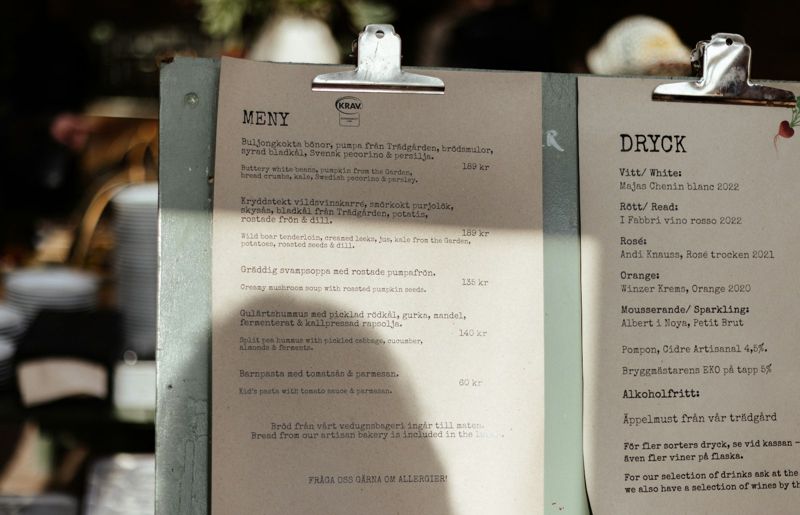
2. Real menu ordering. Bring a stack of actual takeaway menus. Students role-play ordering, asking about ingredients, and splitting the bill. The prices and dishes are real, so the numbers and questions land in a genuine context.
3. Supermarket run. Empty packaging — cereal boxes, tea, a milk carton — becomes a shop. One student is the cashier, the rest are customers with a shopping list. Countable and uncountable nouns, “how much” versus “how many,” all of it comes up on its own.
4. What’s in your bag? Learners empty a pocket or bag onto the desk and describe three items to a partner. It is personal, so the vocabulary is the vocabulary they actually need — a metro card, a lip balm, a charger.
5. Object timeline. Pass around an old photo, a ticket, or a souvenir and have students invent its history using past tenses. “This ticket was bought in 2019. Someone travelled to Kaohsiung.” Great for practicing the passive and narrative past.
6. Feely comparisons. Two objects, one prompt: “Which is heavier? Softer? More useful?” Comparatives and superlatives stop being a grammar drill and become an argument students want to win.
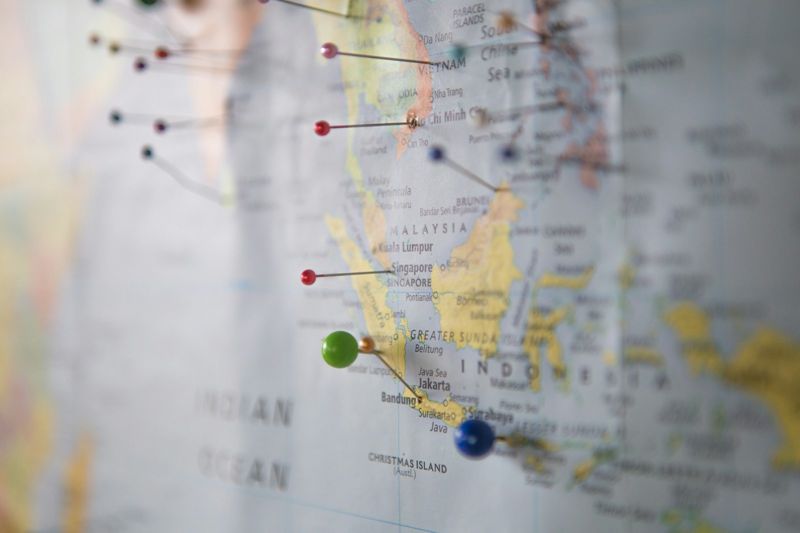
7. Map missions. A real folded map — or a wall map with pins — drives directions practice and travel vocabulary. Students plan a route, ask for directions, and describe where places are.
8. Instruction reading. A shampoo bottle, a medicine box, a recipe card — anything with real instructions. Learners read imperatives and sequence words straight off the label, which is exactly how they will meet them outside class.
9. Show and tell, upgraded. Each student brings one object from home and answers three questions about it from the group. The classic works because the speaker owns the object and the listeners have to form real questions to keep it going. This pairs neatly with strong eliciting techniques — you prompt the questions rather than supplying them.
Where to Find Realia Without Spending Money
The best realia is free and already in your bag. Empty packaging, receipts, tickets, flyers, takeaway menus, hotel keycards, and expired loyalty cards all pile up at home — start a shoebox and drop them in as you go. A single grocery run is a vocabulary goldmine: the fruit aisle alone covers colours, shapes, textures, and countability.
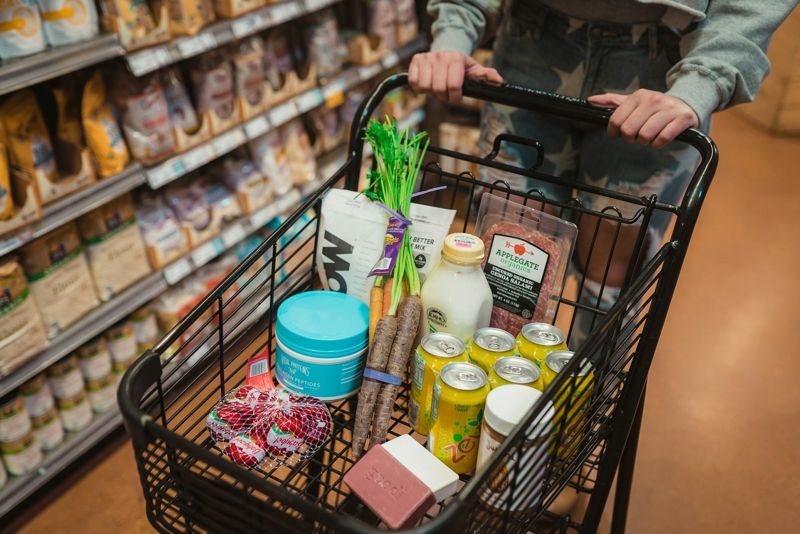
Ask other teachers to save their junk mail and packaging too. Convenience stores hand out flyers you can grab a stack of. Travel agencies leave brochures by the door. Within a month of paying attention, most teachers have more usable realia than they can fit in one lesson — and none of it cost a cent.
Using Realia With Young Learners
Children respond to real objects faster than any other group, because they learn through their hands before they learn through their eyes. A basket of plastic fruit will hold a class of six-year-olds longer than any slideshow. The trick is to keep it moving — pass, name, pass again — so the object never sits still long enough to lose the room.
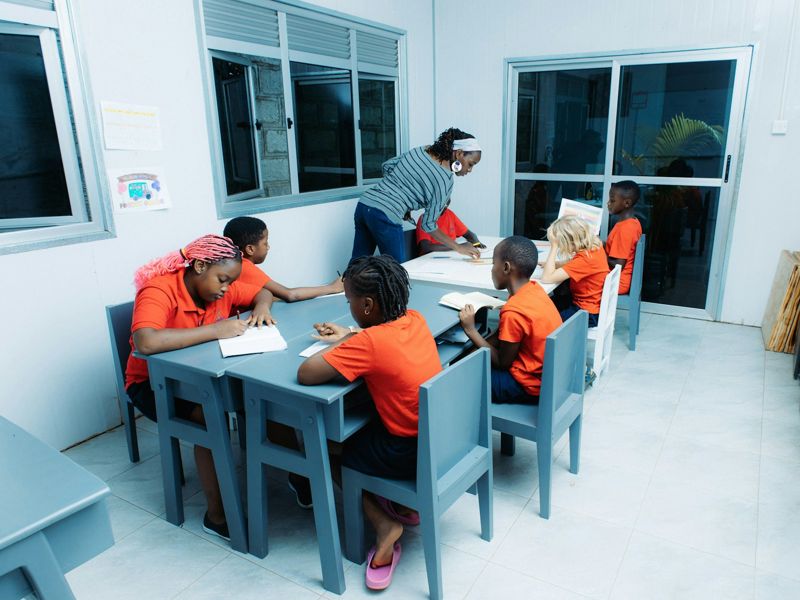
Realia also pairs beautifully with movement. Hand a child an object and have them run it to the matching word on the wall, or act out its use. That physical link is the same reason Total Physical Response works so well with this age group — the body remembers what the ear alone forgets. For more on holding a young class together, our guide to teaching young learners covers the routines that make object-based lessons run smoothly.
Digital Realia for Online Classes
Teaching through a screen does not kill realia — it just changes the source. Hold a real object up to your webcam and it still counts. Better yet, send students on a thirty-second scavenger hunt: “Bring me something red. Bring me something you eat with.” They race off, come back with a real item from their own home, and describe it. That single instruction turns a passive video call into an active hunt.
You can also lean on “found” digital realia — a real weather app, a live train timetable, an actual online menu, a Google Maps street view of a city you are describing. These are authentic materials from the real world, which keeps the lesson honest even when nobody is in the same room.
Common Mistakes Teachers Make With Realia
The most frequent error is treating realia as decoration. Waving an apple around while students copy a definition off the board wastes the object entirely — the whole value is in students handling and using it, not watching you hold it. If the object never leaves your hands, it is a prop, not realia.
The second mistake is overload. Twenty objects on a table overwhelms a class and turns a focused lesson into a yard sale. Three or four well-chosen items beat a pile every time. And a quiet third: skipping the language goal. An object is not a lesson. Decide which words or structures the realia is meant to teach before it comes out of the bag, or you end up with an entertaining ten minutes that taught nothing measurable.
Your Realia Starter Kit
Start small this week. Grab one shoebox and fill it with five things you would otherwise throw away — a receipt, a menu, an empty box, a ticket, a coin. That box will outlast a dozen printed worksheets, and it costs nothing to refill. The teachers whose students remember vocabulary a year later are rarely the ones with the slickest slides; they are the ones who handed a kid something real and asked, “What is this, and what would you do with it?” Build the box, bring it Monday, and watch which words your students actually keep.
Sources
- Realia — TeachingEnglish, British Council — definition and classroom rationale for using real objects.
- Dual Coding — The Learning Scientists — the memory research behind pairing words with visual and physical input.
- 10 Fun Ways to Use Realia in Your ESL Classroom — Bridge — practical activity ideas and digital realia tips.
 EN
EN  ZH
ZH  ZH_CN
ZH_CN  KO
KO  VI
VI  FR
FR  AR
AR  ES
ES  HI
HI  PT
PT  BN
BN  RU
RU  JA
JA  TR
TR  DE
DE  IT
IT  PL
PL  ID
ID  TH
TH  FA
FA  UK
UK  TL
TL  HE
HE  UR
UR  SW
SW  RO
RO  NL
NL  MS
MS  TA
TA  PS
PS  HU
HU  EL
EL  SV
SV  NB
NB  NN
NN  DA
DA  CS
CS  SR
SR  AM
AM