
The ESL Teacher’s Career Path: Certifications, Growth, and Where the Work Is Going
Teaching English to speakers of other languages is one of the few careers you can start in your twenties and still be growing into in your fifties. But the path is rarely linear, and it is almost never explained clearly to newcomers. People land their first classroom job, teach for a few years, and then hit an invisible ceiling — unsure whether to specialize, move into management, go online, or gather another qualification. This guide lays out how the ESL career actually works: what the certifications signal, how experienced teachers keep climbing, and where the demand is shifting in the years ahead.

Understanding What Certifications Actually Signal
The certification landscape confuses almost everyone at the start, largely because the acronyms overlap. TEFL, TESOL, and CELTA are not competing brands of the same thing — they describe different levels of rigor and different awarding bodies. Getting clear on what each one signals to an employer is the first strategic decision in your career.
The entry ticket: TEFL and TESOL certificates
A standard TEFL (Teaching English as a Foreign Language) or TESOL (Teaching English to Speakers of Other Languages) certificate is the baseline for most jobs abroad and online. Employers generally look for a course of at least 120 hours. The quality varies enormously — a cheap weekend online course and an intensive tutored program both produce a piece of paper, but they do not produce the same teacher. If you can, choose a course with observed teaching practice, because that experience is what actually carries into your first classroom.
The credibility jump: CELTA and Trinity CertTESOL
The Cambridge CELTA and the Trinity CertTESOL are the two qualifications that reputable language schools worldwide recognize on sight. They are externally moderated, include supervised teaching with real students, and are genuinely demanding — most people describe the four-week intensive version as one of the hardest months of their working life. If you are serious about the field rather than treating it as a gap-year job, this is the credential that opens the widest set of doors and justifies a higher starting salary.
The specialist and senior tier: DELTA and a Master’s
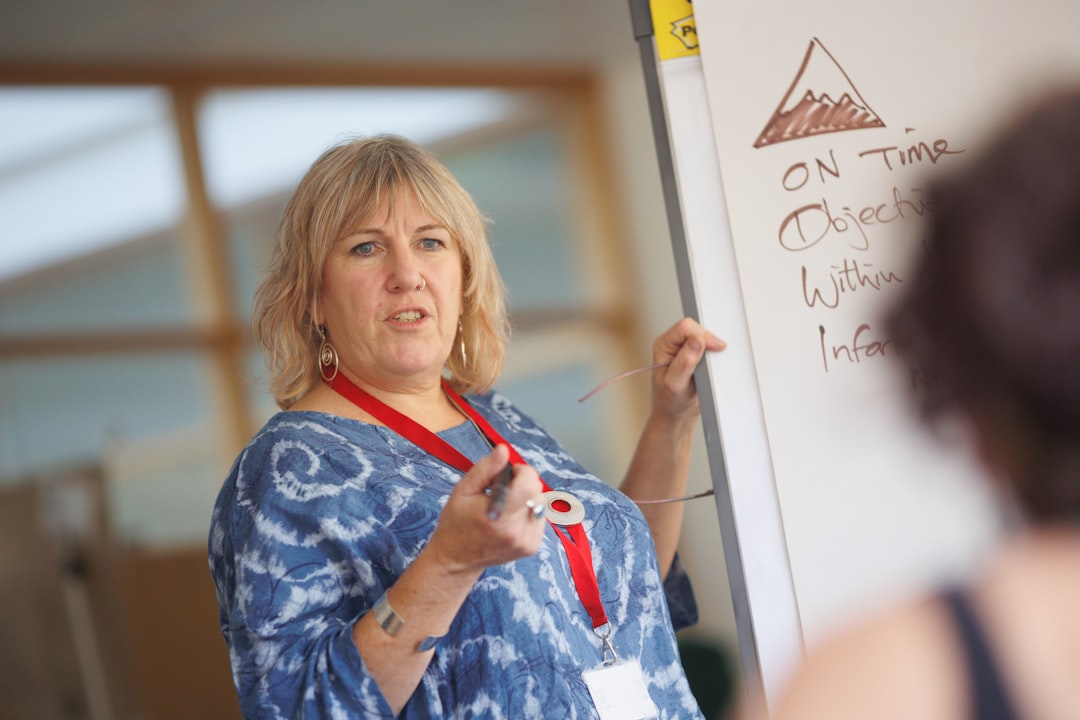
Once you have a few years of classroom hours behind you, the next formal step is usually the Cambridge DELTA (Diploma in English Language Teaching to Adults) or a postgraduate degree in Applied Linguistics or TESOL. These are the qualifications that move you from “teacher” to “teacher trainer,” “academic manager,” or “director of studies.” They also matter for university and college positions, which increasingly expect a Master’s degree. You do not need these to teach well, but you do need them to be considered for the roles at the top of the salary band.
Moving Beyond the Classroom Ceiling
Most teachers hit a plateau somewhere between year three and year five. The lessons feel routine, the pay stops rising, and the day looks the same as it did two years ago. This is not a sign that the career has run out — it is the point where the career forks. Understanding the branches helps you choose deliberately rather than drifting.
Specializing in a high-value niche
General conversational English is the most crowded and lowest-paid corner of the market. The teachers who earn more have usually specialized. Exam preparation for IELTS, TOEIC, and Cambridge exams is perennially in demand because the results are measurable and students will pay for a proven track record. Business English, English for Academic Purposes, and English for specific professions such as aviation, medicine, or law command still higher rates. Specializing means investing in the subject matter as well as the language, but it is the most reliable way to lift your income without leaving the classroom you enjoy.
Stepping into training and management
The other main branch leads away from full-time teaching toward developing other teachers. A senior teacher role, followed by academic coordinator, director of studies, and eventually center manager, trades some classroom time for responsibility over curriculum, hiring, and quality. This path suits people who enjoy mentoring and systems-thinking as much as language itself. It usually requires a diploma-level qualification and a reputation for reliability, but it converts a decade of experience into genuine seniority and a stable, non-hourly salary.
Building your own teaching business
A growing number of experienced teachers skip the institutional ladder entirely and go independent. Private one-to-one clients, small group classes, self-published materials, and online courses can add up to more than a school salary, with far more control over your schedule. The trade-off is that you become responsible for marketing, admin, and finding students — skills that have nothing to do with teaching but everything to do with earning. Many teachers blend this with part-time employment for a few years before going fully independent.

The Skills That Compound Over a Career
Certifications open doors, but they are not what keeps a teacher employed and rising for twenty years. A handful of skills quietly compound, and the teachers who invest in them early tend to be the ones who never struggle to find work.
- Assessment literacy — knowing how to measure progress and prepare students for real exams is what turns satisfied learners into referrals.
- Materials design — teachers who can build their own lessons instead of relying on a coursebook become indispensable and can later sell what they make.
- Classroom management — the difference between a chaotic room and a productive one is rarely the material; it is the teacher’s ability to structure attention and behavior.
- Cultural adaptability — the same lesson lands differently across contexts, and teachers who read the room across cultures move more easily between markets.

None of these appear on a certificate, which is exactly why they differentiate you. A newcomer with a CELTA and a veteran with a CELTA look identical on paper; the veteran’s edge is entirely in these accumulated competencies. Treating each teaching year as deliberate practice in one or two of them — rather than simply repeating the previous year — is the single most reliable way to keep growing.

Where the Opportunities Are Heading
The geography and format of ESL work have shifted more in the past few years than in the previous two decades, and understanding the direction of travel helps you place your bets wisely.
Online teaching matured, then fragmented
The large online platforms that boomed during the shift to remote learning have since consolidated and, in some markets, contracted sharply. The lesson for teachers is not that online work has disappeared — it is that depending on a single platform is fragile. The teachers thriving online now tend to own their client relationships directly, use platforms as a supplement rather than a sole employer, and treat their reputation as the asset rather than any one company’s marketplace.

Emerging markets and shifting demand
Traditional destinations across East Asia, the Middle East, and Europe remain strong employers, but demand is spreading. Countries investing heavily in English-medium education and international business are opening well-paid roles, particularly for teachers with exam and business specializations. Meanwhile, adult professional learners — rather than young children — are becoming a larger share of the market, because working adults increasingly see English as a career necessity worth paying for directly.
Living alongside AI, not competing with it
The most common anxiety among newer teachers is whether translation apps and AI tutors will make the profession obsolete. The honest answer is that AI is reshaping the low end of the market — basic vocabulary drilling and grammar correction — while making the human parts of teaching more valuable, not less. Motivation, accountability, cultural nuance, real conversation, and exam strategy are difficult to automate. Teachers who fold AI tools into their workflow as a preparation and feedback aid, and who lean into the human relationship that keeps students showing up, are positioning themselves correctly for the next decade.
Building a Career on Purpose
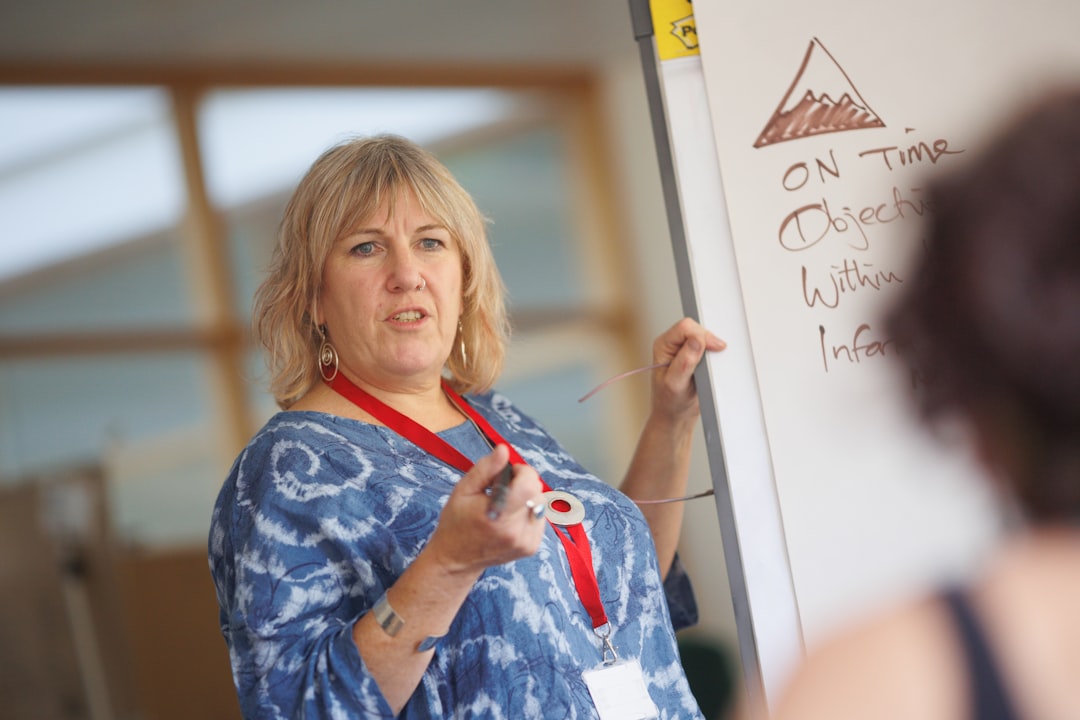
The teachers who look back on a long, satisfying ESL career rarely got there by accident. They made a series of deliberate choices: earning a credible certification early, choosing a specialization before the market forced their hand, investing in the skills that do not fit on a résumé, and reading the direction of demand rather than clinging to how things used to be. The field rewards this kind of intentionality generously, because good teachers who also think strategically about their own growth are genuinely rare.
If you are early in the journey, start with a tutored, observed certification and take your first job somewhere you will teach a lot and learn fast. If you are mid-career and feeling the plateau, pick your fork — specialize, manage, or go independent — and commit to it rather than waiting for clarity that never arrives. And whatever stage you are at, keep the human skills sharp, because those are what will still be earning you a living long after the current tools and platforms have been replaced by the next ones.
Извори
- Кембриџ енглески — CELTA and DELTA qualification information.
- Trinity College London — CertTESOL and DipTESOL qualifications.
- Међународно удружење TESOL — professional standards and career resources.
- Британски савет — English teaching and global demand insights.
- Recommended TEFL and teacher-training books on Amazon.









 SR
SR  EN
EN  ZH
ZH  ZH_CN
ZH_CN  KO
KO  VI
VI  FR
FR  AR
AR  ES
ES  HI
HI  PT
PT  BN
BN  RU
RU  JA
JA  TR
TR  DE
DE  IT
IT  PL
PL  ID
ID  TH
TH  FA
FA  UK
UK  TL
TL  HE
HE  UR
UR  SW
SW  RO
RO  NL
NL  MS
MS  TA
TA  PS
PS  HU
HU  EL
EL  SV
SV  NB
NB  NN
NN  DA
DA  CS
CS  AM
AM