
Kontextuella ledtrådar: Hur man lär ut ordförråd i kontext

Varje ESL-lärare har sett det hända. En elev läser smidigt, träffar ett okänt ord och fryser till. Flytet bryts. Självförtroendet sjunker. Vissa elever sträcker sig efter en ordbok. Andra hoppar bara över ordet helt och hoppas att meningen fortfarande är begriplig. Inget av tillvägagångssätten bygger den typ av djupgående ordförrådskunskap som fastnar.
Kontextuella ledtrådar erbjuder en bättre väg. När elever lär sig att använda ord, fraser och meningar som omger en okänd term, utvecklar de en färdighet som gagnar dem långt utöver ett enskilt läspassage. De blir självständiga läsare som kan hantera autentiska texter, akademiska artiklar och verklig engelska utan att förlita sig på översättningsverktyg för varje nytt ord de stöter på.
Forskning från Cambridges ramverk för engelskundervisning visar konsekvent att ordförråd som lärs ut genom kontext har högre retentionsgrad än ordförråd som lärs ut genom isolerade ordlistor. Särskilt för ESL-elever överbryggar kontextuella ledtrådsstrategier klyftan mellan klassrumsengelska och den röriga, oförutsägbara engelskan i vardagen.
Den här guiden förklarar exakt hur man lär ut kontextuella ledtrådar till engelskspråkiga elever, med praktiska aktiviteter, steg-för-steg-lektionstrukturer och strategier som fungerar över olika kunskapsnivåer.
Vad är kontextledtrådar och varför behöver ESL-studenter dem?
Kontextuella ledtrådar är ledtrådar i en text som hjälper läsare att förstå betydelsen av okända ord. Dessa ledtrådar kan komma från samma mening, de omgivande meningarna eller till och med från ett större stycke. Modersmålstalare av engelska använder kontextuella ledtrådar instinktivt – de har gjort det sedan de började läsa kapitelböcker som barn. ESL-studenter behöver dock explicit undervisning i denna färdighet.

Anledningen är enkel. ESL-studenter närmar sig ofta engelsk text med ett översättningstänkande. De ser ett okänt ord och vill konvertera det till sitt modersmål. Kontextuella ledtrådar förändrar den vanan mot att tänka på engelska – att använda engelska för att förstå engelska. Den mentala förändringen är en av de viktigaste övergångarna i språkinlärning.
Enligt TESOL Internationella Föreningen, skickliga läsare använder sammanhang för att avgöra ordbetydelsen ungefär 60-80% av gångerna under naturlig läsning. Att bygga upp samma instinkt hos ESL-elever förbättrar dramatiskt deras läshastighet, läsförståelseresultat och övergripande självförtroende med engelska texter.
De fem typerna av kontextuella ledtrådar som varje lärare borde undervisa om
Alla kontextuella ledtrådar fungerar inte på samma sätt. Att lära eleverna att känna igen olika typer av ledtrådar ger dem en verktygslåda som de kan tillämpa flexibelt. Här är de fem vanligaste typerna, med exempel som fungerar bra i ESL-klassrum.
1. Definitionsledtrådar
Texten anger direkt vad ordet betyder, ofta med fraser som ”vilket betyder”, ”det vill säga” eller ”med andra ord”.
Exempel: "Arkitekten skapade en plan, vilket är en detaljerad plan för att bygga ett hus.”
Det här är de enklaste ledtrådarna för ESL-studenter att upptäcka och en bra utgångspunkt för nybörjare.
2. Synonymledtrådar
Ett ord med liknande betydelse förekommer i närheten, ofta sammankopplat med ”eller”, ”även känt som” eller helt enkelt placerat i en parallell struktur.
Exempel: "Barnen var jublande — glada och exalterade — när de hörde talas om skolutflykten.”
3. Antonym- eller kontrastledtrådar
Texten innehåller ett ord med motsatt betydelse, ofta signalerat med ”men”, ”dock”, ”till skillnad från” eller ”istället för”.
Exempel: "Till skillnad från henne skygg syster, Maria var djärv och frispråkig.”
Kontrastledtrådar kräver något mer inferens, vilket gör dem idealiska för övning på mellannivå.
4. Exempel på ledtrådar
Författaren ger exempel som illustrerar det okända ordet, ofta inledt med ”såsom”, ”till exempel”, ”inklusive” eller ”liksom”.
Exempel: “Reptiler, såsom ormar, ödlor och sköldpaddor, är kallblodiga djur.”

5. Slutledningar
Inget enskilt ord eller fras ger svaret. Istället måste läsarna pussla ihop information från den större texten för att göra en kvalificerad gissning.
Exempel: "Efter tre dagar utan mat eller vatten var vandrarna helt utsvultenDe åt upp allt på bordet på några minuter.”
Ledtrådar för slutledningar är den mest utmanande typen och kräver de starkaste läsfärdigheterna. Spara dessa för elever på mellannivå och avancerad nivå, eller använd dem som utmanande aktiviteter för starkare elever i klasser med blandade förmågor. För mer information om att hantera olika nivåer, kolla in vår guide om differentierad undervisning för ESL.
Steg för steg: Hur man introducerar kontextuella ledtrådar till ESL-studenter
Att hoppa rakt in i övningen utan en strukturerad introduktion ger oftast bakslag. Eleverna behöver förstå vad de letar efter innan de kan hitta det. Här är en beprövad sekvens som fungerar från nybörjare till avancerad nivå.
Steg 1: Modellera med högtänkande
Läs ett stycke högt och stanna medvetet vid ett obekant ord. Diskutera din tankeprocess. Säg saker som: ”Jag känner inte till det här ordet, men meningen före det säger… så jag tror att det kan betyda…” Detta gör ditt osynliga tänkande synligt för eleverna.
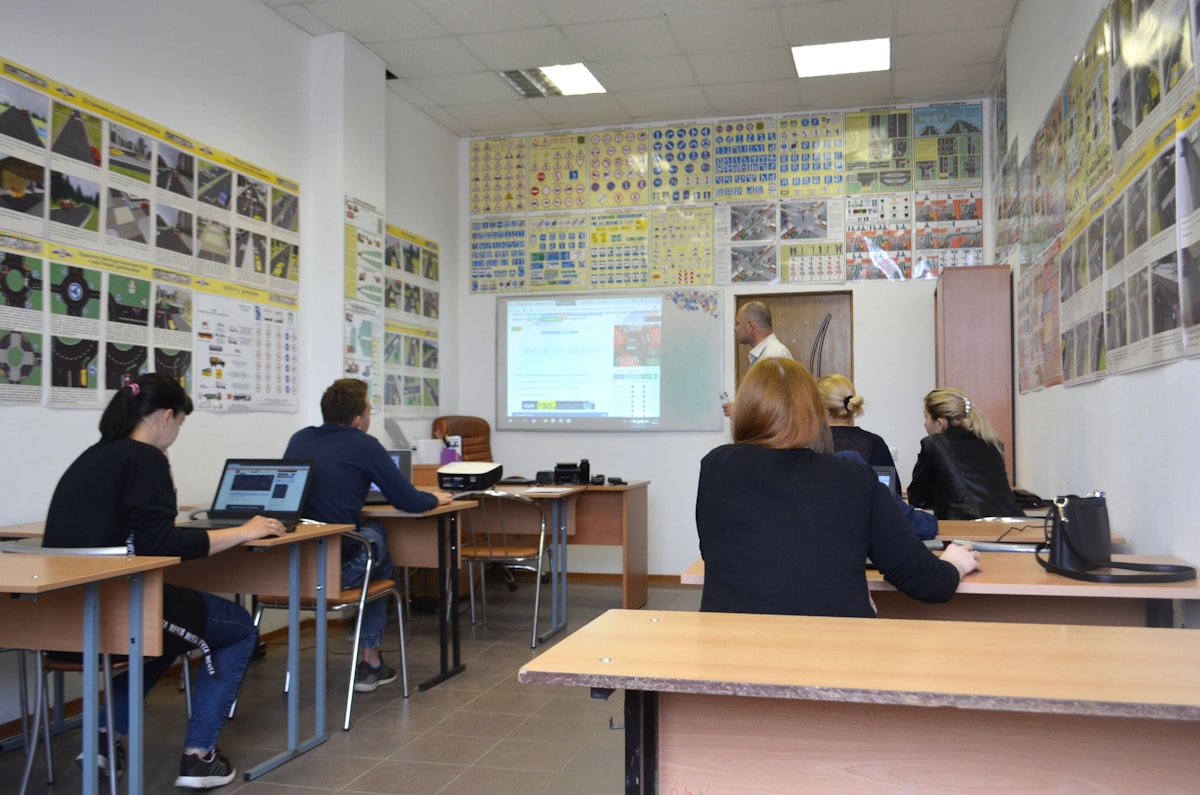
Använd en projektor eller whiteboardtavla så att eleverna kan följa med visuellt. Ringa in eller stryk under ledtrådsorden allt eftersom du identifierar dem. Målet är att visa eleverna att det är en process att lista ut ordbetydelsen – inte en lyckosam gissning.
Steg 2: Guidad övning med signalord
Ge eleverna en referenslista med signalord för varje ledtrådstyp:
- Definition: betyder, hänvisar till, definieras som, det vill säga
- Synonym: eller, även kallad, med andra ord, på liknande sätt
- Antonym: men, emellertid, till skillnad från, å andra sidan, istället
- Exempel: såsom till exempel, inklusive, som
Låt eleverna markera signalord i korta avsnitt innan de försöker definiera okänt ordförråd. Detta stödjande steg bygger upp mönsterigenkänning.

Steg 3: Samarbetspraktik
Gå vidare till pararbete eller arbete i små grupper. Ge varje grupp ett stycke med 5–8 understrukna ord. Eleverna arbetar tillsammans för att identifiera ledtrådstypen och bestämma ordets betydelse. Gå runt och ställ vägledande frågor: ”Vilka ord nära det understrukna ordet hjälpte er?” och ”Vilken typ av ledtråd är detta?”
Samarbetspraktik minskar ångest och gör det möjligt för eleverna att höra olika resonemangsstrategier från sina kamrater.
Steg 4: Oberoende tillämpning
Låt slutligen eleverna öva individuellt med årskursanpassade stycken. Inkludera ett strukturerat svarsformat: skriv det okända ordet, kopiera den omgivande meningen, identifiera ledtrådstypen och skriv ner sin bästa gissning för betydelsen. Kontrollera sedan mot en ordbok. Denna fyrstegsprocess skapar en upprepningsbar vana.
Sju klassrumsaktiviteter som bygger upp sammanhangsbetonade ledtrådar
När eleverna väl förstår grunderna håller dessa aktiviteter övningen engagerande och varierad över flera lektioner.
Aktivitet 1: Detektivkort med kontextledtrådar
Skapa kort med meningar som innehåller understrukna ord. Skriv ledtrådstypen och den korrekta betydelsen på baksidan. Eleverna arbetar i par – en läser meningen, den andra identifierar ledtrådstypen och gissar betydelsen innan de vänder på kortet för att kontrollera. Tävlingsinriktat, snabbt och effektivt för repetitionstillfällen.
Aktivitet 2: Sortering av ledtrådstyper
Skriv 20 meningar på pappersremsor. Eleverna sorterar dem i fem högar baserat på vilken typ av ledtråd i kontexten som visas. Detta utvecklar igenkänningsförmågan utan den extra pressen att definiera det okända ordet – en användbar stöttepelare för svagare läsare.

Aktivitet 3: Skriv dina egna kontextuella ledtrådar
Ge eleverna en lista med ordförråd från deras nuvarande enhet. Utmana dem att skriva originella meningar som ger sammanhangsledtrådar för varje ord – utan att använda definitionen direkt. Detta vänder färdigheten från receptiv till produktiv, vilket fördjupar förståelsen avsevärt. Eleverna kan sedan byta meningar med klasskamrater för att testa om deras ledtrådar är tillräckligt tydliga.
Aktivitet 4: Ordförrådsdagböcker med sammanhang
Istället för traditionella ordförrådsböcker (ord + översättning) kan eleverna föra kontextbaserade ordförrådsdagböcker. Varje post innehåller: ordet, den ursprungliga meningen där de hittade det, vilka kontextuella ledtrådar som hjälpte dem, deras gissning om betydelsen och den bekräftade definitionen. Med tiden bygger detta upp en personlig referens som återspeglar verkliga läsupplevelser snarare än memorerade listor.
Aktivitet 5: Djupdykning i nyhetsartikel
Välj en kort nyhetsartikel på lämplig läsnivå. Förhandsvälj 6–8 ord och ta bort ordlistan eller eventuella definitioner. Eleverna läser artikeln och använder endast kontextuella ledtrådar för att lista ut varje ords betydelse. Jämför sedan sina gissningar med faktiska definitioner. Detta överbryggar klassrumspraktik med verkliga läsupplevelser, vilket är precis där dessa färdigheter behöver överföras. För tips om att bygga upp läsförståelse utöver ordförråd, se vår artikel om ESL-läsförståelsestrategier.
Aktivitet 6: "Blocka ut"-spelet
Ta en lästext och använd post-it-lappar eller digitala verktyg för att täcka 8–10 ord. Eleverna måste använda det omgivande sammanhanget för att förutsäga vilket ord som hör hemma i varje lucka. Detta är i huvudsak en avslutningsövning, men att utforma det som en lek ökar engagemanget. Visa svaren ett i taget och diskutera vilka kontextledtrådar som pekade mot rätt ord.

Aktivitet 7: Kontextledtrådar Stafettlopp
Dela upp klassen i lag. Sätt upp meningar med understrukna ord runtom i rummet. En lagmedlem springer till en mening, identifierar ledtrådstypen och ordets betydelse och springer sedan tillbaka för att tagga nästa person. Det första laget som löser alla meningar korrekt vinner. Den fysiska rörelsen håller energin hög, särskilt för yngre elever eller eftermiddagslektioner när uppmärksamheten sjunker.
Anpassa kontextledtrådsinstruktion över olika färdighetsnivåer
En av de största utmaningarna med kontextuell ledtrådsinstruktion är att anpassa svårighetsgraden till elevens nivå. En teknik som fungerar bra för elever på mellannivå kan överväldiga nybörjare eller tråka ut avancerade elever. Så här justerar du ditt tillvägagångssätt.
Nybörjarnivå
Fokusera uteslutande på ledtrådar till definitioner och synonymer. Använd korta, enkla meningar med frekvent ordförråd. Ge visuellt stöd – bilder, realia eller gester – tillsammans med ledtrådarna i texten. Acceptera översättningar till förstaspråket som inledande gissningar och vägled sedan eleverna mot den engelska definitionen. I detta skede är målet att bygga medvetenhet om att sammanhanget innehåller användbar information, inte att behärska alla fem typer av ledtrådar.
Mellannivå
Introducera alla fem ledtrådstyper systematiskt. Använd styckelånga avsnitt istället för isolerade meningar. Börja införliva autentiska texter (förenklade nyhetsartiklar, betygsatta läsböcker, anpassade litterära utdrag). Lär eleverna att kommentera texter genom att ringa in signalord och rita pilar till sammanhängande idéer. Det är på denna nivå som den mesta av den explicita strategiinstruktionen sker.
Avancerad nivå
Övergång till slutledningar och resonemang med flera stycken. Använd akademiska texter, opinionsartiklar och litteratur med komplext ordförråd. Utmana eleverna att inte bara fastställa den grundläggande betydelsen utan även konnotation, register och ton. Avancerade elever bör också öva på att förklara sina resonemang skriftligen – motivera sin gissning med specifika textbevis. Detta utvecklar kritiskt tänkande tillsammans med ordförrådsinlärning.
Vanliga misstag lärare gör med kontextuella ledtrådar
Även erfarna lärare undergräver ibland undervisning i sammanhangsbetonade ledtrådar med välmenande men kontraproduktiva vanor. Se upp för dessa fallgropar.
Förundervisning av varje ordförråd. Om du definierar alla svåra ord innan eleverna läser, tar du bort deras möjlighet att öva på kontextuella ledtrådar. Välj vilka ord som ska förundervisas (verkligt viktiga) och vilka som ska lämnas till upptäckt. En bra regel är att förundervisa innehållsspecifika termer men låta eleverna lista ut allmänna ordförråd utifrån kontexten.

Att acceptera "jag vet inte" för snabbt. När en elev säger att hen inte kan ett ord, vänd hen till något annat: ”Vad säger resten av meningen dig? Finns det några ord i närheten som hjälper?” Bygg upp vanan att leta efter ledtrådar innan du ger upp. British Councils undervisningsresurser erbjuder utmärkta stödjande ramverk för denna typ av guidad frågeställning.
Använda texter som är för svåra. Om eleverna inte kan förstå de omgivande orden kan de inte använda dessa ord som ledtrådar. Ett stycke på i+1 (något över elevens nuvarande nivå) ger den bästa övningen med kontextuella ledtrådar. Texter som är för utmanande leder till frustration, inte färdighetsutveckling.
Hoppa över verifieringssteget. Eleverna gissar en betydelse utifrån sammanhanget och går sedan vidare. Inkludera alltid en ordbokskontroll efter gissningen. Detta bekräftar eller korrigerar deras slutsats och bygger upp metakognitiv medvetenhet. Med tiden blir eleverna bättre på att skilja mellan en stark kontextbaserad gissning och en osäker.
Att behandla kontextuella ledtrådar som en engångslektion. Instruktion i kontextledtrådar är inte en enhet man lär ut och går vidare från. Den bör vävas in i varje läslektion under året. Snabba femminutersuppvärmningar, regelbundna anteckningar under gemensam läsning och kontinuerliga ordförrådsdagboksanteckningar håller färdigheten skarp. De lärare som ser mest ordförrådstillväxt är de som gör kontextledtrådar till en daglig övning, inte en veckolektion. För fler strategier om hantera ditt ESL-klassrum Samtidigt som vi integrerar dessa färdigheter har vi en detaljerad guide.
Titta: Kontextuella ledtrådar förklarade för elever
Den här prisbelönta videon bryter ner de fyra huvudtyperna av kontextuella ledtrådar som författare använder. Det är en utmärkt resurs att spela i klassrummet innan man börjar med kontextuella ledtrådsaktiviteter, vilket ger eleverna en tydlig visuell förklaring som de kan referera till under hela enheten.
Bedömning: Hur man mäter framsteg i kontextledtrådar
Att följa elevers framsteg med hjälp av kontextuella ledtrådar kräver mer än ett flervalsprov. Här är tre bedömningsmetoder som ger dig meningsfull data.
Köra poster med ordförrådsannotering. Under enskilda lässamtal, notera när eleverna använder sammanhangsrelaterade ledtrådar på egen hand istället för att hoppa över ord eller be om hjälp. Följ detta över veckor för att se utvecklingsmönster. Denna observationsdata är bland den mest värdefulla bedömningsinformation som finns tillgänglig.
Recensioner av ordförrådstidskrifter. Samla regelbundet in och granska elevernas kontextbaserade ordförrådsdagböcker. Kontrollera kvaliteten på deras identifiering av kontextbaserade ledtrådar, noggrannheten i deras gissningar och deras förmåga att identifiera ledtrådstyper. Ge skriftlig feedback som förstärker starka resonemang och omdirigerar svagare försök.
Cloze-passagebedömningar. Skapa ett stycke med 10–12 överstrykta ord. Ge eleverna en ordbank och låt dem använda sammanhanget för att fylla i de rätta orden. Poängsätt både noggrannhet (rätt ord) och motivering (kan de förklara vilken ledtråd som hjälpte dem att välja). Motiveringskomponenten skiljer genuin skicklighet från lyckosam gissning. Forskning från den nationella bedömningen av utbildningsframsteg (NAEP) kopplar konsekvent samman kontextuella ledtrådar med övergripande läsprestationer.
Gör kontextuella ledtrådar till en permanent del av din undervisning
Den största förändringen du kan göra är att gå från en "lektion med kontextuella ledtrådar" till en "kultur med kontextuella ledtrådar". När eleverna vet att varje läsaktivitet är en möjlighet att öva på denna färdighet blir det automatiskt snarare än ansträngande.
Börja i liten skala. Lägg till en två minuter lång uppvärmningsövning för sammanhangsrelaterade ledtrådar i början av varje läslektion. Ha en ankartabell på väggen som listar de fem ledtrådstyperna med elevgenererade exempel. Fira ögonblick när eleverna lyckas lista ut ett ord från sitt sammanhang – gör det till något att vara stolt över snarare än något tråkigt.
Under en termin visar elever som regelbundet övar på sammanhangsberoende ledtrådar mätbart större ordförrådsökningar än de som enbart förlitar sig på ordlistor och ordböcker. De läser snabbare, förstår mer och – kanske viktigast av allt – de tycker om att läsa mer eftersom de inte ständigt sitter fast vid okända ord.
Det är den verkliga gåvan med att lära ut kontextuella ledtrådar. Du lär inte bara ut en lässtrategi. Du utvecklar självständiga elever som kan ta sig an vilken engelsk text som helst med självförtroende, långt efter att de lämnat klassrummet.
Referenser
- Cambridges ramverk för engelskundervisning. (2020). Undervisning i ordförråd i kontext. Cambridge University Press. cambridge.org
- TESOL Internationella Föreningen. Undervisningsresurser för engelskpedagoger. tesol.org
- Brittiska rådet. Resurser för undervisning i engelska. britishcouncil.org
- Nationellt centrum för utbildningsstatistik. Nationell bedömning av utbildningsframsteg (NAEP). nces.ed.gov
Looking for free ESL worksheets? Browse our full collection — printable resources for every level and age group. Browse Free Worksheets →
Students can access free worksheets and reading materials at 18KEnglish.com.








 SV
SV  EN
EN  ZH
ZH  ZH_CN
ZH_CN  KO
KO  VI
VI  FR
FR  AR
AR  ES
ES  HI
HI  PT
PT  BN
BN  RU
RU  JA
JA  TR
TR  DE
DE  IT
IT  PL
PL  ID
ID  TH
TH  FA
FA  UK
UK  TL
TL  HE
HE  UR
UR  SW
SW  RO
RO  NL
NL  MS
MS  TA
TA  PS
PS  HU
HU  EL
EL  NB
NB  NN
NN  DA
DA  CS
CS  SR
SR  AM
AM