

Dolch Sight Words för ESL: En lärarhandledning för högfrekvent ordinstruktion
If you teach ESL learners — especially young ones — you’ve probably heard the term “sight words” tossed around in staff meetings, curriculum guides, and parent conferences. But what exactly are they, why do they matter so much for English language learners, and how should you be teaching them? This guide breaks down the Dolch sight word list, explains where it fits alongside other high-frequency word systems, and gives you practical classroom strategies that actually work with ESL students.
What Are Dolch Sight Words?
 In 1936, Dr. Edward William Dolch, a professor at the University of Illinois, analyzed the most frequently used words in children’s literature of that era. His research, published in his 1948 book Problems in Reading, produced a list of 220 “service words” plus 95 common nouns — 315 words total. These words make up roughly 50–75% of all text in children’s books, and Dolch estimated they could account for up to 80% of the running words in typical early readers.
The genius of the list is its simplicity. These are words like the, and, is, was, you, they, have, and come — words that appear so frequently that readers need to recognize them instantly, without sounding them out. Many of them can’t be easily decoded using phonics rules anyway (try sounding out the or of).
Dolch organized his list by grade level:
In 1936, Dr. Edward William Dolch, a professor at the University of Illinois, analyzed the most frequently used words in children’s literature of that era. His research, published in his 1948 book Problems in Reading, produced a list of 220 “service words” plus 95 common nouns — 315 words total. These words make up roughly 50–75% of all text in children’s books, and Dolch estimated they could account for up to 80% of the running words in typical early readers.
The genius of the list is its simplicity. These are words like the, and, is, was, you, they, have, and come — words that appear so frequently that readers need to recognize them instantly, without sounding them out. Many of them can’t be easily decoded using phonics rules anyway (try sounding out the or of).
Dolch organized his list by grade level:
- Pre-Primer: 40 words (a, and, away, big, blue, can, come, down, find, for…)
- Primer: 52 words (all, am, are, at, ate, be, black, brown, but, came…)
- First Grade: 41 words (after, again, an, any, as, ask, by, could, every, fly…)
- Second Grade: 46 words (always, around, because, been, before, best, both, buy, call, cold…)
- Third Grade: 41 words (about, better, bring, carry, clean, cut, done, draw, drink, eight…)
- Nouns: 95 common nouns (apple, baby, back, ball, bear, bed, bell, bird, birthday, boat…)
Why Dolch Words Matter Even More for ESL Learners
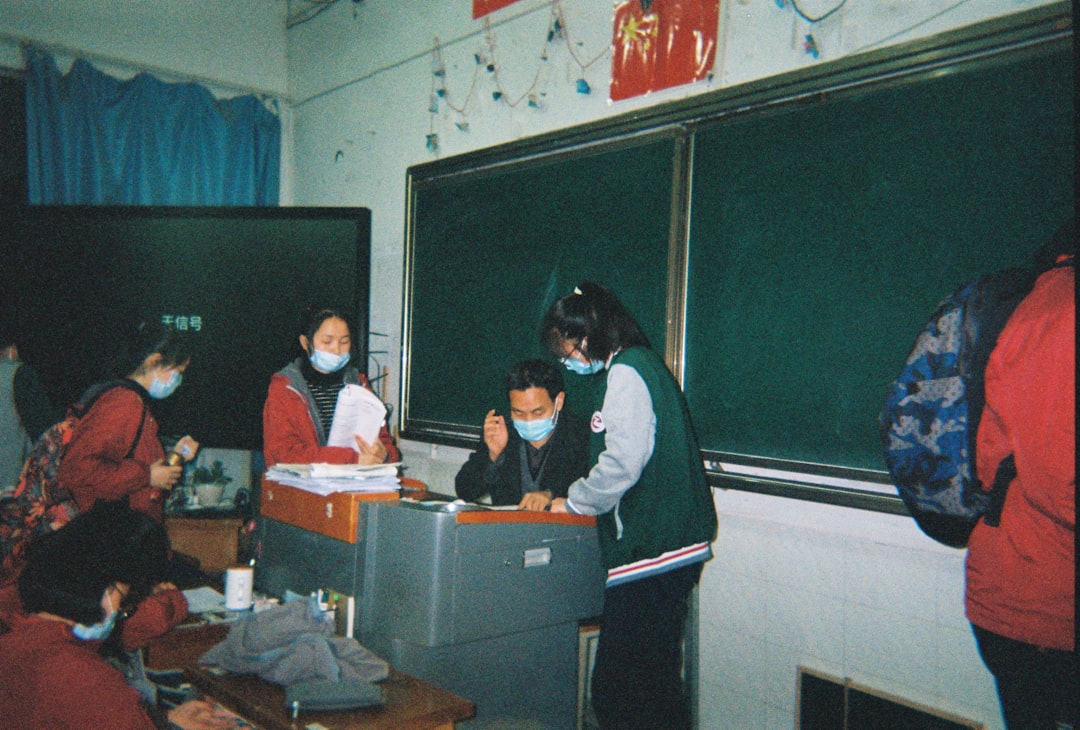 For native English speakers, many Dolch words are already part of their spoken vocabulary before they ever see them in print. ESL learners don’t have that advantage. They’re often encountering these words in written and spoken form for the first time simultaneously.
That’s exactly why sight word instruction is critical for ESL students. When a learner can instantly recognize high-frequency words like the, is, was, and they, their brain is freed up to focus on the harder work: decoding unfamiliar vocabulary, making sense of grammar, and actually comprehending the text. This concept — known as automaticity — is well supported by reading research. The more mental energy a student spends on identifying common words, the less they have available for understanding what they’re reading.
For your ESL classroom, this means that drilling these foundational words isn’t busywork. It’s one of the highest-leverage activities you can do with beginning and intermediate readers. A student who can effortlessly read through I can see the big red ball without stumbling over every other word is a student who can start engaging with content, stories, and ideas.
For native English speakers, many Dolch words are already part of their spoken vocabulary before they ever see them in print. ESL learners don’t have that advantage. They’re often encountering these words in written and spoken form for the first time simultaneously.
That’s exactly why sight word instruction is critical for ESL students. When a learner can instantly recognize high-frequency words like the, is, was, and they, their brain is freed up to focus on the harder work: decoding unfamiliar vocabulary, making sense of grammar, and actually comprehending the text. This concept — known as automaticity — is well supported by reading research. The more mental energy a student spends on identifying common words, the less they have available for understanding what they’re reading.
For your ESL classroom, this means that drilling these foundational words isn’t busywork. It’s one of the highest-leverage activities you can do with beginning and intermediate readers. A student who can effortlessly read through I can see the big red ball without stumbling over every other word is a student who can start engaging with content, stories, and ideas.
Dolch vs. Fry vs. UK High Frequency Words
Teachers often ask which list they should use. Here’s the breakdown: Dolch (1936/1948): 315 words. Based on children’s books of the 1930s. No longer updated. Remains the de facto standard in most North American elementary schools and has been for over 85 years — even though it was never adopted as an official government standard. It simply works, and everyone uses it. Fry Words (1957, updated 1980): Dr. Edward Fry expanded the concept to 1,000 words based on the most commonly used words across all reading materials (not just children’s books). The Fry list is organized into groups of 100 (the first 100, second 100, etc.) and gives a broader vocabulary foundation. Many schools use Fry for upper elementary and beyond. UK High Frequency Words (Letters and Sounds): In the UK, the Letters and Sounds framework (published by the Department for Education) uses phase-based high-frequency word lists, introducing around 100 words across Phases 2–5. These overlap heavily with Dolch and Fry but are organized around the UK phonics curriculum rather than by grade level. For ESL teachers, Dolch remains the best starting point for Pre-K through Grade 3 learners. If your students are older or more advanced, transition to Fry words for broader coverage.Heart Words and the Science of Reading Connection
 If you’ve been following the Science of Reading movement, you’ve probably encountered the term “Heart Words.” This isn’t a new concept — it’s a modern rebranding of the same core idea behind Dolch sight words, viewed through a structured literacy lens.
Heart Words are high-frequency words that contain irregular or partially irregular spellings. The “heart” refers to the part of the word students need to “learn by heart” because it doesn’t follow standard phonics patterns. For example, in the word said, the ai makes an unexpected /ɛ/ sound — students learn to decode the s and d phonetically, but must memorize the ai part.
The Science of Reading approach doesn’t reject sight words — it reframes them. Instead of memorizing entire words as shapes (the old “whole word” method), students are taught to identify which parts of a word are decodable and which parts need to be learned by heart. This is actually great news for ESL teachers: it gives you a structured way to teach tricky words while still building phonics skills.
If you’ve been following the Science of Reading movement, you’ve probably encountered the term “Heart Words.” This isn’t a new concept — it’s a modern rebranding of the same core idea behind Dolch sight words, viewed through a structured literacy lens.
Heart Words are high-frequency words that contain irregular or partially irregular spellings. The “heart” refers to the part of the word students need to “learn by heart” because it doesn’t follow standard phonics patterns. For example, in the word said, the ai makes an unexpected /ɛ/ sound — students learn to decode the s and d phonetically, but must memorize the ai part.
The Science of Reading approach doesn’t reject sight words — it reframes them. Instead of memorizing entire words as shapes (the old “whole word” method), students are taught to identify which parts of a word are decodable and which parts need to be learned by heart. This is actually great news for ESL teachers: it gives you a structured way to teach tricky words while still building phonics skills.
Classroom Strategies for Teaching Dolch Words to ESL Students
 Here are proven strategies that work especially well in ESL vocabulary classrooms:
Flashcard Drills with a Twist
Basic flashcard drills get boring fast. Level them up by adding context: show the word, say it aloud, use it in a sentence, then have students repeat the sentence. For ESL learners, hearing the word in context is just as important as recognizing it in print. Speed rounds where students race to identify words also build the automaticity you’re after.Word Walls That Earn Their Space
A word wall only works if students actually interact with it. Don’t just pin words up and forget about them. Use your word wall as a daily tool — point to words during read-alouds, play “I Spy” with the wall, or have students find and use three wall words in their writing each day. Organize words by theme, letter, or Dolch level to make them easier to navigate.Sentence Building Activities
Give students word cards with Dolch words and let them physically arrange words to form sentences. This is especially powerful for ESL learners because it combines speaking and reading practice with grammar — they’re learning word order, structure, and meaning all at once. Start with simple subject-verb patterns and build up.Sight Word Bingo
Create bingo cards with 16–25 Dolch words. Call out words (or show them on a card), and students mark them. This is low-prep, high-engagement, and works with any proficiency level. For beginners, use pre-primer words only. For intermediate students, mix in first and second grade words.Reading Games and Movement
Get students moving. Tape sight words around the room and call them out — students race to the correct word and slap it. Play “Sight Word Musical Chairs” where students must read the word on their chair when the music stops. Pairing sight words with phonics activities gives beginning readers extra practice blending sounds while building their recognition of common words. https://www.youtube.com/watch?v=dRuuvC-vmU4Adapting Dolch Words for Different ESL Proficiency Levels
 Not all ESL students are starting from the same place. Here’s how to differentiate:
True Beginners (Pre-A1 to A1)
Focus on the Pre-Primer and Primer lists only. These students may not yet have English phonemic awareness, so pair sight words with pictures, gestures, and real objects. Teach 3–5 words per week maximum. Prioritize words that double as spoken vocabulary: big, come, go, see, play.Early Intermediate (A1 to A2)
Move into First and Second Grade words. These students can handle more words per week (5–8) and benefit from sentence-level practice. Introduce simple reading passages loaded with Dolch words so students see the words in authentic contexts.Intermediate (A2 to B1)
At this level, students likely know most Pre-Primer through Second Grade words. Focus on Third Grade words and the 95 nouns. Challenge them with writing tasks that require using specific Dolch words, and begin transitioning to the Fry 1,000 list for more advanced vocabulary building.Tracking Sight Word Mastery: Assessment Ideas
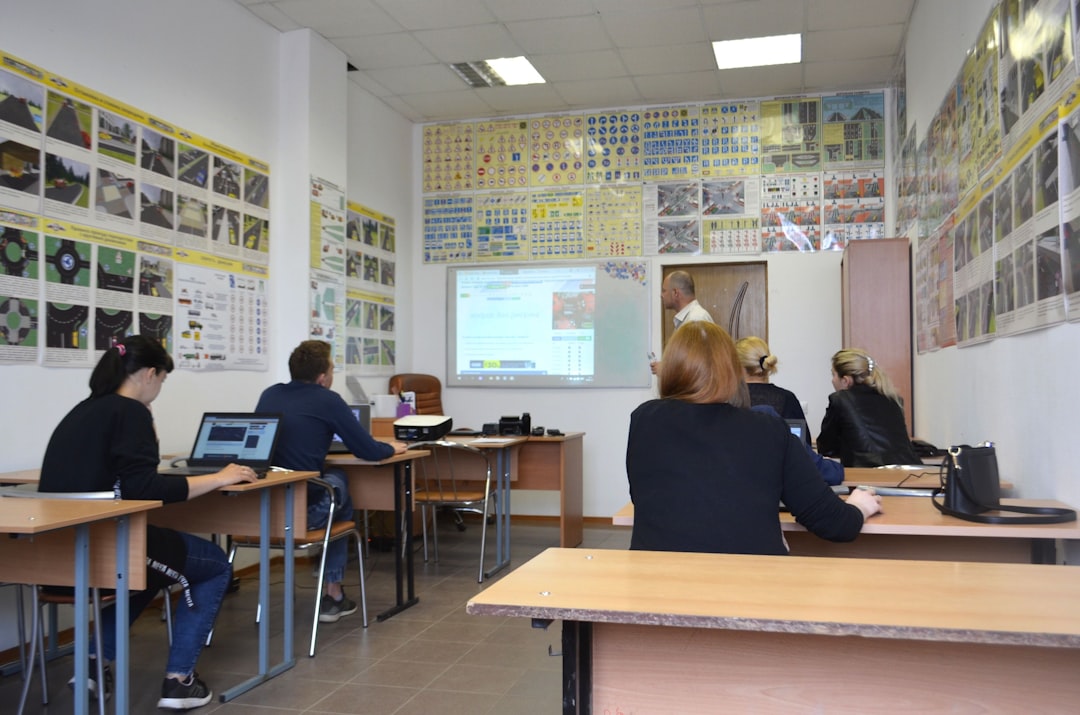 You need a system. Without tracking, you’re guessing which students know which words. Here are practical assessment approaches:
Individual Word Checks: Sit one-on-one with each student once a week. Show Dolch words on cards. Words they read instantly (within 2–3 seconds) go in the “mastered” pile. Words they hesitate on or miss go back into the practice pile. Track progress on a simple checklist — one row per student, one column per word.
Timed Fluency Reads: Give students a sheet with 50 random Dolch words. Time them for one minute. Count correct words. Repeat monthly to measure growth. This is motivating for students — they love seeing their numbers go up.
Writing Assessments: Dictate 10 Dolch words and have students write them. This tests both recognition and spelling. For ESL students, also check if they can use the words correctly in a sentence.
Running Records: During guided reading, note which Dolch words students stumble on. Patterns will emerge — you’ll notice the same words tripping up the same students, which tells you exactly what to review.
Student Self-Tracking: Give each student a personal word ring or word list. When they master a word (you verify), they highlight or move it to the “done” section. Ownership of their own progress is a powerful motivator, especially for older ESL learners who may feel self-conscious about reading below grade level.
You need a system. Without tracking, you’re guessing which students know which words. Here are practical assessment approaches:
Individual Word Checks: Sit one-on-one with each student once a week. Show Dolch words on cards. Words they read instantly (within 2–3 seconds) go in the “mastered” pile. Words they hesitate on or miss go back into the practice pile. Track progress on a simple checklist — one row per student, one column per word.
Timed Fluency Reads: Give students a sheet with 50 random Dolch words. Time them for one minute. Count correct words. Repeat monthly to measure growth. This is motivating for students — they love seeing their numbers go up.
Writing Assessments: Dictate 10 Dolch words and have students write them. This tests both recognition and spelling. For ESL students, also check if they can use the words correctly in a sentence.
Running Records: During guided reading, note which Dolch words students stumble on. Patterns will emerge — you’ll notice the same words tripping up the same students, which tells you exactly what to review.
Student Self-Tracking: Give each student a personal word ring or word list. When they master a word (you verify), they highlight or move it to the “done” section. Ownership of their own progress is a powerful motivator, especially for older ESL learners who may feel self-conscious about reading below grade level.
Making It Stick: Daily Routines
The secret to sight word mastery isn’t clever games — it’s consistent, daily exposure. Build Dolch words into your classroom routine:- Morning message: Write a sentence on the board using 3–4 Dolch words. Students identify and underline them.
- Read-aloud callouts: While reading to the class, pause and point to Dolch words. Have students read them in unison.
- Exit tickets: Before leaving, each student reads 5 words from the current list.
- Writing warm-ups: Students write 3 sentences using words from the word wall.






 SV
SV  EN
EN  ZH
ZH  ZH_CN
ZH_CN  KO
KO  VI
VI  FR
FR  AR
AR  ES
ES  HI
HI  PT
PT  BN
BN  RU
RU  JA
JA  TR
TR  DE
DE  IT
IT  PL
PL  ID
ID  TH
TH  FA
FA  UK
UK  TL
TL  HE
HE  UR
UR  SW
SW  RO
RO  NL
NL  MS
MS  TA
TA  PS
PS  HU
HU  EL
EL  NB
NB  NN
NN  DA
DA  CS
CS  SR
SR  AM
AM