
ESL Teaching as a Career: A Roadmap from First Certification to Senior Roles
An ESL career rarely follows a straight line. Some teachers stay in the same school for fifteen years and become a director of studies; others island-hop across three continents before settling into online tutoring; many move sideways into curriculum design, examiner work, or teacher training. The good news is that the entry barrier is low and the ceiling is much higher than most new teachers realize. This guide maps the realistic stages of an ESL teaching career — what certifications open which doors, what salary you can expect at each tier, and where the senior roles actually live.

Stage 1: The Entry Certification
Almost every ESL job above the level of conversation partner requires a recognized teaching certificate. A bachelor’s degree (in any subject) is the second pillar — most countries that issue work visas for foreign English teachers require one. Once those two boxes are checked, the door to a first contract abroad opens quickly.
TEFL Certificates
TEFL (Teaching English as a Foreign Language) is the umbrella term for entry-level certificates. Quality varies enormously. The minimum benchmark employers recognize is a 120-hour course from an accredited provider, ideally with a supervised teaching practicum component. Be cautious of cheap 40-hour weekend certificates — schools in Taiwan, South Korea, Japan, the UAE, and most of Europe will not accept them for visa purposes.
CELTA
The Cambridge CELTA is the gold-standard entry qualification. It is intensive — typically four weeks full-time, with assessed teaching practice on real adult learners — and it is recognized in roughly 130 countries. CELTA holders walk into interviews with a measurable advantage in pay and placement. If you are serious about ESL as a career rather than a gap-year detour, the CELTA is the certification worth saving for.
Trinity CertTESOL
The Trinity CertTESOL is the main alternative to CELTA and is treated as equivalent by most employers. It is more common in the UK and Latin America. Either certificate is enough to start.

Stage 2: The First Two Years Abroad
The first contract is where you stop being a person with a certificate and start being a teacher. Expect a steep learning curve: lesson planning faster than you thought possible, classroom management you cannot get from any textbook, and the slow accumulation of a personal toolkit of activities, games, and warmers that actually work with your learner demographic.
Common Starter Markets
- East Asia — Taiwan, South Korea, Japan, China, Vietnam. Strong salaries relative to cost of living, structured contracts, often with housing support.
- Middle East — UAE, Saudi Arabia, Oman. Higher pay but stricter qualification requirements (often a teaching license plus two years of experience).
- Europe — Spain, Italy, Czech Republic, Poland. Lower pay but EU lifestyle access; expect to supplement with private students.
- Latin America — Mexico, Colombia, Chile. Modest pay, vibrant culture, easier visa pathways for North Americans.
Realistic Year-One Salary Ranges
A new teacher in Taiwan or South Korea typically earns USD $2,000–$2,800 per month after tax, with housing either provided or subsidized. Vietnam pays $1,400–$2,200 with much lower living costs. Spain pays €1,100–€1,500 — barely breakeven but socially rich. The UAE pays $3,000–$4,500 but expects a Master’s or a state teaching license. These ranges shift by year and by city, so always compare against contemporary local cost-of-living data before signing.
Stage 3: Specialization
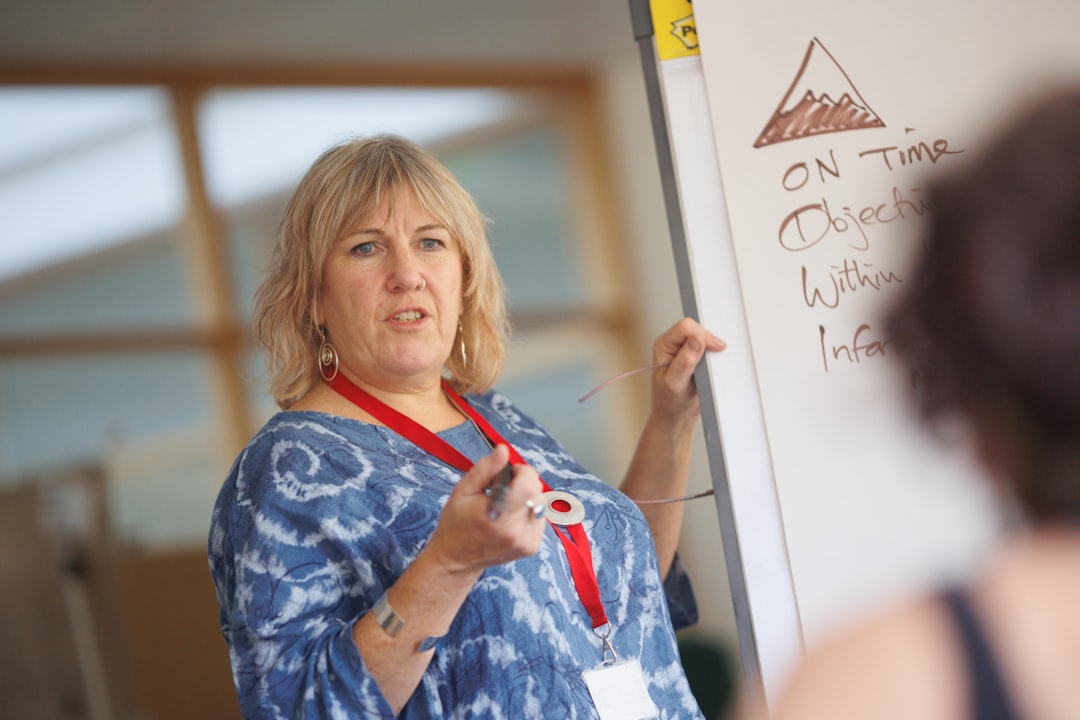
The teachers who stagnate after three years are usually the ones who never specialized. General conversation teaching pays a flat rate forever. A specialization is what shifts you from the bottom of the pay band to the top — and gives you something to put on a CV that survives the trip back home.
Exam Preparation
IELTS, TOEFL, TOEIC, and Cambridge exam prep teachers earn a premium because results are measurable. Becoming a recognized examiner — IELTS speaking and writing examiners are trained directly by Cambridge or IDP — is a separate accreditation that often pays per hour at rates well above teaching wages, and the work is portable globally.
Business English
Corporate clients pay two to four times the rate of children’s cram schools. The catch is that selling and managing corporate contracts is its own skill — you are no longer just teaching, you are running a tiny consultancy. Many career ESL teachers in Europe make their living almost entirely from corporate one-to-ones.
Young Learners and Very Young Learners
Specializing in ages 4–10 is its own craft, and Cambridge offers the TKT Young Learners module to formalize it. International schools and elite kindergartens hire YL specialists at a premium.
EAP and University Pathway
English for Academic Purposes — preparing international students for university coursework — generally requires a Master’s in TESOL or Applied Linguistics, but it leads to university-affiliated jobs with pension contributions, research time, and the most stable contracts in the field.
Stage 4: Advanced Qualifications
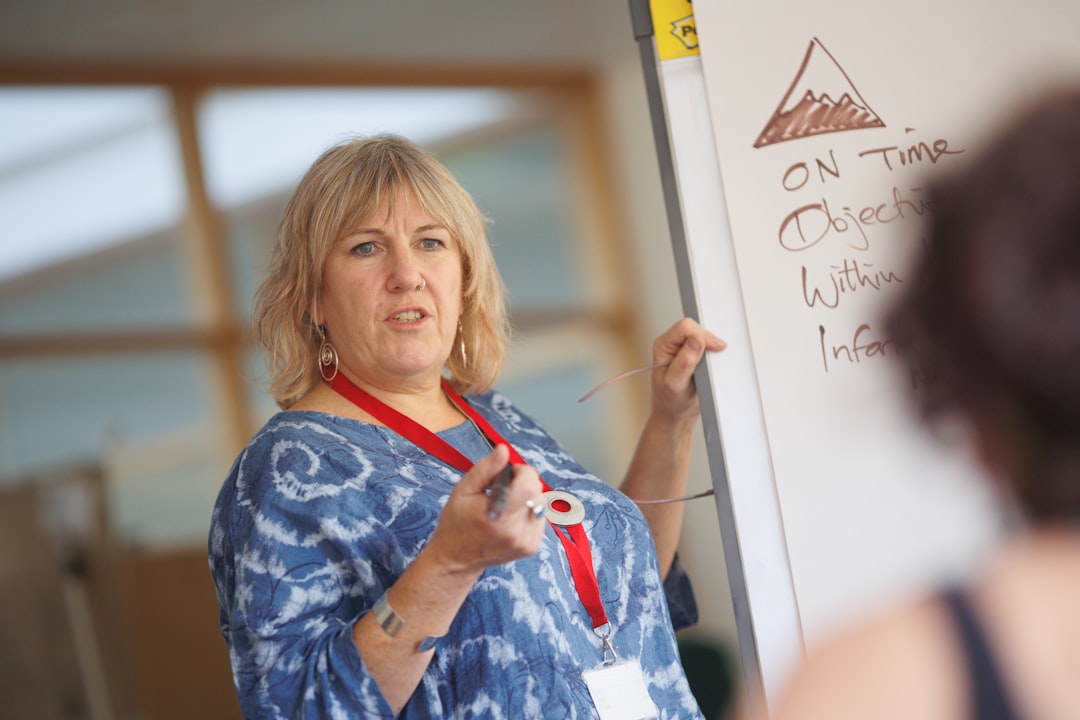
Between years three and seven, most career teachers face a decision: continue accumulating teaching hours, or invest in a qualification that opens management and training roles.
DELTA
The Cambridge DELTA (Diploma in Teaching English to Speakers of Other Languages) is the senior practitioner qualification. It is a serious commitment — typically nine to twelve months part-time across three modules — and it is the qualification senior management positions in major chains (British Council, International House, IDP, Wall Street English) actively require. A DELTA teacher in Asia or the Middle East can credibly negotiate $4,500–$6,500 per month.
MA in TESOL or Applied Linguistics
A Master’s is the alternative — or addition — to the DELTA. It is the right move if you are aiming for university teaching, materials publishing, doctoral research, or a long-term move into curriculum design. Distance-learning MAs from reputable UK universities are widely accepted and let you keep earning while you study.

Stage 5: Senior Roles and Sideways Moves
By the seven-to-ten year mark, the teachers who built specializations and added qualifications have real options. The classroom is no longer the only place the money is.
Director of Studies (DoS)
The DoS runs the academic side of a language school: hiring teachers, observing lessons, setting curriculum, managing parent and student complaints. It is a step away from front-of-room teaching and into people management. Salaries vary wildly but typically run 30–60% above senior teacher rates.
Teacher Trainer
Training the next generation of CELTA and Trinity candidates is a respected route. It requires the diploma-level qualification plus additional trainer accreditation, but it is intellectually engaging and travel-friendly — many trainers work on intensive month-long contracts in different countries.
Materials Writer and Curriculum Designer
Publishers and edtech companies hire experienced teachers to write textbooks, exam practice materials, and digital courses. The path usually starts with a freelance side project — pitching a unit to a major publisher — and grows from there. The pay is project-based and unpredictable, but the most successful materials writers earn well above classroom rates and work entirely remotely.
Online and Independent Teaching
The online ESL market has matured. Platform-based teaching (large marketplace sites) pays modestly, but independent one-to-one tutoring marketed through your own site, YouTube channel, or LinkedIn can support a full income — particularly when targeting business English clients in higher-paying markets. The skill stack here is different: marketing, content production, and client retention matter as much as pedagogy.
Practical Career Habits That Compound
Qualifications open doors, but a small set of habits is what separates teachers who plateau from teachers who keep climbing.
- Keep a teaching journal — short weekly notes on what worked and why. After three years you have a real portfolio of insight.
- Build a materials library — every lesson plan, handout, and worksheet saved and tagged. This is the asset you reuse for the next twenty years.
- Observe colleagues, get observed — formalized peer observation is the cheapest form of professional development.
- Attend at least one conference a year — IATEFL, TESOL, KOTESOL, regional chapters. Networking inside the field is how curriculum and training roles get offered.
- Publish something — a blog post, a conference talk, a free worksheet pack. Visible expertise is what gets you invited to teach trainers and write materials.

Common Career Mistakes to Avoid
The teachers who burn out or leave the field early tend to make the same errors. Staying in one job too long without renegotiating pay or responsibilities is the most common. Treating the certificate as the finish line rather than the starting line is a close second. Ignoring tax, pension contributions, and home-country social security for a decade abroad is the financial mistake that catches people in their forties.
One more underrated pitfall: never developing a second skill stack. The ESL teachers who weather industry downturns — and there have been several, including the 2020 collapse of in-person teaching in China — are the ones who can also write, design materials, build a website, edit video, or manage operations. ESL is rewarding, but it is also a single income stream tied to a regulated visa, and resilience comes from diversification.
A Realistic Ten-Year View
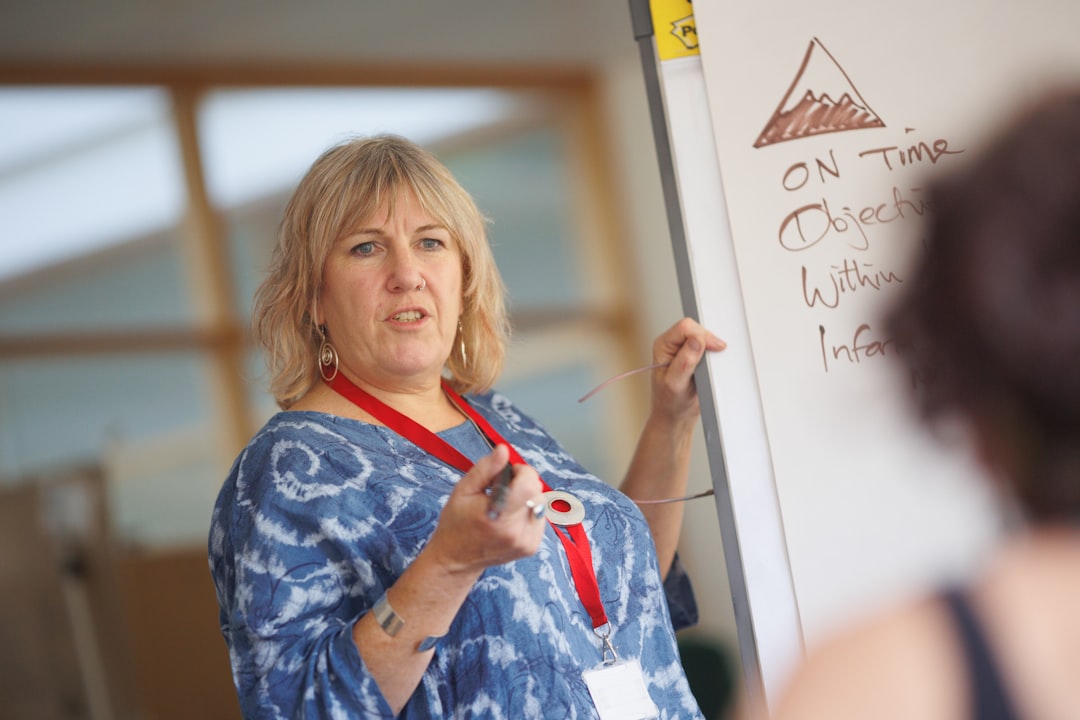
A teacher who starts with a 120-hour TEFL at 23, completes a CELTA at 25, adds a young learner or exam specialization by 27, finishes a DELTA or MA by 30, and steps into a Director of Studies or trainer role by 33 is on a credible, well-trodden path. The pay roughly doubles between year one and year ten. The work changes shape — less teaching, more leadership, more writing — but the field gives back the time you put in.
ESL teaching is not a single career; it is a starter pack for a portfolio life that can include teaching, training, publishing, examining, online business, and academic research in almost any combination. The trick is to treat the first certificate as one move on a longer board — and to make the next move before the previous one stops paying.
Källor
- Cambridge engelska — official information on CELTA, DELTA, TKT, and examiner pathways.
- Trinity College London — CertTESOL and DipTESOL details.
- Brittiska rådet — global teaching opportunities, professional development frameworks, and country-specific guidance.
- IATEFL — international professional association for English language teachers; conferences and special interest groups.
- TESOL Internationella Föreningen — US-based professional body, research journals, and certification standards.
- Recommended CELTA preparation books on Amazon
- DELTA Module One preparation books on Amazon
Looking for free ESL worksheets? Browse our full collection — printable resources for every level and age group. Browse Free Worksheets →
Students can access free worksheets and reading materials at 18KEnglish.com.







 SV
SV  EN
EN  ZH
ZH  ZH_CN
ZH_CN  KO
KO  VI
VI  FR
FR  AR
AR  ES
ES  HI
HI  PT
PT  BN
BN  RU
RU  JA
JA  TR
TR  DE
DE  IT
IT  PL
PL  ID
ID  TH
TH  FA
FA  UK
UK  TL
TL  HE
HE  UR
UR  SW
SW  RO
RO  NL
NL  MS
MS  TA
TA  PS
PS  HU
HU  EL
EL  NB
NB  NN
NN  DA
DA  CS
CS  SR
SR  AM
AM