

Panda Wakubwa wa Kati
Kifungu cha Kusoma
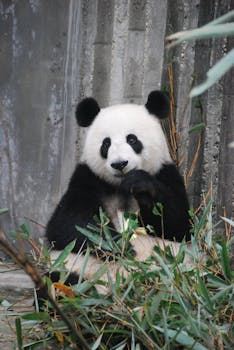
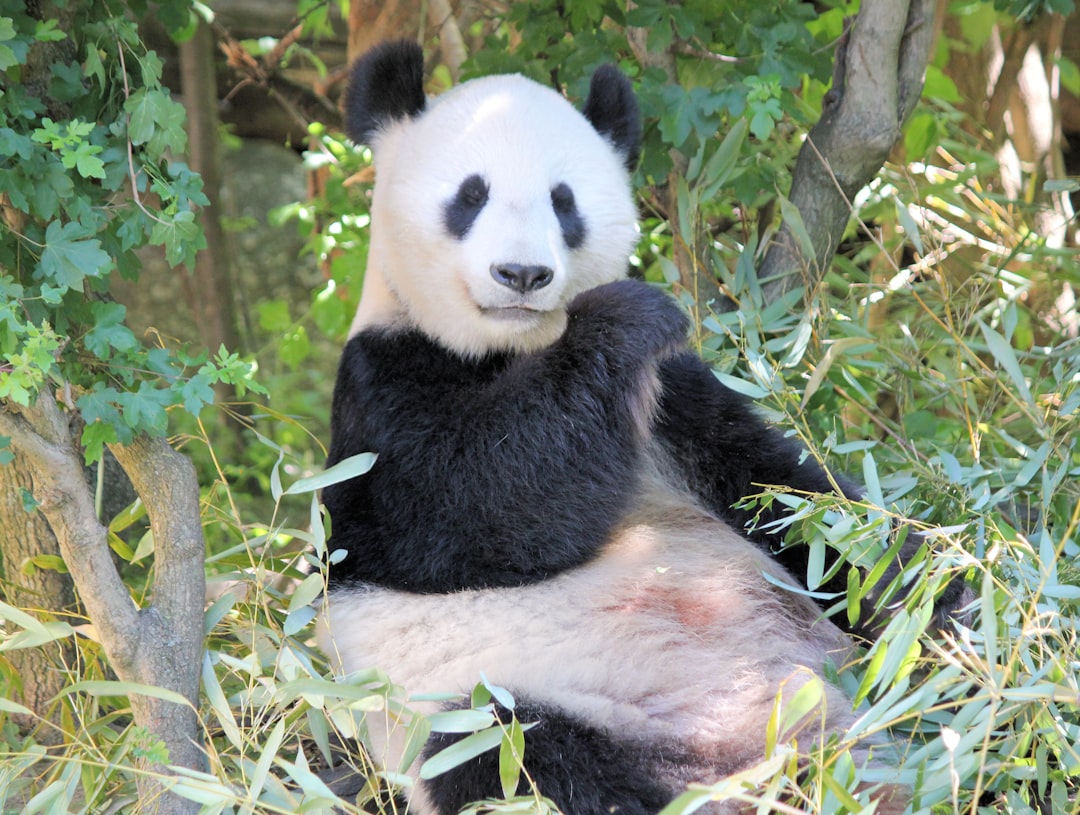
Giant pandas are one of the most beloved and inayotambulika animals on our planet today. These beautiful bears are famous for their black and white fur that makes them look so unique. Giant pandas live only in the mountain forests of central China, making them extremely rare creatures. They can weigh up to three hundred pounds and stand about five feet tall when fully grown. China considers giant pandas to be kitaifa treasures and works hard to protect them from harm.
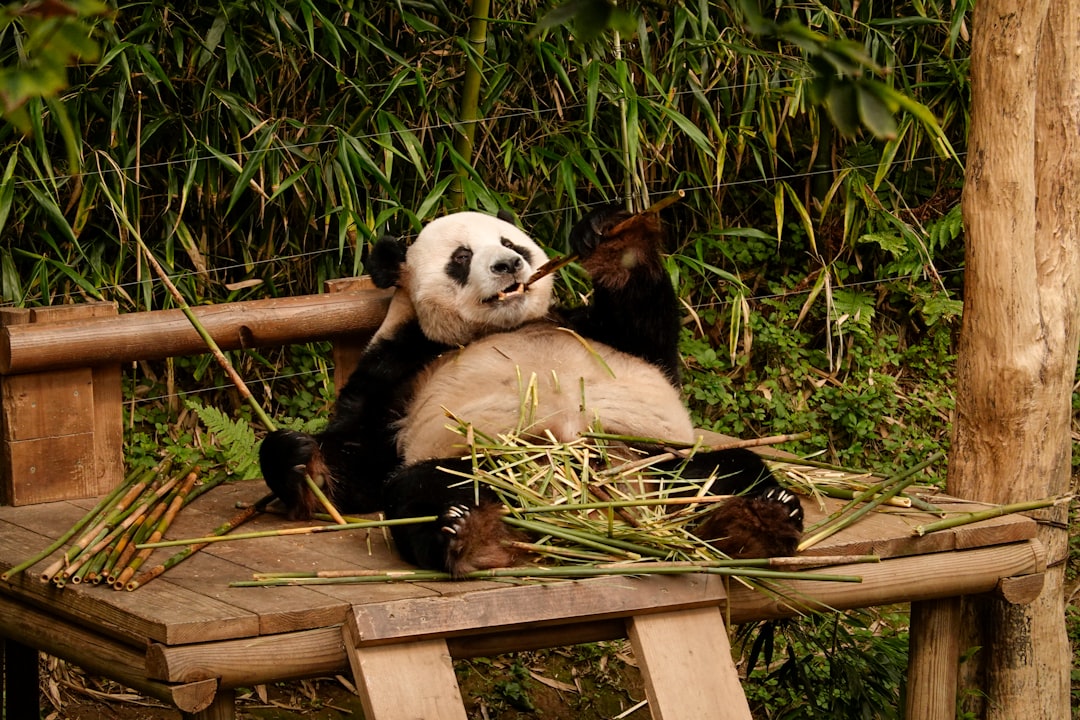
Unlike most bears, giant pandas eat almost nothing but mianzi throughout their entire lives. An adult panda must eat up to eighty pounds of bamboo every single day to survive. They spend about twelve hours daily just eating because bamboo does not provide much lishe or energy. Pandas have a special thumb-like bone that helps them grip bamboo stalks while eating their meals. Despite being classified as carnivores, pandas rarely eat meat and prefer their vegetarian bamboo diet instead.
Baby pandas are incredibly tiny and vulnerable when they are first born in the wild. Newborn pandas weigh only about four ounces, which is as small as a stick of butter. They are born pink, blind, and completely helpless, depending entirely on their mothers for survival. The mother panda holds her baby constantly for the first few months to keep it warm. Baby pandas start eating bamboo around six months old but stay with their mothers for two years.
Giant pandas were once hatarini kutoweka with fewer than one thousand left in the wild during the eighties. Conservation programs in China have worked for decades to protect panda habitats and breed more pandas. Thanks to these efforts, the panda population has slowly increased to over eighteen hundred today. Pandas born in zoos are sometimes released into the wild to help boost natural populations further. The giant panda has become a powerful ishara of wildlife conservation efforts around the world.
Zoos around the world pay China to borrow pandas for their visitors to see and admire. These panda loans help raise money and awareness for conservation programs back in China. Millions of people visit zoos specifically to see these adorable black and white bears in person. Pandas help educate people about the importance of protecting endangered species everywhere. By saving pandas, we also protect the forests and other animals that share their mountain homes.
Kiwango: Kiwango cha F
A. Ulinganisho wa Msamiati
Linganisha kila neno na ufafanuzi wake.
1. inayotambulika ______
2. rare ______
3. kitaifa ______
4. mianzi ______
5. lishe ______
6. carnivores ______
7. vulnerable ______
8. hatarini kutoweka ______
9. habitats ______
10. awareness ______
a. easy to identify or remember
b. knowledge and understanding of something
c. a tall, woody grass eaten by pandas
d. animals that are meant to eat meat
e. belonging to an entire country
f. food value needed for health and growth
g. weak and easily hurt or harmed
h. not found very often; uncommon
i. natural homes where animals live
j. at risk of dying out completely
B. Kweli au Si Kweli
Andika T (Kweli) au F (Si kweli) kwa kila kauli.
- Giant pandas live in forests across Asia. ______
- Pandas can weigh up to three hundred pounds. ______
- Pandas eat about eighty pounds of bamboo daily. ______
- Baby pandas are large and strong when born. ______
- Pandas are classified as carnivores. ______
- There were fewer than 1,000 pandas in the 1980s. ______
- Panda populations have decreased recently. ______
- Zoos pay China to borrow pandas. ______
- Pandas spend about twelve hours eating each day. ______

C. Jaza Nafasi Zilizoachwa Hapo
Benki ya Neno: recognizable | rare | bamboo | nutrition | vulnerable | endangered | habitats
- Giant pandas are one of the most _______________ animals on Earth.
- These bears are extremely _______________ and live only in China.
- Pandas eat almost nothing but _______________ throughout their lives.
- Baby pandas are very _______________ and helpless when first born.
- Conservation programs work to protect panda _______________ in the wild.
D. Maswali ya Uelewa
- Where do giant pandas live in the wild?
- How much bamboo does an adult panda eat each day?
- Why do pandas spend so many hours eating?
- How small are baby pandas when they are born?
- How have conservation programs helped panda populations?
E. Maswali ya Majadiliano
Zungumza kuhusu maswali haya na mwenzi wako au andika majibu yako.
- Why do you think pandas are so popular around the world?
- Should zoos keep pandas, or should all pandas live in the wild?
- What other endangered animals do you think need more protection?
📝 Bonyeza ili Kufunua Ufunguo wa Jibu
Angalia majibu yako hapa chini.
A. Msamiati: 1-a, 2-h, 3-e, 4-c, 5-f, 6-d, 7-g, 8-j, 9-i, 10-b
B. Kweli/Si kweli: 1-F, 2-T, 3-T, 4-F, 5-T, 6-T, 7-F, 8-T, 9-T
C. Jaza Nafasi Zilizoachwa: 1-recognizable, 2-rare, 3-bamboo, 4-vulnerable, 5-habitats
D. Uelewa: 1. In the mountain forests of central China; 2. Up to 80 pounds; 3. Because bamboo does not provide much nutrition or energy; 4. About 4 ounces (as small as a stick of butter); 5. They protected habitats, bred more pandas, and increased population to over 1,800
Vinjari mkusanyiko wetu kamili wa Karatasi za kazi za ESL na nyenzo za kujifunzia bila malipo inaangazia utamaduni wa Taiwan, sayansi, historia ya dunia, na mengineyo.



 SW
SW  EN
EN  ZH
ZH  ZH_CN
ZH_CN  KO
KO  VI
VI  FR
FR  AR
AR  ES
ES  HI
HI  PT
PT  BN
BN  RU
RU  JA
JA  TR
TR  DE
DE  IT
IT  PL
PL  ID
ID  TH
TH  FA
FA  UK
UK  TL
TL  HE
HE  UR
UR  RO
RO  NL
NL  MS
MS  TA
TA  PS
PS  HU
HU  EL
EL  SV
SV  NB
NB  NN
NN  DA
DA  CS
CS  SR
SR  AM
AM