

Storytelling in ESL: 10 Best Activities + Lesson Plan
The fastest way to wake up a tired ESL class is not a worksheet. It is a sentence that begins, “Last week, something strange happened to my neighbour.” Stories pull attention forward, suspend the rules of the classroom for a moment, and give learners a reason to keep listening — which is the entire game in a language they are still building. This guide breaks down ten classroom-tested storytelling activities, how to choose stories by level, and the lesson framework I use to turn a five-minute tale into a forty-minute fluency workout.
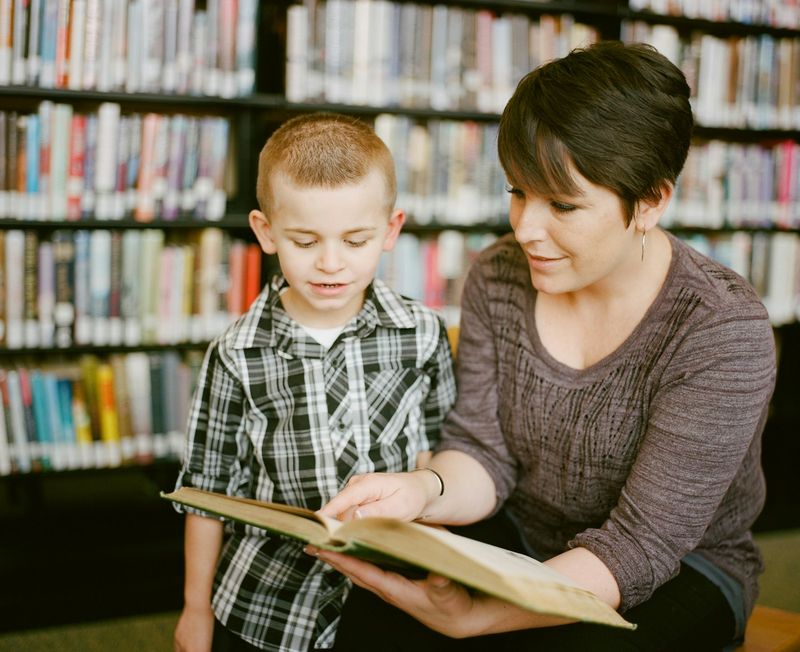
Why Storytelling in ESL Works (When Drills Don’t)
Stories are the format the human brain is built for. Researchers at Princeton showed that when a person hears a story, their neural activity begins to mirror the storyteller’s — something that doesn’t happen during a list of facts[1]. For language learners, that synchrony is the goal. It means the input is landing, not bouncing off.
There is a more practical reason too. A story repeats vocabulary inside a context, with emotional weight, and with a clear sequence. A word like argue introduced in a list might survive one quiz. The same word, dropped into a story about two brothers fighting over a stolen guitar, gets stored with imagery, tone, and consequence attached. That is the difference between a word a student recognises and a word a student can use.
The truth is, most ESL classrooms underuse stories because teachers worry about comprehension. They shouldn’t. A well-graded story with the right scaffolds delivers more comprehensible input in fifteen minutes than half a textbook unit.
10 Storytelling ESL Activities That Actually Work

Each of these activities targets a different skill. Pick one or two per week and stop trying to do every story exercise on the planet — depth beats breadth here.
1. The One-Sentence Story Chain
One student opens with a sentence. The next student adds a sentence that continues the story. You go around the room or pass a soft ball. It looks like a game, but it is targeted output: you can set the constraint to past simple, future continuous, or any tense you taught last week. The constraint forces practice; the chain forces listening.
2. Story Reconstruction From Pictures
Hand out three to six images cut from a story. Pairs arrange them into a logical sequence, then tell the story their order suggests. Two pairs in the same class will produce two different stories from the same images — and that’s the lesson. You’re teaching that meaning is constructed, not given.
3. The Disappearing Story
Tell a short story (six to eight sentences) and write the key words on the board as you speak. Tell it again, erasing one or two words each pass. By round five, students are retelling the entire story from memory using just the empty board as a prompt. This is a brutal vocabulary review and learners love it.
4. Hot Seat Character Interview
After reading or telling a story, one student sits at the front and becomes a character. The class fires questions in role. The “character” must answer in first person, in character, using language from the story. It hits speaking, listening, question formation, and inference all at once.
5. The Wrong Story
Retell a story you’ve already covered, but change ten things — names, places, events, outcomes. Students raise a hand or call “stop” each time they hear an error and correct it. It is the highest-attention listening drill I know.
6. Story Dictation With a Twist
Dictate a short paragraph, but pause every two or three sentences and let students predict what comes next. Then continue. By the end, you have a story they helped write and listening notes they actually want to look at.
7. Six-Word Story Challenge
Inspired by Hemingway’s apocryphal six-word story, give students a topic and a six-word limit. “He came home. Nobody was there.” Pairs swap and try to write a full paragraph expanding the six words into a scene. It teaches compression first, then expansion — both rare skills in language learners.
8. TPRS Mini-Story
Teaching Proficiency through Reading and Storytelling, developed by Blaine Ray in the 1990s, builds a story live with the class using three target structures[2]. You ask “circling” questions — yes/no, either/or, fill-in — to drill each structure into the story. A 60-second story can run 20 minutes of input. It is the closest thing ESL has to a magic technique for beginners.
9. Story From an Object
Pull a strange item from a bag — an old key, a single sock, a torn photo. Students invent the story of how you got it. Constraints: must include three new vocabulary words from this week, must include one question to you. Output is wild, vocabulary is forced into use.
10. The Personal Narrative Swap
For teens and adults, this one earns trust faster than any other. Each student writes a 60-second story from their own life on a topic you choose: an embarrassing moment, a moment you were proud, a time you got lost. They tell it to a partner. The partner retells it to the next partner — in third person. You learn who is in your class. They learn that English can carry their actual story.
How to Choose Stories by ESL Level

Story selection is where most lessons quietly fail. The story is too easy, students disengage. Too hard, they shut down. The Common European Framework of Reference (CEFR) is the cleanest map I’ve found for matching stories to learners[3].
Kwa A1 to A2 learners, stick to graded readers under 500 headwords. Repetitive structures, present and past simple only, one or two characters. Cambridge, Penguin, and Oxford Bookworms all publish at this level. Folktales work brilliantly here because the pattern of three (three pigs, three wishes, three trials) is built-in repetition.
Kwa B1 learners, you can introduce real short stories with light adaptation — Roald Dahl’s “The Way Up to Heaven”, O. Henry’s “Gift of the Magi”, classic urban legends. Keep them under 1,500 words and pre-teach 8–12 lexical items before reading.
Kwa B2 and above, drop the adaptations. Use authentic short fiction, news features, This American Life transcripts, podcast clips. The story shouldn’t need rescuing — they should. Your job becomes facilitating discussion, not propping up comprehension.
A 7-Step Storytelling Lesson Framework

Every storytelling lesson I run follows the same skeleton. It is boring to write down and incredibly reliable in practice.
Step 1 — Pre-teach 5 to 8 key words. Picture, definition, example sentence, choral repetition. Don’t drill grammar — just lexis you need for comprehension.
Step 2 — Prediction. Show the title, an image, or the first sentence. Pairs predict what will happen. This activates schema and gives them a reason to listen — to see if they were right.
Step 3 — First telling (gist). Tell or read the story straight through. No stopping. Students listen for one global question: “Was your prediction right? Why or why not?”
Step 4 — Second telling (detail). Read again with three detail-check questions on the board: who, what, why. Students take notes.
Step 5 — Comprehension check. Pairs reconstruct the story from their notes. You circulate, listen, intervene only when a key detail is wrong.
Step 6 — Production task. One of the activities above — story chain, hot seat, six-word challenge. This is where the story stops being yours and becomes theirs.
Step 7 — Reflection. Three new words on the board. Each student tells a partner one sentence using one of them about their own life. Exit ticket: write the sentence and give it to you at the door.
The seven-step shape echoes the structure used in classic ESL lesson planning — engage, study, activate — but lets the narrative do the heavy lifting.
Teaching Narrative Tenses Through Storytelling
You cannot tell a story without past tense. That makes storytelling the most natural delivery vehicle for narrative tenses: past simple, past continuous, past perfect, and used to. Forget the substitution drill. Tell a story where the past continuous sets the scene (“I was walking down the street”) and the past simple interrupts it (“when a man grabbed my arm”). Then have students retell it, with the tense forced by structure.
For higher levels, swap in past perfect — “I realised I had left my wallet in the taxi” — and watch the cause-and-effect logic of the language click into place. Storytelling lessons are where narrative tense rules stop feeling like rules and start feeling like consequences.
Storytelling Activities for Young Learners
Young learners are the easiest storytelling audience and the hardest. They will sit cross-legged and gasp at the right moments. They will also revolt if you read a wall of text or skip the voices. The bridge.edu TEFL blog notes that young learners respond strongest to storytelling that combines image, gesture, and repetition[4].
Three things change for kids: pace, props, and predictability. Pace means slowing down by 30% from your adult-class rhythm. Props means picture cards, finger puppets, or a single soft toy that “tells” parts of the story. Predictability means repeated refrains — “And then they all went home, the end? NO!” — that the class learns to shout back at you.
Combine that with simple vocabulary recycling and you are also running a vocabulary game disguised as a story, which is exactly what young learner lessons need.
How to Assess Storytelling Without Killing It

Assessment is where storytelling lessons usually die. The teacher panics about evidence of learning and slaps a comprehension quiz on the end. The story goes from event to exam. Don’t do this.
Pick one of three lower-friction options. First, the retell rubric: students retell the story in pairs while you score four bands — sequence, vocabulary use, tense accuracy, fluency. Two minutes each, six points per band. Second, the written extension: students write the next paragraph of the story or rewrite the ending. Mark for target language use, not creative writing. Third, the spoken summary recorded on a phone — 60 seconds, no notes. You listen later, mark fast, and have audio evidence for parents if you teach kids.
The shared principle: the assessment uses the story’s content, not a separate test. The story keeps doing work even at the end of the lesson.
Common Mistakes Teachers Make With Storytelling

Five mistakes account for most failed storytelling lessons. Naming them is half the fix.
Reading without rehearsing. If you haven’t read the story aloud once before class, you will trip over phrasing and the story dies. Five minutes of rehearsal saves the lesson.
Choosing a story you don’t love. Students sense disinterest before you finish the first sentence. Pick stories that make you laugh or shudder. Your reaction is the model for theirs.
Over-explaining vocabulary mid-story. Stopping every two sentences to gloss a word breaks the spell. Pre-teach what you must, then let the story run. Confusion is fine. Boredom is fatal.
No production phase. If students only listen, they only practise listening. Build at least one speaking or writing task that requires them to use the language of the story.
Skipping the second telling. Teachers feel they’ve already told it once. Students need the repetition. Second time through is when the language sticks.
Tools and Resources for ESL Storytelling
A short shortlist beats a long one. These are the resources I actually open during planning, not the ones I bookmarked and forgot.
For graded readers: Cambridge English Readers, Oxford Bookworms, and Penguin Readers all publish A1–C1 fiction. For short authentic texts: This American Life transcripts (B2+) are gold. For visual prompts: Pobble365 publishes a free image every day with story prompts that work for any level. For TPRS-style mini-stories: FluentU’s TPRS guides walk teachers through “circling” technique in detail. And for picture books at the young learner end, anything by Eric Carle, Julia Donaldson, or Mo Willems will earn its place in a lesson.
Watch: How Cambridge Teachers Use Stories With Young Learners
This short video from Cambridge English walks through how teachers actually scaffold a storytelling activity with young learners — useful whether you teach kids or want to see the structure that adult lessons borrow from.
Start Telling, Stop Drilling
The teachers who get the most fluency out of their students aren’t the ones with the cleanest worksheets. They’re the ones whose classroom feels like something is happening. A story is the cheapest, most repeatable way to create that feeling. Pick one activity from this list, one story you actually like, and run it on Monday. The next lesson plan will write itself.
Vyanzo
- Speaker–listener neural coupling underlies successful communication — Princeton (PNAS) — neural synchrony evidence for narrative comprehension.
- Blaine Ray Workshops — Teaching Proficiency through Reading and Storytelling — the official TPRS resource hub.
- CEFR level descriptions — Council of Europe — official level descriptors for language proficiency.
- The Importance of Storytelling for Young Learners in the ESL Classroom — Bridge TEFL — practical guide to storytelling with kids.
- Interactive Storytelling in the ESL Classroom — ESLbase — interactive setup tips for ESL teachers.
Looking for free ESL worksheets? Browse our full collection — printable resources for every level and age group. Browse Free Worksheets →
Students can access free worksheets and reading materials at 18KEnglish.com.








 SW
SW  EN
EN  ZH
ZH  ZH_CN
ZH_CN  KO
KO  VI
VI  FR
FR  AR
AR  ES
ES  HI
HI  PT
PT  BN
BN  RU
RU  JA
JA  TR
TR  DE
DE  IT
IT  PL
PL  ID
ID  TH
TH  FA
FA  UK
UK  TL
TL  HE
HE  UR
UR  RO
RO  NL
NL  MS
MS  TA
TA  PS
PS  HU
HU  EL
EL  SV
SV  NB
NB  NN
NN  DA
DA  CS
CS  SR
SR  AM
AM