
Beyond Amyloid — New Mechanisms in Alzheimer’s Disease Research
Beyond Amyloid: New Mechanisms in Alzheimer’s Disease Research
Sipi sa Pagbasa
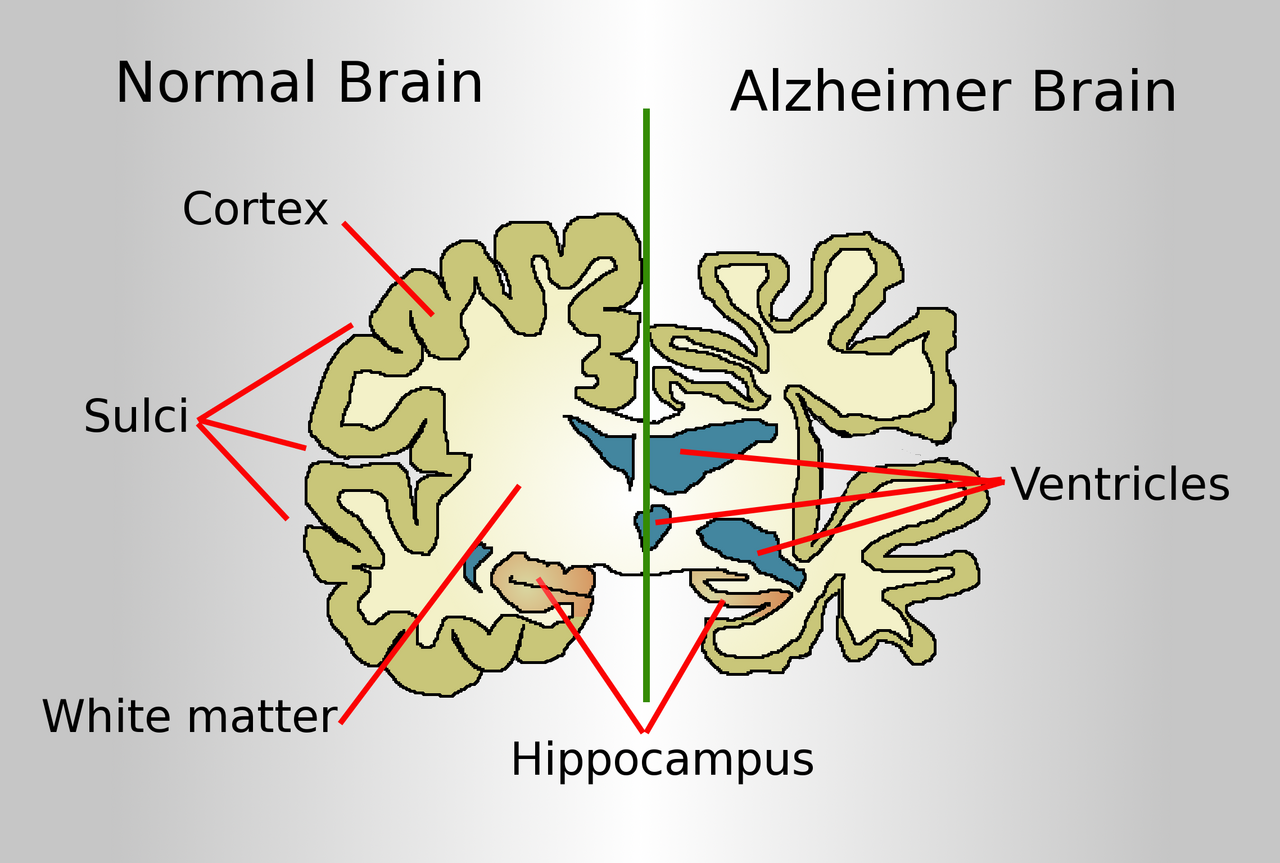
Alzheimer’s disease is the most common form of dementia, progressively destroying memory, reasoning, and the ability to perform everyday tasks. For decades, the dominant scientific framework focused on two hallmark features of Alzheimer’s brain tissue: amyloid plaques — abnormal clumps of protein that accumulate between neurons — and tau protein tangles that form inside neurons and disrupt their internal structure. These features, observed in the brains of Alzheimer’s patients since the early twentieth century, drove the development of treatments designed to clear or prevent them.
The results of amyloid-clearing therapies have been mixed. While some recently approved drugs can meaningfully reduce amyloid burden in the brain, the cognitive benefits for patients have often been modest. This gap between biological change and clinical improvement has prompted researchers to look more broadly at what else might be driving neurodegeneration — the progressive loss of neurons and their connections — in Alzheimer’s disease.
A landmark study from researchers at Case Western Reserve University offers a striking new direction. Scientists found that restoring NAD+ balance in cells reversed Alzheimer’s-like symptoms in animal models — not merely slowed their progression, but reversed them. NAD+ (nicotinamide adenine dinucleotide) is a molecule that plays a central role in cellular energy metabolism, the process by which cells convert nutrients into usable energy. Under conditions of metabolic stress — such as those present in aging or diseased neurons — NAD+ levels decline, impairing a cell’s ability to maintain its functions.
The researchers used a compound called P7C3-A20, which enables cells to maintain NAD+ balance even under conditions of stress. In animal models designed to mimic Alzheimer’s disease, this restoration of energy metabolism corresponded with measurable improvements in cognitive performance and a reduction in neurodegenerative markers. The implication is significant: metabolic dysfunction — not just amyloid accumulation — may be a primary driver of neurodegeneration in Alzheimer’s disease, and addressing it directly could open new avenues for treatment.
This metabolic angle is one of several new targets that have emerged from recent Alzheimer’s research. Inflammation in the brain — neuroinflammation — is now recognized as a major contributor to neurodegeneration. The immune cells of the brain, called microglia, normally clear cellular debris and protect neurons. In Alzheimer’s disease, microglia can become chronically activated, releasing inflammatory molecules that damage the very neurons they are meant to protect. Drugs targeting the inflammatory cascade are now in clinical trials.
Vascular factors — the health of the blood vessels supplying the brain — have also gained attention. Reduced blood flow and damage to the blood-brain barrier (the protective layer controlling what enters brain tissue from the bloodstream) appear to accelerate neurodegeneration. Improving cerebrovascular health may therefore delay or reduce the severity of Alzheimer’s symptoms even independent of amyloid pathology.
Researchers have also identified a complex relationship between the APOE gene and Alzheimer’s risk. The APOE4 variant is the strongest known genetic risk factor for late-onset Alzheimer’s disease, increasing risk by three to twelve times depending on whether a person carries one or two copies. Understanding how APOE4 influences amyloid clearance, lipid metabolism, and inflammation could lead to genetically targeted therapies.
An important dimension of current research concerns biological sex differences. Women develop Alzheimer’s disease at higher rates than men — approximately two-thirds of all Alzheimer’s patients are women. However, a recently emerging pattern suggests that once amyloid accumulation begins in the brain, men tend to experience faster cognitive decline. Longitudinal studies — studies that follow the same individuals over many years — are helping researchers understand how hormonal, genetic, and lifestyle factors contribute to these differences, with the goal of developing sex-specific treatment strategies.
The field of Alzheimer’s research is entering a period of significant expansion. New biomarkers — measurable biological indicators of disease state — are allowing earlier and more accurate diagnosis, potentially before symptoms appear. Combined with treatments targeting multiple biological pathways simultaneously, this represents a shift from the single-target approach that characterized much of twentieth-century Alzheimer’s research.
Bokabularyo
- Amyloid plaques — abnormal deposits of misfolded amyloid-beta protein that accumulate between neurons in the brain; a hallmark feature of Alzheimer’s disease
- Tau protein — a protein that normally stabilizes the internal structure of neurons; in Alzheimer’s disease, it becomes abnormally modified and forms tangles that disrupt neuron function
- NAD+ — nicotinamide adenine dinucleotide; a molecule essential for cellular energy metabolism that declines with aging and disease, impairing cell function
- Neurodegeneration — the progressive loss of the structure and function of neurons in the brain, leading to cognitive and physical decline
- APOE gene — the gene encoding apolipoprotein E; the APOE4 variant is the strongest known genetic risk factor for late-onset Alzheimer’s disease
- Biomarker — a measurable biological indicator — such as a protein level, gene variant, or brain scan feature — used to detect, diagnose, or monitor a disease
- Cognitive decline — a measurable reduction in mental functions such as memory, attention, language, and problem-solving, often associated with aging or disease
- Neurogenesis — the process by which new neurons are formed in the brain; research suggests that supporting neurogenesis may help offset neuron loss in Alzheimer’s disease
- Synaptic plasticity — the ability of connections between neurons (synapses) to strengthen or weaken over time, which underlies learning and memory
- Longitudinal study — a research study that follows the same group of individuals over an extended period of time, allowing scientists to observe changes and identify risk factors
Mga Tanong sa Pag-unawa
1. What are the two hallmark features of Alzheimer’s disease that have historically dominated research? (Short answer)
2. Why have amyloid-clearing therapies produced disappointing results in some cases?
- A) The drugs are too expensive to test in clinical trials
- B) Cognitive benefits have often been modest despite measurable reductions in amyloid
- C) Amyloid plaques reform within weeks after being cleared
- D) The drugs damage tau proteins and worsen neurodegeneration
3. What is NAD+, and what happens when its levels decline in neurons? (Short answer)
4. What did the Case Western Reserve study find when researchers restored NAD+ balance in animal models?
- A) Amyloid plaques were eliminated from brain tissue
- B) The progression of Alzheimer’s symptoms was slowed slightly
- C) Alzheimer’s-like symptoms were reversed, not merely slowed
- D) The APOE4 gene variant was suppressed
5. What is the role of microglia in the brain under normal conditions?
- A) They produce the myelin sheath surrounding neuron axons
- B) They generate NAD+ molecules used in energy metabolism
- C) They clear cellular debris and protect neurons from damage
- D) They control blood flow through the cerebral blood vessels
6. What are vascular factors, and how do they contribute to Alzheimer’s disease? (Short answer)
7. Which of the following best describes the APOE4 gene variant?
- A) A rare mutation that causes early-onset Alzheimer’s in people under 40
- B) The strongest known genetic risk factor for late-onset Alzheimer’s disease
- C) A gene that accelerates amyloid clearance from brain tissue
- D) A biomarker used to detect tau protein tangles in living patients
8. What sex difference in Alzheimer’s disease does the passage describe? (Short answer)
9. What is a longitudinal study, and why is this type of study particularly useful for Alzheimer’s research?
- A) A study that tests multiple drugs simultaneously in the same patient group
- B) A study that follows the same individuals over many years to observe changes over time
- C) A study that compares Alzheimer’s patients in different countries
- D) A study that uses brain imaging to measure amyloid accumulation
10. How has the availability of new biomarkers changed the field of Alzheimer’s research? (Short answer)
Critical Thinking
- The passage describes a shift from a single-target approach (focusing on amyloid) to a multi-target approach (addressing metabolism, inflammation, vascular health, and genetics simultaneously). What are the advantages and disadvantages of each approach in medical research? Why might drug companies have preferred the single-target model for so long?
- NAD+ restoration reversed Alzheimer’s symptoms in animal models. Why is it significant that scientists must be cautious about extrapolating results from animal models to humans? What additional steps would be needed before a NAD+-based treatment could be approved for human patients?
- The passage describes a biological sex difference: women develop Alzheimer’s more often, but men decline faster once amyloid appears. What questions does this raise about how clinical trials for Alzheimer’s drugs should be designed? Should men and women be analyzed separately in medical research?
- The APOE4 gene significantly increases the risk of developing Alzheimer’s disease. If genetic testing could tell a young person whether they carry APOE4, would it be ethical to offer this information? What psychological and social consequences might such knowledge have?
- The passage mentions that new biomarkers allow Alzheimer’s disease to be detected “potentially before symptoms appear.” What are the implications of diagnosing a disease decades before a person experiences any symptoms? Consider both the potential benefits and the ethical challenges.
Fill in the Blank
- Researchers at Case Western Reserve found that restoring ______ balance in cells — using a compound called P7C3-A20 — reversed Alzheimer’s-like symptoms in animal models.
- When microglia become chronically activated, they release inflammatory molecules that damage neurons — a process called ______.
- A measurable biological indicator used to detect or monitor a disease, such as a specific protein level or brain scan feature, is called a ______.
Extended Response
Prompt 1: The passage describes a major shift in Alzheimer’s research, from a focus primarily on amyloid plaques toward a broader understanding of multiple contributing factors including metabolic dysfunction, neuroinflammation, vascular health, and genetic risk. Using specific examples from the passage, write an essay explaining why this broader approach is scientifically justified. What does this shift tell us about the nature of complex diseases and the limitations of single-cause models in medicine?
Prompt 2: Consider the following statement: “Preventing a disease is always preferable to treating it after symptoms appear.” Using Alzheimer’s disease as your primary example, write a structured argument either supporting or challenging this claim. Your essay should address the role of biomarkers in early detection, the ethical questions raised by diagnosing people who have no symptoms yet, and the practical challenges of prevention-focused medicine. Draw on specific evidence from the passage.
Looking for free ESL worksheets? Browse our full collection — printable resources for every level and age group. Browse Free Worksheets →









 TL
TL  EN
EN  ZH
ZH  ZH_CN
ZH_CN  KO
KO  VI
VI  FR
FR  AR
AR  ES
ES  HI
HI  PT
PT  BN
BN  RU
RU  JA
JA  TR
TR  DE
DE  IT
IT  PL
PL  ID
ID  TH
TH  FA
FA  UK
UK  HE
HE  UR
UR  SW
SW  RO
RO  NL
NL  MS
MS  TA
TA  PS
PS  HU
HU  EL
EL  SV
SV  NB
NB  NN
NN  DA
DA  CS
CS  SR
SR  AM
AM