
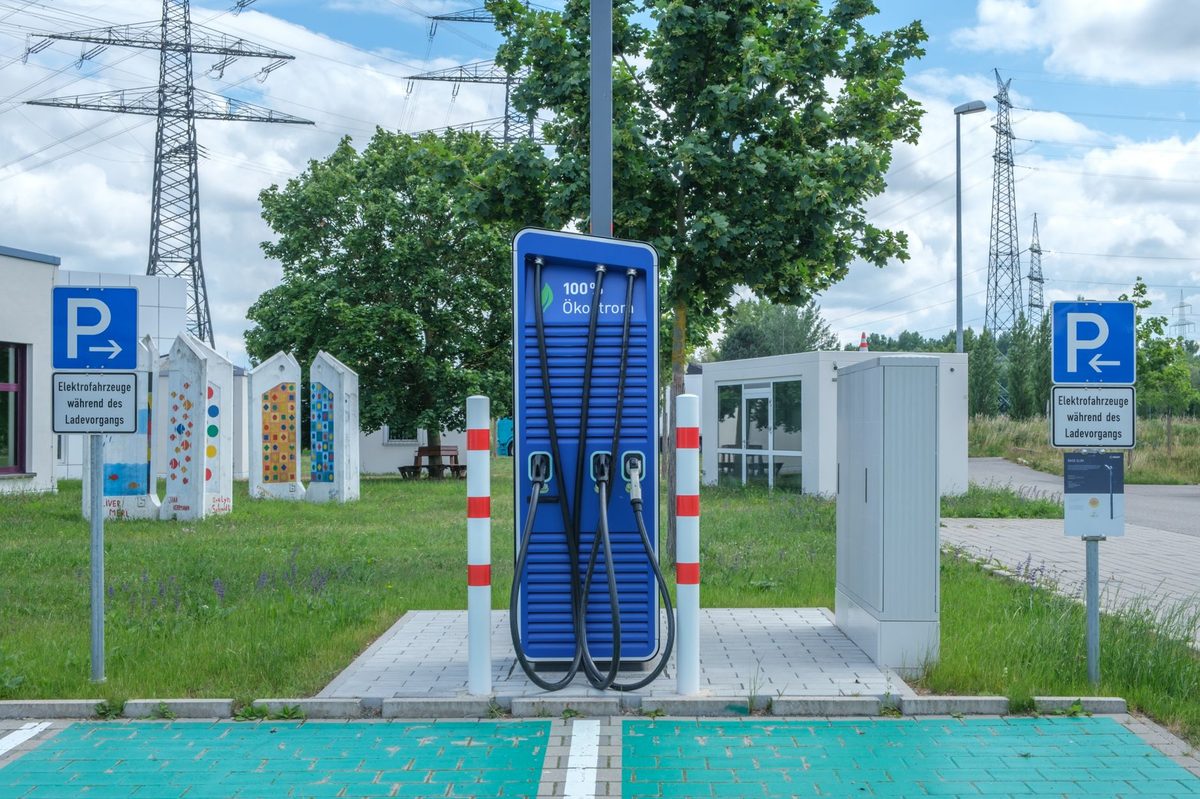
Electric Vehicles | Advanced ESL Reading Worksheet PDF
Free, classroom-ready, one click — includes answer key on page 3.

Reading Worksheet — Advanced (F) | tahricteaches.com
Electric vehicles, commonly known as EVs, have rapidly transformed from a niche curiosity into a mainstream mode of transportation. Just two decades ago, the idea of a car powered entirely by batteries seemed futuristic and impractical. Today, however, major automakers around the world are racing to develop new models, and governments are introducing policies to accelerate the transition away from gasoline-powered vehicles. This shift represents one of the most significant changes in the automotive industry since the invention of the assembly line.
One of the primary motivations behind the EV revolution is the urgent need to reduce greenhouse gas emissions. Traditional vehicles burn fossil fuels, releasing carbon dioxide and other pollutants that contribute to climate change and poor air quality in cities. In contrast, electric vehicles produce no tailpipe emissions, making them a cleaner alternative, particularly when charged using renewable energy sources such as solar or wind power.
Despite these advantages, EVs still face several significant challenges. The most commonly cited concern is range anxiety—the fear that the battery will run out before reaching a charging station. Additionally, the infrastructure for charging remains underdeveloped in many regions, especially rural areas. The high upfront cost of electric vehicles also deters many potential buyers, although prices have been steadily declining as battery technology improves.
Governments and private companies are working together to address these obstacles. Generous tax incentives, expanded charging networks, and substantial investments in research are helping to make EVs more accessible. Meanwhile, advances in battery chemistry promise longer ranges, faster charging times, and lower production costs in the coming years.
Looking ahead, experts predict that electric vehicles will dominate global car sales by 2040. This transition will reshape not only how we travel but also how we generate and consume energy. While challenges remain, the momentum behind electrification appears unstoppable, signaling a profound shift in our relationship with personal transportation.
A. Bokabularyo
- mainstream ____
- accelerate ____
- emissions ____
- infrastructure ____
- substantial ____
- transition ____
- incentives ____
- renewable ____
- deters ____
- dominate ____
- a. widely accepted or used by most people
- b. have control over or be the most important in something
- c. discourages someone from doing something
- d. speed up or cause to happen faster
- e. process of changing from one state or condition to another
- f. rewards or benefits offered to encourage certain actions
- g. basic physical systems and structures needed for an activity, such as roads or networks
- h. large in size, value, or importance
- i. able to be replaced naturally, such as solar or wind energy
- j. gases or substances released into the air, often as pollution

B. Tama o Mali
- ____ Electric vehicles have always been a mainstream form of transportation.
- ____ EVs produce no tailpipe emissions while driving.
- ____ Range anxiety refers to the fear of running out of battery before reaching a charging station.
- ____ The cost of electric vehicles has been increasing steadily over the past decade.
- ____ Charging infrastructure is equally developed in all regions of the world.
- ____ Governments are using tax incentives to encourage EV adoption.
- ____ Burning fossil fuels contributes to climate change and poor air quality.
- ____ Experts predict that gasoline cars will dominate global sales by 2040.
- ____ Charging an EV with renewable energy makes it a cleaner option.
- ____ Battery technology has stopped improving in recent years.
C. Punan ang mga patlang
- Many governments offer tax ___ to encourage drivers to switch to electric vehicles.
- The lack of charging ___ in rural areas remains a major obstacle for EV adoption.
- Electric vehicles produce no tailpipe ___, which helps improve air quality in cities.
- Once considered futuristic, EVs have now become ___ in many countries.
- Companies have made ___ investments in battery research to improve performance.
D. Mga Tanong sa Pag-unawa
- Why are governments and automakers pushing for the adoption of electric vehicles?
- What is ‘range anxiety,’ and why is it a concern for potential EV buyers?
- How are advances in battery technology expected to benefit the EV industry?
E. Mga Tanong sa Talakayan
- Do you think your country is doing enough to support the transition to electric vehicles? Why or why not?
- What factors would influence your decision to buy an electric vehicle instead of a traditional gasoline car?
Answer Key (click to reveal)
A. Bokabularyo: 1-a, 2-d, 3-j, 4-g, 5-h, 6-e, 7-f, 8-i, 9-c, 10-b
B. Tama/Mali: 1-F, 2-T, 3-T, 4-F, 5-F, 6-T, 7-T, 8-F, 9-T, 10-F
C. Punan ang mga Blangko: 1-incentives, 2-infrastructure, 3-emissions, 4-mainstream, 5-substantial
D. Pag-unawa:
- They want to reduce greenhouse gas emissions and address climate change while transitioning away from fossil fuel dependence.
- Range anxiety is the fear that an EV’s battery will run out before reaching a charging station, which discourages drivers due to limited charging infrastructure.
- Battery improvements promise longer driving ranges, faster charging times, and lower production costs, making EVs more practical and affordable.
© Tahric Teaches | tahricteaches.com
Looking for free ESL worksheets? Browse our full collection — printable resources for every level and age group. Browse Free Worksheets →









 TL
TL  EN
EN  ZH
ZH  ZH_CN
ZH_CN  KO
KO  VI
VI  FR
FR  AR
AR  ES
ES  HI
HI  PT
PT  BN
BN  RU
RU  JA
JA  TR
TR  DE
DE  IT
IT  PL
PL  ID
ID  TH
TH  FA
FA  UK
UK  HE
HE  UR
UR  SW
SW  RO
RO  NL
NL  MS
MS  TA
TA  PS
PS  HU
HU  EL
EL  SV
SV  NB
NB  NN
NN  DA
DA  CS
CS  SR
SR  AM
AM