

Minimal Pairs: 50 Essential Examples for Teaching
A learner who says “I need a sheet of paper” but lands on the wrong vowel can clear a room. That single sound — the short /ɪ/ in ship versus the long /iː/ in sheep — is the entire reason minimal pairs exist as a teaching tool. They isolate the one contrast that carries meaning and drill it until the student’s ear and mouth agree. This guide gives you 50 minimal pairs sorted by sound, shows you which ones your students will fight hardest depending on their first language, and walks through how to teach them so the practice actually transfers to real speech.

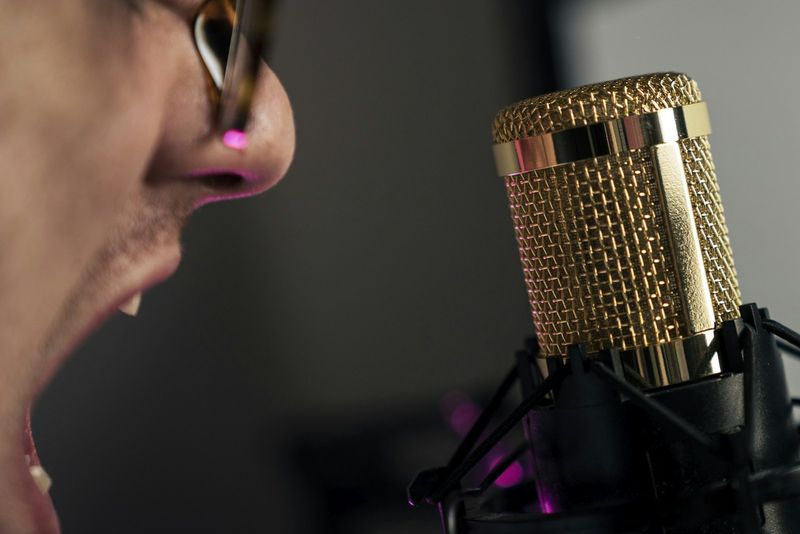
Real conversation is where a blurred minimal pair turns into a genuine misunderstanding.
What Are Minimal Pairs?
A minimal pair is two words that are identical except for one phoneme — one unit of sound — in the same position. Bat at pat are a minimal pair because only the first consonant changes. Bat at bet are a pair because only the vowel changes. Swap one sound and the meaning flips; that is the whole definition.
The trick is that minimal pairs work at the level of sound, not spelling. Cot at caught look two letters apart on the page but differ by a single vowel sound for many speakers. Knight at night are spelled differently and are not a minimal pair at all — they sound identical, which makes them homophones instead. When you build a list, group words by what the ear hears, not by what the eye reads. The linguist’s standard reference, the minimal pair, is defined entirely in terms of phonemes for exactly this reason.
Why Minimal Pairs Matter for Pronunciation
Most pronunciation problems are not about sounding native. They are about being understood. When a student can’t distinguish /l/ from /r/, “I’m collecting data” and “I’m correcting data” become the same sentence, and the listener has to guess. Minimal pairs target precisely the contrasts where a wrong sound costs meaning, which is a far better use of class time than chasing a flawless accent nobody needs.
There is also a hearing problem hiding underneath the speaking one. Adults stop noticing sound contrasts that their first language ignores — a process researchers call perceptual narrowing. A Mandarin speaker who never had to separate /l/ at /n/ as meaningful often cannot hear the difference at first, so no amount of “say it again” will help. You have to retrain the ear before the mouth has a target to aim at. That is why every good minimal pairs sequence starts with listening, not speaking.

Showing where a sound is made in the mouth fixes more errors than repetition alone.
50 Minimal Pairs Examples (Sorted by Sound)
Here are 50 minimal pairs grouped by the contrast they train. Pick the rows that match the sounds your students actually confuse — a French class and a Korean class need almost opposite lists. Read each pair aloud twice before you bring it to the room so you know which one you tend to swallow yourself.
Vowel Contrasts
| Sound Contrast | Minimal Pairs |
|---|---|
| /ɪ/ vs /iː/ | ship – sheep, bit – beat, sit – seat, fit – feet, chip – cheap |
| /æ/ vs /e/ | bat – bet, man – men, sat – set, bad – bed, pan – pen |
| /ʌ/ vs /æ/ | cup – cap, bunk – bank, run – ran, cut – cat |
| /ɒ/ vs /əʊ/ | not – note, cost – coast, want – won’t |
| /ʊ/ vs /uː/ | full – fool, pull – pool, look – Luke |
Consonant Contrasts
| Sound Contrast | Minimal Pairs |
|---|---|
| /l/ vs /r/ | light – right, lock – rock, glass – grass, lice – rice, fly – fry |
| /b/ vs /v/ | berry – very, ban – van, boat – vote, bow – vow |
| /p/ vs /f/ | pan – fan, pin – fin, pour – four, copy – coffee |
| /θ/ vs /s/ | think – sink, thick – sick, mouth – mouse, path – pass |
| /ʃ/ vs /tʃ/ | ship – chip, share – chair, wash – watch, sheep – cheap |
| /n/ vs /l/ | night – light, snow – slow, no – low |
That is 50 pairs across eleven contrasts. You will never need all of them in one class. The skill is matching the contrast to the learner, which the next section is about.

Which Minimal Pairs Will Your Students Struggle With Most?
The hardest minimal pairs are the ones where a contrast that matters in English simply doesn’t exist in the student’s first language. Their brain filed those two sounds as one years ago. Here is where the predictable trouble lives, drawn from what shows up class after class in Taiwan and across Asia.
Mandarin and Taiwanese speakers wrestle most with /l/ versus /r/ at /l/ versus /n/ (light/right, night/light), with /v/ drifting toward /w/ o /b/, and with final consonants getting dropped entirely — rice at right collapse when the ending vanishes. The two th sounds rarely exist in their inventory either, so think slides into sink. Japanese speakers share the /l/–/r/ battle. Spanish and Arabic speakers fight /b/–/v/ at /p/–/b/. Korean speakers blur /p/–/f/ at /z/–/dʒ/.
The practical move is to spend five minutes diagnosing before you spend a month drilling. Read ten mixed pairs aloud and have students write “same” or “different.” The contrasts they get wrong on paper are the ones worth your whiteboard time — everything else is review they don’t need.

How to Teach Minimal Pairs Step by Step
Teaching minimal pairs in the wrong order is the single most common reason the practice fails. Production before perception just rehearses the error with more confidence. Run it in this sequence and the contrast sticks.
Step one: listening discrimination. Say one word from a pair and have students point to A or B, or hold up one or two fingers. They are not speaking yet — they are proving their ear can split the two sounds. Stay here longer than feels comfortable. If the class can’t hit 80% on “same or different,” producing the sound is hopeless.

Step two: show the mouth. Once they can hear it, show them how the sound is made — where the tongue sits for /l/ versus the curl for /r/, the lip-teeth contact for /v/ versus the two-lip closure for /b/. The University of Iowa’s animated articulation diagrams are the clearest free tool for this, and they cost nothing.
Step three: controlled production. Now students say the words. Run a two-column board with ship on the left and sheep on the right, point at random, and have the class produce the matching word. Then flip it: a student says a word and you point to which column you heard. When you “mishear” on purpose, they learn instantly that their sound was ambiguous.

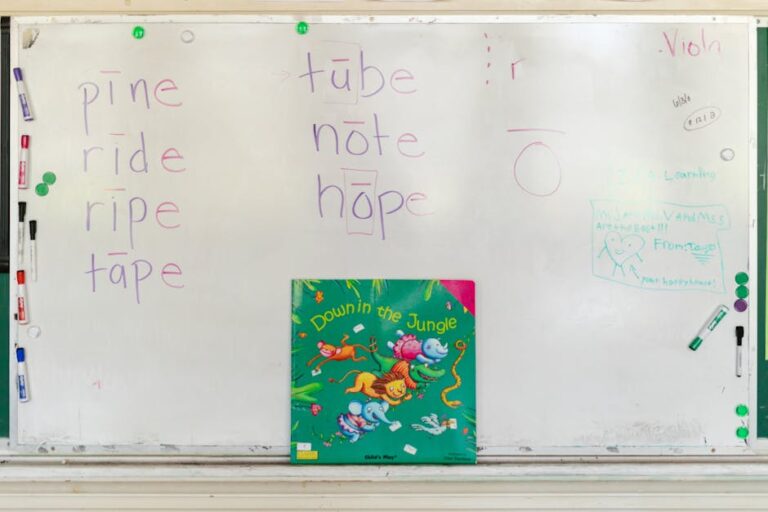
A simple two-column board setup runs an entire minimal pairs drill with no materials.
Step four: communicative transfer. Drilling means nothing if it dies at the bell. Build a tiny task where the contrast carries real information — a gap-fill where “he’s going to beat it” and “he’s going to bit it” lead to different pictures, so getting the sound wrong actually breaks the activity. For a full bank of these, our guide to minimal pairs activities has fourteen ready to run, and the complete ESL pronunciation lesson plan shows how to slot them into a single class.
Common Mistakes Teachers Make With Minimal Pairs
The biggest mistake is treating minimal pairs as a worksheet instead of a diagnostic. Handing out a list of forty pairs and reading them down the page wastes most of the time on contrasts the class already owns. Diagnose first, then drill only the two or three that fail.
The second mistake is jumping straight to production, which I’d argue does more harm than skipping the lesson entirely — you are now reinforcing a wrong sound out loud. The third is drilling words in isolation forever and never moving to a task where the sound carries meaning. A student can ace “ship, sheep, ship, sheep” in a drill and still say “I bought a cheap” when they mean “ship” the moment real speech starts. The contrast has to graduate into a sentence that breaks if they get it wrong. For more on building that bridge, our ESL pronunciation activities collection covers the production side in depth.
Minimal Pairs FAQ
What is a minimal pair in simple terms?
Two words that differ by one sound and one meaning — cat at cut, or pen at pan. Change the single sound and you get a different word, which is what makes the pair useful for isolating one pronunciation point at a time.
What is the difference between minimal pairs and homophones?
Minimal pairs sound different and mean different things (ship / sheep). Homophones sound identical but mean different things (knight / night). Minimal pairs train students to hear a contrast; homophones are the opposite case, where no contrast exists in sound at all.
Are minimal pairs actually effective for pronunciation?
Yes, when sequenced perception-first. The evidence from second-language phonology is that listening discrimination training transfers to production, while production-only drilling often does not. The sequence matters more than the word list.
How many minimal pairs should I teach at once?
One contrast per lesson. Pick the single pair of sounds your diagnostic flagged, drill three to five word pairs that show it, and stop. Stacking multiple contrasts in one session overloads the ear and nothing sticks.
Where to Take This Next
The fastest win available to most teachers this week is the diagnostic: ten mixed pairs, “same or different,” five minutes, and you will know exactly which two sounds deserve the next month of pronunciation slots. Skip the generic worksheet, drill only what fails, and route every contrast into a task that breaks when the sound is wrong. That is the difference between students who can recite a list and students who get understood at the coffee counter. Build your activity bank from the minimal pairs activities guide and you will never be short of a five-minute drill again.
Mga Pinagmumulan
- Minimal pair — Wikipedia — phoneme-based definition and cross-linguistic examples.
- Sounds of Speech, University of Iowa — animated articulation diagrams for English consonants and vowels.
- BBC Learning English: The Sounds of English — pronunciation videos covering English phonemes and contrasts.
Looking for free ESL worksheets? Browse our full collection — printable resources for every level and age group. Browse Free Worksheets →
Students can access free worksheets and reading materials at 18KEnglish.com.






 TL
TL  EN
EN  ZH
ZH  ZH_CN
ZH_CN  KO
KO  VI
VI  FR
FR  AR
AR  ES
ES  HI
HI  PT
PT  BN
BN  RU
RU  JA
JA  TR
TR  DE
DE  IT
IT  PL
PL  ID
ID  TH
TH  FA
FA  UK
UK  HE
HE  UR
UR  SW
SW  RO
RO  NL
NL  MS
MS  TA
TA  PS
PS  HU
HU  EL
EL  SV
SV  NB
NB  NN
NN  DA
DA  CS
CS  SR
SR  AM
AM