
Traditional Musical Instruments – Level F Advanced ESL Reading Worksheet
Traditional musical instruments are far more than relics of the past — they are living cultural ambassadors that carry the identity, history, and emotional memory of entire civilizations. This advanced ESL reading worksheet explores the evolution of traditional instruments, their role in cross-cultural dialogue, and why their preservation matters in a rapidly digitalizing world.
Cultural Ambassadors in Sound
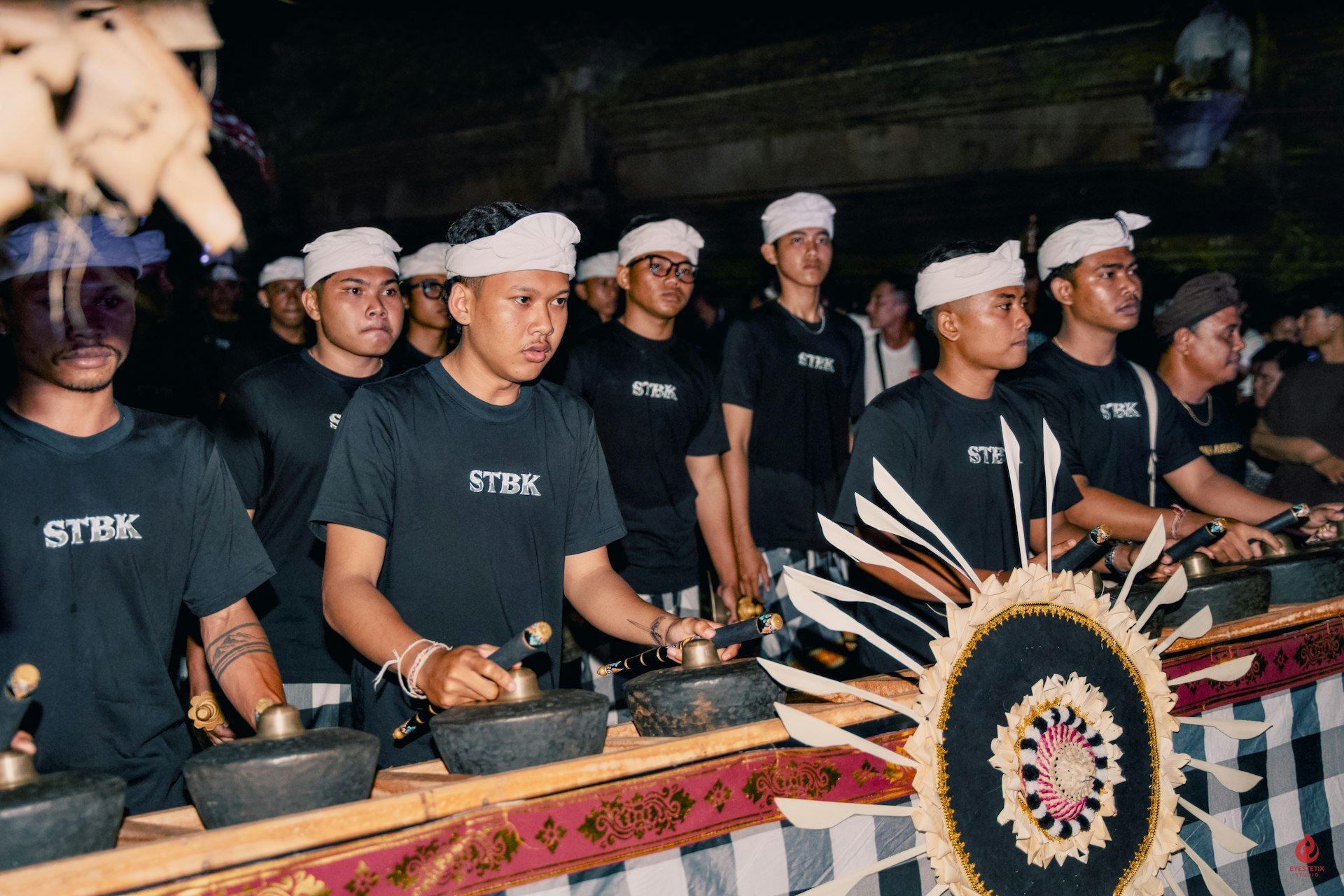
Every traditional instrument tells a story that transcends language. The gamelan orchestras of Indonesia communicate social hierarchy and spiritual devotion through layered bronze metallophone textures. The haunting overtones of a Mongolian morin khuur (horsehead fiddle) evoke the vast steppes and nomadic traditions of Central Asia. The oud, a fretless lute dating back over 3,500 years in the Middle East, remains central to Arabic musical identity despite — or perhaps because of — its refusal to adopt modern standardization.
These instruments do not simply represent cultures; they actively sustain them. When a master musician teaches an apprentice, they transmit not only technique but worldview — a philosophy encoded in sound.
Technological Evolution: Adaptation or Dilution?
The 21st century presents traditional instruments with an unprecedented challenge: how do you preserve an authentic art form while adapting to modern musical contexts? The debate is fierce among ethnomusicologists and performers alike.
Some instruments have embraced amplification and cross-genre fusion. The Irish uilleann pipes now appear in rock and ambient electronic compositions. Japanese taiko drumming has evolved into theatrical performance art that fills concert halls worldwide. Indian classical sitar found a global audience through its collaboration with Western jazz and rock musicians in the 1960s — an influence that continues today.
Others resist modernization categorically. The erhu masters of China’s Central Conservatory argue that digital reproduction strips away the micro-tonal nuances and physical resonance that define the instrument’s expressive capacity. Similarly, Balinese gamelan communities maintain strict ritual protocols around instrument construction and performance, viewing commercial adaptation as a form of cultural violation.
Preservation in the Digital Age
UNESCO’s Intangible Cultural Heritage program has designated dozens of traditional musical practices as requiring urgent safeguarding. Digital archiving projects, such as the Smithsonian Folkways collection and the British Library Sound Archive, are preserving recordings of instruments and performance traditions that exist in only a handful of aging practitioners.
However, preservation through recording alone risks creating a museum culture around living traditions. The most effective preservation happens through community-based education — when schools incorporate traditional music into curricula, when governments fund apprenticeship programs, and when diaspora communities maintain performance traditions across generational and geographic displacement.
Why This Matters for Language Learners
For advanced ESL students, engaging with topics like cultural preservation builds the kind of critical thinking and analytical vocabulary needed for academic writing and professional communication. Discussing instruments as cultural artifacts — rather than mere entertainment — develops argumentation skills and intercultural competence simultaneously.
This worksheet is designed for Level F advanced ESL students (approximately Grade 6 reading level). Vocabulary draws from MOE Level 2–3 word lists, featuring academic and domain-specific terms used in authentic contexts.
Tungkol sa Worksheet na Ito
Ang Traditional Musical Instruments – Level F Advanced ESL Reading Worksheet includes:
- A 356-word reading passage at Grade 6 academic reading level
- Inferential and evaluative comprehension questions
- Vocabulary-in-context exercises using academic word list terms
- Short essay prompt: “Should traditional instruments be modernized or preserved in their original form?”
- Comparative analysis activity: technological evolution of two instruments
- Discussion questions for group debate or Socratic seminar
⬇ Download PDF Worksheet (Free)
Classroom Applications
This worksheet integrates naturally into thematic units on culture, globalization, and technology. It pairs well with listening activities featuring traditional instrument recordings available on platforms like Spotify’s “World Music” playlists or YouTube’s cultural heritage channels.
Recommended for: Grade 5–8 ESL / EFL students, intermediate-advanced English learners, IB and Cambridge curriculum classrooms, academic writing preparation courses.
 TL
TL  EN
EN  ZH
ZH  ZH_CN
ZH_CN  KO
KO  VI
VI  FR
FR  AR
AR  ES
ES  HI
HI  PT
PT  BN
BN  RU
RU  JA
JA  TR
TR  DE
DE  IT
IT  PL
PL  ID
ID  TH
TH  FA
FA  UK
UK  HE
HE  UR
UR  SW
SW  RO
RO  NL
NL  MS
MS  TA
TA  PS
PS  HU
HU  EL
EL  SV
SV  NB
NB  NN
NN  DA
DA  CS
CS  SR
SR  AM
AM