

Warmers and Fillers: Making Every 5 Minutes Count in the ESL Classroom
Every ESL teacher knows the two moments that quietly make or break a lesson. The first is the opening: those first few minutes when students are still half in the hallway, thinking about lunch, their phones, or the test in their next class. The second is the gap — the eight minutes left after you finish the activity early, or the awkward stretch while a slow group catches up. Warmers and fillers are the small, deliberate 5-minute activities built for exactly these moments, and learning to use them well is one of the highest-leverage skills a language teacher can develop.
This guide is not a list of games to copy down. It is a way of thinking about how short activities function inside a lesson — why they work, when to reach for each kind, and how to build a personal toolkit you can deploy with zero preparation. Once you understand the underlying logic, you stop hunting for “the perfect warmer” and start adapting whatever you already know to fit the moment in front of you.

Warmers and Fillers Are Not the Same Thing
The terms get used interchangeably, but they solve different problems, and confusing them is why some lessons feel flat from the start. A warmer is a purpose-built opener. Its job is to shift the brain into English, lower the affective filter, and create the social conditions for speaking. A filler is a flexible plug for an unplanned gap — it buys time, recycles language, or resets energy when the room is flagging. A warmer is scheduled; a filler is improvised.
The distinction matters because they have different success criteria. A good warmer connects forward to the lesson’s main aim. If today’s class is about the past simple, an opener where students share one true and one false thing they did last weekend is doing real pedagogical work — it activates the target structure before you ever name it. A filler, by contrast, succeeds simply by keeping students in English and engaged until the next planned segment begins. It does not need to connect to anything. It just needs to be ready instantly.
Why the First Five Minutes Decide the Lesson
There is a sound reason warmers occupy so much space in teacher training. Students arrive carrying their first language, their stress, and their reluctance to be the first one to speak imperfectly in front of peers. Stephen Krashen’s affective filter hypothesis describes this well: when anxiety is high, language input simply does not get through. A warmer is the tool that lowers that filter before any new material arrives.
There is also a practical engagement effect. If the first thing students do in your class is speak English — even one sentence — you have established the norm of the room. If the first thing they do is sit silently while you take attendance and write the date, you have established a different norm, and you will spend the next twenty minutes fighting it. The warmer is where you set the temperature, which is why the name fits so neatly.

The five-minute ceiling is deliberate. A warmer that runs to fifteen minutes has become a main activity, and it steals time from the lesson’s actual aim. The constraint forces clarity: get them talking, get the language flowing, and move on while energy is still rising rather than waiting for it to dip.
Choosing a Warmer That Earns Its Place
The best warmers are chosen, not grabbed at random. Before a lesson, ask one question: what do I want students to be able to do or recall in the next thirty minutes? Then pick an opener that touches that. There are three reliable categories worth understanding.
Activating Warmers
These wake up the language students will need later. If the lesson teaches food vocabulary, a 90-second board race where teams brainstorm everything edible they can spell primes the topic and tells you what they already know. Activating warmers double as diagnostic tools — you learn the room’s starting point before you waste time teaching what they already have.
Personalizing Warmers
These connect the topic to the students themselves, which is the strongest driver of genuine communication. “Find someone who…” tasks, two-truths-and-a-lie, or a quick question of the day all work because students actually want to know the answers. When the information gap is real, the speaking stops being an exercise and starts being a conversation.
Review Warmers
These recycle yesterday’s language at the start of today. A rapid round where students teach their partner one thing they remember from the last class harnesses the spacing effect — the well-documented finding that we retain material better when we revisit it after a gap rather than cramming. A review warmer turns the opening five minutes into long-term memory work disguised as chat.
Fillers: The Skill of the Confident Teacher
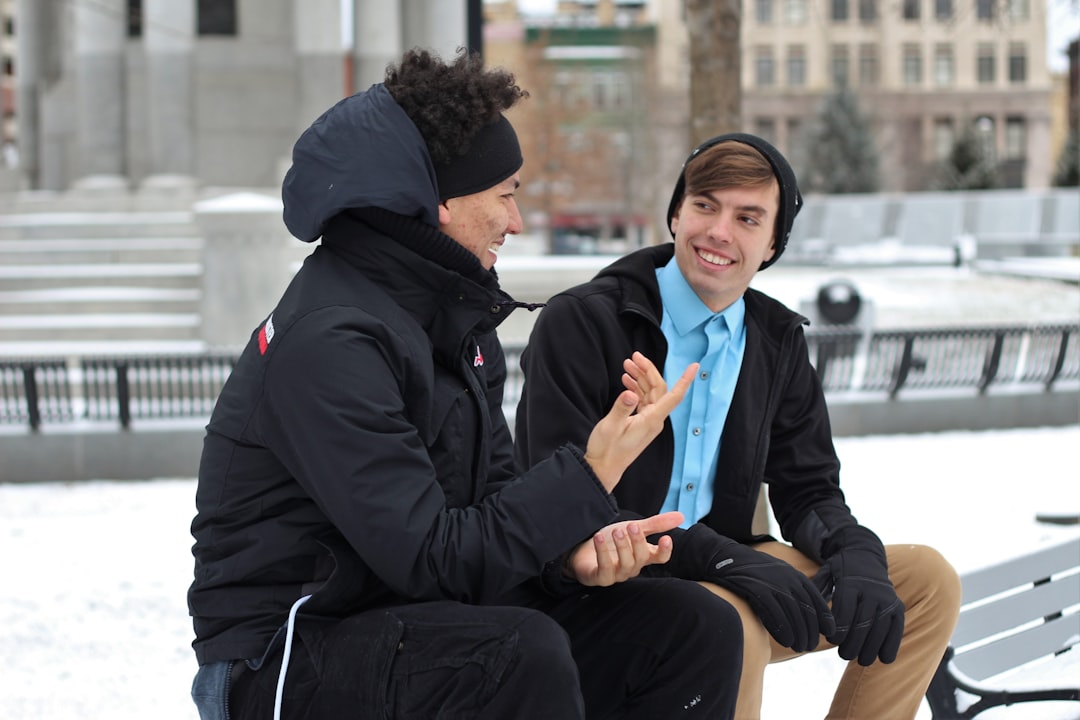
If warmers are about planning, fillers are about composure. Every experienced teacher has stood in front of a class that finished the worksheet ten minutes early, or watched a planned activity collapse because the photocopier ate the handouts. The teachers who stay calm in those moments are not improvising from nothing — they are drawing on a small, internalized set of activities that need no materials and no setup.
The defining feature of a good filler is portability. It lives in your head, scales to any level, and can start in the next three seconds. Word association chains, where each student says a word linked to the previous one, need nothing. “Twenty questions” with a vocabulary item from the unit reviews language while feeling like a break. A one-minute speaking challenge — talk about your weekend without stopping or repeating — pushes fluency under friendly pressure. None of these require a single sheet of paper.
Crucially, a filler should still keep students in English and, ideally, recycle something. A filler that descends into first-language chatter has failed even if it passed the time. The goal is to make the gap productive, not merely survivable.
Reading the Room Before You Choose
The same five-minute activity can be perfect or disastrous depending on what the class needs at that moment, and the skilled move is matching the activity to the room’s energy. A sleepy 8 a.m. group of teenagers needs something kinetic — a board race, a mingle, anything that gets bodies moving. The same activity dropped into an over-excited Friday afternoon class will tip the room into chaos; there you want something focusing, like a quiet puzzle or a structured pair task that pulls attention inward.
Think of it as a simple two-by-two. Low energy plus need-to-focus calls for a gentle activating task. Low energy plus need-to-loosen-up calls for movement and laughter. High energy plus focus needs a channel for that energy into structured competition. High energy plus loosen-up barely needs you at all — just give them a fun prompt and step back. Learning to diagnose the room in the doorway, before the bell, is what separates a warmer that lands from one that fights the mood.
Adapting One Activity Across Levels
Teachers waste enormous energy collecting separate activities for separate levels when a single warmer usually stretches across all of them with small tweaks. Take the humble “describe and guess” task. With beginners, a student describes a classroom object using three simple words. With intermediates, they describe an abstract noun — freedom, jealousy — without saying it. With advanced learners, they must define it using a relative clause and a hypothetical. Same activity, same five minutes, three completely different language demands.
This is the real payoff of understanding the logic rather than memorizing the games. Once you see that a warmer is just a controlled information gap with adjustable difficulty, you can scale anything you know to the class in front of you. Your toolkit shrinks to a handful of flexible structures, and your preparation time falls toward zero.
Building Your Personal No-Prep Toolkit
Rather than carrying a binder of a hundred activities you will never use, the practical goal is to own maybe eight or ten that you know cold. These should cover the bases: one movement warmer, one personalizing warmer, one review warmer, and a few materials-free fillers for emergencies. When you can run any of them without thinking, you free up the mental bandwidth that genuinely good teaching requires — watching learners, adjusting on the fly, and responding to what they actually say.

Keep a single index card or a note on your phone listing your core set, and after each class jot one word next to whichever you used to track variety. Students notice repetition faster than we expect, and a warmer that thrilled them in week one becomes a chore by week four. Rotation keeps the opening fresh, and the act of tracking forces you to keep your repertoire alive rather than defaulting to the same two activities every Monday.
If you teach exam classes, do not assume warmers are a luxury you cannot afford. TOEIC and IELTS students benefit enormously from a sixty-second speaking warmer that mirrors the exam’s fluency demands, or a quick collocation race that recycles the academic vocabulary they need. The five minutes you spend warming up a high-stakes class often returns more than the same five minutes added to drilling.
Common Mistakes to Sidestep
Three errors recur often enough to name. The first is the runaway warmer — an opener so fun that it eats fifteen minutes and crowds out the lesson aim. Set a visible timer and honor it. The second is the disconnected warmer, a fun activity with no link to the day’s content; it entertains but teaches nothing and trains students to see English class as games. The third is the silent filler — handing out a quiet worksheet to fill a gap, which kills the speaking momentum you spent the lesson building. When in doubt, a filler should keep mouths moving in English.
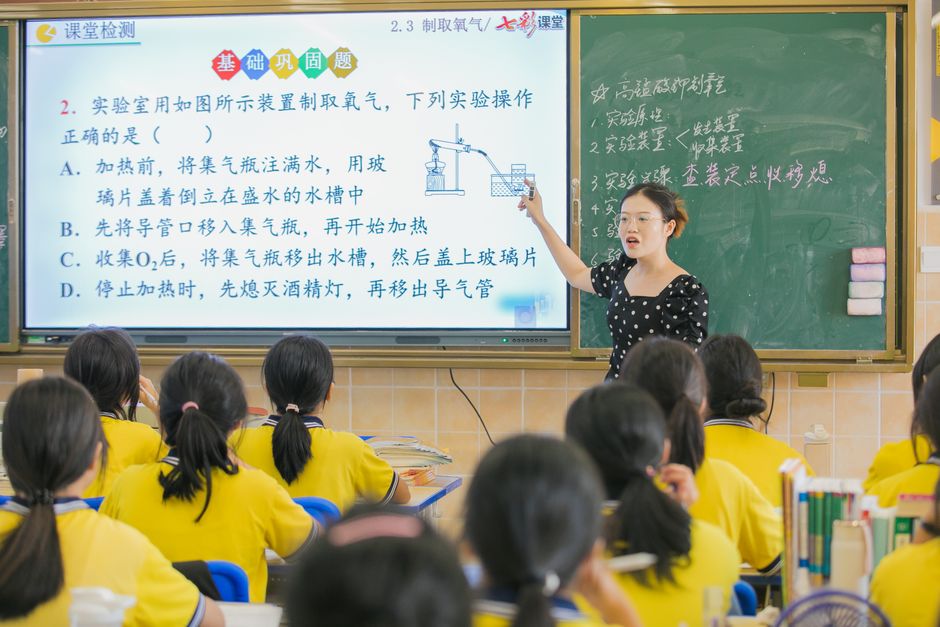
The deepest mistake, though, is treating these five-minute activities as filler in the dismissive sense — as something to get through before the “real” teaching starts. In a communicative classroom, the warmer often produces more spontaneous, meaningful English than the controlled practice that follows. Those minutes are not the warm-up to the lesson. For many students, they are the part of the lesson where they speak most freely, and that is worth protecting.
Putting It Together
Warmers and fillers reward a shift in mindset more than a longer activity list. Plan your opener to connect forward into the lesson and lower the affective filter. Keep a few materials-free fillers in your head for the gaps you cannot predict. Read the room’s energy before you choose, scale one structure across levels instead of hoarding dozens, and rotate often enough that the opening never goes stale. Do that, and the first and last five minutes of every class stop being dead time and start being some of the most productive English your students speak all week.

Start small. Pick one warmer and one filler for your next class, run them deliberately, and watch what happens to the energy in the room. The change is usually immediate — and once you feel it, you will never open a lesson cold again.
Mga Pinagmumulan
- TeachingEnglish — British Council / BBC
- Cambridge University Press & Assessment
- Krashen’s Affective Filter and Input Hypothesis — Wikipedia
- The Spacing Effect — Wikipedia






 TL
TL  EN
EN  ZH
ZH  ZH_CN
ZH_CN  KO
KO  VI
VI  FR
FR  AR
AR  ES
ES  HI
HI  PT
PT  BN
BN  RU
RU  JA
JA  TR
TR  DE
DE  IT
IT  PL
PL  ID
ID  TH
TH  FA
FA  UK
UK  HE
HE  UR
UR  SW
SW  RO
RO  NL
NL  MS
MS  TA
TA  PS
PS  HU
HU  EL
EL  SV
SV  NB
NB  NN
NN  DA
DA  CS
CS  SR
SR  AM
AM