

Volkanlar Çalışma Sayfası | Orta Seviye İngilizce Okuma
Okuma Parçası
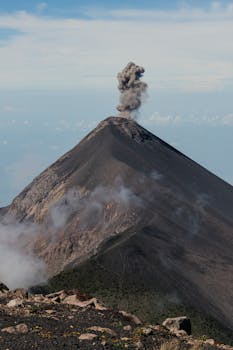
Volkanlar, Dünya yüzeyinde sıcak havanın püskürtüldüğü güçlü açıklıklardır. erimiş Yeraltının derinliklerinden kaya parçaları fışkırıyor. Bu ateş dağları, tarih boyunca binlerce yıldır insanları hem büyülemiş hem de korkutmuştur. Bir volkan patladığında... patlarYanardağlar, lav, kül ve gazları gökyüzüne çok yükseğe püskürtebilir. Dünyada her an patlayabilecek yaklaşık bin beş yüz aktif yanardağ bulunmaktadır. Bilim insanları bu durumu şu şekilde tanımlıyor: volkanologlar Bu dağları inceleyerek nasıl çalıştıklarını ve ne zaman patlayabileceklerini anlamaya çalışın.
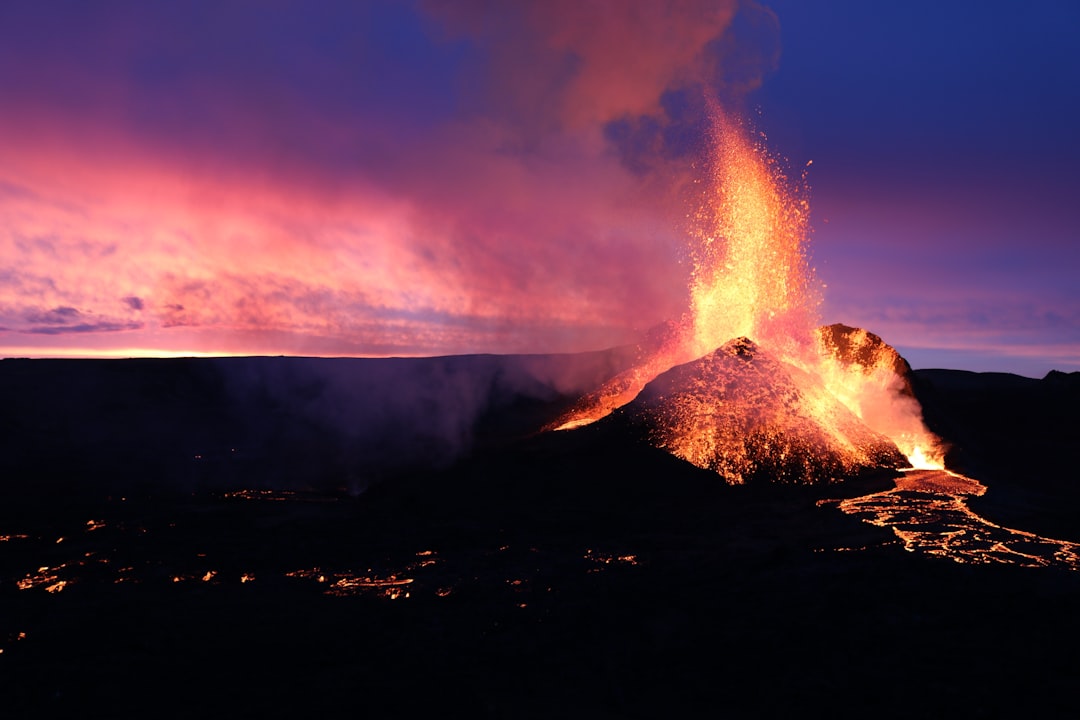
Her volkanın derinliklerinde, erimiş kayalardan oluşan bir havuz bulunur. magma Basınç altında beklemek. Basınç çok fazla biriktiğinde, magma yeryüzündeki çatlaklardan ve açıklıklardan yukarı doğru itilir. Magma yüzeye ulaştığında lav olarak adlandırılır ve kilometrelerce akarak yakındaki her şeyi yakabilir. Lavın sıcaklığı iki bin derecenin üzerine çıkabilir, çeliği kolayca eritecek kadar sıcaktır. patlamalar Bazıları nazik ve yavaş gerçekleşirken, diğerleri tüm şehirleri yerle bir eden şiddetli patlamalar şeklinde olur.
Volkanlar, milyonlarca yıl boyunca gezegenimizi birçok önemli şekilde şekillendirmiştir. Hawaii Adaları tamamen okyanus tabanından yükselen su altı volkanları tarafından oluşturulmuştur. Zengin volkanik toprak son derece verimlidir. verimli Kahve ve üzüm gibi ürünler yetiştirmek için mükemmel bir yer. Birçok sıcak su kaynağı ve gayzerler Varoluş nedenleri yer altındaki volkanik faaliyetlerden kaynaklanan ısıdır. Soluduğumuz hava bile milyarlarca yıl önce meydana gelen eski volkanik patlamalardan gelen gazlar içerir.
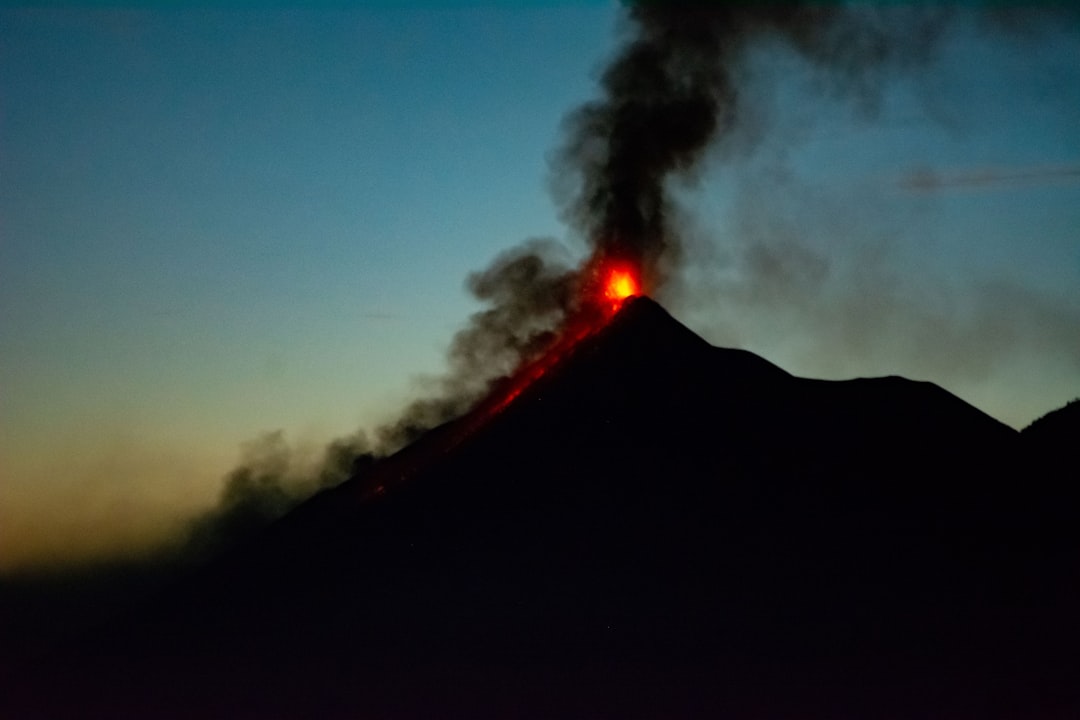
Pasifik Ateş Çemberi, günümüzde dünyanın aktif yanardağlarının çoğuna ev sahipliği yapmaktadır. at nalı şeklinde Bu bölge Pasifik Okyanusu'nu çevreler ve Japonya, Endonezya ve Batı Amerika'yı içerir. İtalya'daki Vezüv Yanardağı, MS 79 yılında Roma kenti Pompeii'yi tamamen yok etmiştir. Daha yakın zamanlarda, 1980'deki Washington'daki St. Helens Yanardağı patlaması büyük felaketlere neden olmuştur. yıkım Bölge genelinde. Bilim insanları, olası volkanik patlamalara karşı insanları uyarmak için bu tehlikeli dağları sürekli olarak izliyor.
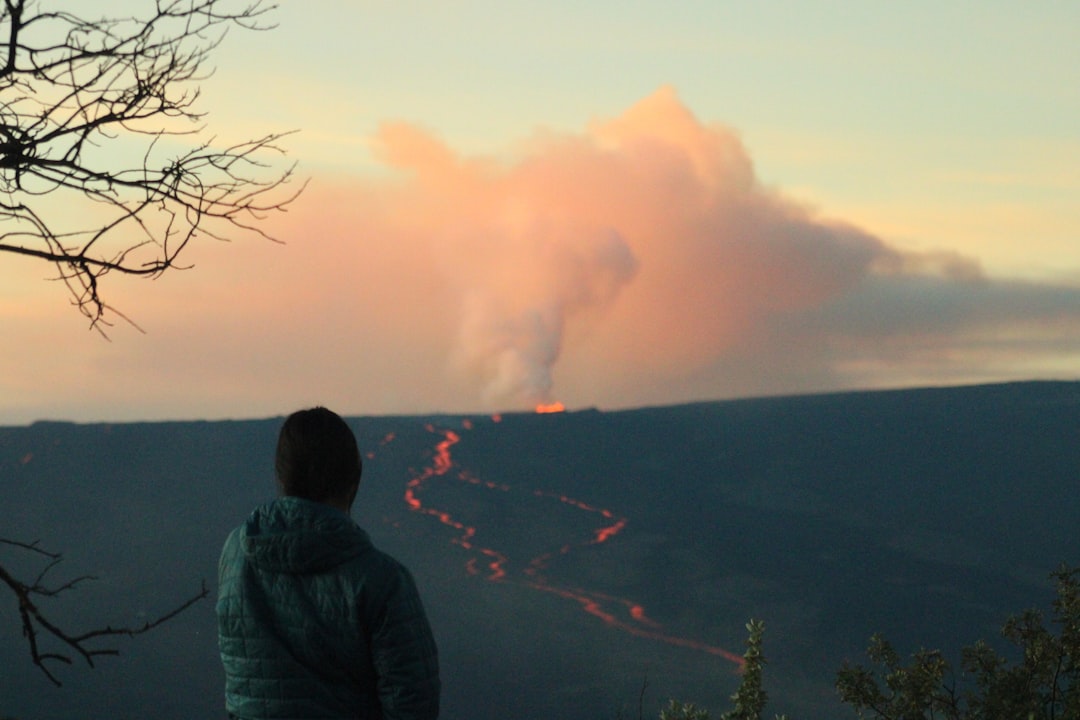
Bir yanardağın yakınında yaşamak hem... yararlı ve yerel topluluklar için son derece tehlikeli. Çiftçiler verimli toprağı severler, ancak her zaman hazırlıklı olmaları gerekir. tahliye ediyorum Gerektiğinde hızlı bir şekilde müdahale edilebilir. Erken uyarı sistemleri, ani patlamalar meydana gelmeden önce volkanik aktivite belirtilerini tespit ederek hayat kurtarmaya yardımcı olur. Topluluklar acil durum tatbikatları yaparak herkesin bir patlama olayında tam olarak ne yapacağını bilmesini sağlar. Volkanları anlamak, onların gücüne saygı duymamıza ve dünyamıza sağladıkları faydaların tadını çıkarmamıza yardımcı olur.
Seviye: Seviye F
A. Kelime Eşleştirme
Her kelimeyi tanımıyla eşleştirin.
1. erimiş ______
2. patlar ______
3. volkanologlar ______
4. magma ______
5. patlamalar ______
6. verimli ______
7. gayzerler ______
8. at nalı şeklinde ______
9. yıkım ______
10. tahliye ediyorum ______
a. Dünya yüzeyinin altında bulunan sıcak erimiş kaya
b. ciddi hasar veya tamamen yıkım
c. Suyu havaya fışkırtan sıcak su kaynakları
d) Volkanları inceleyen bilim insanları
e. volkanlardan çıkan lav ve gaz patlamaları
f. aniden ve büyük bir güçle dışarı fırlıyor
g. tehlikeli bir yeri hızla terk etmek
h. U harfi gibi kavisli
i. aşırı yüksek ısı ile eritilmiş
j. Bitki ve mahsul yetiştirmek için iyidir
B. Doğru mu Yanlış mı?
Her ifade için T (Doğru) veya F (Yanlış) yazın.
- Dünyada yaklaşık 1500 aktif yanardağ bulunmaktadır. ______
- Lav, erimiş çelikten daha sıcaktır. ______
- Tüm volkanik patlamalar şiddetli patlamalardır. ______
- Hawaii Adaları volkanlar tarafından oluşturulmuştur. ______
- Volkanik toprak, tarım ürünleri yetiştirmek için uygun değildir. ______
- Vezüv Yanardağı Pompeii şehrini yok etti. ______
- Pasifik Ateş Çemberi Atlantik Okyanusu'ndadır. ______
- Bilim insanları volkanik aktivite belirtilerini tespit edemiyor. ______
- Magma yüzeye ulaştığında lav olarak adlandırılır. ______
C. Boşlukları Doldurun
Kelime Bankası: erimiş | patlar | magma | verimli | gayzerler | yıkım | tahliye
- Volkanlar yerin derinliklerinden sıcak _______________ kayaçları açığa çıkarır.
- Bir volkan _______________ olduğunda, lavı gökyüzüne çok yükseğe püskürtebilir.
- Her volkanın derinliklerinde, ____________ adı verilen erimiş kaya havuzu bulunur.
- Volkanik toprak son derece verimlidir ve mahsul yetiştirmek için mükemmeldir.
- Topluluklar, bir yanardağ tehdidi durumunda hızla harekete geçmeye hazır olmalıdır.
D. Anlama Soruları
- Magma ile lav arasındaki fark nedir?
- Hawaii Adaları nasıl oluştu?
- Pasifik Ateş Çemberi nedir?
- MS 79 yılında Pompeii şehrine ne oldu?
- Çiftçiler, tehlikesine rağmen neden volkanların yakınında yaşamayı tercih ederler?
E. Tartışma Soruları
Bu soruları bir partnerinizle tartışın veya cevaplarınızı yazın.
- Aktif bir yanardağın yakınında yaşamak ister miydiniz? Neden veya neden istemezdiniz?
- Sizce bilim insanları volkanları anlamadan önce insanlar volkanlar hakkında ne düşünüyordu?
- Olası bir volkanik patlamaya karşı bir aile ne gibi hazırlıklar yapmalıdır?
📝 Cevap Anahtarını Görüntülemek için Tıklayın
Cevaplarınızı aşağıda kontrol edin.
A. Kelime Bilgisi: 1-i, 2-f, 3-d, 4-a, 5-e, 6-j, 7-c, 8-h, 9-b, 10-g
B. Doğru/Yanlış: 1-T, 2-T, 3-F, 4-T, 5-F, 6-T, 7-F, 8-F, 9-T
C. Boşlukları Doldurun: 1-erimiş, 2-patlar, 3-magma, 4-verimli, 5-boşaltmak
D. Anlama: 1. Magma yer altında, lav yüzeydedir; 2. Okyanus tabanından yükselen su altı volkanları nedeniyle; 3. Pasifik Okyanusu çevresinde en aktif volkanların bulunduğu at nalı şeklinde bir bölge; 4. Vezüv Yanardağı patlamasıyla yok edildi; 5. Çünkü volkanik toprak, tarım ürünleri yetiştirmek için çok verimlidir.
Tüm koleksiyonumuza göz atın. Ücretsiz İngilizce öğrenme çalışma sayfaları ve kaynakları Tayvan kültürü, bilim, dünya tarihi ve daha fazlasını kapsayan içerikler.
Students can access free worksheets and reading materials at 18KEnglish.com.






 TR
TR  EN
EN  ZH
ZH  ZH_CN
ZH_CN  KO
KO  VI
VI  FR
FR  AR
AR  ES
ES  HI
HI  PT
PT  BN
BN  RU
RU  JA
JA  DE
DE  IT
IT  PL
PL  ID
ID  TH
TH  FA
FA  UK
UK  TL
TL  HE
HE  UR
UR  SW
SW  RO
RO  NL
NL  MS
MS  TA
TA  PS
PS  HU
HU  EL
EL  SV
SV  NB
NB  NN
NN  DA
DA  CS
CS  SR
SR  AM
AM