

Uncontacted Tribes of the World | Intermediate ESL Reading Worksheet PDF
Free, classroom-ready, one click — includes answer key on page 3.
An intermediate ESL reading worksheet on uncontacted Indigenous peoples — who they are, where they live, and why governments and organizations work to protect their isolation.
Not every community in the world has joined modern, connected society. Around the globe, dozens of indigenous groups remain completely isolated, deliberately avoiding contact with outsiders. Experts call these groups uncontacted peoples, and a major 2025 report by the group Survival International identified at least 196 such communities living across ten countries.
The most famous example is the Sentinelese, who live on North Sentinel Island in the Indian Ocean. Nobody knows their exact population — estimates range from around 50 to 200 people. India’s government strictly protects their territory: boats must stay several kilometers away by law. In 2018, an American visitor who tried to reach the island illegally was killed, a reminder of how seriously the Sentinelese guard their isolation.
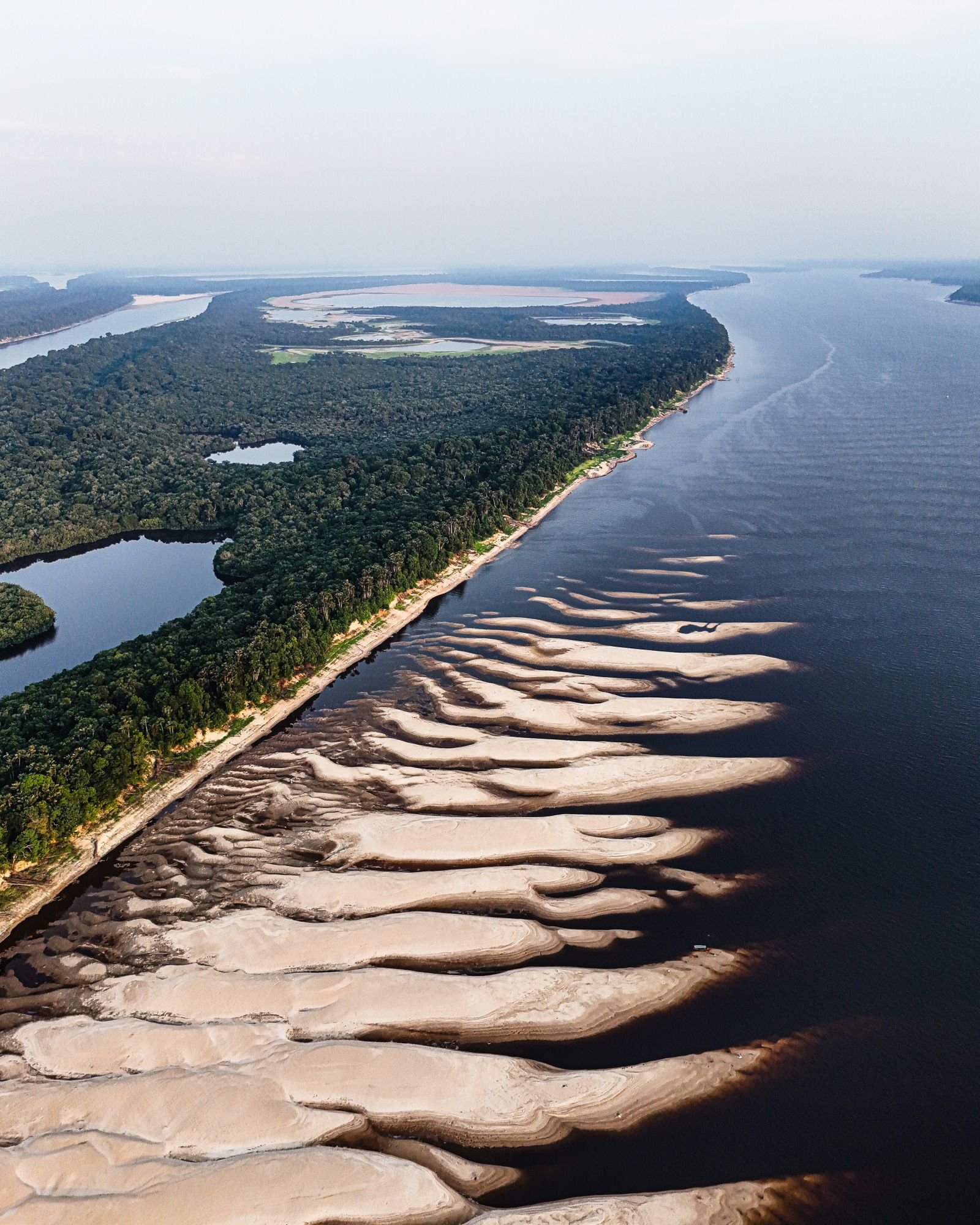
Most uncontacted groups live in the Amazon rainforest. Brazil’s indigenous affairs agency, FUNAI, has identified more than 100 groups believed to live deep in the forest, monitoring them from a distance rather than making contact. The Javari Valley, on the border between Brazil and Peru, holds the largest concentration of uncontacted peoples anywhere on Earth — home to at least nine confirmed groups.
Many of these communities became isolated on purpose. Some fled violence during past periods of colonization and exploitation; their tradition became retreating deeper into the forest rather than risking contact again. Disease is still the greatest danger: measles or influenza, carried by outsider, can kill up to half of an uncontacted group within a single year, because their bodies have no immunity.
Today, illegal logging, mining, and land invasions threaten to shrink the territories these groups depend on to survive. Organizations like FUNAI and Survival International work to estimate population numbers, defend indigenous land rights, and keep outside contact at zero, believing these communities have the right to decide their own future.
A. Vocabulary
- isolated ____
- indigenous ____
- territory ____
- survive ____
- threaten ____
- tradition ____
- outsider ____
- monitor ____
- contact ____
- estimate ____
- a. to continue to live, especially through difficulty
- b. far away and separate from other people or places
- c. to roughly calculate or judge a value or amount
- d. direct communication or meeting with someone
- e. a person who does not belong to a particular group
- f. to put something at risk of harm or danger
- g. to watch and check something carefully over time
- h. a custom or belief passed down over time
- i. an area of land that belongs to or is controlled by a group
- j. belonging to a place naturally, native to a region
B. True or False
- ____ Survival International’s 2025 report identified at least 196 uncontacted groups.
- ____ All uncontacted peoples live in Africa.
- ____ Experts know the exact population of the Sentinelese.
- ____ India’s government requires boats to stay several kilometers from North Sentinel Island.
- ____ In 2018, a visitor who illegally approached the island was killed.
- ____ Most uncontacted groups today live in the Amazon rainforest.
- ____ FUNAI has identified fewer than 10 uncontacted groups in total.
- ____ The Javari Valley lies on the border of Brazil and Peru.
- ____ Disease has little effect on uncontacted peoples because they live far from cities.
- ____ Illegal logging and mining can threaten the land uncontacted groups depend on.
C. Fill in the Blanks
- Survival International works to _______ how many uncontacted people exist worldwide.
- India’s government strictly protects the Sentinelese’s _______ around North Sentinel Island.
- Many communities remain completely _______, avoiding all contact with the modern world.
- Disease carried by an _______ can be deadly because these groups have no immunity.
- Illegal logging and mining continue to _______ the forest many tribes depend on.
D. Comprehension Questions
- According to the 2025 Survival International report, how many uncontacted groups exist, and where are most of them located?
- Why does India’s government enforce a strict boundary around North Sentinel Island?
- Explain why disease is considered the greatest danger to uncontacted peoples.
- What role does FUNAI play in protecting uncontacted groups in Brazil?
E. Discussion Questions
- Should governments ever try to make first contact with an uncontacted tribe? Why or why not?
- What responsibilities do you think the rest of the world has toward protecting uncontacted peoples’ land?
- The Sentinelese have refused contact for generations. What does their choice teach us about the right to privacy?
Answer Key (click to reveal)
A. Vocabulary: 1-b, 2-j, 3-i, 4-a, 5-f, 6-h, 7-e, 8-g, 9-d, 10-c
B. True/False: 1-T, 2-F, 3-F, 4-T, 5-T, 6-T, 7-F, 8-T, 9-F, 10-T
C. Fill Blanks: 1-estimate, 2-territory, 3-isolated, 4-outsider, 5-threaten
D. Comprehension:
- At least 196 groups exist across ten countries, and most are located in the Amazon rainforest of South America.
- To protect the Sentinelese’s isolation and safety, including protecting them from diseases outsiders could bring.
- Because their bodies have no immunity, a disease like measles or influenza can kill up to half of a group within a year of contact.
- FUNAI identifies and monitors uncontacted groups from a distance, without making contact, and works to defend their land.
© Tahric Teaches | tahricteaches.com






 EN
 ZH
 ZH_CN
 KO
 VI
 FR
 AR
 ES
 HI
 PT
 BN
 RU
 JA
 TR
 DE
 IT
 PL
 ID
 TH
 FA
 UK
 TL
 HE
 UR
 SW
 RO
 NL
 MS
 TA
 PS
 HU
 EL
 SV
 NB
 NN
 DA
 CS
 SR
 AM