Concept Checking Questions: 12 Proven ESL Examples
Concept checking questions confirm real understanding in ESL. Get 12 ready-to-use CCQ examples, a 4-step formula, and the mistakes to avoid.


Concept checking questions confirm real understanding in ESL. Get 12 ready-to-use CCQ examples, a 4-step formula, and the mistakes to avoid.

Drilling techniques help ESL students lock in pronunciation and grammar. Here are 7 proven drills — choral, substitution, back-chaining and more — with real classroom examples.

Twelve classroom-tested tips for teaching young learners English, from TPR and songs to routines, games, and managing behavior with kids.

Stop collecting random games. Learn how to match ESL activities to your lesson objective and stage so every task earns its place in the room.

Quick Answer: Effective ESL error correction means choosing the right moment and the lightest touch that still works. Correct accuracy-focused tasks on the spot, but save fluency activities for delayed, batch feedback so you don’t kill the conversation. The most reliable techniques are recasts, elicitation, clarification requests, metalinguistic clues, gesture, delayed correction, and peer correction…

A practical look at what separates ESL activities that actually work in the classroom from busywork — the goals, timing, and design choices behind real practice.

A flipped classroom moves lectures to short home videos and frees class time for real practice. Here are 7 proven steps to make it actually work.
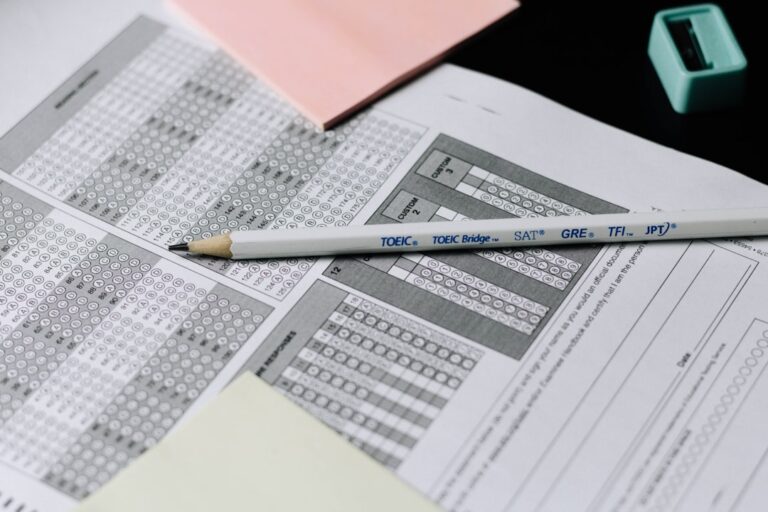
A practical guide to assessment and testing strategies for ESL teachers — how to build valid, reliable tests, use washback, and turn results into real learning.

The zone of proximal development is the gap between what students can do alone and with help. Here are 6 classroom examples and how to use it.

Formative assessment is the low-stakes check you run during learning to see what students really understand. 15 classroom examples you can use tomorrow.
 VI
 EN
 ZH
 ZH_CN
 KO
 FR
 AR
 ES
 HI
 PT
 BN
 RU
 JA
 TR
 DE
 IT
 PL
 ID
 TH
 FA
 UK
 TL
 HE
 UR
 SW
 RO
 NL
 MS
 TA
 PS
 HU
 EL
 SV
 NB
 NN
 DA
 CS
 SR
 AM