
Street Food in Asia | Advanced ESL Reading Worksheet PDF
Free, classroom-ready, one click — includes answer key on page 3.

Reading Worksheet — Advanced (F) | tahricteaches.com
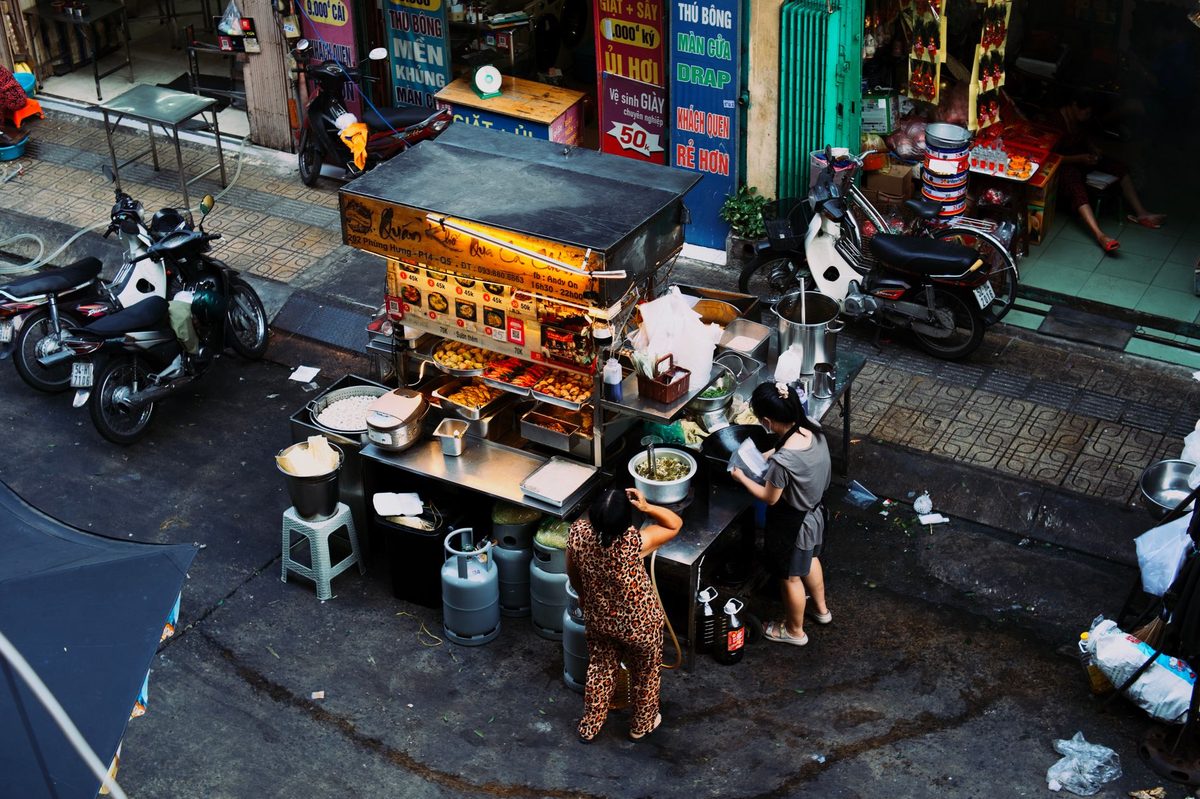
Across Asia, street food is far more than a quick meal; it is a rực rỡ expression of culture, history, and community. From the smoky alleys of Bangkok to the neon-lit night markets of Taipei, nhà cung cấp transform humble ingredients into dishes that have been refined over generations. For many travelers, sampling these foods offers a more authentic window into local life than any restaurant ever could.
The origins of street food are deeply tied to migration, trade, and necessity. In cities like Singapore and Penang, waves of Chinese, Malay, and Indian settlers brought their culinary traditions with them, eventually blending into hybrid cuisines like Peranakan or Hainanese chicken rice. Hawkers historically served laborers who could not afford sit-down meals, creating an affordable food culture that remains ubiquitous today.
Despite its popularity, the industry faces persistent challenges. Governments often struggle to regulate hygiene standards without crushing the small operators who define the trade. In Singapore, hawker centers were built to formalize vendors, while Bangkok has periodically attempted to clear sidewalks, sparking heated public debate about heritage versus modernization.
Globalization has also transformed the landscape. Social media platforms have turned obscure stalls into international destinations overnight, while celebrity chefs frequently cite street markets as their greatest source of inspiration. UNESCO even recognized Singapore’s hawker culture as intangible cultural heritage in 2020, cementing its global status.
Still, the soul of Asian street food lies in its accessibility. A bowl of pho in Hanoi, a plate of pad thai in Chiang Mai, or skewers of satay in Jakarta cost mere dollars yet deliver flavors that linger in memory. For language learners and travelers alike, engaging with street food is an invitation to slow down, observe, and connect with the rhythms of a place that no guidebook can fully capture.
A. Từ vựng
- vibrant ____
- vendors ____
- culinary ____
- ubiquitous ____
- regulate ____
- inspiration ____
- authentic ____
- heritage ____
- hybrid ____
- intangible ____
- a. people who sell goods or food, often from carts or stalls
- b. unable to be touched; existing as ideas or culture rather than physical objects
- c. genuine or true to original cultural roots
- d. found everywhere; extremely common
- e. relating to cooking or food preparation
- f. control or supervise through rules or laws
- g. process of being mentally stimulated to create or feel something
- h. traditions, achievements, and beliefs passed down from previous generations
- i. full of energy, life, and excitement
- j. thing made by combining two or more different elements

B. Đúng hay Sai
- ____ According to the passage, street food in Asia is purely about providing inexpensive meals and has little cultural significance.
- ____ Hawker centers in Singapore were created partly to formalize street vendors and regulate the trade.
- ____ The passage suggests that restaurants generally offer a more authentic experience of local life than street food does.
- ____ Migration and trade played important roles in shaping street food traditions across Asia.
- ____ UNESCO recognized Singapore’s hawker culture as intangible cultural heritage in 2020.
- ____ Bangkok’s government has never attempted to clear street vendors from public sidewalks.
- ____ Social media has helped previously unknown street food stalls gain international recognition.
- ____ According to the passage, celebrity chefs tend to dismiss street markets as unimportant to their craft.
- ____ Peranakan and Hainanese chicken rice are examples of hybrid cuisines mentioned in the passage.
- ____ The author argues that engaging with street food is a way to connect with the rhythms of a place.
C. Điền vào chỗ trống
- The night market was a ___ scene of colored lights, sizzling woks, and lively conversation.
- Local governments often struggle to ___ small food businesses without driving them out of operation.
- Many travelers seek ___ experiences that reflect the true character of a country rather than tourist clichés.
- Singaporean cuisine is a ___ of Chinese, Malay, and Indian influences shaped by centuries of migration.
- Street food ___ have passed down recipes from one generation to the next for hundreds of years.
D. Câu hỏi hiểu bài
- According to the passage, why do many travelers consider street food a more authentic window into local life than restaurants?
- What tension do governments face when trying to manage street food vendors?
- How has globalization, particularly social media, changed the street food industry?
E. Câu hỏi thảo luận
- Should governments prioritize hygiene regulations over preserving traditional street food culture, or is there a better balance? Explain your view.
- In your country or city, what foods or food traditions do you think best represent local heritage, and why?
Answer Key (click to reveal)
A. Từ vựng: 1-i, 2-a, 3-e, 4-d, 5-f, 6-g, 7-c, 8-h, 9-j, 10-b
B. Đúng/Sai: 1-F, 2-T, 3-F, 4-T, 5-T, 6-F, 7-T, 8-F, 9-T, 10-T
C. Điền vào chỗ trống: 1-vibrant, 2-regulate, 3-authentic, 4-hybrid, 5-vendors
D. Khả năng hiểu:
- Because street food reflects centuries of refined local tradition, community life, and the everyday rhythms of a place in a way restaurants typically cannot.
- They must balance enforcing hygiene and order with protecting the livelihoods and cultural heritage of small-scale vendors who define the trade.
- Social media has rapidly transformed obscure stalls into international destinations, raising the global profile of street food and its vendors.
© Tahric Teaches | tahricteaches.com
Looking for free ESL worksheets? Browse our full collection — printable resources for every level and age group. Browse Free Worksheets →
Students can access free worksheets and reading materials at 18KEnglish.com.








 VI
VI  EN
EN  ZH
ZH  ZH_CN
ZH_CN  KO
KO  FR
FR  AR
AR  ES
ES  HI
HI  PT
PT  BN
BN  RU
RU  JA
JA  TR
TR  DE
DE  IT
IT  PL
PL  ID
ID  TH
TH  FA
FA  UK
UK  TL
TL  HE
HE  UR
UR  SW
SW  RO
RO  NL
NL  MS
MS  TA
TA  PS
PS  HU
HU  EL
EL  SV
SV  NB
NB  NN
NN  DA
DA  CS
CS  SR
SR  AM
AM