
Task-Based Language Teaching: 7 Examples That Work (2026)
Task-based language teaching is an ESL methodology where students learn by completing a meaningful task — booking a hotel, planning a route, solving a puzzle, writing a short report — and the grammar work happens after the task, not before it. The order matters. Meaning comes first; form follows once the teacher has watched what learners can already do and what they keep tripping over. That single inversion is what separates TBLT from the lesson shape most of us were trained on in our CELTA week.
If you have a class of eight adults who came to learn English so they can email a vendor, run a meeting, or argue with the cable company in a second language, a task-based lesson resembles their real life more honestly than a 25-minute grammar drill on conditionals. That is the whole pitch. The rest of this guide is how to actually do it without the lesson falling apart.

What is task-based language teaching?
Task-based language teaching (TBLT) is an approach where the lesson is built around a target task — a goal-oriented activity with a non-linguistic outcome — and the language emerges from doing it. The teacher’s job is to set up the task, observe, and then provide a language focus stage after the task is complete. Rod Ellis defines a task by four conditions: meaning is primary, there is a gap to be bridged, learners choose the language they need, and there is a clear non-linguistic outcome.
That last criterion is the one new teachers miss. A discussion about the weather is not a task. Ranking five jobs by salary and presenting the ranking to another pair — that is a task, because the outcome (the ranking) exists separately from the language used to produce it. If you can grade the result without grading the grammar, you have a task.
The Willis TBLT framework: three stages that hold the lesson together
Jane Willis’s framework from A Framework for Task-Based Learning (1996) is still the cleanest way to plan a TBLT lesson. Three stages. Memorise the order and most of the lesson plans itself.
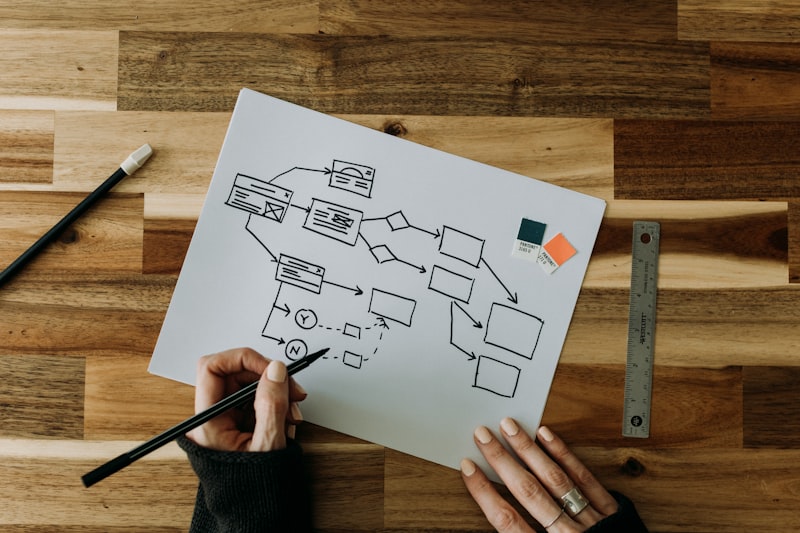
Pre-task is where you introduce the topic, prime relevant vocabulary, and show a model — usually a recording or short text of someone doing a similar task. This is not where you teach grammar. It is where you make sure no one is staring at the instructions and asking, “what is a duvet?”
The task cycle is the heart of it: learners do the task in pairs or small groups, then plan how to report what they did, then report it to the class or another group. Three sub-stages — task, planning, report — and they take roughly half the lesson combined.
Language focus is where TBLT pays the grammar bill. After the report, the teacher highlights two or three language items that came up — items learners reached for and got wrong, or avoided entirely. This is where the lesson differs most sharply from PPP. The teacher reacts to what happened, rather than scripting what should happen.
7 task-based language teaching examples that work in real classrooms
The examples below are taken from intermediate adult ESL groups (B1–B2). Each one fits the four-condition definition above. You can run any of them in a 50-minute lesson with no special materials beyond what you would normally have on hand.

1. Plan a weekend trip on a fixed budget
Give each pair a city, a budget of NT$5,000 (or US$150, whatever fits your context), and a 48-hour window. They must produce a written itinerary including transport, two meals, and one cultural activity. The report stage is a 90-second pitch to another pair, who then asks two clarifying questions. The language that surfaces — conditionals, modals of suggestion, comparatives — is what you teach in the language focus stage.
2. Rank ten jobs by something other than salary
Print a list of ten jobs (electrician, novelist, dentist, English teacher, pilot, etc.). Pairs rank them by stress, social value, or how much they would personally enjoy each one. The outcome is a justified ranking. Negotiation language pours out of this one — I think, I disagree, the thing is, what about, on the other hand — and most B1 learners need exactly that fluency work.
3. Solve a logic puzzle as an information gap
Split a classic five-houses logic puzzle so each student has half the clues. They cannot show each other the cards. To solve it, they have to ask and answer questions clearly and listen carefully. If you have not run one of these before, our information gap activities guide has eighteen formats you can swap in.

4. Plan a real party for a real occasion
Tell the class one of you is having a birthday next month (true or not). Groups plan the event: venue, guest list of six people including the boss, menu, music, and one rule. The constraint is the boss must be comfortable enough to stay until 9 pm. The report compares plans. The language focus is usually around suggestion forms and polite disagreement.
5. Run a job interview as a roleplay task with a hiring decision
Half the class are candidates with a CV card; half are interviewers with a job spec. After two interviews each, the interviewers meet and hire one candidate, then justify their pick. The outcome — a hiring decision — is non-linguistic. The interview language is the means to it. This works especially well in business English groups.
6. Design a one-day cultural orientation for new arrivals
Give the class a fictional newcomer arriving in their city tomorrow. Pairs design a one-day plan: airport pickup, two practical errands, one orientation conversation, and one meal. The report is presented to a pair playing the newcomer, who responds with questions. Time-telling, directions, and present simple/present continuous tend to dominate the language focus.
7. Compare two products and write a one-paragraph recommendation
Hand out reviews or spec sheets for two phones, two laptops, two language schools — anything the learners might actually compare in life. The outcome is a 60-word written recommendation that has to defend a choice. Comparative forms, evaluative adjectives, and concession structures (although, even though, despite) usually show up in the writing. You correct them after.
What is the difference between PPP and task-based language teaching?
PPP — Presentation, Practice, Production — flips the order: the teacher presents a structure, drills it, then sets a production task to show it being used. TBLT does the opposite. Learners attempt a task first, the teacher notices what is missing, and the language work targets the gap. PPP front-loads the grammar; TBLT back-loads it.

The honest take: PPP is easier to plan, easier to observe, and easier to fail at. It looks tidy when an external observer drops in. TBLT looks chaotic in the middle and clean at the end. For brand-new teachers, PPP is the right scaffold. For experienced teachers with B1+ learners, TBLT produces better fluency outcomes because learners spend more class time using language to mean something. If you want the full structure for both sides, see our PPP lesson plan guide and the ESL teaching methods comparison.
What is the difference between task-based language teaching and CLT?
This one trips people up because they overlap. Communicative Language Teaching (CLT) is a broad philosophy: language is for communication, so lessons should be communicative. TBLT is one specific way to operationalise CLT. Every TBLT lesson is a CLT lesson; not every CLT lesson is task-based.
A teacher running an information-gap pair work as part of a PPP lesson is doing CLT but not TBLT. A teacher whose entire lesson is built around a goal-oriented task with a real outcome is doing both. Our complete guide to communicative language teaching walks through how the two relate in more depth.
How to write a TBLT lesson plan in 20 minutes
The trick is to start at the end. Decide the task first. Everything else falls into place.
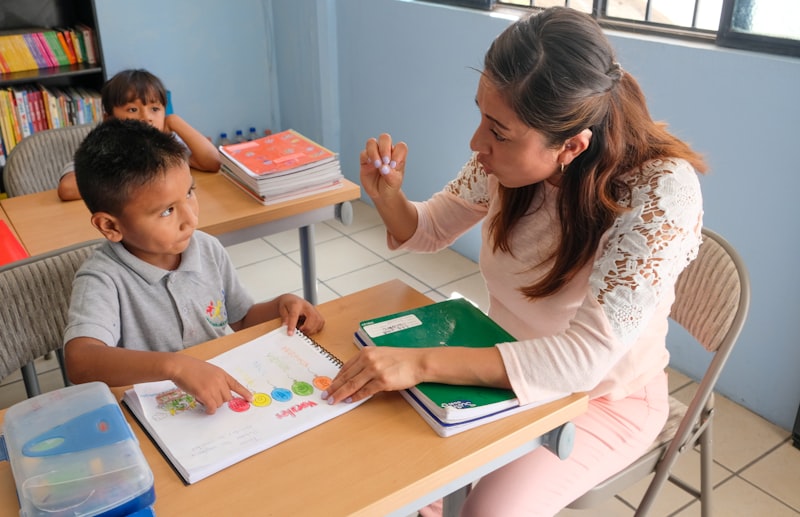
Pick a task that produces a tangible outcome. Write down the outcome in one sentence — “pairs produce a ranked list of five gifts under $50 and defend their choice.” Now work backwards. What vocabulary will they need that they probably do not have? That goes in pre-task. What language will they probably reach for and get wrong? That is your prediction for the language focus stage, and it tells you which target items to prepare slides for. Bring two extra examples per item so you have something to drill if learners need it.
Time it loosely: 10 minutes pre-task, 25 minutes task cycle, 15 minutes language focus. Build in a 90-second buffer between stages. If a stage runs long, cut the language focus to one item rather than two — never sacrifice the task. The task is the lesson.
Common TBLT mistakes (and how to avoid them)
The most common failure is the fake task. If the outcome can be produced without any communication — for example, “discuss your favourite holiday” — it is not a task; it is a topic. Real tasks have an outcome that can be checked: a ranking, a plan, a chosen candidate, a written paragraph. If the activity ends and there is nothing to look at, redesign it.
The second failure is skipping the language focus. New TBLT teachers run the task, declare victory, and move on. The class enjoyed themselves. They also fossilised three errors and learned nothing new. Without a focused language stage, TBLT becomes a conversation club. Set a timer if you have to. Two language items, ten minutes, every lesson.
The third failure is over-correcting during the task. Walk around and take notes, but do not interrupt unless communication has broken down. Correction belongs at the end. If you stop a pair mid-task to fix a verb tense, you have just told them grammar matters more than meaning — which is the opposite of what TBLT is for.
When task-based language teaching works best

TBLT shines with motivated adults at B1 and above who have enough language to attempt a task and enough self-awareness to notice when they need more. It works especially well in business English, where the tasks resemble real work, and in exam preparation for speaking tests like IELTS Part 3 and CAE, where extended responses to open-ended prompts are the assessment itself.
TBLT struggles with absolute beginners. If learners do not have enough language to attempt the task at all, the lesson stalls at pre-task and never recovers. For A1 and low A2, structured input through methods like TPR or a CLT-flavoured PPP is usually a better fit. Our ESL lesson plan template works for all of these.
It can also struggle in cultures where students expect the teacher to be the source of knowledge. Roll the framework out slowly, explain why you are doing it, and run the first two or three task-based lessons with shorter task cycles than you would normally use. Once learners see that the tasks produce real language gains, buy-in tends to follow.
A short video introduction to TBLT
If you want a quick teacher-training-style overview, Cornell’s Center for Teaching Innovation produced a clear ten-minute walkthrough of the framework. It covers the same Willis cycle this guide outlines, with concrete examples drawn from university language classes.
The honest case for trying TBLT next week
Most teachers default to PPP because it is the format they were trained in and the format their observers expect to see. That is fine for the first year of teaching. Past that, the cost of staying in PPP is fluency. Learners get better at recognising the structures you present, but they do not get measurably better at using language to do anything. TBLT changes that, and the switch costs you one lesson of planning discomfort. Pick the easiest task on the list above — the weekend trip is the most forgiving — and run it next week. Watch what happens at the report stage. That moment, when a learner reaches for a structure they have never been formally taught and uses it anyway, is what the rest of this method is built around.
Nguồn
- Wikipedia — Task-based language learning — Background on Prabhu’s original Bangalore Project and the development of the modern TBLT framework.
- BYU Methods of Language Teaching — Task-Based Instruction — Definitions and classroom procedures for TBLT, including the Willis cycle.
- ERIC — The Task-based Approach in Language Teaching (PDF) — Peer-reviewed overview of TBLT theory and classroom application.
- Goethe-Institut — Task-based language teaching: basic principles — Practitioner-focused summary of TBLT principles and limits.
- Cambridge — Task-based language teaching (research overview) — Survey of TBLT research from Cambridge Language Teaching journal.
Looking for free ESL worksheets? Browse our full collection — printable resources for every level and age group. Browse Free Worksheets →
Students can access free worksheets and reading materials at 18KEnglish.com.
Shop on Amazon
ESL Teaching Resources on Amazon →
As an Amazon Associate we earn from qualifying purchases.









 VI
VI  EN
EN  ZH
ZH  ZH_CN
ZH_CN  KO
KO  FR
FR  AR
AR  ES
ES  HI
HI  PT
PT  BN
BN  RU
RU  JA
JA  TR
TR  DE
DE  IT
IT  PL
PL  ID
ID  TH
TH  FA
FA  UK
UK  TL
TL  HE
HE  UR
UR  SW
SW  RO
RO  NL
NL  MS
MS  TA
TA  PS
PS  HU
HU  EL
EL  SV
SV  NB
NB  NN
NN  DA
DA  CS
CS  SR
SR  AM
AM