

Bão nhiệt đới Đài Loan cấp trung
Đoạn văn đọc
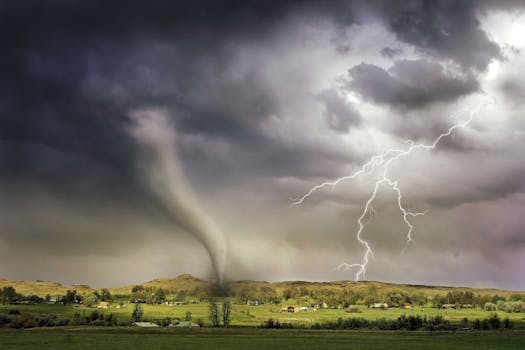
Typhoons are powerful tropical storms that hit Taiwan several times every year, usually between May and November. These massive storms form over the warm waters of the Pacific Ocean and move westward toward the island. Typhoons can bring wind speeds over two hundred kilometers per hour and dump enormous amounts of rain. Taiwan’s location makes it one of the most vulnerable places in the world for these dangerous storms. On average, three to four typhoons directly impact the island each year, though some years bring many more.
When a typhoon approaches, the Taiwan government issues warnings to help people prepare for the storm. Schools and businesses may close on designated typhoon days so people can stay safely indoors. The Central Weather Bureau tracks storms using satellites and radar technology to predict their path. Television and radio stations broadcast constant updates about the storm’s location and strength. People are advised to stock up on food, water, and emergency supplies before the typhoon arrives.

The dangers from typhoons come from both powerful winds and heavy flooding. Strong winds can knock down trees, damage buildings, and send objects flying through the air. The torrential rain often causes rivers to overflow and creates dangerous mudslides in mountain areas. Coastal areas face threats from storm surges, when the sea level rises dramatically. Every year, typhoons cause millions of dollars in destruction to homes, farms, and infrastructure across Taiwan.
Taiwan has developed excellent systems for responding to typhoon disasters over the years. Rescue teams are trained and ready to help people trapped by floods or landslides. The military often helps with evacuations and relief efforts in affected areas. Shelters open in schools and community centers for people who need a safe place to stay. Engineers constantly work to improve drainage systems and strengthen buildings against future storms.
Despite the dangers, some people appreciate what typhoons bring to Taiwan. The heavy rains fill reservoirs that provide drinking water during dry periods. Some farmers say the storms help clean out old growth and refresh the soil. Typhoon days also give workers and students unexpected time off to rest at home. However, everyone agrees that safety must always come first when these powerful storms approach the island.
Mức độ: Cấp độ F
A. Ghép từ vựng
Hãy ghép mỗi từ với định nghĩa tương ứng của nó.
1. vulnerable ______
2. approaches ______
3. designated ______
4. satellites ______
5. constant ______
6. emergency ______
7. torrential ______
8. destruction ______
9. responding ______
10. relief ______
a. happening all the time
b. comes closer to something
c. easily hurt or damaged
d. reacting or answering to something
e. a sudden dangerous situation
f. officially chosen or appointed
g. objects orbiting Earth for observation
h. falling in large amounts rapidly
i. help given in difficult times
j. the act of destroying something
B. Đúng hay Sai
Hãy viết T (Đúng) hoặc F (Sai) cho mỗi câu.
- Typhoons usually hit Taiwan in winter months. ______
- Wind speeds can exceed 200 km per hour. ______
- Schools may close on typhoon days. ______
- Taiwan gets about 3-4 typhoons per year. ______
- Typhoons form over cold ocean water. ______
- Storm surges raise the sea level. ______
- The military helps with evacuations. ______
- Typhoons never bring any benefits. ______
- Radar is used to track typhoons. ______
C. Điền vào chỗ trống
Ngân hàng từ vựng: vulnerable | approaches | designated | satellites | torrential | destruction | relief
- Taiwan is one of the most _______________ places for dangerous typhoon storms.
- When a typhoon _______________, the government issues warnings to the public.
- Schools and businesses close on _______________ typhoon days.
- The _______________ rain often causes rivers to overflow and flood.
- Rescue teams provide _______________ efforts in areas affected by storms.
D. Câu hỏi hiểu bài
- During which months do typhoons usually hit Taiwan?
- How do officials track typhoons before they arrive?
- What are two dangers that typhoons bring besides strong winds?
- What happens on designated typhoon days in Taiwan?
- What is one positive thing that typhoons bring to Taiwan?

E. Câu hỏi thảo luận
Hãy thảo luận những câu hỏi này với bạn cùng nhóm hoặc viết câu trả lời của bạn.
- Has your area ever experienced a major storm? What was it like?
- What would you do to prepare if a typhoon was coming?
- Why is it important for governments to have emergency response systems?
Đáp án
Kiểm tra đáp án của bạn bên dưới.
A. Từ vựng: 1-c, 2-b, 3-f, 4-g, 5-a, 6-e, 7-h, 8-j, 9-d, 10-i
B. Đúng/Sai: 1-F, 2-T, 3-T, 4-T, 5-F, 6-T, 7-T, 8-F, 9-T
C. Điền vào chỗ trống: 1-vulnerable, 2-approaches, 3-designated, 4-torrential, 5-relief
D. Khả năng hiểu: 1. Between May and November; 2. Using satellites and radar technology; 3. Heavy flooding and mudslides (or storm surges); 4. Schools and businesses may close; 5. The rain fills reservoirs for drinking water
Xem toàn bộ bộ sưu tập của chúng tôi các bài tập và tài liệu học tập tiếng Anh cho người học ESL miễn phí Bao gồm văn hóa Đài Loan, khoa học, lịch sử thế giới và nhiều hơn nữa.


 VI
VI  EN
EN  ZH
ZH  ZH_CN
ZH_CN  KO
KO  FR
FR  AR
AR  ES
ES  HI
HI  PT
PT  BN
BN  RU
RU  JA
JA  TR
TR  DE
DE  IT
IT  PL
PL  ID
ID  TH
TH  FA
FA  UK
UK  TL
TL  HE
HE  UR
UR  SW
SW  RO
RO  NL
NL  MS
MS  TA
TA  PS
PS  HU
HU  EL
EL  SV
SV  NB
NB  NN
NN  DA
DA  CS
CS  SR
SR  AM
AM