

Robots and AI ESL Worksheet Level C (Elementary)
Robots and artificial intelligence are two of the most exciting topics for young learners to explore. This free ESL worksheet introduces elementary students to the fascinating world of robots — what they are, how they work, and how they help people every day. Designed for Level C readers, this reading passage uses simple vocabulary and clear sentences that make complex technology accessible and fun for beginners.
What Makes This Worksheet Special
Every great ESL lesson starts with engaging content that students actually want to read. This robots and AI worksheet delivers exactly that. Students discover how robots move, think, and work alongside humans in hospitals, factories, and even outer space. The reading passage is carefully crafted with bolded vocabulary words that signal key terms students need to learn.

The worksheet follows a proven structure that ESL teachers worldwide rely on. After reading the passage, students work through multiple activity types that reinforce comprehension and build vocabulary skills. Each section targets a different learning modality, ensuring all students can engage with the material effectively.
Reading Passage: Robots and Artificial Intelligence
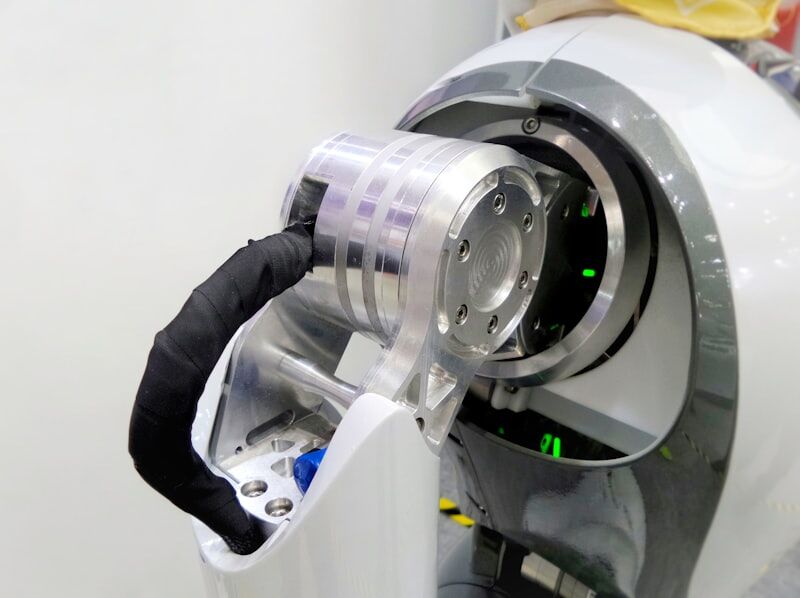
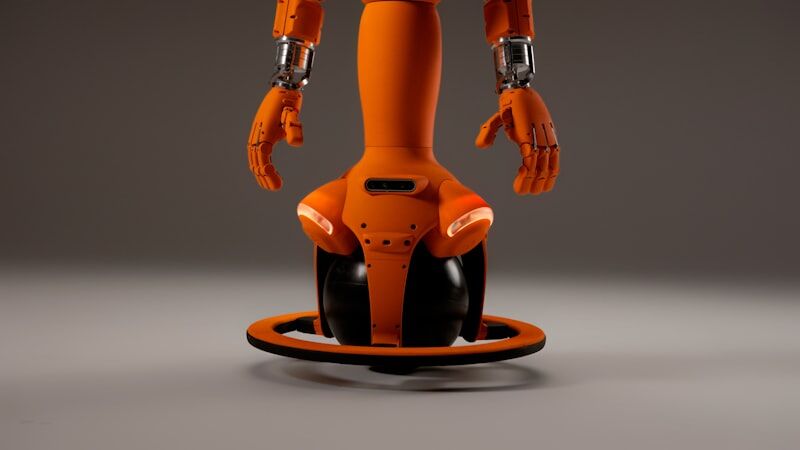
The reading passage covers five key areas that give students a well-rounded introduction to robotics. First, students learn what a robot actually is — a machine that can move and work by itself. They discover that robots come in many shapes and sizes, from humanoid robots that walk and dance to small round robots that clean houses.

The passage then introduces the concept of artificial intelligence in age-appropriate language. Students learn that when they talk to their phone and it responds, that is AI in action. This real-world connection helps abstract concepts click for young learners who might otherwise struggle with technical vocabulary.
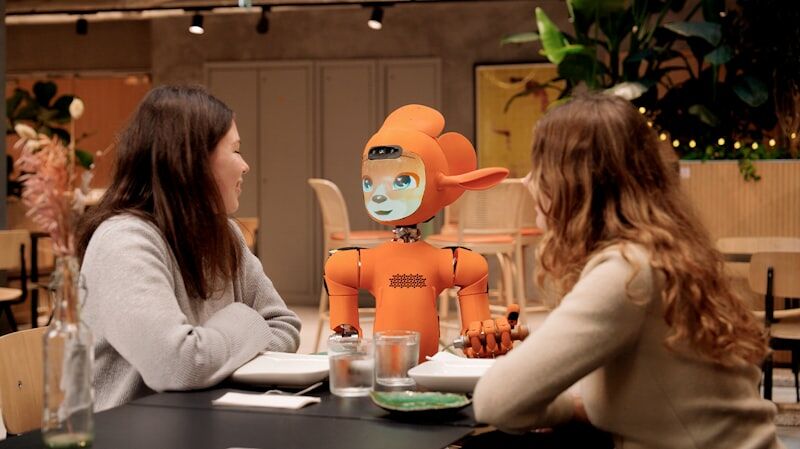
Students also explore how robots serve different industries. In hospitals, robots help doctors care for patients and deliver medicine. In factories, they build cars and everyday products. Some robots even travel to space to explore other planets for scientists.
Vocabulary Building Activities
The worksheet includes ten carefully selected vocabulary words with clear, student-friendly definitions. Words like 機器人, machine, computer, artificial, hospitals, patients, explore, future, scientists, and intelligent form the foundation of technology-related English that students need.
A matching exercise pairs each word with its definition, while a fill-in-the-blank section with a word bank challenges students to use the vocabulary in context. These activities build both recognition and productive use of new language.
Comprehension and Critical Thinking
Nine true/false questions test students’ understanding of the reading passage. These questions range from straightforward recall (“Robots can help clean houses”) to inference-based questions that require students to distinguish between facts stated in the text and common misconceptions.
Five open-ended comprehension questions push students to formulate their own answers, practicing both reading skills and written English production. Questions like “What is a robot?” and “What might robots do in the future?” encourage students to synthesize information from across the passage.
Discussion Questions for Speaking Practice
Three discussion prompts round out the worksheet, giving teachers ready-made conversation starters for pair work or group discussions. Students consider whether they would want a robot friend, which jobs robots do best, and how robots improve daily life. These open-ended questions work perfectly for developing speaking fluency and expressing personal opinions — critical skills for ESL learners at any level.
How to Use This Worksheet in Your ESL Classroom
This worksheet works beautifully as a standalone lesson or as part of a larger unit on technology and innovation. Here are some proven approaches that experienced ESL teachers recommend:
Pre-reading warm-up: Before distributing the worksheet, ask students what they already know about robots. Write their ideas on the board and revisit after reading to see what new information they learned. This activates prior knowledge and builds anticipation.
Jigsaw reading: Assign each student group a different paragraph. Groups become “experts” on their section and teach it to the class. This builds both reading and speaking skills while keeping engagement high. If you enjoy this approach, check out our Coral Reefs ESL Worksheet for another great jigsaw reading topic.

Vocabulary stations: Set up learning stations around the classroom. One station has the matching exercise, another has fill-in-the-blanks, and a third has students drawing pictures to illustrate each vocabulary word. Rotating through stations keeps energy levels up and prevents worksheet fatigue.
Extension project: After completing the worksheet, have students design their own robot. They draw it, name it, and write three sentences about what it can do. This creative application reinforces vocabulary while developing writing skills. For another engaging science topic, try our Solar Energy Complete Guide.
Answer Key Included
The worksheet comes with a complete answer key on the final page, making it easy for teachers to grade quickly or for students to self-check their work. Answers are provided for vocabulary matching, true/false questions, fill-in-the-blank exercises, and comprehension questions.

Why Robots Make Great ESL Topics
Technology topics like robots and AI capture student attention because they connect classroom learning to the real world. Students see robots in movies, video games, and increasingly in everyday life. When they read about robots in English class, the content feels relevant and exciting rather than abstract and disconnected.
Additionally, technology vocabulary crosses into multiple content areas. Words learned in this worksheet appear in science classes, news articles, and everyday conversations about gadgets and devices. This cross-curricular relevance makes the vocabulary investment worthwhile for students building their English skills for academic or professional purposes.
For more science-themed reading materials, explore our Organic Farming Complete Guide. You can also learn more about robotics from NASA Robots in Space 和 Britannica: Artificial Intelligence. For additional robot facts suitable for young learners, visit Science Kids: Robot Facts.
Understanding the Reading Level System
This worksheet is rated Level C on the standardized reading level scale used in ESL education worldwide. Level C corresponds to elementary proficiency, making it appropriate for students who have mastered basic English sentence structures and possess a foundational vocabulary of approximately 500-800 words. Students at this level can read simple paragraphs, follow basic narratives, and understand concrete descriptions of familiar topics.
The controlled vocabulary and sentence length in this reading passage ensure accessibility without sacrificing engagement. Each sentence averages 10-15 words, and complex ideas are broken into manageable chunks. Bold vocabulary words appear in context before students encounter them in the exercises, providing natural exposure before formal study.
Connecting Robots to Student Lives
One of the strongest features of this worksheet is how it connects robotic technology to experiences students already have. Nearly every student has interacted with AI through voice assistants on phones, smart speakers at home, or automated customer service systems. When the passage mentions talking to your phone and hearing it talk back, students immediately recognize this experience from their own lives.
This personal connection transforms abstract technology concepts into relatable content. Students who might struggle with purely technical descriptions engage readily when they realize they already use AI daily. Teachers can amplify this effect by asking students to list all the robots and AI systems they encounter in a typical week — the results often surprise both students and teachers.
Robot vacuum cleaners, automatic doors, smart thermostats, recommendation algorithms on streaming services, and predictive text on keyboards all represent AI that students interact with regularly. Making these connections explicit helps students build a mental framework for understanding more complex robotics concepts introduced in later lessons.
Printable and Digital-Friendly Format
The PDF worksheet is designed to work equally well whether printed on paper or completed digitally. Clean formatting ensures readability at standard print sizes, while sufficient spacing between exercises allows students to write answers directly on the worksheet. For digital classrooms, students can use PDF annotation tools to type or write answers on tablets and computers.
Teachers using Google Classroom, Microsoft Teams, or other learning management systems can distribute the PDF directly through their platform. Students submit completed worksheets through the same channel, streamlining the assignment-feedback cycle that makes worksheet-based learning efficient and manageable for busy teachers.
Adapting This Worksheet for Different Classroom Settings
Whether you teach in a traditional classroom, a hybrid environment, or a fully online setting, this robots and AI worksheet adapts seamlessly to your needs. For in-person classes, print enough copies for each student and work through the sections together, pausing to discuss interesting points about how robots affect daily life. Teachers report that students become particularly animated when sharing their personal experiences with technology, making this a high-engagement lesson.
For online and hybrid classes, share the PDF through your learning management system and use screen sharing to guide students through the reading passage together. Breakout rooms work perfectly for the discussion questions, allowing small groups to practice speaking in a lower-pressure environment before sharing key points with the whole class. The structured nature of the worksheet exercises translates naturally to digital formats, with students typing answers into shared documents or annotation tools.
Download Your Free Worksheet
Click the button below to download the complete “Robots and Artificial Intelligence” ESL worksheet (Level C – Elementary). The PDF includes the full reading passage, all exercises, and a complete answer key.
Feel free to print copies for your students, share with fellow teachers, or use as homework. Happy teaching!


 ZH
ZH  EN
EN  ZH_CN
ZH_CN  KO
KO  VI
VI  FR
FR  AR
AR  ES
ES  HI
HI  PT
PT  BN
BN  RU
RU  JA
JA  TR
TR  DE
DE  IT
IT  PL
PL  ID
ID  TH
TH  FA
FA  UK
UK  TL
TL  HE
HE  UR
UR  SW
SW  RO
RO  NL
NL  MS
MS  TA
TA  PS
PS  HU
HU  EL
EL  SV
SV  NB
NB  NN
NN  DA
DA  CS
CS  SR
SR  AM
AM