
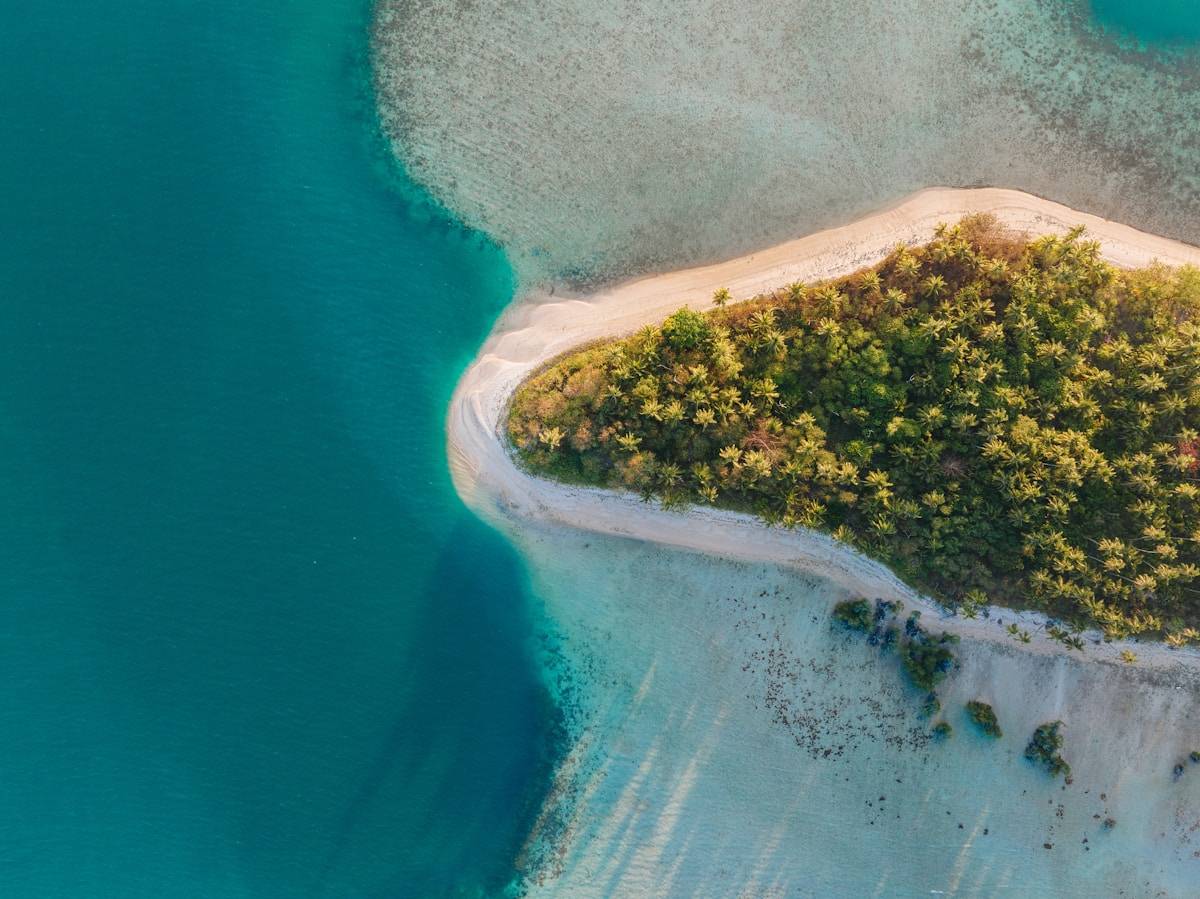
Robinson Crusoe’s Island Adventure
Twenty-eight years, two months, and nineteen days. That is how long Daniel Defoe’s hero spends marooned, and the precise count is the first clue that the Robinson Crusoe island adventure was written to feel real rather than fantastical. Published in London in 1719, the book reads like a survivor’s diary — muddy, practical, and stubbornly hopeful. For English teachers, that documentary tone is a gift: the story hands students a ready-made vocabulary of tools, weather, food, and fear, all wrapped around a plot that keeps them turning pages. This guide walks through what actually happens on the island, where the story came from, and how to turn it into a classroom lesson that works.
The Robinson Crusoe Island Adventure at a Glance
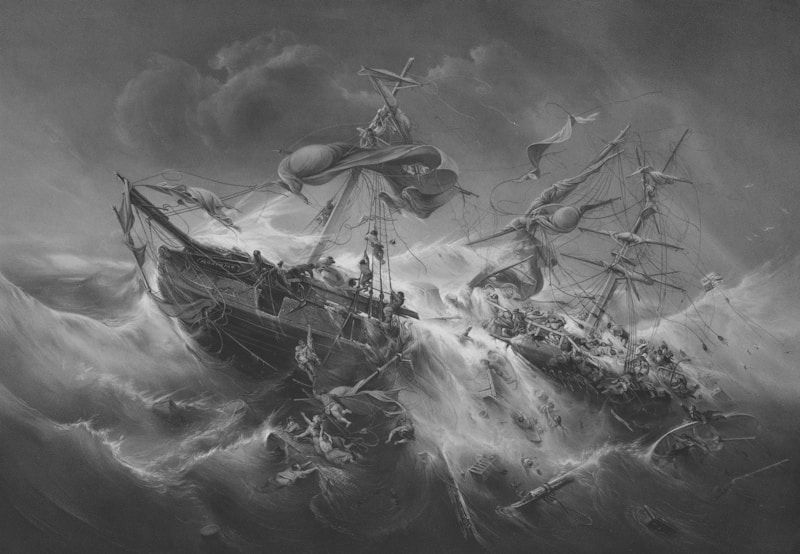
Strip the novel down to its bones and you get one man against one island. Crusoe, a merchant’s son from York, ignores his father’s advice to settle into a comfortable middle-class life and runs off to sea. A series of voyages ends in disaster when a storm wrecks his ship off the coast of South America. He is the only survivor, washed onto an empty shore with nothing but the clothes he swam in.
What follows is not a swashbuckling tale of pirates and treasure. It is a slow, detailed record of survival: salvaging supplies from the wreck, building a fortified home, keeping a calendar by carving notches into a post. The drama comes from small victories and sudden shocks — a successful harvest, an earthquake, a fever, and eventually the discovery that he is not as alone as he believed.
How Did Robinson Crusoe End Up Alone on the Island?
Crusoe’s journey to the island is a chain of bad decisions and worse luck. He first goes to sea against his family’s wishes, is captured by pirates near North Africa, and spends two years enslaved before escaping by boat. He then builds a successful plantation in Brazil — and here is the irony most readers miss: he was already wealthy and settled when he chose to sail again. Greedy for cheap labour, he joins a voyage to buy enslaved people from the coast of Guinea. That voyage is the one the storm destroys.
The shipwreck strands him near the mouth of the Orinoco River, on an island he later calls the “Island of Despair.” Everyone else drowns. Crusoe drags himself ashore and, over the following days, swims back and forth to the broken ship to rescue tools, gunpowder, food, and two cats and a dog. Those salvaged supplies are the only reason he survives the first year.
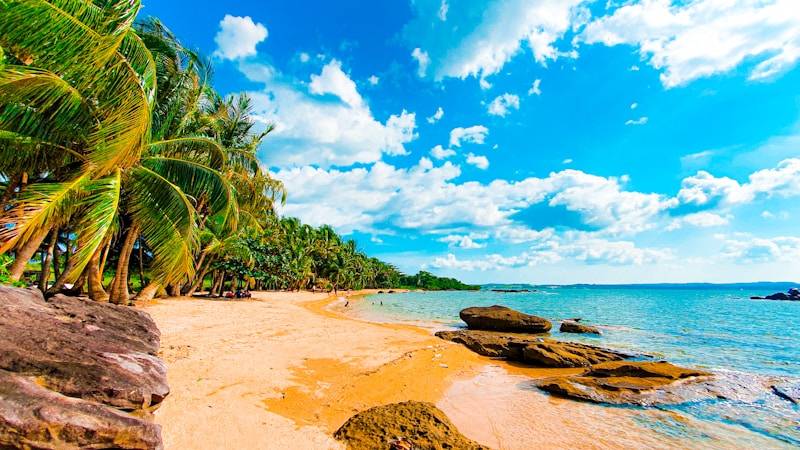
How Long Was Crusoe Stranded? 28 Years on the Island
Crusoe keeps a wooden calendar, and Defoe keeps the math honest. The total is 28 years, 2 months, and 19 days — a number the novel repeats so readers feel the weight of it. He is roughly 27 when he lands and past 55 when he finally leaves. That is most of an adult lifetime spent alone.
The length matters for how the story teaches. Early chapters are about panic and problem-solving. The middle years shift to routine, faith, and a kind of hard-won contentment. By the time other humans appear, Crusoe has become the undisputed “king” of his little kingdom, and the tension turns to whether he can protect it. For a reading class, this arc is easy to divide into three teachable stages: crisis, survival, and contact.
How Did Robinson Crusoe Survive?
Survival is the engine of the whole book, and Defoe spends real page-time on the how. Crusoe carves a home into a hillside, surrounds it with a stake wall, and calls it his “castle.” He learns — through trial, error, and a lot of ruined attempts — to bake bread from barley and rice that sprouted by accident from spilled seed. He makes clay pots, weaves baskets, and stitches goatskin clothes.
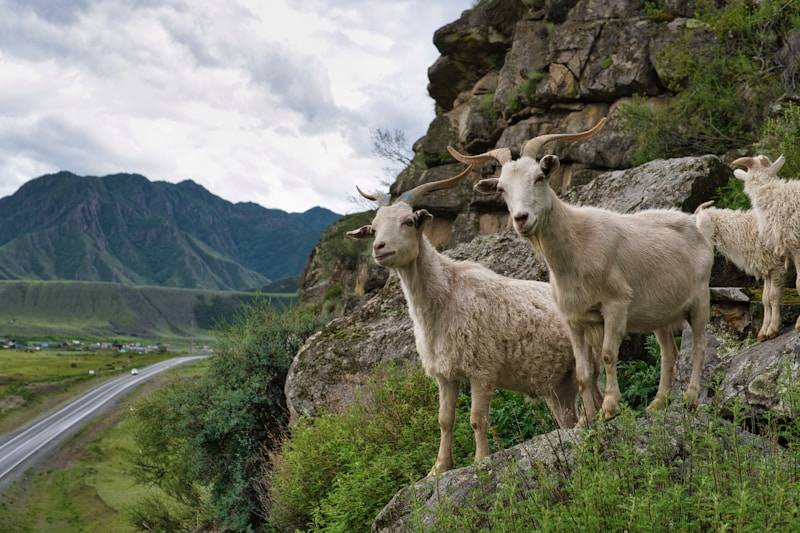
The goats are his supermarket. He hunts them at first, then captures and breeds a tame herd for milk, meat, and skins. He builds a second inland shelter he calls his “country house.” None of it is glamorous, and that is the point: the book argues, quietly, that patience and repeated effort beat luck. It is easy to romanticise being stranded on a tropical island; Defoe reminds you that you would spend the first year mostly terrified and the next twenty mostly working.
The Footprint That Changed Everything
The most famous scene in the novel is also its quietest: after fifteen years of solitude, Crusoe finds a single human footprint in the sand. No body, no voice — just one print. He is so shaken that he hides in his fortress for days, convinced that cannibals or the devil have found him.
The footprint splits the story in two. Before it, Crusoe fears loneliness. After it, he fears company. He eventually discovers that groups from the mainland visit the island to hold cannibal feasts, and during one of these he rescues a captive who was about to be killed. He names the man Friday, after the day of the rescue, and teaches him English, Christianity, and how to serve. Modern readers rightly flag the colonial power imbalance in that relationship — and, honestly, an ESL discussion is a good place to talk about it rather than skip past it. Friday is Crusoe’s first companion in decades, and their bond, uneven as it is, carries the final act of the book.

Was Robinson Crusoe Based on a Real Castaway?
Partly, yes. The most direct inspiration was Alexander Selkirk, a Scottish sailor who was marooned on Más a Tierra — one of the Juan Fernández Islands off Chile — from 1704 to 1709. Selkirk asked to be put ashore after a dispute over his ship’s seaworthiness, then survived alone for four years and four months before a passing English vessel picked him up. Like Crusoe, he hunted and tamed goats, read his Bible for comfort, and nearly forgot how to speak.
Defoe stretched Selkirk’s four years into nearly three decades and moved the setting to the Caribbean, but the DNA is unmistakable. In 1966 the Chilean government even renamed Selkirk’s island “Robinson Crusoe Island” to draw tourists. Pointing students to the real man behind the fiction is one of the fastest ways to make the story feel current — it is a true tale hiding inside a famous novel. If your learners want the fuller literary background, our complete guide to Robinson Crusoe lays out the publication history and sequels in depth.
Why the Island Adventure Still Grips Readers
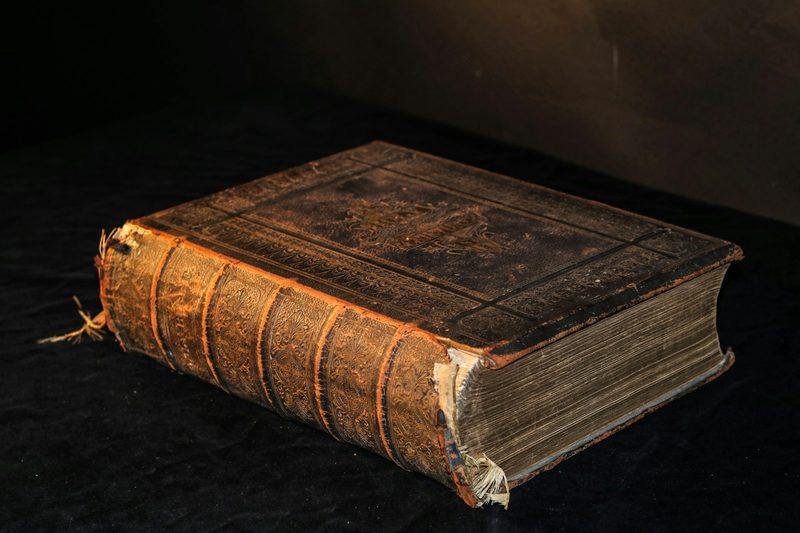
Robinson Crusoe is often called the first English novel, and more than three centuries later it has never gone out of print. Its influence is everywhere: the word “Crusoe-like” describes any lone survivor, and an entire genre — the “Robinsonade” — is named after it, from The Swiss Family Robinson 到 抛弃 to countless survival video games.
The appeal is simple and human. Everyone has wondered, at least once, whether they could survive alone with nothing. Crusoe answers that fantasy with a grubby, believable “yes, but it would be hard.” The mild opinion worth sharing with a class is this: the book endures not because the island is exotic, but because the problem-solving is honest. It respects the reader’s intelligence. That same honesty is why the story pairs so well with English learners, who are themselves solving a hard problem one small step at a time.
Teaching the Robinson Crusoe Island Adventure in the ESL Classroom
The story’s survival theme makes it a natural fit for a communicative reading unit. Because the plot is driven by concrete objects and actions — build, hunt, plant, cook, escape — it generates vocabulary that lower-level learners can actually picture. You do not need the original 1719 text; a graded reader or a one-page summary works better for most classes, saving the full version for advanced students.
Here are five activities that consistently land well:
- Survival ranking: Give students a list of ten items and have them rank what they would save from the sinking ship. This forces comparatives, modals (“we should take the axe”), and negotiation.
- Diary writing: Ask each student to write one journal entry as Crusoe. It practises past tense and first-person narration in a low-pressure, creative frame.
- Hot-seating Friday: One student answers questions in role as Friday. This opens a genuine discussion about culture, fairness, and point of view.
- Map the island: Learners draw and label Crusoe’s island — the castle, the country house, the shore — reinforcing prepositions of place.
- Debate: “Was Crusoe brave or foolish to go to sea?” A short structured debate builds opinion language and linking words.
Layer in a vocabulary warm-up and a comprehension quiz and you have a full week of lessons. For more ideas on making word work stick, our post on creative vocabulary teaching activities pairs neatly with this unit, and the story’s seafaring theme connects nicely to these travel and adventure idioms.

If you want a video anchor for the lesson, this short summary and analysis gives students the plot in a few minutes before you move into the activities:
Key Survival Vocabulary from the Story
One reason the island adventure teaches so well is that its core words are physical and picturable. Pre-teach a set like the one below and students can retell whole scenes with confidence. These are the terms that appear again and again as Crusoe works to stay alive.
| 单词 | Meaning in the story |
|---|---|
| shipwreck | The destruction of a ship at sea that strands Crusoe |
| castaway | A person left alone in a remote place after a wreck |
| shelter | The fortified home Crusoe builds into the hillside |
| salvage | To rescue useful goods from the wrecked ship |
| solitude | The long loneliness of living without other people |
| harvest | The barley and rice crops Crusoe grows for food |
| tame | To train wild goats to live and breed under his care |
| rescue | Saving Friday, and later escaping the island himself |

From Shipwreck to Rescue: The Ending
Crusoe’s escape does not come from a raft he builds — it comes from a mutiny. An English ship anchors near the island, its crew having seized the captain. Crusoe and Friday help the loyal captain retake his vessel, and in return the grateful officer carries them back to Europe. Crusoe returns to find his Brazilian plantation has made him rich in his absence, so he steps off the island not as a beggar but as a wealthy man. Defoe even wrote a sequel, The Farther Adventures of Robinson Crusoe, in which the aging hero revisits his island years later.
That closing note — comfort earned through decades of patience — is what makes the book satisfying rather than bleak. Bring it into your classroom and it does double duty: a cracking survival story your students will remember, and a vocabulary engine that keeps giving. Start with the plot, add the real story of Alexander Selkirk, and let the discussion questions do the talking. If you are building a wider unit, anchor it to our detailed Robinson Crusoe summary so your learners have a reference to return to between lessons.
来源
- Robinson Crusoe — Project Gutenberg — The full public-domain text of Daniel Defoe’s 1719 novel.
- Robinson Crusoe — Encyclopaedia Britannica — Overview of the novel, its themes, and its place in literary history.
- Alexander Selkirk — Encyclopaedia Britannica — Biography of the real castaway who inspired the story.
Looking for free ESL worksheets? Browse our full collection — printable resources for every level and age group. Browse Free Worksheets →
Students can access free worksheets and reading materials at 18KEnglish.com.






 ZH_CN
ZH_CN  EN
EN  ZH
ZH  KO
KO  VI
VI  FR
FR  AR
AR  ES
ES  HI
HI  PT
PT  BN
BN  RU
RU  JA
JA  TR
TR  DE
DE  IT
IT  PL
PL  ID
ID  TH
TH  FA
FA  UK
UK  TL
TL  HE
HE  UR
UR  SW
SW  RO
RO  NL
NL  MS
MS  TA
TA  PS
PS  HU
HU  EL
EL  SV
SV  NB
NB  NN
NN  DA
DA  CS
CS  SR
SR  AM
AM