Running Dictation: 7 ESL Techniques
Running dictation drills listening, speaking, reading, and writing in one classroom activity. Setup steps, 7 techniques, and fixes for noise and safety.


Running dictation drills listening, speaking, reading, and writing in one classroom activity. Setup steps, 7 techniques, and fixes for noise and safety.

Songs give ESL learners access to authentic pronunciation, natural rhythm, and emotionally charged vocabulary simultaneously. Research consistently shows words introduced through music are retained significantly longer than those introduced through drills or reading. The eight techniques below move well beyond the standard gap-fill worksheet and work at levels from A2 to C1. A 2005 review…

Quick Answer: ESL dictation activities build all four language skills in a single task — students listen to a spoken text, write it down, then compare and discuss errors. Beyond the standard read-and-write format, techniques like running dictation, dicto-gloss, and spot dictation push learners to notice grammar gaps in their own output, which is exactly…

Quick Answer: The 9 best ESL listening activities span every proficiency level: Listen and Draw, Song Gap Fill, and Dictation Sprints for beginners; News in Levels comprehension checks, Podcast Shadowing, and Dialogue Reconstruction for intermediate learners; and TED Talk Annotation, Academic Lecture Note-Taking, and the Debate Listener role for advanced students. Each activity targets the…

The most effective ESL listening activities follow three stages: pre-listening (context and vocabulary setup), while-listening (a focused task such as note-taking or a gap-fill), and post-listening (comprehension check and discussion). The 8 activities below — from dictocomp to sound-before-vision — give students systematic, skill-building practice at every proficiency level, with no specialist equipment required. In…

Teaching listening skills works best in three stages: pre-listening prediction, gist-then-detail while listening, and a post-listening speaking task. Here are 8 methods that build real comprehension.

Quick Answer: The most effective way of using songs to teach English is to treat the song as a language text, not background noise. Pick a track that matches your students’ level, then build a task around it — a gap-fill for listening, lyric strips for sequencing, or a chorus for pronunciation drills. Play it…

A practical guide to choosing real-world audio, designing layered listening tasks, and scaffolding lessons that prepare ESL learners for unscripted English.
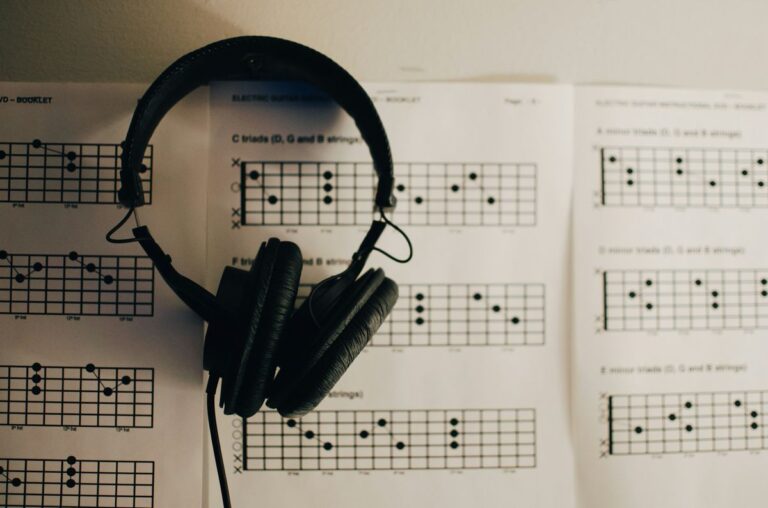
15 ESL song activities that turn any track into a real lesson — vocabulary, grammar, speaking, pronunciation. Plus level matching, copyright basics, and a sample 45-minute lesson.

15 classroom-ready ESL listening activities for every level — from running dictation to shadowing to podcast snippets. Each one targets a specific sub-skill.
 BN
 EN
 ZH
 ZH_CN
 KO
 VI
 FR
 AR
 ES
 HI
 PT
 RU
 JA
 TR
 DE
 IT
 PL
 ID
 TH
 FA
 UK
 TL
 HE
 UR
 SW
 RO
 NL
 MS
 TA
 PS
 HU
 EL
 SV
 NB
 NN
 DA
 CS
 SR
 AM